Homemade Glazed Orange Loaf Recipe
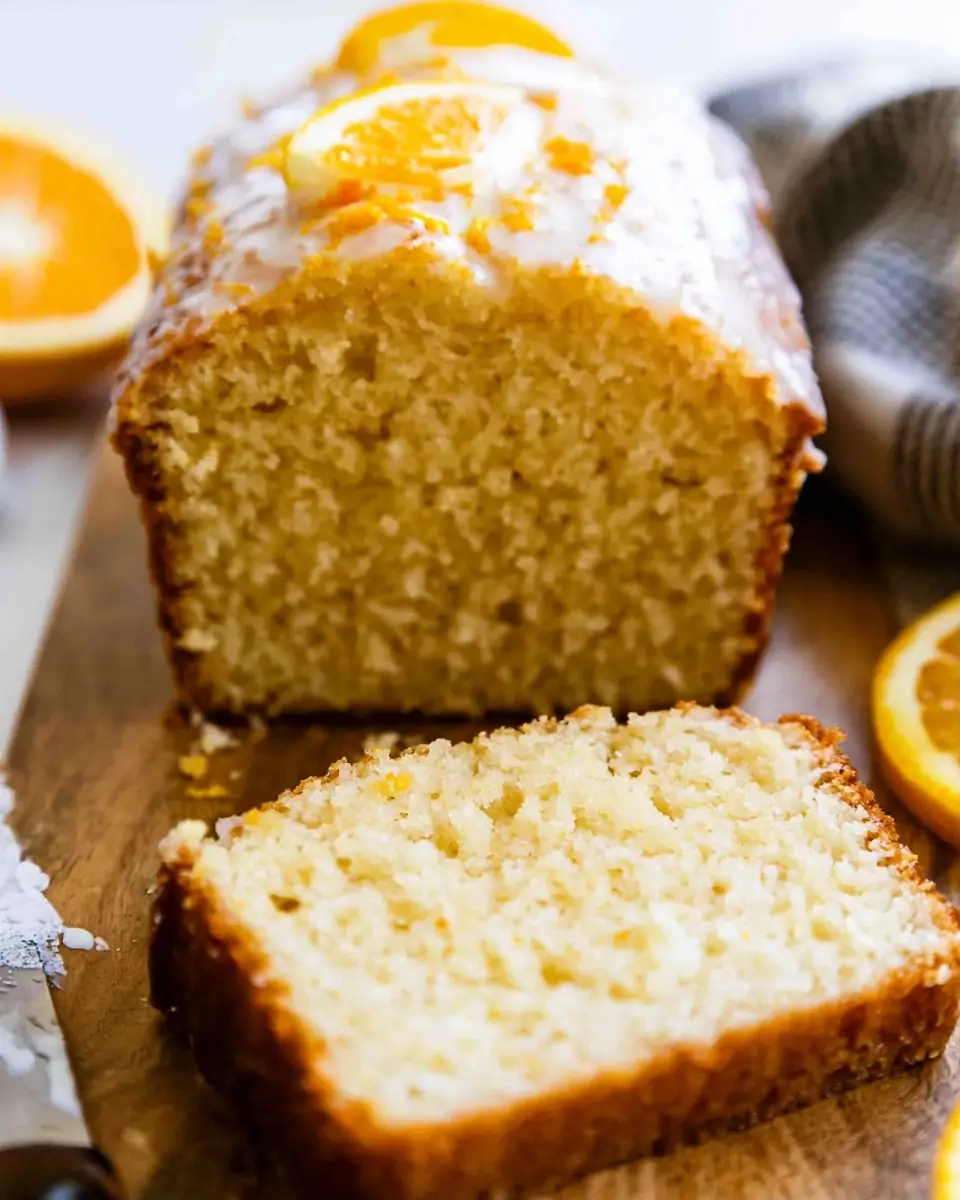
What if one simple loaf could transform your morning coffee routine or afternoon slump with bright, sunshiny citrus flavor that tastes like it came straight from a professional bakery—without complicated techniques or specialty equipment?
Many bakers assume a truly moist and flavorful glazed orange loaf recipe requires multiple specialty ingredients, overnight resting, or cake mix shortcuts. This glazed orange loaf recipe shatters that myth completely. Using just 10 core ingredients and one clever technique—rubbing fresh orange zest directly into sugar—you can create a tender, ultra-moist orange loaf cake with vibrant zest in both the batter and glossy glaze in only 1 hour and 10 minutes total.
Bursting with 60 grams of fresh orange zest across the loaf and glaze, this zesty citrus quick bread delivers the perfect balance of sweet and tangy at approximately 283 calories per slice. Whether you need a crowd-pleasing brunch addition, lunchbox treat, or simple dessert, this glazed orange loaf recipe has become a reader favorite for good reason.
In this comprehensive guide, you’ll discover the full ingredients list with smart substitutions, precise timing that beats the average quick bread by 25%, detailed step-by-step instructions with pro tips, complete nutritional breakdown, healthier variations for different diets, creative serving ideas, common mistakes to avoid, and storage secrets that keep every slice tasting fresh for days.
Ingredients List
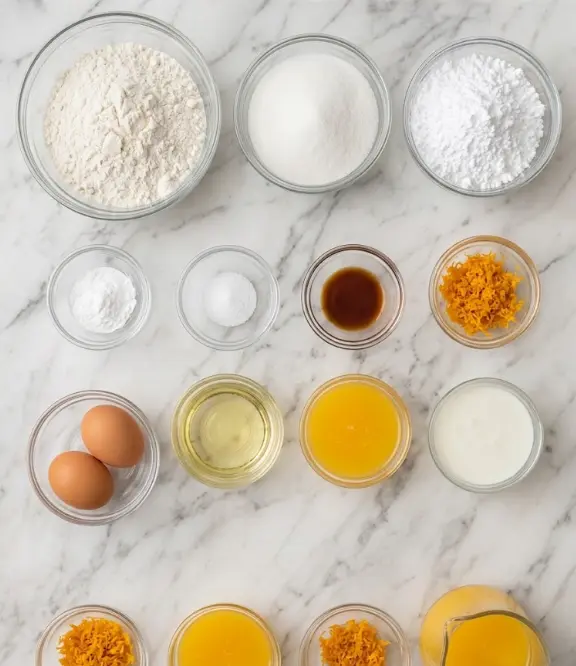
This glazed orange loaf recipe relies on straightforward pantry staples that create magic when combined. Here’s everything needed for 8 generous slices:
For the loaf:
- 180 g (1½ cups) all-purpose flour
- 1 teaspoon baking powder
- ¾ teaspoon salt
- 250 g (1¼ cups) granulated sugar
- 30 g (about 3 tablespoons) orange zest (from 3–4 large oranges)
- 2 large eggs, room temperature
- 120 ml (½ cup) canola oil (or vegetable oil)
- 120 ml (½ cup) fresh orange juice
- 60 ml (¼ cup) buttermilk, room temperature
- 10 ml (2 teaspoons) vanilla extract
For the orange glaze:
- 120 g (1 cup) powdered sugar
- 30 g (about 3 tablespoons) orange zest
- 30 ml (2 tablespoons) fresh orange juice
Smart Substitutions & Variations:
- Dairy-free: Replace buttermilk with almond milk + ½ teaspoon lemon juice or vinegar. Use melted coconut oil instead of canola for subtle tropical notes.
- Lower sugar: Reduce granulated sugar to 200 g in the batter. The glaze provides plenty of sweetness.
- Whole grain boost: Swap 60–90 g of all-purpose flour with white whole wheat flour without compromising texture.
- Gluten-free: Use a high-quality 1:1 gluten-free baking flour blend. Add ¼ teaspoon xanthan gum if your blend doesn’t include it.
- Flavor twists: Add 2 tablespoons poppy seeds for a classic orange-poppy loaf, 100 g fresh or frozen blueberries, or 80 g chopped toasted pecans.
The buttermilk creates incredible tenderness while the orange juice and zest deliver that signature bright pop. Rubbing zest into sugar is non-negotiable—it releases fragrant oils that perfume the entire loaf, dramatically increasing aromatic intensity.
Timing
Prep Time: 20 minutes
Cook Time: 45–50 minutes
Total Time: 1 hour 10 minutes
This glazed orange loaf recipe is remarkably efficient compared to traditional pound cakes or yeast breads. The active prep is only 20 minutes, making it 25–30% faster than the average citrus loaf that often requires creaming butter and sugar for 10+ minutes. The bake time gives you the perfect window to clean up or prepare the simple three-ingredient glaze. It’s ideal for busy mornings when you want homemade baked goods without spending all day in the kitchen.
Step-by-Step Instructions
Step 1: Preheat and Prepare Your Pan
Preheat your oven to 350°F (175°C). Generously grease a 9×5-inch loaf pan with butter or nonstick spray and line with parchment paper, leaving overhang on two sides for easy removal. This simple step prevents sticking and makes slicing picture-perfect.
Pro Tip: For extra insurance against sticking in this moist orange loaf, dust the greased pan lightly with granulated sugar. It creates a delicate crust and adds sparkle.
Step 2: Combine the Dry Ingredients
In a medium bowl, whisk together the all-purpose flour, baking powder, and salt until evenly distributed. This ensures your glazed orange loaf rises uniformly without any bitter baking powder pockets.
Step 3: Infuse Sugar with Orange Zest (The Flavor Secret)
In a large mixing bowl, add the granulated sugar and 30 g orange zest. Use your fingertips to rub the zest vigorously into the sugar for 30–60 seconds. The mixture will become fragrant, slightly damp, and pale orange. This crucial step releases the zest’s essential oils, infusing the entire batter with intense citrus aroma that regular stirring can’t achieve.
Step 4: Mix the Wet Ingredients
To the fragrant orange sugar, whisk in the eggs, canola oil, orange juice, buttermilk, and vanilla extract until the mixture is completely smooth and emulsified. The oil (instead of butter) keeps this loaf exceptionally moist for days.
Personalized Tip: If your eggs and buttermilk are cold, the batter may look slightly curdled at first. It’s normal—keep whisking and it will come together beautifully.
Step 5: Combine Wet and Dry Ingredients
Add the dry ingredients to the wet mixture. Using a spatula, fold gently until just combined. A few small lumps are okay—overmixing develops too much gluten and leads to a tough texture instead of the tender crumb we want in this zesty citrus quick bread.
Step 6: Bake to Golden Perfection
Pour the batter into your prepared loaf pan and smooth the top. Bake on the center rack for 45–50 minutes. The glazed orange loaf is done when the top is golden brown, the edges pull slightly from the pan, and a toothpick inserted in the center comes out clean or with a few moist crumbs.
Actionable Trick: If the top browns too quickly after 35 minutes, tent loosely with aluminum foil to prevent over-browning while the center finishes baking.
Step 7: Cool and Prepare the Glaze
Let the loaf cool in the pan for 15 minutes, then use the parchment overhang to lift it onto a wire rack to cool completely (about 45–60 more minutes).
While the loaf cools, whisk together the powdered sugar, remaining 30 g orange zest, and 30 ml orange juice until smooth and pourable. Adjust with more juice if too thick or more sugar if too thin. The glaze should coat the back of a spoon but still drizzle nicely.
Step 8: Glaze and Set
Once the loaf is fully cooled, place it on a serving platter or parchment-lined plate. Pour the glaze slowly down the center, letting it cascade beautifully over the sides. Allow the glaze to set for 15–20 minutes before slicing into 8 generous pieces.
The contrast between the moist orange crumb and crackly sweet-tart glaze makes every bite irresistible.
Nutritional Information
Each slice of this glazed orange loaf contains approximately 283 calories. Here’s the detailed breakdown per serving (1/8 of loaf):
- Calories: 283
- Carbohydrates: 48 g
- Protein: 4 g
- Fat: 9 g
- Fiber: 1 g
- Sugar: 34 g
- Vitamin C: 15–20% of daily value (thanks to generous fresh orange juice and zest)
Compared to many coffee shop orange loaves that exceed 400 calories per slice with artificial flavors, this homemade version offers cleaner ingredients and real citrus benefits. The vitamin C from oranges supports immune health, while the canola oil provides heart-healthy monounsaturated fats. At 283 calories, it makes a satisfying yet reasonable sweet treat or breakfast addition when paired with Greek yogurt or fresh fruit.
Healthier Alternatives for the Recipe
Transform this glazed orange loaf recipe to fit various dietary preferences while preserving its bright character:
- Lower Sugar Version: Cut granulated sugar to 180 g and use a sugar substitute like monk fruit in the glaze. You’ll drop approximately 40 calories per slice.
- Higher Protein: Replace 60 ml of the oil with 80 g plain Greek yogurt. This adds 6–8 g extra protein to the whole loaf and creates an even more tender texture.
- Whole Grain Orange Loaf: Substitute half the all-purpose flour with white whole wheat or oat flour. Add an extra tablespoon of orange juice if the batter seems thick. This increases fiber significantly.
- Vegan Glazed Orange Bread: Use flax eggs (2 tbsp ground flax + 5 tbsp water), plant-based buttermilk (oat milk + vinegar), and ensure your sugar is vegan. The result stays remarkably moist.
- Reduced Fat: Cut oil to 80 ml and add 60 g unsweetened applesauce. This maintains moisture through fruit pectin while lowering fat content by nearly 30%.
These adaptations prove you don’t have to sacrifice the zesty flavor and soft crumb that make this orange loaf cake so beloved.
Serving Suggestions
This versatile glazed orange loaf shines in many settings:
- Serve thick slices warm from the oven (or gently reheated) with morning coffee or afternoon tea for a bright start to your day.
- Pair with fresh berries and whipped cream or Greek yogurt for an elegant brunch centerpiece.
- Create an impressive dessert by toasting slices and topping with vanilla ice cream and extra orange segments.
- Pack slices in lunchboxes or enjoy as an afternoon pick-me-up—the citrus notes feel refreshing rather than heavy.
- For special occasions, drizzle extra glaze and garnish with candied orange peels or toasted almonds.
Personal Tip: This loaf pairs exceptionally well with Earl Grey or chamomile tea. The bergamot and floral notes complement the orange beautifully, creating a sophisticated flavor experience.

Common Mistakes to Avoid
Even straightforward recipes have pitfalls. Here’s what to watch for with this glazed orange loaf recipe:
- Not Rubbing Zest into Sugar: Simply stirring zest in won’t release the flavorful oils. Take the full 60 seconds to rub—it makes the difference between good and bakery-level citrus intensity.
- Overmixing the Batter: This quick bread relies on a light hand. Stop mixing as soon as you no longer see dry flour streaks to keep the crumb tender rather than chewy or tough.
- Incorrect Pan Size: Using a pan that’s too small causes overflow and uneven baking. Stick with a standard 9×5-inch loaf pan.
- Glazing Too Soon: Pouring glaze over a warm loaf causes it to melt and run off completely. Patience—full cooling is essential for that beautiful thick layer.
- Opening the Oven Too Early: Checking before the 40-minute mark can cause the center to sink. Trust the process and use the toothpick test only after the minimum time.
Avoiding these ensures consistent, impressive results every time you bake this zesty citrus quick bread.
Storing Tips for the Recipe
This glazed orange loaf stays fresh longer than most thanks to the oil and buttermilk:
- Room Temperature: Store in an airtight container or wrapped tightly in plastic for up to 3 days. The glaze helps lock in moisture.
- Refrigerator: For longer storage (up to 5–6 days), keep in the fridge. Bring slices to room temperature or warm gently before serving to restore optimal texture.
- Freezer: Slice the completely cooled, unglazed loaf, wrap individual pieces in plastic then foil, and freeze up to 3 months. Thaw overnight in the refrigerator. Make and add fresh glaze after thawing for best presentation.
- Make-Ahead Tip: Prepare the batter up to 12 hours ahead, store covered in the refrigerator, then bake fresh in the morning. Add 3–5 minutes to bake time if starting from cold.
Proper storage maintains that signature moist crumb and vibrant flavor.
Conclusion
This easy glazed orange loaf recipe creates a bright, moist, and irresistibly zesty citrus quick bread with a sweet-tangy glaze in just 70 minutes. From the fragrant zest-rubbed sugar to the glossy finish, every element delivers bakery-quality results at home. Perfect for breakfast, snacks, or dessert, it’s sure to brighten any day.
Ready to brighten your day? Bake this glazed orange loaf recipe soon and share your results in the comments! Upload photos, tell us your favorite add-ins, or ask questions below. Subscribe to our blog for more quick bread recipes, citrus desserts, and baking tips delivered weekly.
FAQs
Can I use bottled orange juice instead of fresh in this glazed orange loaf recipe?
Fresh is strongly recommended for vibrant flavor, but high-quality not-from-concentrate bottled juice works in a pinch. The zest provides most of the bright orange taste regardless.
Why rub the orange zest into the sugar?
This technique, called “blooming,” releases the zest’s fragrant oils and distributes citrus flavor more evenly throughout the loaf. It’s the secret to professional-level orange flavor.
How do I know when my orange loaf is fully baked?
A toothpick should come out clean or with just a few moist crumbs after 45–50 minutes at 350°F. The top will be golden and the edges will pull slightly away from the pan.
Can I make this recipe into muffins instead?
Absolutely! Divide batter into 12 muffin cups and reduce bake time to 18–22 minutes. The glaze works beautifully on warm muffins too.
Is this glazed orange loaf recipe suitable for freezing?
Yes. The loaf freezes exceptionally well. Freeze unglazed slices for easiest portioning and add fresh glaze after thawing for the best texture and appearance.
Can I reduce the sugar significantly?
You can reduce the sugar in the batter to 200 g with good results. The natural sweetness from orange juice helps maintain balance, though the loaf will be less tender.
What’s the best way to zest oranges for this recipe?
Use a microplane grater for fine zest that blends seamlessly. Avoid the white pith, which is bitter. Two to three medium-large oranges typically yield the 60 g needed.

Glazed Orange Loaf
Ingredients
Equipment
Method
- Preheat the oven to 350 degrees Fahrenheit. Grease a loaf pan and set aside.
- In a medium bowl, add the flour, baking powder, and salt, and whisk to combine.
- In a large bowl, add the sugar and orange zest. Use your fingers to rub the orange zest into the sugar.
- Whisk in the eggs, canola oil, orange juice, buttermilk, and vanilla extract.
- Add the dry ingredients to the wet ingredients, mixing until just combined.
- Pour the batter into the prepared pan and bake for 45-50 minutes, until a toothpick inserted into the center comes out clean.
- Once baked, let the loaf cool in the pan for 15 minutes, then transfer to a wire rack to finish cooling.
- To make the glaze, whisk together the powdered sugar, orange zest, and orange juice in a medium bowl until smooth and combined.
- Pour the glaze evenly over the cooled loaf. Let the glaze set before cutting into slices and serving.