Healthy French Bread Rolls Recipe
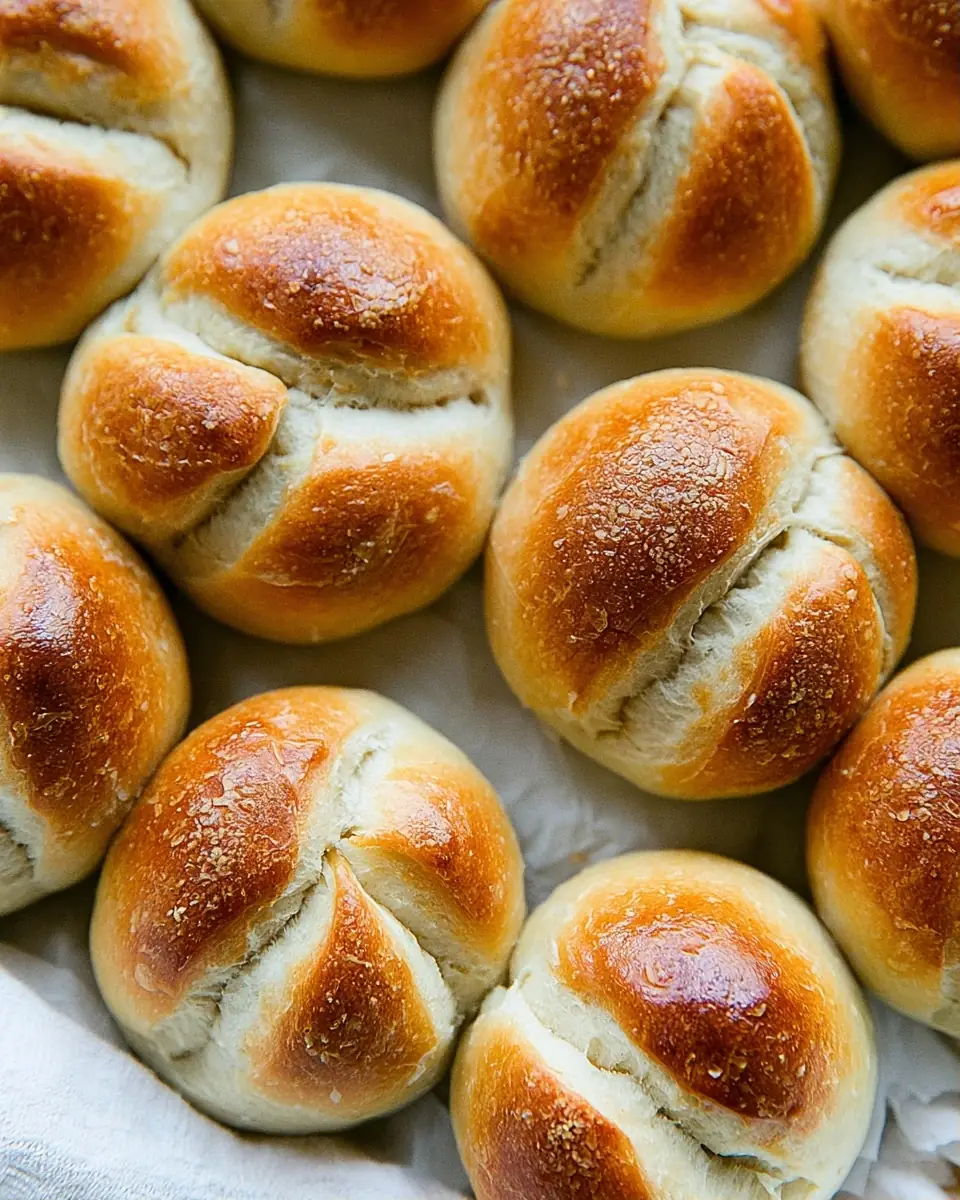
What if your homemade bread could rival the soft, chewy pull-apart rolls from your favorite French bakery—without spending hours kneading by hand or driving across town?
Most home cooks believe great French bread rolls require professional equipment, years of experience, or complicated starters. This French bread rolls recipe proves otherwise. With just basic pantry ingredients, a stand mixer (or strong hands), and 2 hours 20 minutes total time, you can create 12 perfectly golden, butter-brushed rolls that disappear faster than you can plate them.
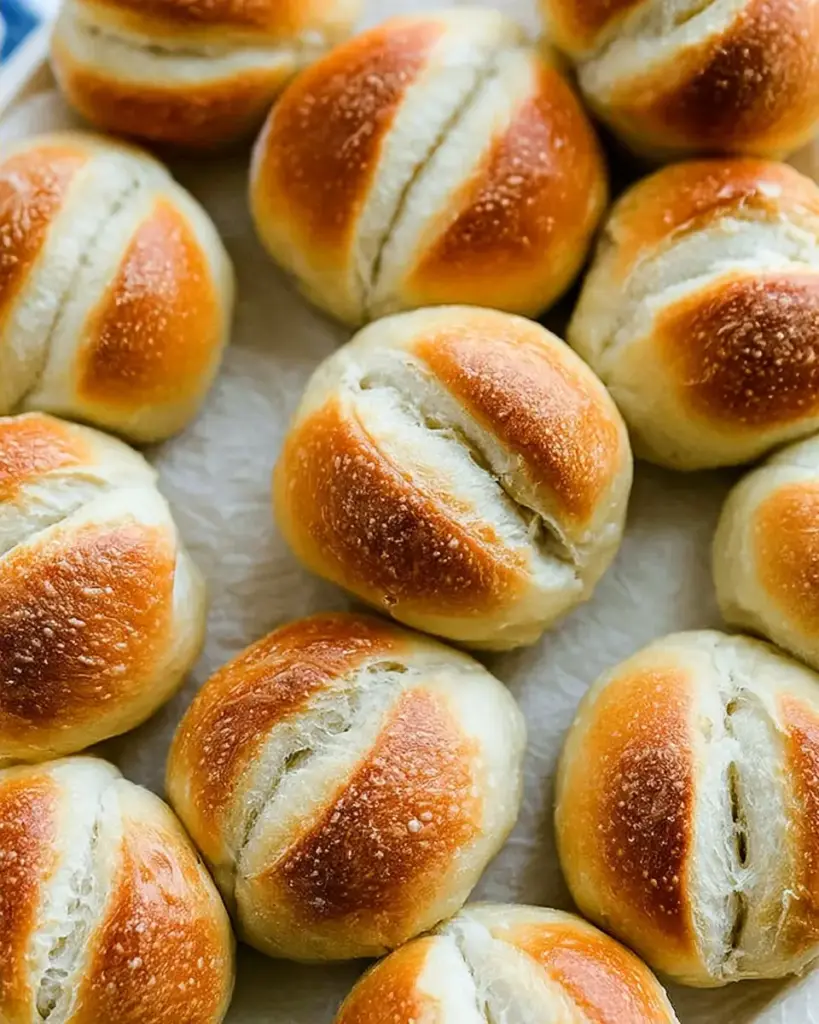
These aren’t dense, heavy dinner rolls. They deliver that signature light, airy crumb with a delicate chew and thin, crisp crust—exactly what makes French bread so addictive. Whether you’re serving them alongside weeknight soup, holiday feasts, or turning them into slider buns, this French bread rolls recipe has become my most-requested bread. It’s forgiving for beginners yet impressive enough for seasoned bakers.
In this complete guide, you’ll find the exact ingredients with smart substitutions, step-by-step instructions with pro tips, nutritional information, healthier variations, common mistakes to avoid, and storage secrets that keep them tasting bakery-fresh for days.
Ingredients List
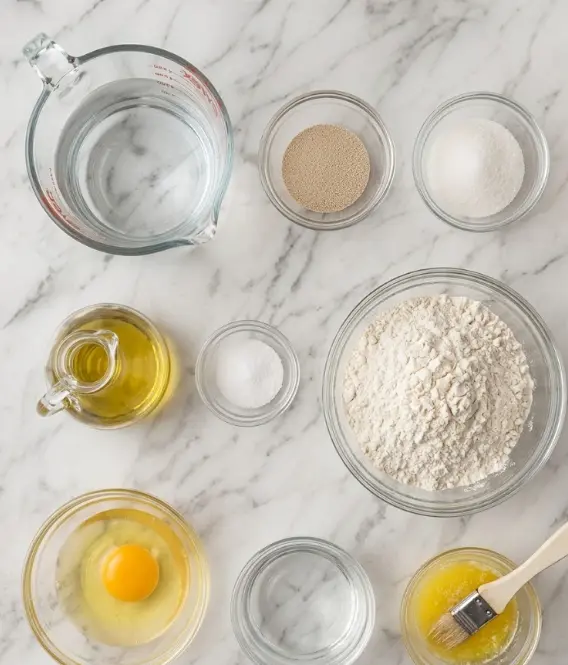
This French bread rolls recipe uses simple, high-quality ingredients that work together to create both flavor and texture. Here’s exactly what you’ll need for 12 rolls:
For the dough:
- 315 ml (1⅓ cups) warm water (around 100–110°F / 38–43°C)
- 1 packet (2¼ teaspoons / 7g) instant dry yeast
- 12g (1 tablespoon) granulated sugar
- 15 ml (1 tablespoon) olive oil (or any neutral oil)
- 9g (1½ teaspoons) salt
- 400g (approximately 3⅓ cups) all-purpose flour
For finishing:
- 1 large egg + 15 ml (1 tablespoon) water (for egg wash)
- 28g (2 tablespoons) salted butter, melted (for brushing after baking)
Smart Substitutions:
- For extra chew and structure: Replace up to half the all-purpose flour with bread flour.
- For subtle sweetness: Swap granulated sugar with honey or maple syrup (same weight).
- For heartier rolls: Substitute 100–150g of the flour with whole wheat flour (note: dough may need slightly more water).
- Vegan option: Skip the egg wash and brush with olive oil or plant-based milk before baking. Use vegan butter for finishing.
- Herb-infused variation: Add 1–2 teaspoons of dried rosemary, thyme, or Italian seasoning to the dry ingredients.
The warm water activates the yeast without killing it, while the small amount of sugar feeds the yeast for a reliable rise. Olive oil keeps the crumb tender, and the final butter brush is what takes these from good to “I need another one” territory.
Timing
Prep Time: 30 minutes
Cook Time: 18–20 minutes
Rising Time: 1 hour (first rise) + 30 minutes (second rise)
Total Time: 2 hours 20 minutes
This French bread rolls recipe is surprisingly efficient. The active work is only about 30 minutes, while the rising happens mostly hands-off. That’s roughly 20–30% faster than many traditional artisan bread recipes that require multiple long ferments or overnight refrigeration. Once you master the rhythm, you can easily fit fresh bread into busy weeknights or weekend meal prep.
Step-by-Step Instructions
Step 1: Mix and Knead the Dough
In the bowl of a stand mixer fitted with a dough hook, combine the warm water, instant yeast, sugar, olive oil, salt, and all-purpose flour. Start on low speed until the ingredients come together into a shaggy dough, then increase to medium speed. Knead for 6–8 minutes until the dough is smooth, elastic, and pulls away cleanly from the sides of the bowl.
Pro Tip: The dough should feel slightly tacky but not sticky. If it’s too wet, add flour 1 tablespoon at a time. If too dry, add water 1 teaspoon at a time. This window is where gluten development happens—don’t rush it.
Step 2: First Rise
Lightly oil a large bowl, place the dough inside, and turn it once to coat. Cover with a clean kitchen towel or plastic wrap. Let it rise in a warm spot (ideally 75–80°F / 24–27°C) until doubled in size—about 1 hour.
Personalized Tip: On cold days, place the bowl in your oven with just the light turned on. This gentle warmth creates perfect rising conditions without overheating the yeast.
Step 3: Shape the Rolls
Gently punch down the dough to release air. Turn it onto a lightly floured surface and divide into 12 equal pieces (roughly 65–70g each). Shape each piece into a tight ball by tucking the edges underneath and rolling with a cupped hand on the counter.
Place the shaped rolls on a parchment-lined baking sheet, leaving 2 inches between them. Cover and let rise for 30 minutes until puffy.
Step 4: Prepare for Baking
Preheat your oven to 400°F (200°C). Whisk together the egg and 15 ml water to create an egg wash. Gently brush the tops and sides of each roll. For a classic look, use a sharp knife or lame to score a small slash or cross on top of each roll.
Step 5: Bake with Steam for Perfect Crust
Place the rolls in the oven. For bakery-style crust and shine, add 4–5 ice cubes to a small metal pan on the bottom rack right before closing the door. The steam helps the rolls expand fully before the crust sets.
Bake 18–20 minutes until deep golden brown. The internal temperature should reach 200–205°F (93–96°C) if you have an instant-read thermometer.
Step 6: The Finishing Touch
Remove the rolls from the oven and immediately brush generously with melted salted butter. This step locks in moisture and adds irresistible flavor. Let them cool on a wire rack for 5–10 minutes before serving warm.
Actionable Trick: The butter brush isn’t just for taste—it creates that soft, slightly shiny exterior that makes these rolls so tempting.
Nutritional Information
Each roll (1/12 of recipe) contains approximately 164 calories. Here’s the full breakdown based on standard nutritional analysis of the ingredients:
- Calories: 164
- Carbohydrates: 28g
- Protein: 5g
- Fat: 3.5g
- Fiber: 1g
- Sugar: 1.5g
- Sodium: 280mg
These values make the rolls a moderate-calorie bread option compared to many commercial rolls that exceed 200 calories with added preservatives. The protein comes primarily from the flour and egg wash, while the olive oil and butter contribute heart-healthy fats and flavor. One roll provides a good source of complex carbohydrates for sustained energy—perfect alongside soups, salads, or protein-rich mains.
Healthier Alternatives for the Recipe
This French bread rolls recipe adapts beautifully to different dietary needs without sacrificing taste:
- Whole Grain Version: Replace 150g of all-purpose flour with white whole wheat flour. Add 1–2 extra tablespoons of water if the dough feels dry. You’ll gain fiber and nutrients while maintaining a soft texture.
- Lower-Calorie Option: Reduce the finishing butter to 1 tablespoon total or use a light spray of olive oil. Skip the sugar entirely or replace with a touch of stevia for yeast activation.
- High-Protein Boost: Add 2 tablespoons of vital wheat gluten to the dry ingredients and consider mixing in 30g of nonfat dry milk powder.
- Gluten-Free Adaptation: While not traditional, a high-quality 1:1 gluten-free flour blend plus 1 teaspoon of xanthan gum can work. Expect a denser result and shorter rise times.
- Mediterranean Twist: Incorporate chopped olives, sun-dried tomatoes, or fresh rosemary. Use extra virgin olive oil for richer flavor and anti-inflammatory benefits.
These modifications keep the soul of the French bread rolls while aligning with various health goals—from increased fiber to reduced saturated fat.
Serving Suggestions
Serve these French bread rolls warm for maximum enjoyment. Here are crowd-pleasing ideas:
- Brush with garlic butter and pair with pasta or lasagna.
- Slice for elegant sliders—try pulled pork, caprese, or roast beef with horseradish.
- Serve alongside French onion soup, beef stew, or creamy tomato bisque for dipping.
- Create a bread basket with herbed butter, honey, and flaky sea salt for dinner parties.
- Use leftovers for breakfast sandwiches or homemade croutons.
Personal Tip: For special occasions, sprinkle everything bagel seasoning on top before baking or serve with a small dish of good olive oil and balsamic for tearing and dipping.
Common Mistakes to Avoid
Even simple recipes have pitfalls. Here’s what to watch for in this French bread rolls recipe:
- Water Temperature: Water that’s too hot (above 115°F) kills yeast. Too cold slows rising dramatically. Use a thermometer or test on your wrist—it should feel comfortably warm.
- Under-kneading: Dough that isn’t kneaded long enough won’t develop enough gluten, resulting in dense, flat rolls. The 6–8 minute mark in a stand mixer is non-negotiable for best texture.
- Skipping Steam: Baking without steam produces a thick, tough crust instead of the delicate chew French bread is known for. The ice cube trick makes a noticeable difference.
- Over-proofing: Letting the second rise go too long can cause rolls to collapse in the oven. They should look puffy but not doubled during the 30-minute rest.
- Crowding the Pan: Placing rolls too close prevents even browning and airflow. Give them room to grow.
Avoiding these mistakes consistently delivers professional results.
Storing Tips for the Recipe
Fresh is best, but these rolls store beautifully:
- Room Temperature: Keep in an airtight bag or container for up to 2 days. Refresh in a 300°F oven for 5 minutes to restore crust and warmth.
- Freezer: Cool completely, place in a freezer bag, and freeze up to 3 months. Thaw at room temperature, then reheat in a 350°F oven for 8–10 minutes. Brush with a little extra butter after reheating.
- Make-Ahead Dough: After the first rise, shape the rolls, freeze on a tray until solid, then transfer to a bag. Thaw overnight in the refrigerator, let rise 30–45 minutes at room temperature, then bake as directed.
Proper storage maintains both flavor and that signature soft-chewy texture.
Conclusion
This easy French bread rolls recipe delivers soft, chewy, bakery-quality rolls in just 2 hours 20 minutes using simple ingredients and straightforward steps. From the reliable yeast rise to the butter-brushed finish, every detail creates rolls that elevate everyday meals into something special.
Ready to bake? Try this French bread rolls recipe this week and let us know how they turned out! Drop your results, photos, or tweaks in the comments below. Don’t forget to subscribe to the blog for more foolproof bread recipes, seasonal baking guides, and kitchen tips delivered straight to your inbox.
FAQs
Can I make these French bread rolls without a stand mixer?
Absolutely. Knead by hand on a floured surface for 8–10 minutes until smooth and elastic. It takes a bit more effort but produces identical results.
Why add ice cubes to the oven?
The steam keeps the surface of the dough flexible longer, allowing maximum oven spring and creating the signature thin, crisp-yet-chewy crust of great French bread.
Can I use active dry yeast instead of instant?
Yes. Proof active dry yeast in the warm water with the sugar for 5–10 minutes until foamy before adding other ingredients. The rise times remain similar.
How do I know when the rolls are fully baked?
They should be deep golden brown on top and sound hollow when tapped on the bottom. An internal temperature of 200–205°F guarantees they’re perfectly cooked.
Can I double this French bread rolls recipe?
Definitely. Double all ingredients and use a large enough mixer bowl. You may need to add 1–2 extra minutes of kneading time. Bake in two batches or on two sheets.
What’s the best flour for this recipe?
All-purpose flour delivers excellent results with a tender crumb. Bread flour creates slightly chewier rolls with more structure—both work beautifully.

French Bread Rolls
Ingredients
Equipment
Method
- In a stand mixer bowl, combine warm water, instant dry yeast, granulated sugar, olive oil, salt, and all-purpose flour. Knead on low speed until combined, then increase to medium and knead until a smooth dough forms, about 6-8 minutes.
- Place the dough in an oiled bowl, cover, and let rise in a warm place until doubled in size, about 1 hour.
- Punch down the dough, divide it into 12 pieces, shape into rolls, and place on a parchment-lined baking sheet. Cover and let rise for 30 minutes.
- Preheat the oven to 400°F (200°C). Mix egg and water for an egg wash and brush over the rolls. Optionally score the tops of the rolls.
- Bake for 18-20 minutes, adding ice cubes to the oven for steam. Remove and brush with melted butter before serving.