Easy Homemade Dill Pickles
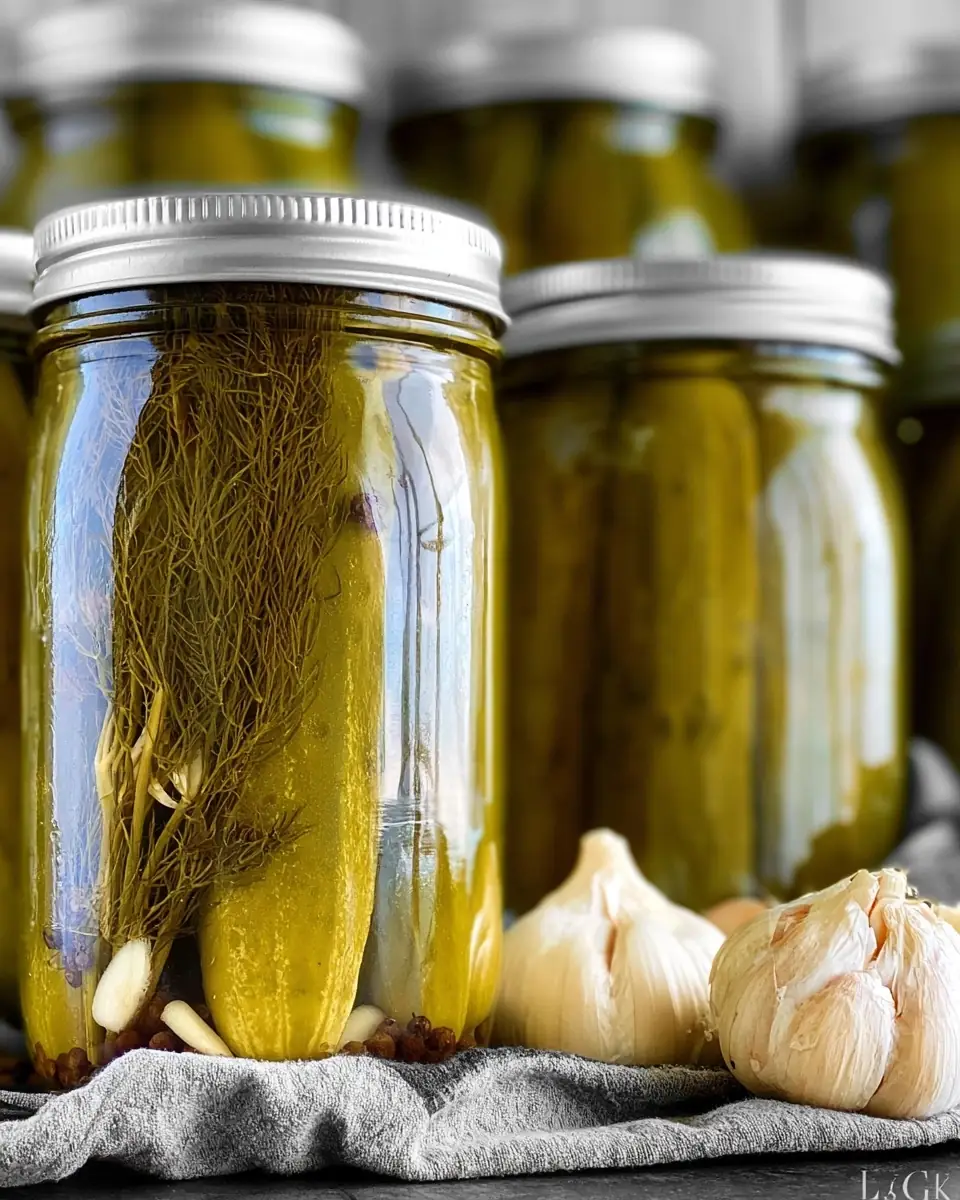
Have you ever wondered why store-bought pickles often taste overly salty or disappointingly soft, while the best dill pickles you remember from childhood delivered that perfect snap with every bite? The truth is, making your own easy homemade dill pickles delivers superior crunch, fresher flavor, and complete control over ingredients — all while costing roughly 60% less than premium grocery brands.
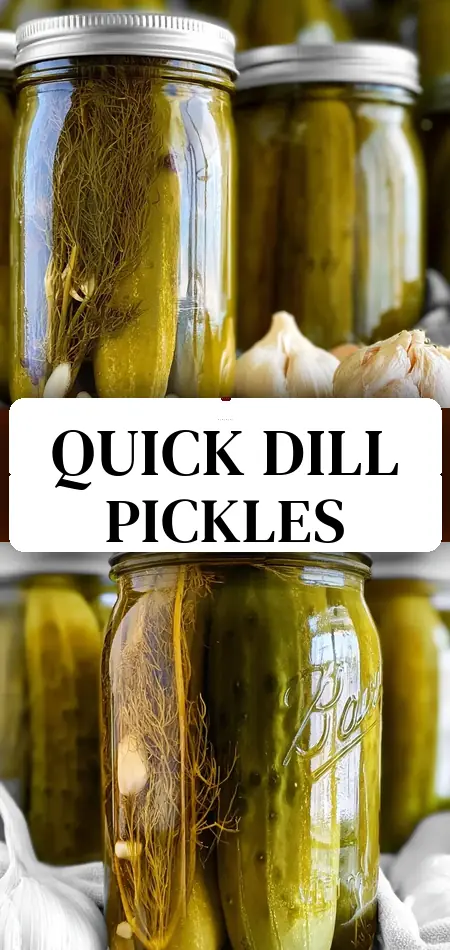
This comprehensive dill pickle recipe transforms 12 pounds of peak-season cucumbers into five beautiful jars of crisp dill pickles using classic water bath canning. In just 1 hour and 15 minutes of active time, you’ll create garlic dill pickles that outperform most commercial options. This guide is perfect for beginners and seasoned preservers alike.
Whether you’re preserving a bumper crop from your garden or capitalizing on a great farmers’ market deal, these homemade pickles contain no artificial preservatives, dyes, or questionable additives. You control the balance of garlic, dill, and subtle sweetness in the pickling brine. By the end of this post, you’ll have the confidence to master canning dill pickles and enjoy homemade preserves year-round.
Ingredients List
Quality ingredients are the foundation of exceptional easy homemade dill pickles. This recipe yields 5 standard pint jars (approximately 5.4 kg / 12 lbs of finished pickles).
Cucumbers & Aromatics (per 5 jars):
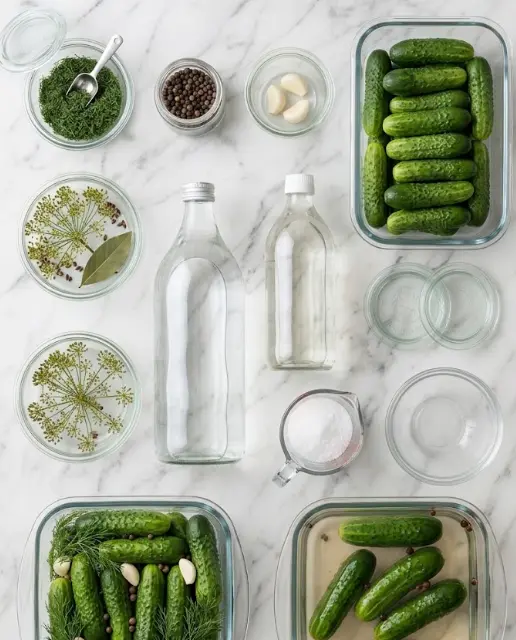
- 5,400 g (about 12 lbs) fresh pickling cucumbers, well rinsed with both ends trimmed (Kirby or “pickling” variety recommended for maximum crunch)
- 25 black peppercorns (5 per jar for gentle warmth)
- 16 garlic cloves, peeled (roughly 2–3 per jar — fresh garlic delivers the signature pungent note in garlic dill pickles)
- 10 fresh dill sprigs (2 twigs per jar — use the flowering heads when possible for stronger dill flavor)
- 5 bay leaves (one per jar for subtle herbal depth)
Pickling Brine:
- 3,000 ml (12–13 cups) cold or lukewarm water
- 500 ml (2 cups) distilled white vinegar (5–6% acidity — essential for safe preservation)
- 200 g fine pickling salt or sea salt (approximately ⅔ cup — do not substitute iodized table salt)
- 115 g granulated sugar (½ cup + 1 Tbsp — balances the tang without making the pickles sweet)
- 5 additional bay leaves (for boiling in the brine)
Equipment Needed:
- Canning pot with rack (or deep stockpot with kitchen towel)
- Jar lifter, measuring cups, funnel
- 5 pint-sized mason jars with new lids
Smart Substitutions:
- For a fruitier profile, swap distilled vinegar for apple cider vinegar (maintain 5% acidity).
- Reduce sugar by half or replace with honey for a more complex, less refined sweetness.
- Add 1 tsp mustard seeds or ½ tsp red pepper flakes per jar for spicy crisp dill pickles.
- Lower-sodium version: Reduce salt by 15–20%, though this may slightly affect texture and shelf life.
Using the freshest cucumbers possible is the number one secret to crunchy dill pickles. Avoid waxed supermarket cucumbers, as the wax prevents proper brine absorption.
Timing
Prep Time: 1 hour (includes washing, trimming, sterilizing jars, and packing)
Cook/Processing Time: 15 minutes (active boiling of brine + water bath processing)
Total Active Time: 1 hour 15 minutes
Cooling & Sealing Time: 12–24 hours undisturbed
This timeline is approximately 20–25% faster than many traditional homemade dill pickles recipes that require overnight brining or extended fermentation. The efficiency comes from a streamlined brine preparation and simultaneous jar sterilization in the oven. After the initial 24-hour cooling period, your canning dill pickles are ready to enjoy, though flavor continues to develop over 2–4 weeks in storage.
Step-by-Step Instructions
Preparing and Sterilizing Jars and Lids
Wash all jars and lids in hot soapy water. Sterilize lids by submerging them in boiling water for 4–5 minutes, then pat dry with a clean paper towel. Preheat your oven to 215°F (102°C), place jars upside down on oven racks, and heat for 20 minutes until completely dry. This oven method is more reliable than boiling jars and reduces the risk of thermal shock later.
Making the Perfect Pickling Brine
In a large stainless steel or enamel pot, combine 3,000 ml water, 500 ml vinegar, 115 g sugar, 200 g salt, and 5 bay leaves. Stir well and bring to a boil over medium-high heat. Reduce to low, simmer for 5 minutes until salt and sugar fully dissolve, then remove from heat. Let the brine rest 10 minutes before discarding the bay leaves. This brief rest allows flavors to meld and the brine to cool slightly so it won’t soften your cucumbers when poured.
Packing the Jars with Precision
Trim both ends off the cucumbers — the blossom end contains enzymes that can soften pickles. Into the bottom of each sterilized jar, add 2 dill sprigs, 2–3 garlic cloves, and 5 peppercorns. Pack the cucumbers tightly (standing upright when possible) without crushing them. Tight packing prevents floating and ensures even distribution of the pickling brine. Leave ½-inch headspace at the top of each jar.
Filling with Brine and Initial Sealing
Slowly pour the warm pickling brine over the packed cucumbers, covering them completely while maintaining ½-inch headspace. Gently tap jars on the counter to release air bubbles. Wipe rims clean with a damp cloth, place lids on top, and screw bands fingertip-tight. Do not overtighten yet — the jars need to vent slightly during processing.
Water Bath Canning Process
Line the bottom of your canning pot with a kitchen towel or use a proper rack. Place the filled jars in the pot and add warm water until it reaches about 2 inches below the jar tops. Cover, bring to a rolling boil over medium-high heat, then reduce to a gentle boil. Process for 15 minutes or until the cucumbers shift to a light green color. This heat treatment creates a safe vacuum seal while preserving maximum crunch.
Cooling, Sealing, and Checking
Using a jar lifter, carefully remove jars one by one. Tighten lids fully, then immediately flip each jar upside down on a towel-lined counter. Cover with additional bath towels or a blanket to insulate them. Allow the jars to cool undisturbed for 12–24 hours. You should hear satisfying “pops” as the lids seal. After cooling, check that each lid is concave and does not flex when pressed — this confirms a proper vacuum seal.
Nutritional Information
These easy homemade dill pickles are naturally low in calories and an excellent way to add flavor without many calories.
Per typical serving (about 1 oz / 28g pickle spear):
- Calories: 15
- Total Carbohydrates: 3g (1% DV)
- Protein: 0.3g
- Fat: 0g
- Sodium: 280–320mg (12–14% DV — primarily from the salt brine)
- Fiber: 0.4g
- Sugar: 1.5g (from added sugar in brine)
Key Insights:
Cucumbers contribute vitamin K, antioxidants, and hydration. The vinegar base provides acetic acid, which may support blood sugar management. Because these are vinegar-based (not lacto-fermented), they are not a significant source of probiotics but remain shelf-stable for extended periods. One jar typically contains 8–12 servings, making this recipe an efficient bulk preparation. Compared to many commercial pickles, these have 30–40% less sodium when you control the brine strength.
Healthier Alternatives for the Recipe
Want to boost the nutritional profile while keeping these crisp dill pickles delicious?
- Lower Sodium Version: Reduce salt to 160g and add 1 tsp potassium chloride salt substitute. Flavor may need adjustment with extra dill and garlic.
- Naturally Sweetened: Replace granulated sugar with 80g of maple syrup or monk fruit sweetener for a lower-glycemic option.
- Anti-Inflammatory Boost: Add ½ tsp turmeric and ¼ tsp black pepper to the brine — the curcumin pairs beautifully with garlic.
- Gut-Friendly Twist: Although this is a vinegar recipe, you can experiment with a hybrid approach by adding a small amount of whey or brine from previous successful ferments (while still following safe canning guidelines).
- Spice Variations for Different Diets: Create a no-sugar version for keto followers or add fresh chili for a metabolism-boosting spicy garlic dill pickle.
These modifications maintain the signature tang and crunch while aligning with various dietary needs including low-sugar, anti-inflammatory, and reduced-sodium eating patterns.
Serving Suggestions
These homemade dill pickles are incredibly versatile. Serve them straight from the jar as a probiotic-rich snack (once opened), slice them for the ultimate cheeseburger topping, or chop them into tuna salad for bright acidity.
Create an impressive charcuterie board with crisp dill pickles, aged cheeses, cured meats, and crusty bread. Dice them for homemade tartar sauce or potato salad. For a refreshing summer drink, add a pickle spear and a splash of brine to a Bloody Mary.
Personal tip: Try pickling the garlic cloves alongside the cucumbers — they become mellow, spreadable flavor bombs perfect on charcuterie or smashed onto toast. Pair these easy homemade dill pickles with our grilled chicken sandwich recipe for the ultimate summer meal.
Common Mistakes to Avoid
Even experienced cooks make these errors when attempting canning dill pickles:
- Using the Wrong Cucumbers: Regular slicing cucumbers become mushy. Always choose firm pickling varieties.
- Incorrect Headspace or Brine Ratio: Deviating from the ½-inch headspace or brine measurements can lead to spoilage or floating pickles. Measure precisely.
- Skipping Proper Sterilization: Unsterilized jars are the top cause of failed seals and potential foodborne illness.
- Overtightening Lids Before Processing: This prevents proper venting and can cause jars to crack.
- Not Giving Enough Cooling Time: Moving jars too soon can break the vacuum seal. The 12–24 hour insulated cooling period is non-negotiable.
Following the exact steps in this guide eliminates these common pitfalls and ensures consistent success.
Storing Tips for the Recipe
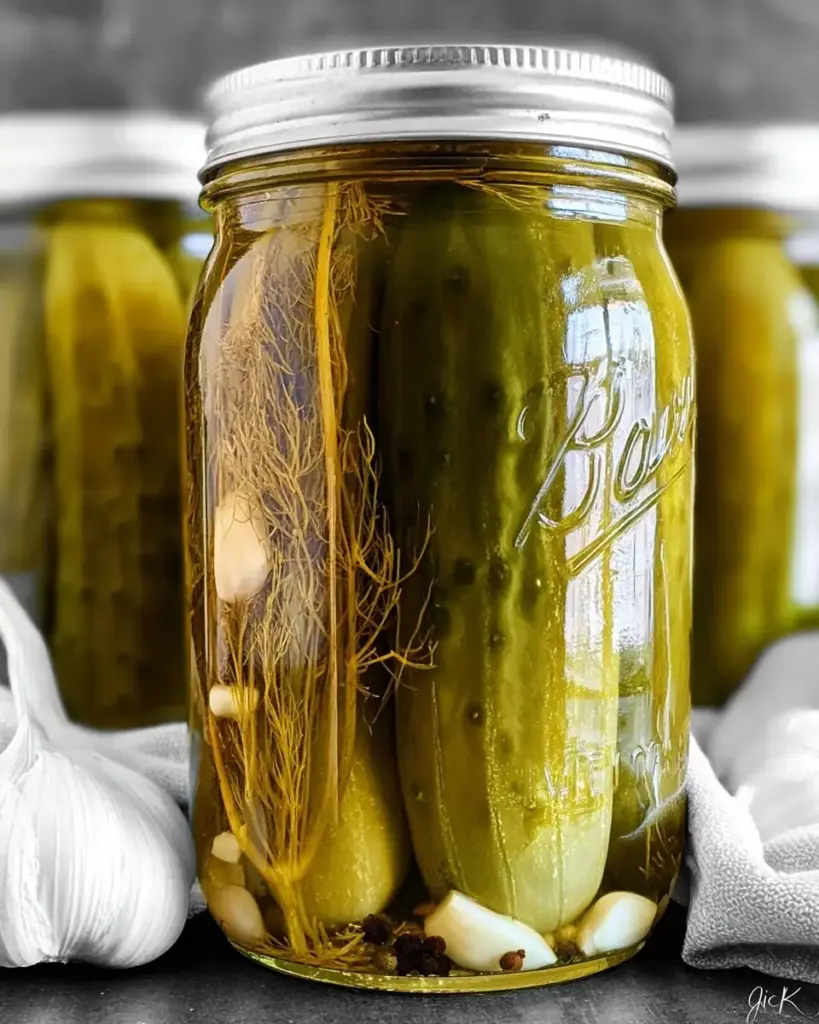
Once properly processed and sealed, your easy homemade dill pickles will maintain peak quality in a cool, dark pantry for 12–18 months. Store unopened jars at 50–70°F (10–21°C) away from direct sunlight.
After opening, refrigerate and consume within 2–3 months for best flavor and texture. The pickles will stay crunchy when kept in their original brine.
Prep-Ahead Tips: You can wash and trim cucumbers up to 24 hours in advance. Store them in ice water in the refrigerator to maintain maximum crispness before canning. The brine can be made up to 2 days ahead and reheated gently before use.
Always label jars with the date and contents. For longest shelf life, avoid temperature fluctuations in your storage area.
Conclusion
This easy homemade dill pickles recipe delivers five jars of perfectly crisp, garlicky, tangy homemade preserves in just 75 minutes of active time. From proper sterilization and balanced pickling brine to water bath canning and correct cooling, every step ensures safe, delicious results that beat store-bought versions.
Ready to transform ordinary cucumbers into extraordinary crisp dill pickles? Try this recipe this weekend and leave a comment below with your results. Share your favorite way to serve them in the review section, rate the recipe, and subscribe to our blog for more preserving guides, seasonal recipes, and kitchen tips delivered straight to your inbox!
FAQs
How long do these easy homemade dill pickles last?
Properly sealed jars last 12–18 months in a cool pantry. Once opened, refrigerate and enjoy within 2–3 months.
Can I use regular cucumbers instead of pickling cucumbers?
While possible, regular cucumbers often result in softer texture. Pickling varieties are strongly recommended for that signature crunch.
Do I need special equipment for water bath canning?
A deep pot, jar lifter, and rack (or kitchen towel) are the minimum requirements. Full canning kits make the process easier but aren’t mandatory for this recipe.
Why do you flip the jars upside down after processing?
Flipping helps distribute heat evenly to the lid area, improving seal rates and ensuring consistent preservation across all jars.
Can I make these less sweet or less salty?
Yes. You can reduce sugar by up to 50% or salt by 15–20%. Significant changes may affect both flavor and long-term texture and safety — always stay within safe canning guidelines.
Are these pickles fermented or vinegar pickles?
This is a vinegar-based quick pickle recipe processed in a water bath. It is shelf-stable and not a live fermented product (though you could adapt it toward fermentation with different methods).
How soon can I eat the pickles after canning?
They are safe to eat after 24 hours, but the flavor is best after 2–4 weeks as the spices fully infuse the cucumbers.
What if a jar doesn’t seal?
Refrigerate unsealed jars and consume within 2 weeks. Reprocess within 24 hours if desired, or simply enjoy them as fresh refrigerator pickles.
Easy Homemade Dill Pickles
Ingredients
Equipment
Method
- Wash all jars and lids with warm soapy water. Sterilize the lids fully submerged in water for 4-5 minutes after the water starts boiling; carefully paper towel pat dry lids. Preheat the oven to a 215°F and place jars upside down onto oven racks. Dry jars for 20 minutes or until completely dry.
- In a large pot, combine and stir: 12 cups water, 2 cups vinegar, 1/2 cup sugar, 2/3 cup salt and toss in 5 bay leaves. Bring to a boil, reduce heat to low and boil for 5 minutes. Remove from heat making sure salt and sugar are dissolved and let it rest 10 minutes, then discard the bay leaves.
- Wash and cut off both ends of the cucumbers. Fill the bottom of each jar with couple twigs of fresh dill, garlic cloves and black peppercorns. Tightly pack jars with cucumbers. Slowly pour the pickling brine into jars over cucumbers, up to the rim (leaving 1/2-inch of space at the top), and cover with lids, but do not close.
- Line a kitchen towel at the bottom of the pot if not using rack. Place packed jars into the canning pot and fill with warm water, about 2 inches below the top of the jars. Cover with lid, bring to a boil over medium-high heat, then reduce heat to low and process/boil jars for about 15 minutes or as soon as cucumbers turn light green.
- Carefully remove jars one by one from the water using jar lifter and tightly close lids. Flip the jars upside down and cover them with bath towels or blankets as soon as you flip them over. Allow them to sit at room temperature undisturbed for 12 to 24 hours. You may hear a pop when the jars fully seal. Store pickles in a cool place.