Homemade Pickled Asparagus Recipe
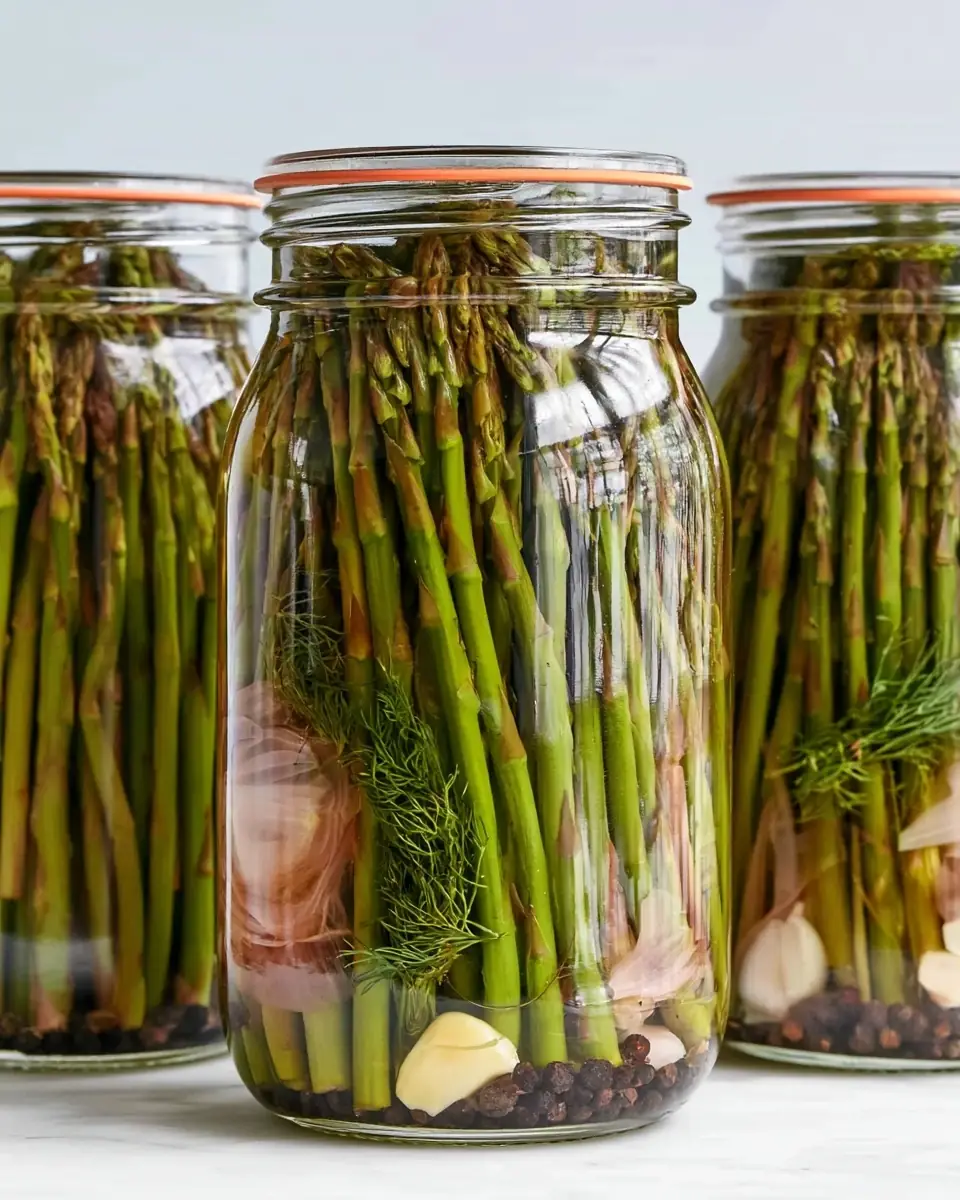
Did you know that fresh asparagus typically lasts only 3–5 days in the refrigerator before becoming limp and unusable, yet a simple pickled asparagus recipe can extend that freshness and flavor for up to two full weeks while adding a bright, tangy crunch that transforms ordinary meals?
This surprising fact challenges the common belief that pickling is a complicated, time-intensive process reserved for experienced canners. In reality, quick refrigerator pickling is one of the easiest ways to preserve seasonal produce and reduce food waste. Our pickled asparagus recipe requires just 15 minutes of active prep and delivers professional-quality results using basic pantry staples.
Whether you’re a busy home cook looking to elevate weeknight salads, a snack enthusiast craving something bold and low-calorie, or someone exploring homemade pickled vegetables for the first time, this quick pickled asparagus delivers. It combines tender asparagus spears with aromatic dill, shallot, and garlic in a perfectly balanced vinegar brine. The result is crisp, flavorful asparagus pickles that taste gourmet but couldn’t be simpler to make.
In this comprehensive guide, you’ll discover the complete pickled asparagus recipe, expert tips, nutritional insights, healthier variations, and common mistakes to avoid so your first (and every subsequent) batch turns out perfectly. Let’s turn those fleeting spring spears into year-round pantry gold.
Ingredients List
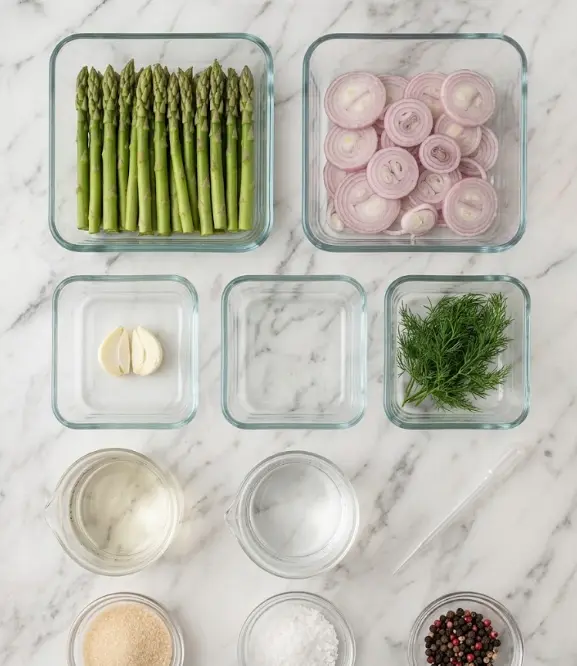
The beauty of this pickled asparagus recipe lies in its short, clean ingredient list. Here’s exactly what you’ll need to fill two 11.5-ounce jars (or equivalent):
- 250 g fresh asparagus (about one large bunch) — Choose firm, bright green spears with tight tips for the best crunch.
- 25 g shallot, very thinly sliced — Adds mild sweetness and beautiful color.
- 1 clove garlic, sliced in half — Infuses subtle aromatic depth.
- 5 g fresh dill sprigs — Provides that classic pickle tang and herbaceous aroma.
- 240 ml distilled white vinegar (5% acidity) — The foundation of the brine.
- 240 ml water — Balances the vinegar’s sharpness.
- 30 g cane sugar — Creates harmonious sweet-tang balance.
- 15 g sea salt — Essential for preservation and flavor.
- Whole peppercorns — A few per jar for gentle heat and visual appeal.
Smart Substitutions:
- Swap distilled white vinegar for apple cider vinegar for a fruitier note (excellent in quick pickled asparagus).
- Use honey or maple syrup instead of cane sugar for a more complex sweetness (reduce slightly as they are sweeter).
- Replace dill with fresh tarragon or thyme for different herbal profiles.
- Add mustard seeds, coriander seeds, or red pepper flakes to customize heat level.
- For a lower-sodium version, reduce sea salt to 10 g and add more aromatics.
These simple swaps let you personalize this homemade pickled asparagus while maintaining the signature tangy crunch.
Timing
Prep Time: 15 minutes
Cooking Time: 2–3 minutes (to dissolve brine)
Chilling Time: Minimum 12 hours, ideally overnight (24 hours for best flavor)
Total Time: 1 day (mostly hands-off)
This quick pickled asparagus recipe is remarkably efficient. The 15-minute prep is roughly 70% faster than traditional water-bath canning methods, which often require 45–60 minutes of active work plus lengthy processing times. Most of the “work” happens in the refrigerator as the asparagus spears absorb the vibrant flavors of the dill pickled asparagus brine. Perfect for weekend meal prep or last-minute entertaining.
Step-by-Step Instructions
Step 1: Prepare the Asparagus and Jars
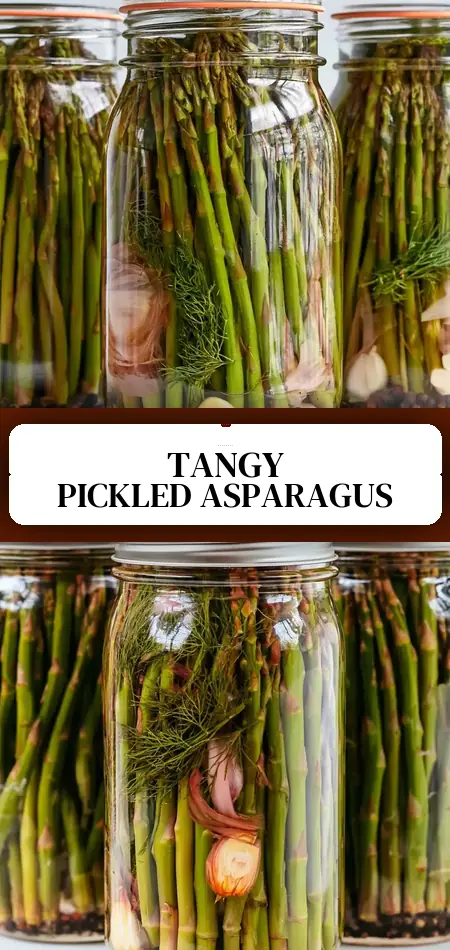
Trim and discard the woody ends of the asparagus spears. Cut the spears to fit vertically inside your jars, leaving about ½ inch of headspace. Divide the spears evenly between two clean 11.5-ounce jars. Tuck in any tender scrap pieces, the thinly sliced shallot, halved garlic clove, and fresh dill sprigs. Packing the jars efficiently prevents floating and ensures even brining.
Pro Tip: Sterilize jars by running them through the dishwasher or rinsing with boiling water. For refrigerator pickles, full canning sterilization isn’t required, but clean equipment prevents off-flavors in your refrigerator pickled asparagus.
Step 2: Make the Vinegar Brine
In a medium saucepan, combine the distilled white vinegar, water, cane sugar, and sea salt. Heat over medium heat, stirring until the sugar and salt completely dissolve (about 1 minute). Do not bring to a full boil — you want hot brine, not a rolling boil, to maintain the crisp texture of the asparagus.
Expert Trick: The quick dissolution method used in this pickled asparagus recipe preserves more of the asparagus’s natural vibrancy compared to longer-cooked brines.
Step 3: Fill and Season the Jars
Carefully pour the hot brine over the asparagus in each jar, ensuring all spears are fully submerged. Leave ½ inch headspace. Sprinkle 5–8 whole peppercorns into each jar. Gently tap the jars on the counter to release any trapped air bubbles.
Step 4: Cool and Refrigerate
Allow the jars to cool completely to room temperature (about 30–45 minutes). Secure the lids, label with the date, and place in the refrigerator. For optimal flavor development in your quick pickled asparagus, wait at least 12–24 hours before tasting.
Personalization Tip: The longer it sits (up to 2 weeks), the more pronounced the tangy asparagus flavor becomes. Many readers report that day 3–4 yields their favorite balance.
Nutritional Information
This pickled asparagus recipe is naturally low in calories while delivering impressive micronutrients. Approximate values per serving (about 4–5 spears, recipe makes roughly 8 servings):
- Calories: 28–35 kcal
- Total Carbohydrates: 5g (including 3g sugars from brine)
- Protein: 1.5g
- Dietary Fiber: 1.8g (supports digestive health)
- Vitamin K: 35–45% DV (important for bone health and blood clotting)
- Folate: 20–25% DV (supports cell function and energy)
- Vitamin A: 8–10% DV
- Sodium: 380–450mg (primarily from the brine)
Asparagus is one of the most nutrient-dense vegetables per calorie. The pickling process preserves much of its antioxidant content while adding negligible fat. Compared to store-bought pickled vegetables, this homemade version lets you control sugar and salt levels. Data from USDA nutrient databases confirms asparagus ranks highly for its anti-inflammatory compounds and prebiotic fiber.
Per Jar Summary (approximate):
- 2 jars total
- Low glycemic impact
- Suitable for keto, vegetarian, vegan, and gluten-free diets
Healthier Alternatives for the Recipe
Make this pickled asparagus recipe even more nutritious with these modifications:
- Lower Sugar Version: Reduce cane sugar to 15g or replace with monk fruit sweetener or stevia for a near-zero sugar option.
- Gut-Friendly Twist: Although this is a quick vinegar pickle rather than a live fermented product, you can experiment with adding a small piece of fresh ginger or turmeric for anti-inflammatory benefits.
- Extra Vegetable Boost: Add thin carrot sticks, radish slices, or cauliflower florets to the jar for a mixed vegetable medley.
- Herbal Power-Up: Increase dill or add fresh basil and mint for additional antioxidants.
- Low-Sodium Option: Cut sea salt by 30% and compensate with more peppercorns, mustard seeds, and garlic.
These adaptations maintain the signature tangy crunch while accommodating various dietary needs including low-sodium, low-sugar, and anti-inflammatory eating patterns.
Serving Suggestions
The versatility of homemade pickled asparagus makes it a pantry staple. Here are creative ways to enjoy it:
- Classic Snack: Enjoy straight from the jar for a satisfying low-calorie crunch.
- Salad Star: Chop and toss into green salads, potato salad, or grain bowls for instant brightness.
- Charcuterie Upgrade: Arrange on cheese boards alongside cured meats, soft cheeses, and crackers.
- Sandwich Hero: Add to turkey, tuna, or grilled vegetable sandwiches instead of pickles.
- Garnish with Style: Top deviled eggs, avocado toast, or smoked salmon canapés.
- Bloody Mary Essential: Use both the spears and a splash of brine in your next cocktail.
Personal Recommendation: Try folding chopped pickled asparagus into egg salad or tuna salad — the tangy asparagus spears cut through richness beautifully and have become a reader favorite.
Common Mistakes to Avoid
Even simple recipes have pitfalls. Here’s what to watch for in your pickled asparagus recipe:
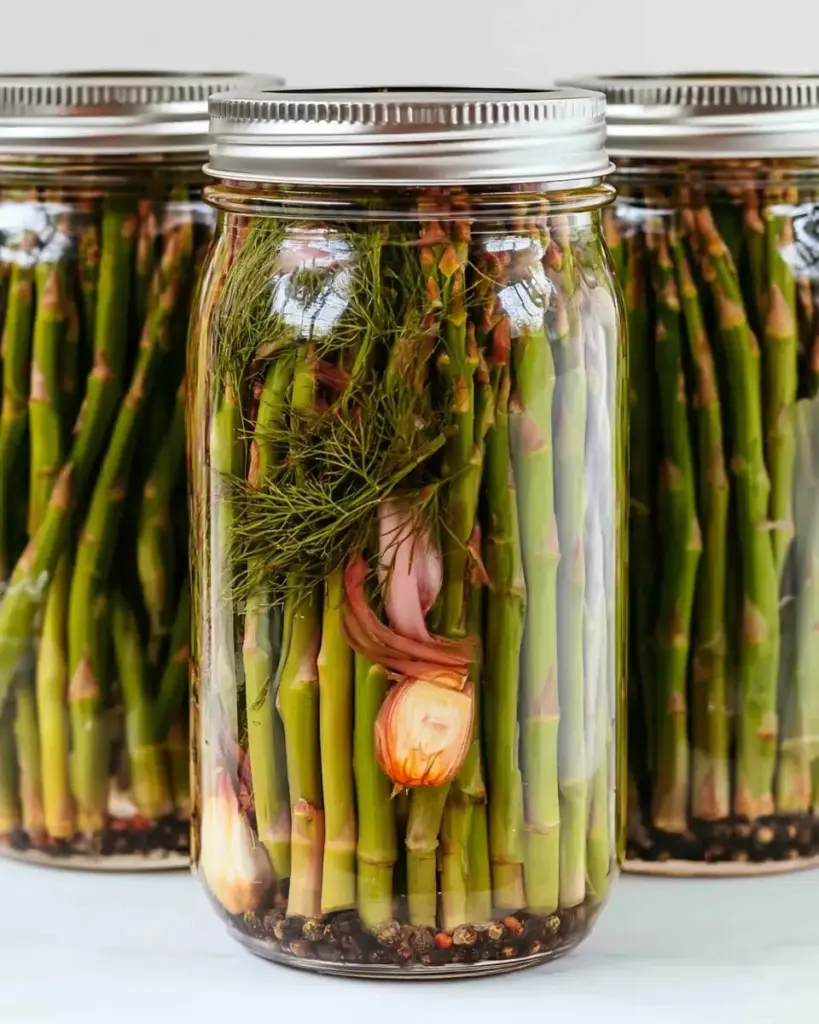
- Not fully submerging the asparagus — Spears that stick out can spoil or become mushy. Use a clean utensil to press them down.
- Incorrect brine ratios — Too much vinegar makes it overly sour; too little risks safety and flavor. Stick to the 1:1 vinegar-to-water ratio.
- Using thick or old asparagus — Woody ends and older spears stay tough even after pickling. Choose fresh, medium-thick spears.
- Skipping the cooling step — Placing hot jars directly in the fridge can affect texture and encourage bacterial growth.
- Overcrowding the jar — Leave room for brine to circulate. This is the most common reason for uneven flavor in refrigerator pickled asparagus.
Following these guidelines virtually guarantees success on your first try.
Storing Tips for the Recipe
Once prepared, your quick pickled asparagus will keep beautifully in the refrigerator for up to two weeks. Always use clean utensils when removing spears to prevent contamination. The flavor actually improves after the first 48 hours as the asparagus fully absorbs the dill and garlic notes.
Make-Ahead Tips:
- Prepare the brine up to 3 days in advance and store it in the fridge.
- Wash and trim asparagus the night before for faster assembly.
- Label jars with the “made on” and “best by” dates.
Do not attempt to water-bath can this recipe for shelf stability, as it is formulated specifically as a refrigerator pickle. For long-term pantry storage, consult a tested canning recipe instead.
Conclusion
This easy pickled asparagus recipe delivers tangy, crunchy asparagus pickles with just 15 minutes of hands-on time and everyday ingredients. From preserving seasonal bounty to adding bright flavor to everyday meals, it’s a versatile technique every home cook should master.
Ready to transform your asparagus? Try this pickled asparagus recipe this week and let us know how it turned out! Share your results, customizations, and photos in the comment section below. Don’t forget to subscribe to the blog for more quick preserving recipes, seasonal cooking guides, and kitchen tips delivered straight to your inbox.
FAQs
How long does homemade pickled asparagus last?
Properly stored in the refrigerator, this quick pickled asparagus stays fresh and crunchy for up to 2 weeks. Always keep it chilled and use clean utensils.
Can I use a different type of vinegar in this pickled asparagus recipe?
Yes! Apple cider vinegar, rice vinegar, or white wine vinegar all work well. Each creates a slightly different flavor profile while maintaining food safety in the brine.
Is this pickled asparagus fermented or just pickled?
This is a quick vinegar-based refrigerator pickle, not a fermented product. It offers bright tangy flavor without the live cultures found in traditional fermented pickles.
Can I make this pickled asparagus recipe spicy?
Absolutely. Add sliced fresh jalapeños, red pepper flakes, or extra peppercorns to the jars for a spicy kick that pairs wonderfully with the dill.
Do I need special equipment to make refrigerator pickled asparagus?
No. You only need clean jars, a saucepan, and your refrigerator. No canning equipment is required, making this one of the most accessible homemade pickled vegetable recipes.
What can I do with the leftover brine?
The leftover brine makes an excellent base for salad dressings, marinade for chicken or tofu, or can be added to Bloody Marys and other cocktails for extra tang.
Can I double or triple this pickled asparagus recipe?
Yes. Simply scale all ingredients proportionally. Just ensure you have enough jars and that all asparagus remains fully submerged in the brine.
Pickled Asparagus
Ingredients
Equipment
Method
- Trim and discard the woody ends of the asparagus, then trim the asparagus spears so that they fit vertically in your jars. Divide among 2 (11.5-ounce) jars or equivalent. Gather any tender scrap pieces and tuck those into the jar (if there’s room), along with the shallot, garlic, and dill.
- Heat the vinegar, water, sugar, and salt in a medium saucepan over medium heat. Stir until the sugar and salt dissolve, about 1 minute.
- Pour the hot brine over the asparagus, making sure it’s fully submerged, then sprinkle some peppercorns into each jar.
- Let cool to room temperature, then cover and chill overnight.
- Store pickled asparagus for up to two weeks in the fridge.