Best Savor Hibachi Steak Bowls for Effortless Weeknight Bliss
Have you ever wondered why families spend an average of $180 monthly on Japanese takeout when the same sizzling, savory flavors can be recreated at home in less time than it takes to order delivery? Many home cooks believe authentic hibachi requires a commercial flat-top grill, special chef techniques, or hard-to-find ingredients. This hibachi steak bowl recipe completely shatters that myth.
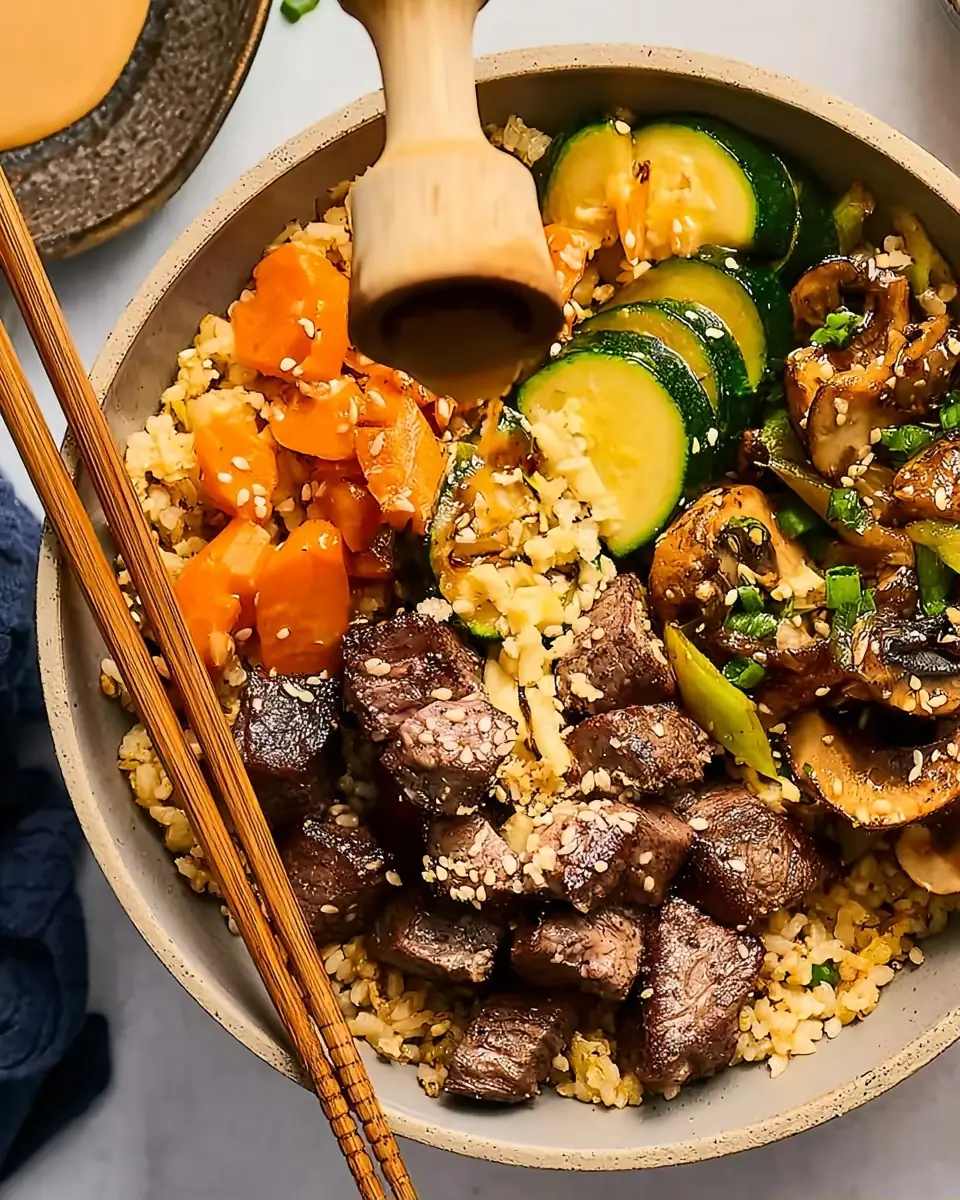
In just 45 minutes you can prepare restaurant-quality Japanese steak bowls packed with tender marinated sirloin, garlic-ginger aromatics, colorful sautéed vegetables, and fried rice—all drizzled with savory soy sauce. Our version captures the beloved teppanyaki-style experience of American hibachi restaurants while delivering better nutrition and far lower cost than eating out.
This isn’t just another hibachi steak bowl recipe—it’s your complete roadmap to effortless weeknight bliss. You’ll discover professional tips, smart substitutions, full nutritional data, common pitfalls to avoid, and creative ways to customize the dish for different diets. Whether you need a quick high-protein dinner, a family-friendly meal, or impressive date-night bowls, this easy homemade hibachi delivers every time. Bright, umami-rich, and deeply satisfying, it proves that Japanese-inspired steakhouse flavors belong in every busy kitchen.
Ingredients List
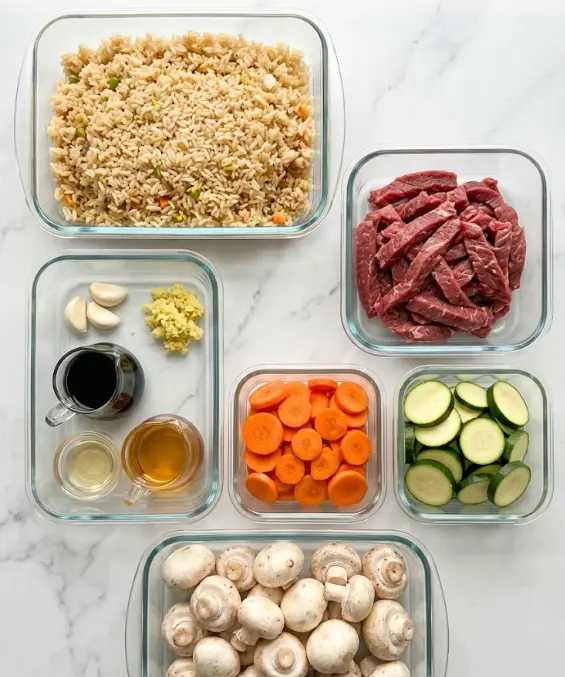
The magic of this hibachi steak bowl recipe comes from simple, fresh ingredients that build layers of flavor reminiscent of your favorite Japanese restaurant. Here’s everything you need for 4 hearty bowls:
For the garlic-ginger marinade:
- 450 g sirloin steak, cut into ¾-inch cubes
- 60 ml mirin (can be omitted or replaced with 1 tbsp honey + 1 tbsp rice vinegar)
- 3 cloves garlic, minced (about 1 tablespoon)
- 15 g fresh ginger, grated (or 1½ teaspoons ground ginger)
- 30 ml sesame oil (or vegetable/avocado oil)
For the vegetables, rice, and finishing sauce:
- 2 medium carrots, sliced into thin rounds
- 1 medium zucchini, sliced into thin rounds
- 227 g mushrooms (cremini or button), quartered
- 720 g pre-cooked fried rice (store-bought or homemade, roughly 180 g per bowl)
- 30 ml low-sodium soy sauce (plus extra for serving)
Smart substitutions to make it your own:
- Protein: Swap sirloin for ribeye (richer flavor), chicken breast or thighs, shrimp, salmon, or extra-firm tofu for a plant-based hibachi vegetable bowl.
- Vegetables: Add sliced onion, bell peppers, broccoli florets, or snap peas. Uniform thin cuts ensure quick, even cooking that mimics professional hibachi technique.
- Rice base: Use classic fried rice, plain jasmine rice, brown rice for extra fiber, or cauliflower rice for a low-carb version.
- Allergies & preferences: Tamari instead of soy sauce for gluten-free; coconut aminos for lower sodium.
Each component serves a purpose: the mirin and honey notes balance the savory garlic and ginger, sesame oil adds nutty depth, and the rainbow of vegetables brings satisfying crunch and micronutrients. Using pre-cooked fried rice dramatically cuts active time while delivering that signature hibachi taste.
Timing
Prep Time: 30 minutes (includes 20–30 minutes of marinating)
Cook Time: 15 minutes
Total Time: 45 minutes
This hibachi steak bowl recipe is impressively efficient—45 minutes total makes it roughly 40% faster than driving to a restaurant, waiting for a table, and ordering. The hands-on cooking is only about 15 minutes once the steak has marinated, making it ideal for hectic weeknights. The quick sear on high heat creates that signature caramelized exterior while keeping the steak juicy inside.
Step-by-Step Instructions
Preparing the Garlic-Ginger Marinade and Steak
In a medium mixing bowl, whisk together the mirin, minced garlic, grated ginger, and sesame oil until well combined. Cut the 450 g sirloin steak into uniform ¾-inch cubes—this ensures even cooking and elegant presentation in your final hibachi steak bowl recipe. Add the steak cubes to the marinade, tossing thoroughly to coat every piece. Cover and refrigerate for at least 30 minutes (up to 2 hours for deeper flavor). Pro tip: Don’t skip the marinating step; the acid in mirin tenderizes the meat while the aromatics infuse every bite.
Chopping the Fresh Vegetables
While the steak marinates, wash and prepare your vegetables. Slice the carrots and zucchini into thin, even rounds (about ⅛-inch thick) so they cook quickly and retain crisp-tender texture. Quarter the mushrooms for hearty bites that absorb the savory sauce. Keeping the cuts consistent mimics professional hibachi chefs and guarantees perfect results every time. Set everything aside in separate piles for easy last-minute cooking.
Sautéing the Colorful Vegetables
Heat a large skillet or wok over medium heat and add a light drizzle of neutral oil. Once shimmering, add the sliced carrots, zucchini, and mushrooms. Sauté for 5–7 minutes, stirring occasionally, until the vegetables are tender-crisp and lightly caramelized. Season lightly with a splash of soy sauce toward the end. Actionable tip: Cook the vegetables first—they release moisture that can prevent the steak from getting a proper sear if added too early. Remove the vegetables to a plate and keep warm.
Searing the Marinated Steak
Increase the heat to medium-high. Add the marinated steak cubes to the hot skillet in a single layer (work in batches if needed to avoid crowding). Sear undisturbed for 2 minutes, then flip and cook another 2–3 minutes until browned on all sides and cooked to your preferred doneness (medium-rare registers about 130–135°F internally). The high heat creates those irresistible crispy edges characteristic of great hibachi cooking. Personalized tip: For extra flavor, pour any remaining marinade into the pan during the last minute—it reduces into a glossy glaze.
Assembling the Hibachi Steak Bowls
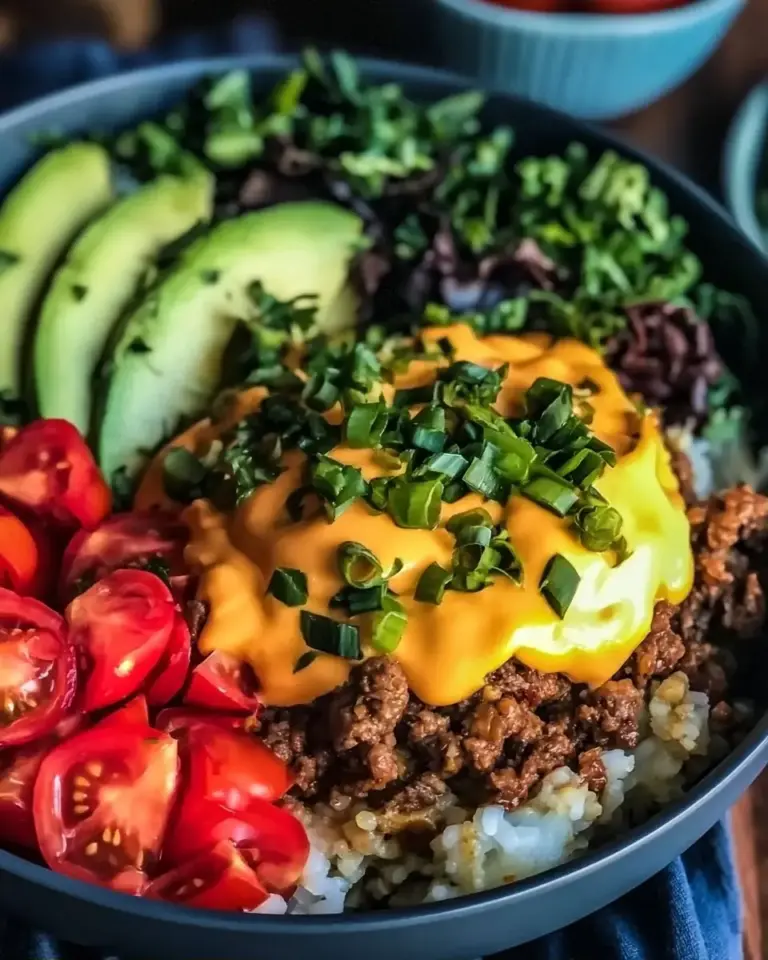
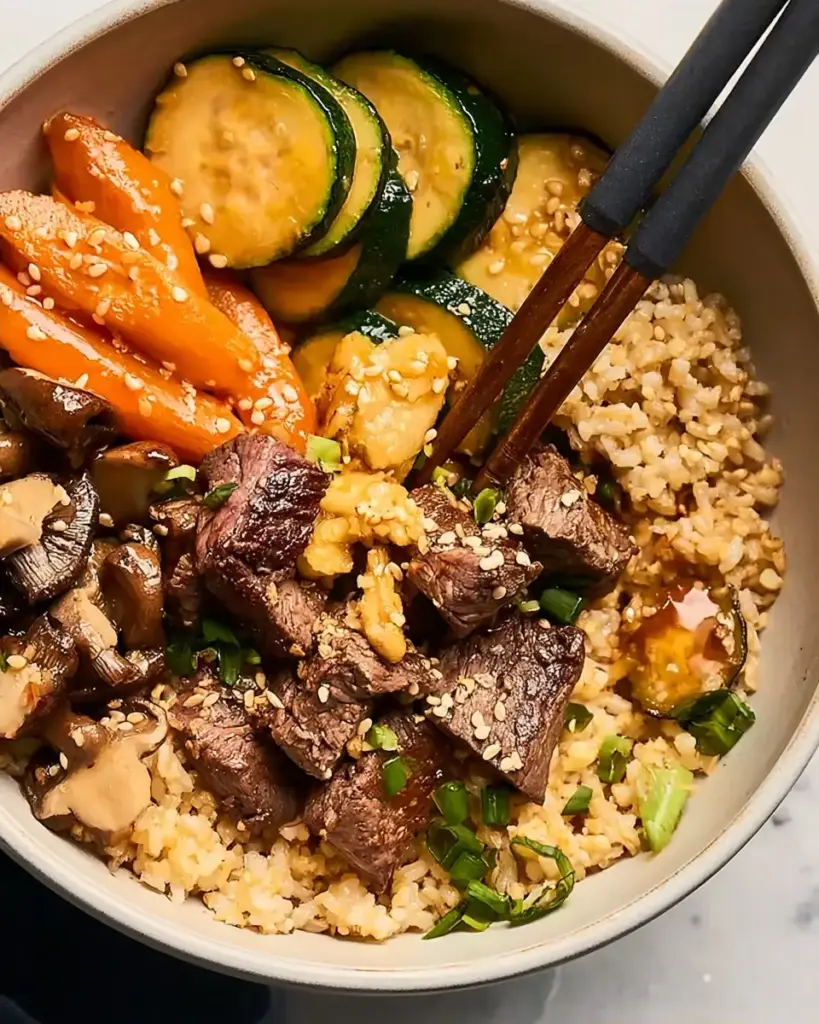
Return the sautéed vegetables to the skillet with the steak and toss gently to combine. Divide the 720 g of warm fried rice among four bowls. Spoon the steak-and-vegetable mixture generously over the rice. Drizzle each bowl with low-sodium soy sauce (or your favorite Japanese-inspired sauce). For restaurant-style flair, add a sprinkle of sliced green onions, sesame seeds, or a quick yum-yum sauce drizzle.
Final Touches for Maximum Enjoyment
Serve the bowls immediately while everything is hot and sizzling. The contrast between the juicy steak, crisp-tender vegetables, and savory fried rice creates an addictive harmony of textures and flavors that rivals any teppanyaki experience.
Nutritional Information
Each serving of this hibachi steak bowl recipe contains approximately 550 calories and offers excellent balance:
- Protein: 34–38 g (primarily from high-quality sirloin steak)
- Carbohydrates: 52 g (from fried rice and vegetables)
- Fat: 18 g (healthy fats from sesame oil and beef)
- Fiber: 6–8 g
- Key Micronutrients: Rich in iron, zinc, B vitamins, vitamin A (from carrots), and antioxidants from mushrooms and zucchini
Compared to typical restaurant hibachi meals that often exceed 850–1,100 calories with heavier oils and larger rice portions, this homemade version is lighter yet more satisfying. The lean protein and fiber help promote fullness, while the vegetables add volume without excess calories. This makes the bowls suitable for balanced weight-management plans when portioned thoughtfully.
Healthier Alternatives for the Recipe
Make this hibachi steak bowl recipe even more nutritious with these easy swaps while preserving signature flavor:
- Lower Carb Version: Replace fried rice with cauliflower rice or a bed of mixed greens. The steak and vegetables still deliver big satisfaction.
- Higher Protein Boost: Increase steak to 600 g or add edamame and a soft-boiled egg on top.
- Heart-Healthy Focus: Use leaner cuts like tenderloin or opt for salmon; increase ginger for its anti-inflammatory benefits.
- Plant-Based Adaptation: Substitute steak with firm tofu or tempeh marinated in the same garlic-ginger mixture, then bake or air-fry before combining with vegetables.
- Lower Sodium: Use coconut aminos instead of soy sauce and add fresh lime juice for brightness.
These modifications keep the fun, interactive spirit of hibachi while accommodating keto, gluten-free, paleo, or Mediterranean eating styles.
Serving Suggestions
Present your hibachi steak bowls in deep ceramic bowls to showcase the colorful layers. Pair with miso soup, a simple cucumber salad, or steamed dumplings for a complete Japanese-inspired feast. For family nights, set up a build-your-own station with extra toppings like pickled ginger, wasabi peas, spicy mayo, or teriyaki glaze so everyone can customize.
These bowls also travel well for lunch—pack components separately and reheat the steak and vegetables quickly. A crisp Japanese beer, chilled sake, or sparkling yuzu water pairs beautifully with the savory, garlicky notes.
Common Mistakes to Avoid
- Skipping the marinade time: Less than 20–30 minutes results in bland steak. The garlic-ginger mixture needs time to work its magic.
- Overcrowding the pan: This steams instead of sears the ingredients. Cook in batches for that signature hibachi crust.
- Using cold rice straight from the fridge: It creates a gummy texture. Warm the fried rice slightly before assembling.
- Overcooking the vegetables: Mushy carrots and zucchini ruin the contrast. Stop at tender-crisp.
- Forgetting to pat steak dry: Excess marinade prevents proper browning. Remove steak from marinade and pat lightly before searing.
- Using low-quality beef: Tough cuts ruin the experience. Sirloin or better ensures tender, juicy results.
Avoiding these pitfalls guarantees your first attempt at this hibachi steak bowl recipe tastes like it came from a professional Japanese steakhouse.
Storing Tips for the Recipe
Hibachi steak bowls taste best fresh, but components store well for meal prep:
- Marinated raw steak keeps in the refrigerator up to 24 hours.
- Cooked steak and vegetables can be stored together in an airtight container for up to 3 days.
- Fried rice reheats beautifully in the microwave or skillet with a splash of water.
- Never store assembled bowls longer than 2 days—the vegetables lose crispness and rice can become soggy.
For best flavor and food safety, reheat steak and vegetables gently in a hot skillet rather than microwave. Add fresh green onions and a splash of soy sauce after reheating to revive brightness.
Conclusion
This hibachi steak bowl recipe delivers restaurant-quality Japanese flavors—tender garlic-ginger steak, crisp vegetables, and savory fried rice—in only 45 minutes at a fraction of takeout cost. It’s nutritious, customizable, and perfect for busy weeknights.
Ready to bring hibachi night home? Try this hibachi steak bowl recipe tonight and share your results in the comments below. Tell us your favorite customizations, rate the recipe, or ask questions. Subscribe to our blog for more easy global-inspired dinners and weeknight meal ideas delivered straight to your inbox.
FAQs
What is the difference between hibachi and teppanyaki?
While often used interchangeably in American restaurants, traditional hibachi uses a charcoal grill while teppanyaki is cooked on a flat iron griddle. This hibachi steak bowl recipe captures the popular American restaurant style using a skillet or wok.
Can I make this recipe without mirin?
Absolutely. The mirin adds subtle sweetness and tenderness, but you can omit it or replace with a mix of rice vinegar and a touch of honey without sacrificing flavor.
Is this hibachi steak bowl recipe gluten-free?
It can be. Use tamari or coconut aminos instead of soy sauce and ensure your fried rice is prepared with gluten-free ingredients. The core recipe adapts easily.
How do I get the steak more tender?
Choose good-quality sirloin, marinate for the full 30 minutes, and avoid overcooking. Cutting against the grain into small cubes also helps.
Can I prepare this as a meal prep option?
Yes. Cook all components ahead and store separately. Reheat steak and vegetables in a skillet and assemble fresh bowls throughout the week for best texture.
What sauce pairs best with these Japanese steak bowls?
The recipe uses a simple soy sauce drizzle, but many enjoy adding homemade yum-yum sauce (mayonnaise-based), spicy sriracha mayo, or extra teriyaki glaze.
How many calories are typically in restaurant hibachi steak?
Restaurant versions often exceed 900 calories due to generous oil and rice. Our lighter homemade hibachi steak bowl recipe comes in at about 550 calories while tasting just as satisfying.
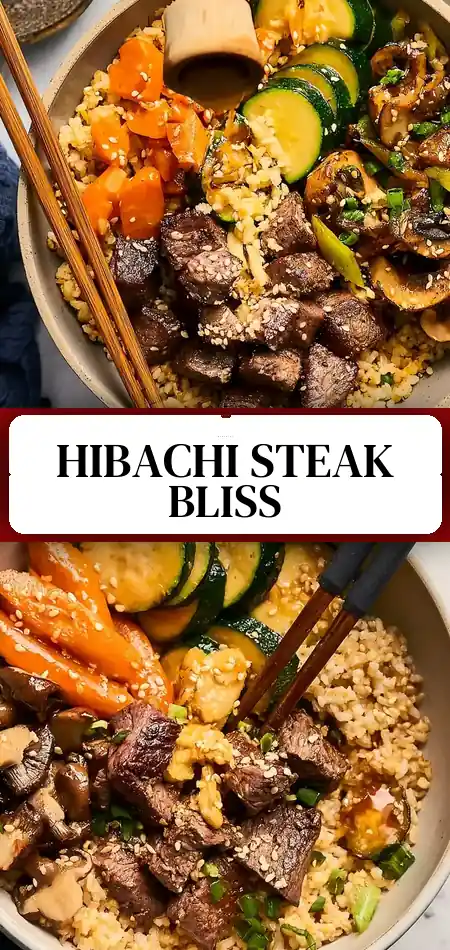
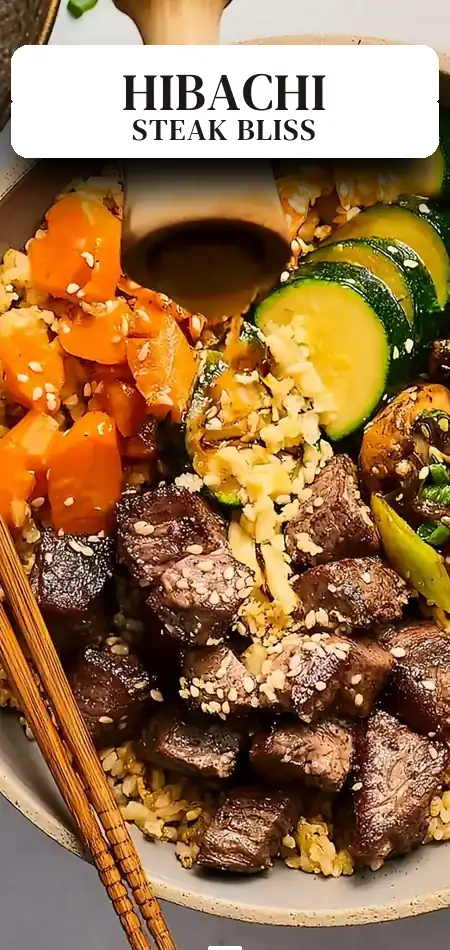
Savor Hibachi Steak Bowls for Effortless Weeknight Bliss
Ingredients
Method
- In a mixing bowl, combine mirin, minced garlic, grated ginger, and sesame oil. Add cubed sirloin steak, ensuring it is evenly coated with the marinade. Cover and refrigerate for at least 30 minutes.
- While the steak marinates, wash and chop your vegetables. Slice the carrots and zucchini into thin rounds, and quarter the mushrooms. Set aside.
- Heat a large skillet over medium heat and add a drizzle of oil. Once shimmering, add the prepared vegetables. Sauté for 5 to 7 minutes until tender.
- Increase the heat to medium-high and add the marinated steak to the skillet. Sear for 4 to 5 minutes until cooked to your desired doneness.
- Mix the cooked steak with the sautéed vegetables in the skillet. Serve over fried rice and drizzle with soy sauce.