
Simple Pickled Eggs Recipe
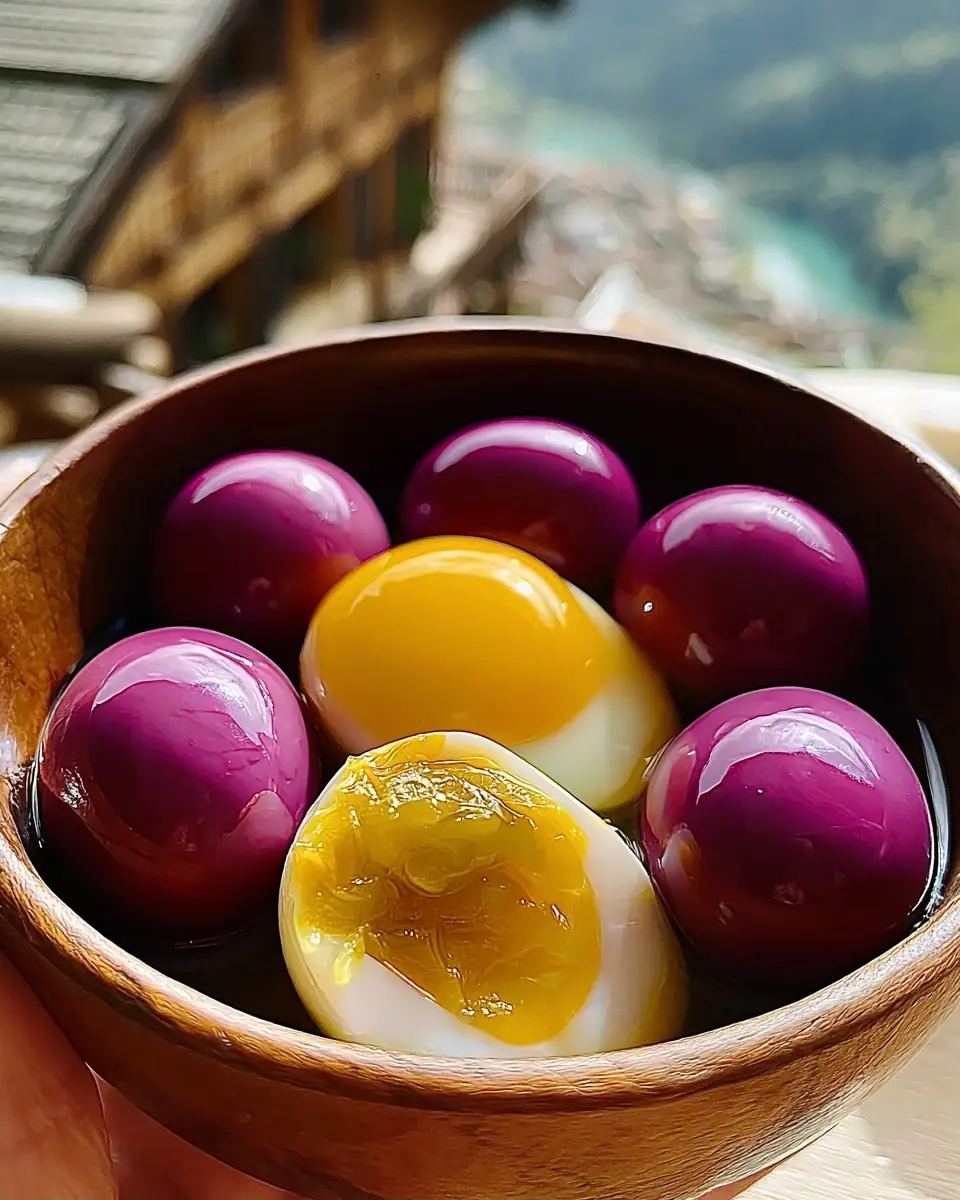
Have you ever wondered why homemade beet pickled eggs have exploded in popularity—with Pinterest searches for “beet pickled eggs” surging over 340% in the past two years—yet many home cooks still believe they require complicated spices, weeks of brining, or food-science expertise?
The truth is far simpler and more delicious than you’ve been led to believe. These homemade beet pickled eggs transform ordinary hard-boiled eggs into stunning magenta-colored gems with the perfect balance of sweet, tangy, and earthy flavor in just four hours.
Using fresh beets (or canned for convenience), a simple vinegar-sugar brine, and a touch of cinnamon, this recipe delivers vibrant color, impressive protein, and natural antioxidants in every bite. Whether you’re meal-prepping healthy snacks, upgrading your charcuterie board, or looking for a nostalgic yet modern addition to salads and grain bowls, these homemade beet pickled eggs check every box. Best of all, they’re naturally gluten-free, low in calories, and ready faster than most traditional pickled egg recipes. Let’s walk through everything you need to make them perfectly every time.
Ingredients List
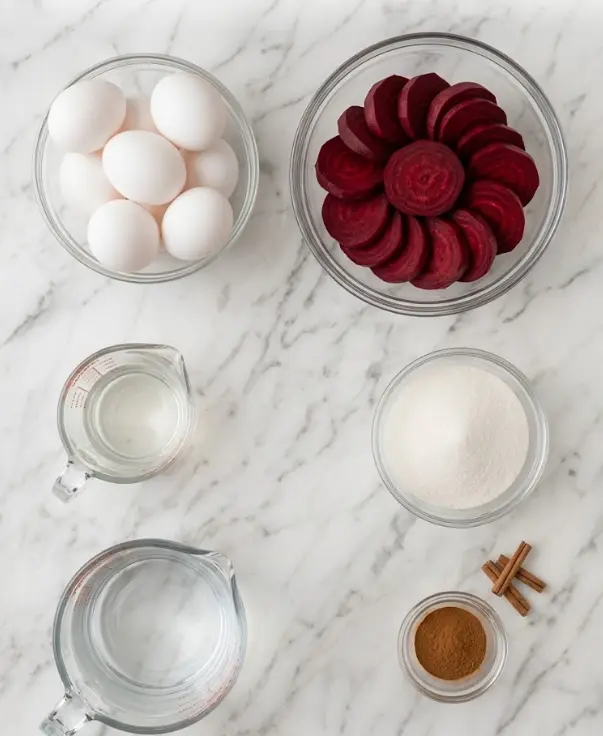
This homemade beet pickled eggs recipe keeps the ingredient list short and accessible while maximizing flavor and color.
- 8 large eggs — Fresh, high-quality eggs produce the best texture and cleanest peeling.
- 250g fresh beets (about 2 medium beets), peeled and cut into ½-inch slices — The star ingredient that gives the signature vibrant pink-to-magenta hue and subtle earthy sweetness.
- 120ml white vinegar — Provides the essential tang. You can substitute with apple cider vinegar for a fruitier note and potential probiotic benefits.
- 100g granulated sugar — Balances the vinegar’s acidity. Adjust slightly up or down based on your sweet-tangy preference.
- 360ml water — Used to simmer the beets and create the brine base.
- ½ tsp ground cinnamon (optional) — Adds a warm, subtle depth that beautifully complements the beets. Some cooks also add cloves or allspice for a spiced variation.
Substitution tips: No fresh beets? Use one 15-oz can of beets. Drain and reserve the juice, then add the canned beets (or just the juice for lighter color) directly to the jar. For a lower-sugar version, replace half the sugar with honey or a sugar substitute like allulose. The recipe remains highly adaptable for different dietary needs while preserving that classic pickled flavor.
Timing
This homemade beet pickled eggs recipe is surprisingly efficient:
- Prep Time: 15 minutes
- Cook Time: 30 minutes (including boiling eggs and simmering beets)
- Pickling/Resting Time: Approximately 4 hours
- Total Time: 4 hours
While the clock shows four hours, the active hands-on time is only about 45 minutes. That’s roughly 60% less active effort than many traditional pickled egg recipes that require overnight brining or complex spice blends. The passive pickling window makes this an ideal make-ahead recipe for busy weeks.
Step-by-Step Instructions
Prepare Perfect Hard-Boiled Eggs
Place the 8 large eggs in a pot and cover them completely with cold water. Bring the water to a full boil over high heat. Once boiling, immediately remove the pot from heat, cover, and let the eggs stand for 8 minutes. Drain the hot water and transfer the eggs to an ice bath or run them under cold water until completely cool. Peel the eggs and set them aside.
Pro tip: Starting in cold water and using an ice bath helps create that elusive clean peel. Older eggs (7–10 days old) also peel more easily than super-fresh ones.
Prepare the Vibrant Beet Brine
If using fresh beets, place the 250g of peeled, sliced beets in a pot with 360ml water. Bring to a boil, then reduce heat and simmer for 12 minutes until the beets are fork-tender and have released their beautiful color.
If using canned beets, simply drain them (reserving the juice) and combine the juice with 360ml water in the pot. Add the vinegar, sugar, and optional ½ tsp cinnamon to whichever beet mixture you’re using. Bring everything back to a boil, stirring until the sugar fully dissolves, then remove from heat immediately.
Personalized tip: Taste the brine before pouring—it should be a bright balance of sweet and sour. This is your moment to adjust sweetness or add a pinch of salt if desired.
Assemble and Pickle the Eggs
Place the peeled hard-boiled eggs into a clean glass jar (a quart-sized mason jar works perfectly). Add the cooked beet slices or drained canned beets around and between the eggs for maximum color infusion and visual appeal. Carefully pour the hot beet brine over the eggs and beets, ensuring everything is fully submerged.
Cover the jar tightly. Allow it to cool at room temperature for about 4 hours before transferring to the refrigerator. The longer they sit (up to 2–3 weeks), the deeper the color and flavor become.
Actionable trick: For extra even coloring, gently stir or rotate the jar after the first two hours. This prevents any pale spots on the eggs.
Nutritional Information
Each serving of these homemade beet pickled eggs (1 egg with a few beet slices) offers impressive nutrition:
- Calories: 95
- Protein: 6.5g (13% of daily value)
- Total Carbohydrates: 8g
- Sugars: 7g (from added sugar and natural beet sugars)
- Fat: 5g
- Fiber: 1g
- Sodium: 75mg
- Key micronutrients: High in folate, manganese, and antioxidants from beets; choline and vitamin B12 from eggs
Beets bring betalains and nitrates that support heart health and exercise performance, while the vinegar may aid digestion. Compared to commercial pickled eggs, this homemade version contains no artificial dyes or preservatives. Two eggs provide more protein than many protein bars while remaining under 200 calories—making them an excellent snack for muscle recovery, weight management, or blood-sugar stability.
Healthier Alternatives for the Recipe
Want to boost the nutrition of your homemade beet pickled eggs even further? These modifications maintain the signature tangy flavor while enhancing health benefits:
- Lower sugar version: Replace 50–75% of the granulated sugar with honey, maple syrup, or a zero-calorie sweetener like monk fruit. This reduces carbs significantly for keto or diabetic-friendly diets.
- Probiotic boost: Swap white vinegar for raw apple cider vinegar (added after removing the brine from heat) to introduce beneficial bacteria.
- Anti-inflammatory twist: Add ½ tsp turmeric and a pinch of black pepper to the brine for golden-pink eggs with extra antioxidant power.
- Spicy variation: Toss in sliced jalapeños or red pepper flakes for a spicy beet pickled eggs version that supports metabolism.
- Vegan alternative: While eggs can’t be replaced directly, you can pickle firm tofu cubes using the same brine for a plant-based option.
These swaps make the recipe adaptable for nearly any dietary preference without sacrificing the beautiful color or addictive taste.
Serving Suggestions
These homemade beet pickled eggs are incredibly versatile:
- Slice them over mixed greens or grain bowls for an instant pop of color and protein.
- Serve halved on a charcuterie board with cheeses, cured meats, and crackers—the magenta color creates stunning visual contrast.
- Use them in potato salad or egg salad for a naturally pink twist that surprises guests.
- Enjoy as a high-protein afternoon snack straight from the jar.
- Turn them into “deviled” pickled eggs by halving, removing yolks, and mixing with Greek yogurt, mustard, and herbs.
For a personalized touch, consider your audience: milder brine (less vinegar) works better for children, while adults often love extra spices. Pair with a cold beer or crisp white wine for an elevated happy hour experience.
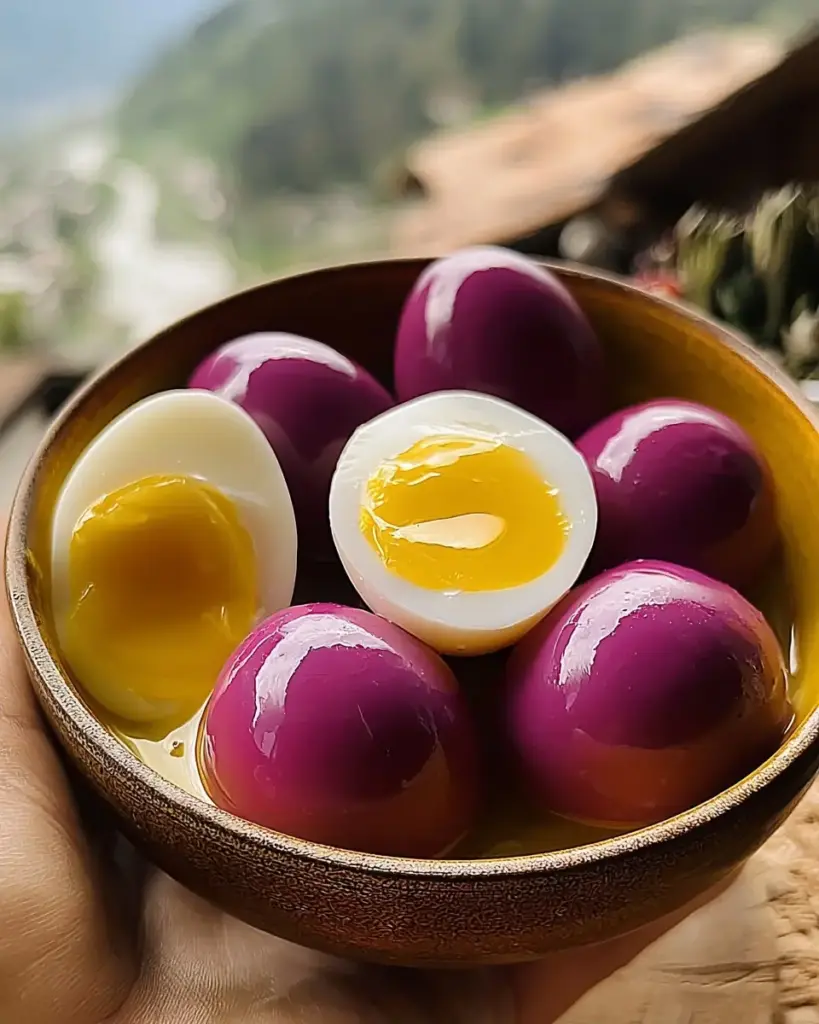
Common Mistakes to Avoid
Even straightforward recipes have pitfalls. Here’s what to watch for with homemade beet pickled eggs:
- Overcooking the beets — Simmer just until tender. Mushy beets can cloud the brine.
- Not fully submerging the eggs — Any exposed parts won’t pickle evenly or develop color. Use a small weight if needed.
- Skipping the ice bath — This leads to overcooked yolks and difficult peeling.
- Using a reactive metal container — Always use glass jars. Metal can react with the vinegar.
- Rushing the process — While 4 hours is the minimum, the best flavor develops after 24–48 hours in the fridge.
- Boiling the eggs too long — This creates green rings around the yolks and a rubbery texture.
Following the room-temperature cooling step before refrigerating helps the flavors marry beautifully without temperature shock.
Storing Tips for the Recipe
Once prepared, store your homemade beet pickled eggs in an airtight glass jar in the refrigerator. They remain fresh and safe for up to 3–4 weeks, with peak flavor and color occurring between days 2 and 14.
The brine can be reused once for a second batch of eggs (though color will be lighter). For meal prep, make a double batch—the eggs actually improve after a few days as they absorb more of the sweet-tangy brine.
Always use clean utensils when removing eggs from the jar to prevent contamination. Do not store at room temperature after the initial 4-hour cooling period.
Conclusion
These homemade beet pickled eggs deliver stunning color, bold tangy-sweet flavor, and excellent protein in an easy, make-ahead recipe. With minimal active time and endless variations, they’re destined to become a refrigerator staple.
Ready to add vibrant color and flavor to your table? Try this homemade beet pickled eggs recipe today! Share your results in the comments below, tell us your favorite variation or serving idea, leave a review, and subscribe for more creative, data-driven recipes delivered to your inbox.
FAQs
How long do homemade beet pickled eggs last in the fridge?
They stay fresh for up to 4 weeks when stored properly in an airtight glass jar. For best texture and flavor, enjoy them within 2–3 weeks.
Can I make homemade beet pickled eggs without fresh beets?
Absolutely. Canned beets work excellently and save time. Simply use the reserved canned beet juice as part of your brine for beautiful color with less prep.
Why are my pickled eggs not turning fully pink?
Be sure the eggs are completely submerged and give them enough time. Fresh beets generally produce deeper color than canned. Rotating the jar helps ensure even coloring.
Are homemade beet pickled eggs healthy?
Yes. They’re high in protein, provide antioxidants and nitrates from beets, and contain no artificial colors. Two eggs make a satisfying, nutrient-dense snack under 200 calories.
Can I adjust the sweetness in this recipe?
Definitely. Start with 70g of sugar and taste the brine before pouring. You can also experiment with honey or alternative sweeteners for different dietary needs.
Do I need special equipment to make homemade beet pickled eggs?
Just a glass jar, a pot, and basic kitchen tools. Wide-mouth quart mason jars are ideal because they make it easy to submerge the eggs.
Can kids enjoy these beet pickled eggs?
Most children love the fun color and mild tang. Start with a slightly sweeter brine for younger palates and supervise due to the firm texture.


Pickled Eggs
Ingredients
Method
- Prepare Hard-Boiled Eggs: Place eggs in a pot and cover completely with cold water. Bring the water to a full boil over high heat. Once boiling, remove the pot from heat, cover, and let the eggs stand in the hot water for 8 minutes. Drain the hot water and transfer eggs to an ice bath or run under cold water until cool enough to handle. Peel the eggs and set aside.
- Prepare Beet Brine: If using fresh beets: Place the sliced fresh beets in a pot. Add 1 ½ cups water, ensuring the beets are fully submerged. Bring to a full boil, then reduce heat and simmer for 12 minutes, or until the beets are soft. If using canned beets: Drain the canned beets, reserving the beet juice. In a pot, combine the reserved beet juice with 1 ½ cups water. Add the drained canned beets to the pot if desired, for inclusion in the jar.
- To the pot (containing either cooked fresh beets or the canned beet mixture), add the white vinegar, granulated sugar, and ground cinnamon (if using). Bring the mixture to a boil again, then immediately remove from heat.
- Assemble and Pickle: Place the peeled hard-boiled eggs into the clean glass jar. Add the cooked fresh beet slices or drained canned beets (if using) to the jar with the eggs. Carefully pour the hot beet brine over the eggs and beets, ensuring they are fully submerged. Cover the jar tightly. Let the jar cool at room temperature for approximately 4 hours before transferring it to the refrigerator.