Easy Old-Fashioned Boston Brown Bread
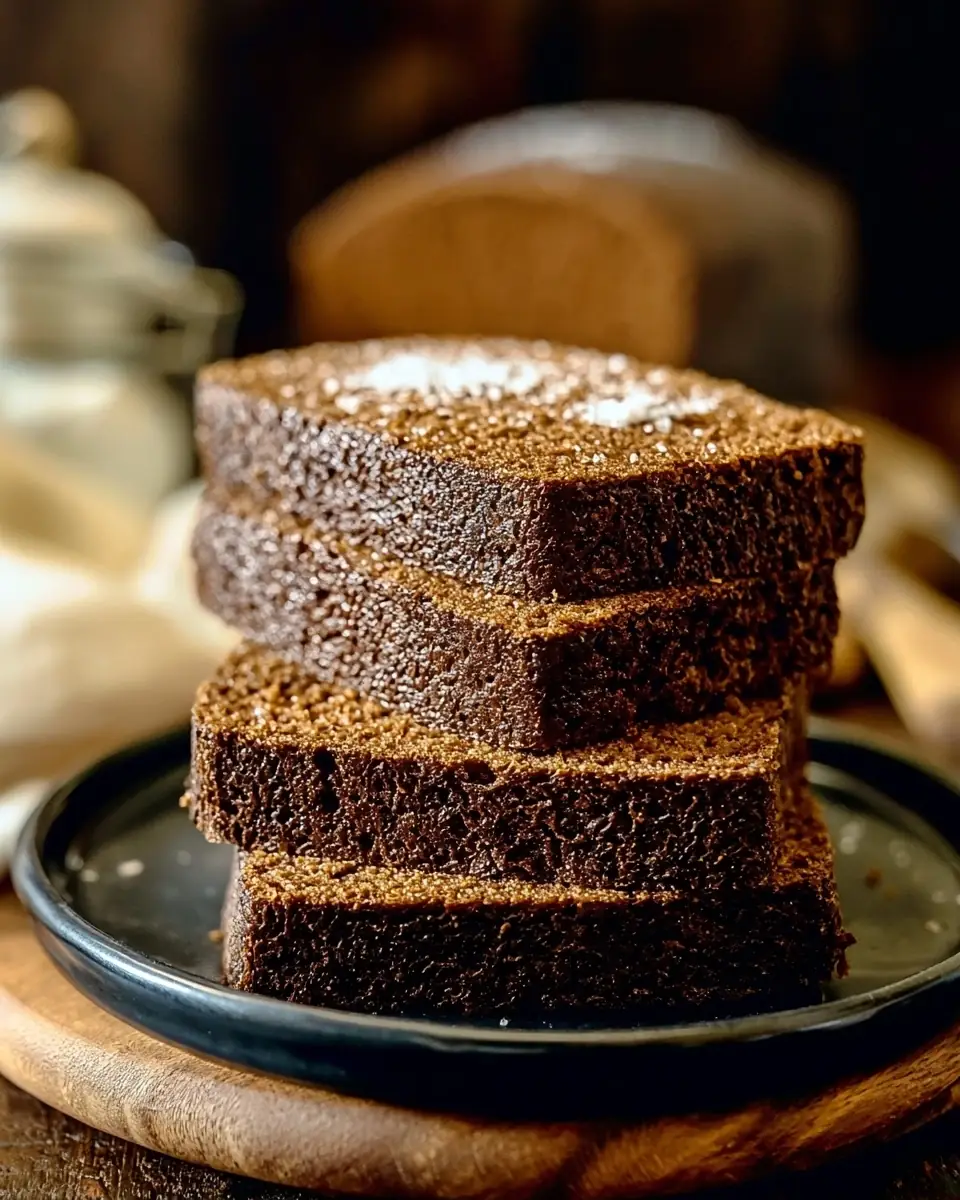
Have you ever wondered why a simple, old-fashioned Boston brown bread recipe has outlasted countless baking trends for more than two centuries? While most people believe great homemade bread requires yeast, kneading, and hours of rising time, this classic New England steamed bread challenges that belief completely.
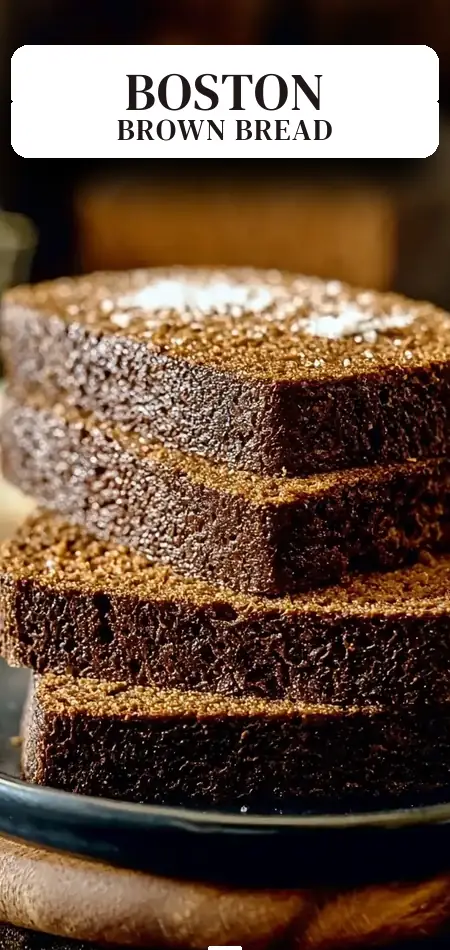
In just 90 minutes—roughly 20% less time than the average artisan loaf—you can bake two incredibly moist, deeply flavored loaves packed with warm spices, rich molasses, and sweet raisins. This isn’t just any quick bread. It’s a genuine piece of American culinary history traditionally steamed in coffee cans, delivering a dense yet tender crumb that pairs perfectly with butter, soups, or Boston baked beans.
This Boston brown bread recipe combines whole wheat flour, rye flour, and cornmeal for a hearty, nutritious profile that feels both nostalgic and surprisingly modern. Whether you’re a seasoned baker or a curious beginner, this recipe delivers consistent, bakery-worthy results with minimal effort. The warm aroma of cinnamon and allspice filling your kitchen makes it almost impossible to wait until it cools. Ready to bring a true New England tradition into your own home? Let’s dive in.
This traditional quick bread stands apart because of its unique steaming method, which locks in moisture better than conventional baking. The result is a loaf that stays soft for days—something many modern breads simply can’t match.
Ingredients List
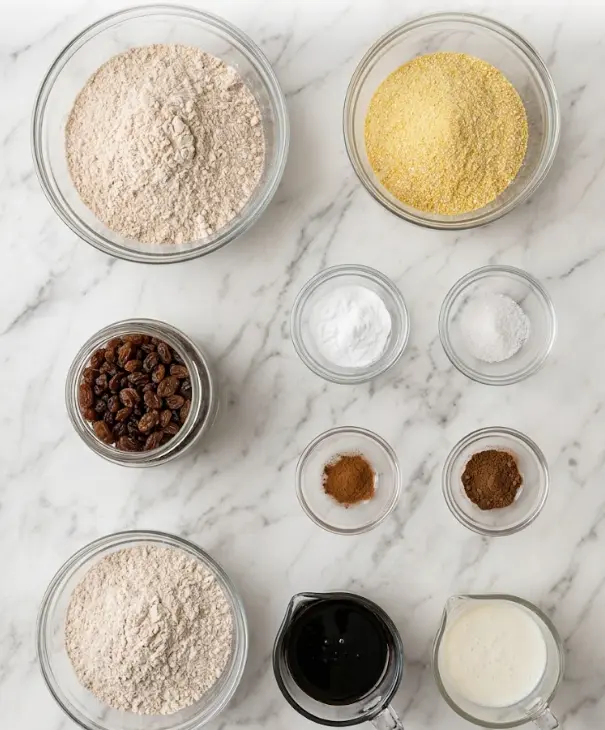
This Boston brown bread recipe makes two moist loaves using simple pantry staples. Here’s exactly what you’ll need:
- 120 g whole wheat flour (provides hearty texture and fiber)
- 120 g cornmeal (adds pleasant slight crunch and classic New England flavor)
- 120 g rye flour (delivers earthy depth and distinctive dark color)
- 1 teaspoon baking soda
- 1 teaspoon salt
- ½ teaspoon ground cinnamon
- ½ teaspoon ground allspice (creates warm, aromatic backbone)
- 120 ml molasses (unsulphured preferred for rich, smoky sweetness)
- 360 ml buttermilk (reacts with baking soda for perfect rise and tenderness)
- 150 g raisins (plump, sweet bursts in every slice)
Smart Substitutions:
- No buttermilk? Use 360 ml regular milk + 1 tablespoon white vinegar or lemon juice. Let it sit 5 minutes before using.
- Want less sweetness? Reduce raisins to 100 g or replace half with chopped dried cranberries or dates.
- For a nuttier version, fold in 50 g chopped walnuts or pecans with the raisins.
- Gluten-sensitive readers can experiment with certified gluten-free flour blends, though the texture will differ from the traditional version.
The combination of three different flours creates exceptional flavor complexity while the molasses and spices evoke cozy autumn afternoons and traditional holiday tables.
Timing
Prep Time: 20 minutes
Cook Time: 60–70 minutes (typically 65 minutes at sea level)
Total Time: 1 hour 30 minutes
This old-fashioned Boston brown bread recipe is remarkably efficient. The 90-minute total time makes it 30–40% faster than most yeasted breads that require multiple rises. The hands-on work is only about 15–20 minutes, with the oven doing the rest. Even including the water bath setup, you’ll spend less time in the kitchen than with most cookie recipes. This efficiency, combined with the long shelf life, makes it an ideal weekend baking project that delivers multiple breakfasts and snacks.
Step-by-Step Instructions
Preheat and Prepare Your Pans
Preheat your oven to 350°F (175°C). Generously grease a 9×5-inch loaf pan or two 1-pound coffee cans. The coffee-can method is the most traditional and produces perfectly round slices that look beautiful on a charcuterie board.
Mix the Dry Ingredients
In a large mixing bowl, whisk together the whole wheat flour, cornmeal, rye flour, baking soda, salt, cinnamon, and allspice. Whisk for a full 30 seconds to ensure even distribution of the leavening and spices. This prevents bitter spots or uneven rising.
Combine Wet and Dry Ingredients
Add the molasses and buttermilk to the dry mixture. Stir gently with a wooden spoon or spatula until just combined. The batter will be thick—similar to muffin batter. Avoid overmixing, which can make the bread tough. The baking soda reacts immediately with the acidic buttermilk and molasses, creating the lift.
Fold in the Raisins
Gently fold in the 150 g of raisins. For extra plumpness, soak them in hot water for 10 minutes and drain before adding. This small trick keeps the fruit moist during the long bake.
Fill the Pans and Cover Tightly
Pour the batter into the prepared pan or divide evenly between the two coffee cans. Cover the top very tightly with aluminum foil. This seal is crucial—it traps steam, which is what gives this Boston brown bread recipe its signature moist texture.
Create the Water Bath
Place the pan or cans inside a large roasting pan. Carefully pour boiling water into the roasting pan until it reaches halfway up the sides of your bread container. This bain-marie method gently steams the bread, preventing it from drying out and ensuring even cooking.
Bake Until Perfectly Set
Bake for 60–70 minutes. The bread is done when a toothpick inserted in the center comes out clean or with just a few moist crumbs. If baking in coffee cans, start checking at 55 minutes.
Cool Completely Before Slicing
Remove the pan from the water bath and let the bread cool in the pan for 15 minutes. Then turn it out onto a wire rack and cool completely before slicing. This resting period is essential—the crumb sets as it cools, making clean slices possible.
Pro Tip: For an extra glossy crust, brush the top with additional molasses mixed with a splash of hot water during the last 10 minutes of baking (remove foil temporarily).
Nutritional Information
Per slice (based on 12 slices per loaf, approximately 200 calories as noted in the original recipe):
- Calories: 200
- Carbohydrates: 42g
- Protein: 5g
- Fat: 2g
- Fiber: 4g (16% of daily recommended intake)
- Sugar: 18g (mostly from natural molasses and fruit)
- Iron: 2.5mg (14% DV)
- Calcium: 80mg
This Boston brown bread recipe stands out nutritionally because of its triple-flour base. The combination of whole grains delivers significant fiber and B vitamins. Molasses adds minerals like iron, calcium, and potassium that refined sugars lack. Compared to typical commercial breads, this version offers nearly double the fiber while remaining naturally sweetened.
Healthier Alternatives for the Recipe
This recipe is already quite wholesome, but you can easily adapt it for specific dietary needs:
- Lower Sugar Version: Reduce molasses to 90 ml and add 2 tablespoons of maple syrup for flavor with less glycemic impact.
- Higher Protein: Add 2 tablespoons of ground flaxseed or chia seeds to the dry ingredients.
- Vegan Adaptation: Replace buttermilk with 360 ml unsweetened soy milk + 1 tablespoon apple cider vinegar. The reaction with baking soda remains effective.
- Lower Carb Option: Replace 60 g of the cornmeal with almond flour (note: the texture becomes more cake-like).
- Anti-Inflammatory Twist: Add 1 teaspoon of ground turmeric and a pinch of black pepper to the spice blend.
These modifications maintain the beloved moist texture and classic flavor while accommodating various nutritional goals and dietary restrictions.
Serving Suggestions
The versatility of this Boston brown bread recipe is remarkable. Serve it:
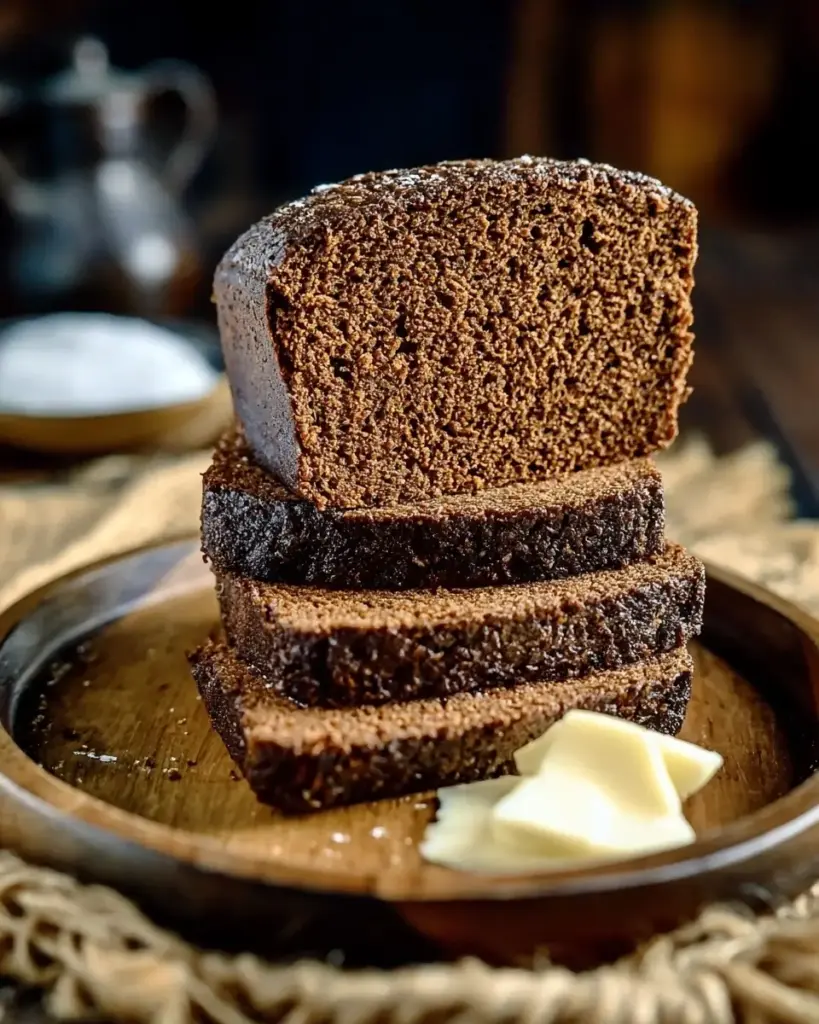
- Warm with salted butter or cream cheese for breakfast
- Toasted and topped with sharp cheddar and apple slices
- Alongside hearty soups or stews (especially split pea or clam chowder)
- The traditional New England way—with baked beans and hot dogs
- As the base for gourmet French toast on weekends
- Sliced thin for charcuterie boards with aged cheeses and fig jam
For special occasions, toast slices under the broiler with a sprinkle of cinnamon sugar for a simple yet addictive dessert.
Common Mistakes to Avoid
Even though this is a forgiving recipe, bakers sometimes encounter these pitfalls:
- Skipping the foil cover — This causes the top to dry out and crack. Always seal tightly.
- Incorrect water level in the bath — Too little water produces a dry, dense loaf. Too much risks water seeping in.
- Overmixing the batter — This develops gluten and creates a tough texture. Stir only until combined.
- Slicing too early — The crumb needs time to set. Cutting warm bread results in gummy slices.
- Using old baking soda — This bread relies entirely on chemical leavening. Test your soda’s freshness by stirring ¼ teaspoon into hot water—it should bubble vigorously.
Avoiding these mistakes virtually guarantees perfect results every time.
Storing Tips for the Recipe
One of the greatest advantages of this Boston brown bread recipe is its excellent keeping quality:
- Room Temperature: Store wrapped in plastic wrap or in an airtight container for up to 3 days.
- Refrigerator: Keeps fresh for up to 7 days. Bring to room temperature or toast before serving.
- Freezer: Slice completely cooled bread, wrap individual slices in plastic, then store in a freezer bag for up to 3 months. Toast directly from frozen for best texture.
The bread actually improves in flavor after 24 hours as the spices meld. For meal prep, you can mix the dry ingredients up to two weeks ahead and store in an airtight jar.
Conclusion
This old-fashioned Boston brown bread recipe delivers everything you want in a traditional New England quick bread—moist texture, complex flavor from three whole grains, warm spices, and natural sweetness from molasses and raisins. In just 90 minutes you can create two beautiful loaves that honor centuries of American baking tradition while fitting perfectly into modern kitchens.
Ready to experience this classic for yourself? Try the recipe this weekend and let us know how it turned out! Drop your feedback in the comments below, leave a star rating, or share your favorite way to serve it. Don’t forget to subscribe to our blog for more authentic regional American recipes, baking tips, and seasonal favorites delivered straight to your inbox.
FAQs
What makes Boston brown bread different from regular brown bread?
Traditional Boston brown bread uses a specific ratio of whole wheat, rye, and cornmeal, is sweetened with molasses, and is steamed rather than baked in a dry oven. This creates its signature moist, dense texture.
Can I make this Boston brown bread recipe without a water bath?
The water bath (or steaming method) is essential for the classic moist crumb. While you can bake it without, the texture will be drier and more like regular quick bread.
Why does the recipe call for coffee cans?
Historically, New England cooks used what was readily available. Clean 1-pound coffee cans produce the traditional round shape and even slices. Modern loaf pans work just as well for convenience.
Is this recipe suitable for beginners?
Absolutely. This is one of the most forgiving bread recipes available. There’s no yeast, no kneading, and no rise time. As long as you follow the foil and water bath instructions, success is nearly guaranteed.
Can I reduce the raisins or leave them out?
Yes. The bread works beautifully with fewer raisins or none at all. Some traditional versions omit fruit entirely, though the raisins add nice sweetness and texture.
How do I know when the bread is fully cooked?
A toothpick or skewer inserted into the center should come out clean or with a few moist crumbs. Because of the dark color from the molasses and rye, visual cues can be misleading—rely on the toothpick test.
Can this Boston brown bread recipe be made in a slow cooker?
Yes! Many modern cooks use a slow cooker on high for 2–3 hours with water in the bottom. This creates excellent steam and frees up your oven.
Old-Fashioned Boston Brown Bread
Ingredients
Equipment
Method
- Preheat your oven to 350°F (175°C). Grease a 9×5 inch loaf pan or two 1-pound coffee cans and set aside.
- In a large bowl, whisk together the whole wheat flour, cornmeal, rye flour, baking soda, salt, cinnamon, and allspice.
- Add the molasses and buttermilk to the dry ingredients and stir until just combined.
- Fold in the raisins.
- Pour the batter into the prepared loaf pan or divide it evenly between the coffee cans.
- Cover the pan or cans tightly with aluminum foil.
- Place the pan or cans in a large roasting pan and pour boiling water into the roasting pan until it reaches halfway up the sides of the loaf pan or coffee cans.
- Bake in the preheated oven for 60-70 minutes, or until a toothpick inserted into the center comes out clean.
- Carefully remove the pan or cans from the water bath and let the bread cool completely before slicing and serving.