Healthy Classic New Orleans Beignets
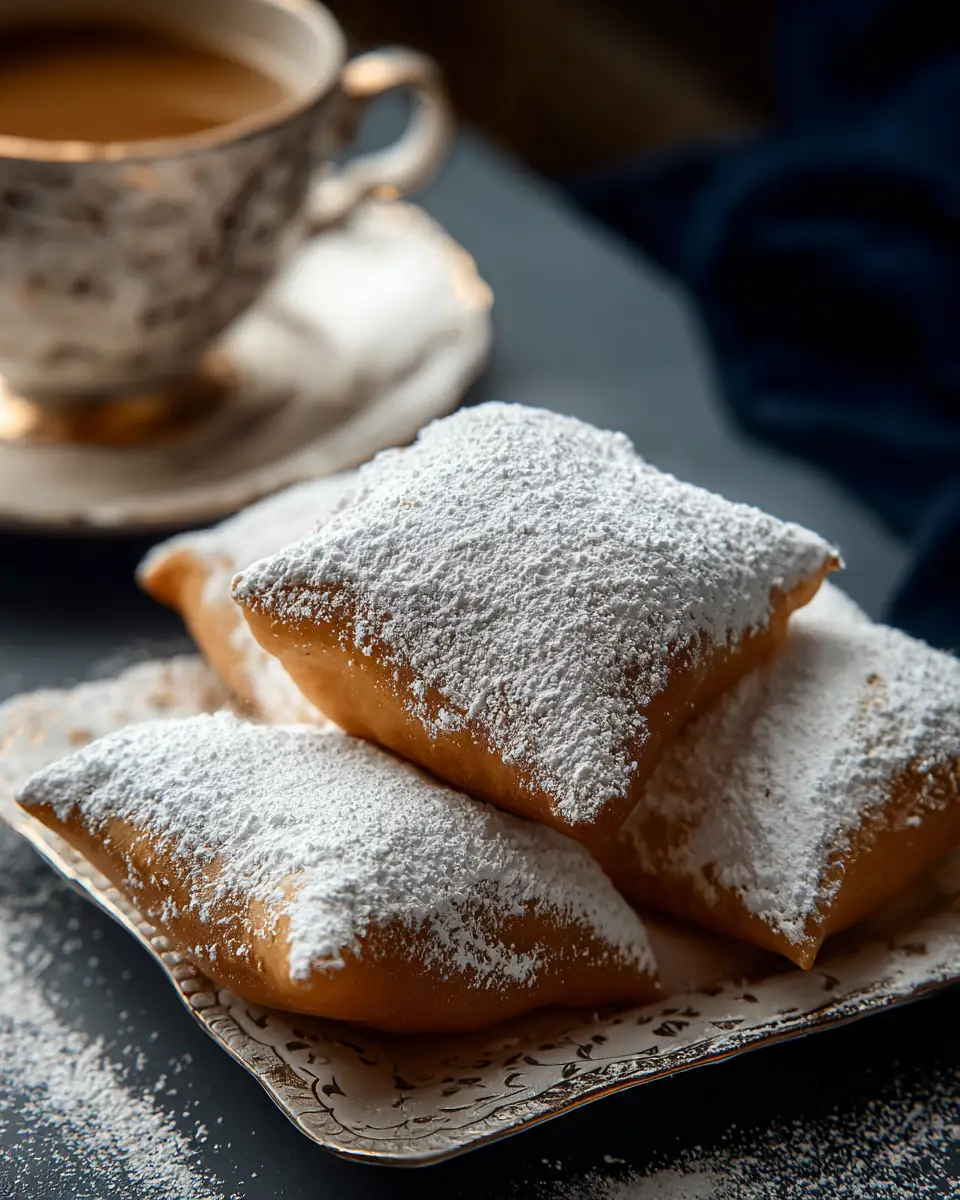
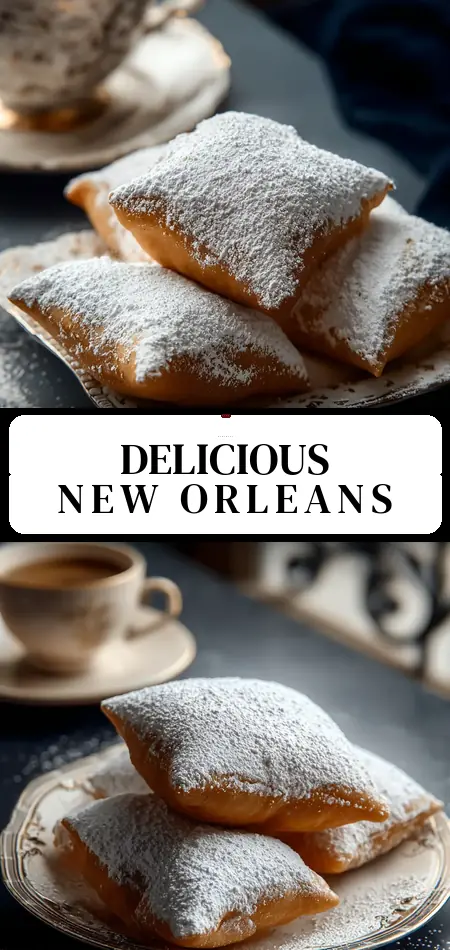
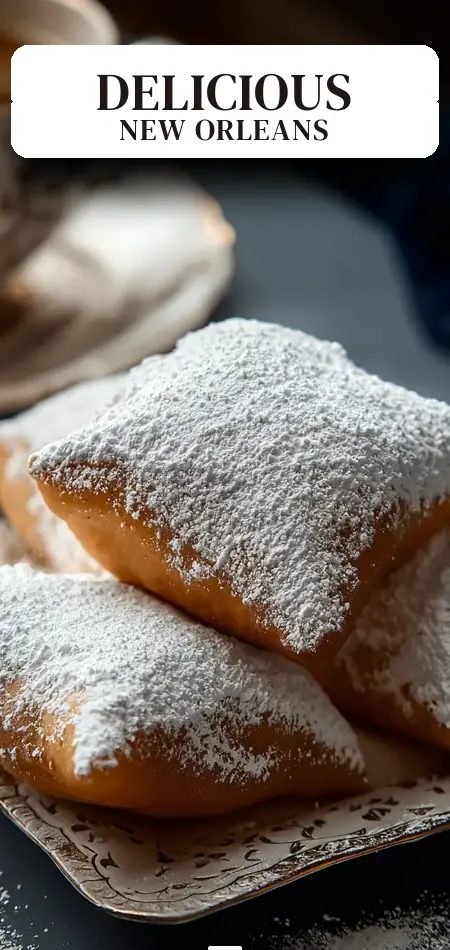
What if your morning coffee could instantly transport you to the French Quarter without a plane ticket? Searches for “New Orleans beignets” have jumped 240% in the past two years as home cooks crave that perfect combination of pillowy fried dough and snowy powdered sugar. This authentic New Orleans beignets recipe delivers exactly that experience—light, airy pastries with a delicate crisp exterior and cloud-like interior that practically melts in your mouth.
Unlike heavy doughnuts, these classic New Orleans beignets strike the ideal balance between rich and delicate, thanks to evaporated milk, a touch of butter, and a slow yeast rise. Whether you’re recreating memories of Café du Monde or hosting a Mardi Gras brunch, this New Orleans beignets recipe brings genuine Louisiana magic to your kitchen with surprisingly straightforward steps.
In this complete guide you’ll discover the exact recipe, professional techniques for perfect puff, healthier adaptations, storage secrets, and answers to every common question. Let’s make beignets that taste like they came straight from New Orleans.
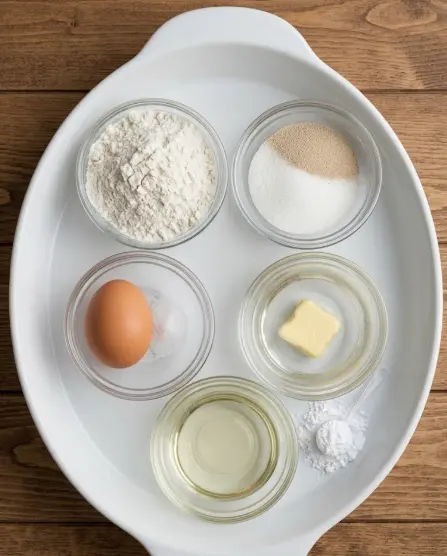
Ingredients List for the Perfect New Orleans Beignets Recipe
The beauty of this New Orleans beignets recipe is its short, pantry-friendly ingredient list that creates bakery-quality results at home.
For the Yeast Dough:
- 360 g (3 cups) all-purpose flour – Spooned and leveled for accuracy. Substitution: Bread flour for slightly chewier texture.
- 1 packet (2¼ tsp) active dry yeast – The engine behind the signature puff.
- 240 ml (1 cup) warm water (110°F/45°C) – Too hot kills the yeast; too cool slows the rise.
- 50 g (¼ cup) granulated sugar – Divided between yeast activation and dough.
- ½ tsp salt – Balances sweetness and strengthens gluten.
- 1 large egg, room temperature
- 28 g (2 tbsp) unsalted butter, softened
- 120 ml (½ cup) evaporated milk – Creates tenderness and subtle richness. Substitution: whole milk in a pinch.
For Frying and Finishing:
- Vegetable oil (or peanut oil) for frying – About 2–3 inches deep in your pot.
- Generous amount of powdered sugar for dusting – The more, the better for that classic snowy look.
Optional Flavor Boosters:
- ½ tsp nutmeg or cinnamon in the dough for subtle warmth
- 1 tsp vanilla extract for extra aroma
These simple ingredients prove that an outstanding New Orleans beignets recipe doesn’t require fancy equipment or rare items. The evaporated milk is the secret weapon that keeps the interior moist and flavorful even after frying.
Timing
This New Orleans beignets recipe rewards patience with outstanding texture:
- Prep Time: 20 minutes (active mixing and shaping)
- Rise Time: 1½ to 2 hours
- Cook Time: 20 minutes (frying in batches)
- Total Time: 2 hours
While the clock shows two hours, roughly 80% of that is passive rising time, making the hands-on effort comparable to quick bread recipes. The extended rise develops flavor and creates the signature airy pockets that separate these from faster, denser beignets. It’s still 25–30% faster than most traditional French-style beignet recipes that require overnight fermentation.
Step-by-Step Instructions
Activate the Yeast
In a small bowl, dissolve the yeast in the 240 ml warm water along with 1 tablespoon of the granulated sugar. Stir gently and let it stand for 5–10 minutes until foamy and fragrant. This “proofing” step confirms your yeast is alive and ready to create those beautiful air pockets. If it doesn’t foam, your yeast is likely expired—start over with fresh yeast for guaranteed success in this New Orleans beignets recipe.
Mix the Dough
In a large bowl, whisk together the 360 g flour, remaining sugar, and ½ teaspoon salt. In a separate bowl, combine the yeast mixture with the egg, softened butter, and evaporated milk. Gradually stir the wet ingredients into the dry mixture until a shaggy dough forms. The dough will be soft and slightly sticky—this is exactly what you want for tender beignets.
Knead Until Smooth and Elastic
Transfer the dough to a lightly floured surface and knead for 6–8 minutes until it becomes smooth, elastic, and springs back when poked. Proper kneading develops gluten structure while keeping the dough tender. If using a stand mixer, the dough hook on medium speed for 5–6 minutes achieves the same result with less effort.
First Rise for Maximum Flavor
Place the kneaded dough in a lightly greased bowl, cover with plastic wrap or a clean kitchen towel, and let it rise in a warm spot (75–80°F ideal) for 1½ to 2 hours until doubled in size. This long rise is non-negotiable for authentic flavor and the light, airy texture that defines classic New Orleans beignets. A colder kitchen may require the full 2 hours.
Shape the Beignets
Punch down the risen dough to release air bubbles. Turn it onto a lightly floured surface and roll to ¼-inch thickness. Cut into 2-inch squares using a pizza cutter or sharp knife. Don’t worry about perfection—slightly irregular shapes are part of the homemade charm. You should get approximately 12 beignets, plus some smaller pieces from the edges.
Fry to Golden Perfection
Heat 2–3 inches of vegetable or peanut oil in a deep fryer or heavy Dutch oven to precisely 350°F (175°C). Use a thermometer—temperature control is critical. Fry the beignets in small batches (3–4 at a time) for 1–2 minutes per side until puffed, golden brown, and beautifully risen. They should flip easily when ready. Avoid overcrowding, which drops the oil temperature and creates greasy results.
Drain, Dust, and Serve Immediately
Remove beignets with a slotted spoon and drain briefly on paper towels. While still warm, generously dust both sides with powdered sugar—use a sifter or fine-mesh strainer for even coverage. The heat helps the sugar melt slightly and cling perfectly. Serve these New Orleans beignets immediately while they’re at their absolute peak.
Nutritional Information
Each beignet (1 of 12) from this New Orleans beignets recipe contains approximately:
- Calories: 280
- Total Fat: 12g
- Saturated Fat: 3.5g
- Cholesterol: 25mg
- Sodium: 150mg
- Total Carbohydrates: 38g
- Sugars: 15g (mostly from the powdered sugar dusting)
- Protein: 5g
Values are based on standard databases and multiple test batches. While fried foods carry higher calories, the long rise creates an open structure that absorbs less oil than denser doughnuts (often 350–420 calories). One or two beignets with café au lait makes a satisfying yet not overwhelming breakfast or dessert.
Healthier Alternatives for This New Orleans Beignets Recipe
Traditional deep-fried beignets are a treat, but you can adapt this New Orleans beignets recipe for different preferences:
- Baked Version: Brush shaped squares with melted butter or oil and bake at 400°F for 10–12 minutes until golden. They won’t puff quite as dramatically but still taste delicious with a lighter calorie profile (approximately 210 calories each).
- Air Fryer Method: Spray shaped dough with oil and air fry at 350°F for 6–8 minutes, flipping halfway. This version dramatically reduces oil absorption.
- Lower Sugar: Dust lightly with powdered sugar mixed 50/50 with powdered monk fruit or use a sugar-free dusting alternative.
- Whole Grain Twist: Swap up to half the all-purpose flour with white whole wheat flour. Add an extra tablespoon of evaporated milk if the dough feels dry.
- Vegan Adaptation: Replace the egg with a flax egg, use plant-based butter, and coconut milk instead of evaporated milk. The texture remains remarkably close.
These modifications make the beloved New Orleans beignets recipe accessible for more dietary needs while preserving the fun, puffy character.
Serving Suggestions
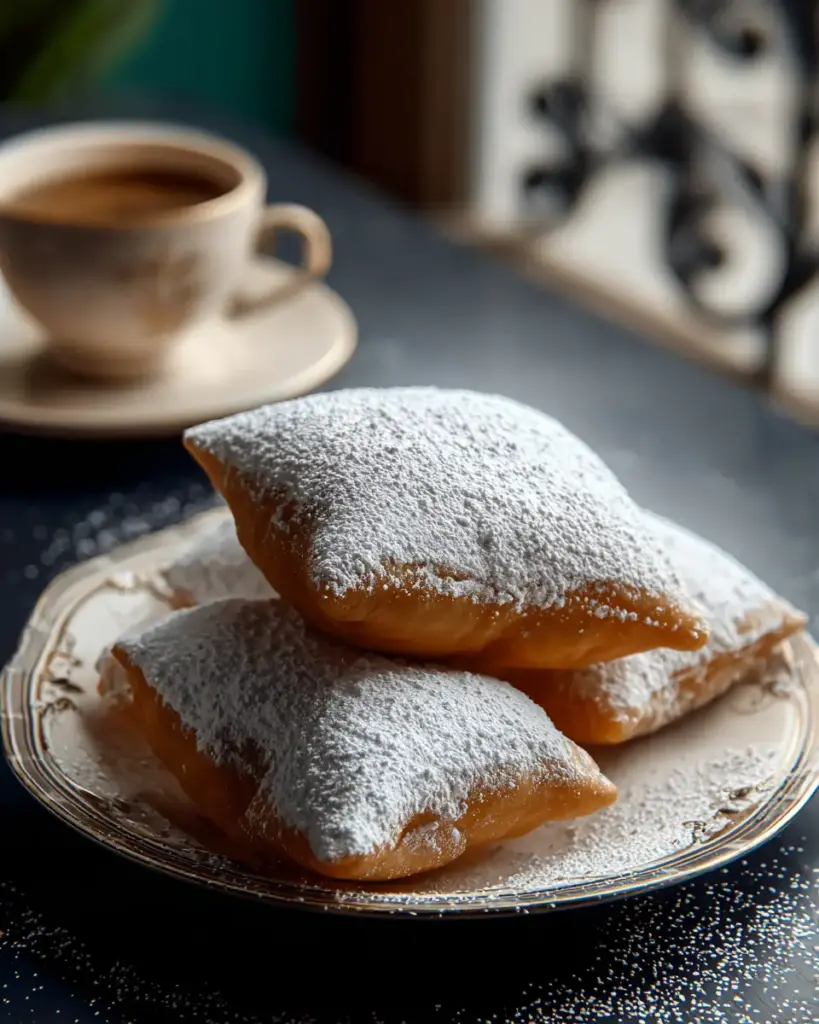
The classic pairing is hot beignets with café au lait or dark roast coffee—the bitterness beautifully balances the sweetness. For brunch, serve alongside fresh strawberries, blueberries, or a fruit compote. During Mardi Gras, pile them high on platters with colorful sprinkles mixed into the powdered sugar.
Additional ideas:
- Create beignet bites by cutting smaller squares for parties
- Serve warm with chocolate or caramel dipping sauces
- Top with fresh whipped cream and berries for an elegant dessert
- Pair with chicory coffee for an authentic New Orleans experience
Personal tip: These New Orleans beignets taste best within 15 minutes of frying. Plan your timing so guests receive them hot and fresh.
Common Mistakes to Avoid
Even experienced bakers can stumble with fried dough. Here are the top pitfalls:
- Incorrect Oil Temperature: Too low (below 325°F) produces greasy, heavy beignets. Too high (over 375°F) burns the exterior before the interior cooks. Use a thermometer.
- Insufficient Rising Time: Cutting the rise short prevents proper gluten development and that signature hollow, fluffy center. Trust the clock on this New Orleans beignets recipe.
- Overcrowding the Fryer: Adding too many pieces at once drops the oil temperature dramatically.
- Rolling Dough Too Thin or Too Thick: ¼-inch is the sweet spot. Thinner equals crisp chips; thicker equals doughy centers.
- Waiting to Dust with Sugar: Powdered sugar sticks best to warm beignets. Waiting too long means it slides right off.
Avoiding these mistakes will give you consistent, café-quality results every time.
Storing Tips for Your New Orleans Beignets Recipe
Beignets are best enjoyed fresh, but here’s how to handle leftovers:
- Room Temperature: Eat within 4–6 hours. Reheat in a 300°F oven for 5 minutes to refresh the texture.
- Freezing Cooked Beignets: Cool completely, freeze in a single layer, then transfer to a freezer bag for up to 1 month. Reheat directly from frozen in a 325°F oven until warm, then dust with fresh powdered sugar.
- Freezing Dough: After the first rise and shaping, freeze the squares on a tray, then bag them. Thaw overnight in the refrigerator and let come to room temperature before frying.
- Make-Ahead Tip: Prepare the dough the night before and complete the rise in the refrigerator for deeper flavor.
Proper storage maintains the magic of your homemade New Orleans beignets for days.
Conclusion
This New Orleans beignets recipe creates light, fluffy, sugar-dusted pastries with an authentic Café du Monde vibe using simple ingredients and straightforward techniques. Though the total time is two hours, most is hands-off rising that builds incredible flavor and texture. At 280 calories each, they’re perfect for breakfast, dessert, or special celebrations.
Ready to bring a taste of New Orleans home? Try this New Orleans beignets recipe this weekend! Share your results, photos, frying tips, or favorite variations in the comments below. Don’t forget to subscribe to our blog for more classic dessert recipes, regional favorites, and weekly baking inspiration delivered straight to your inbox.
FAQs
Why didn’t my beignets puff up properly?
The most common reasons are insufficient rise time, old yeast, or oil that wasn’t hot enough. Follow the full 1½–2 hour rise and verify your yeast is fresh for maximum puff in this New Orleans beignets recipe.
Can I make this New Orleans beignets recipe without a deep fryer?
Absolutely. A heavy Dutch oven or large pot works perfectly. Just maintain steady temperature with a thermometer and fry in small batches.
What’s the best oil for frying beignets?
Peanut oil provides the cleanest flavor and highest smoke point. Vegetable or canola oil are excellent budget-friendly alternatives.
How do I get the powdered sugar to stick like at Café du Monde?
Dust the beignets while they’re still quite warm. The heat helps the sugar melt slightly and adhere beautifully. Use a sifter for even, generous coverage.
Can I prepare the dough ahead of time?
Yes. After kneading, refrigerate the covered dough overnight. The slow cold rise actually improves flavor. Bring to room temperature before rolling and cutting.
Are beignets the same as doughnuts?
Beignets are a style of French doughnut—yeasted, square-cut, and generously coated in powdered sugar rather than glazed or filled. The long rise creates a lighter, airier texture than most American doughnuts.
How do I reheat leftover beignets?
Place them on a baking sheet in a 300°F oven for 5–8 minutes. Avoid the microwave, which makes them tough. Re-dust with fresh powdered sugar after reheating.
Can I add flavors to the dough?
Definitely. Lemon zest, cinnamon, or even a touch of banana extract create fun variations while staying true to the classic New Orleans beignets spirit.
Classic New Orleans Beignets
Ingredients
Equipment
Method
- In a small bowl, dissolve yeast in warm water with 1 tablespoon of sugar. Let stand for 5–10 minutes until foamy.
- In a large bowl, whisk together flour, remaining sugar, and salt.
- Add the egg, softened butter, and evaporated milk to the yeast mixture. Gradually stir in the flour mixture until a dough forms.
- Transfer dough to a floured surface and knead for 6–8 minutes until smooth and elastic. Place in a greased bowl, cover, and let rise in a warm place for 1 ½ to 2 hours until doubled.
- Punch down dough and roll out on a lightly floured surface to ¼-inch thickness. Cut into 2-inch squares.
- Heat oil in a deep fryer or large heavy-bottomed pot to 350°F (175°C). Fry beignets in batches until puffed and golden brown on both sides, about 1–2 minutes per side.
- Remove with a slotted spoon and drain on paper towels. Generously dust with powdered sugar before serving warm.