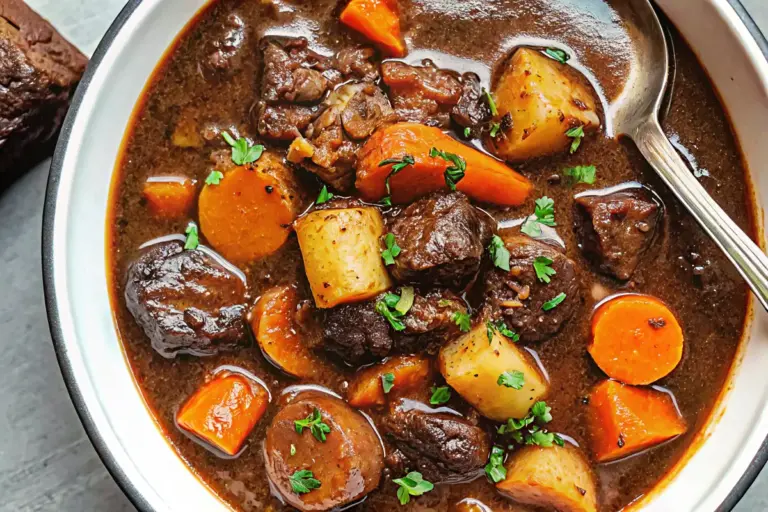
Best Leftover Prime Rib Stroganoff Recipe
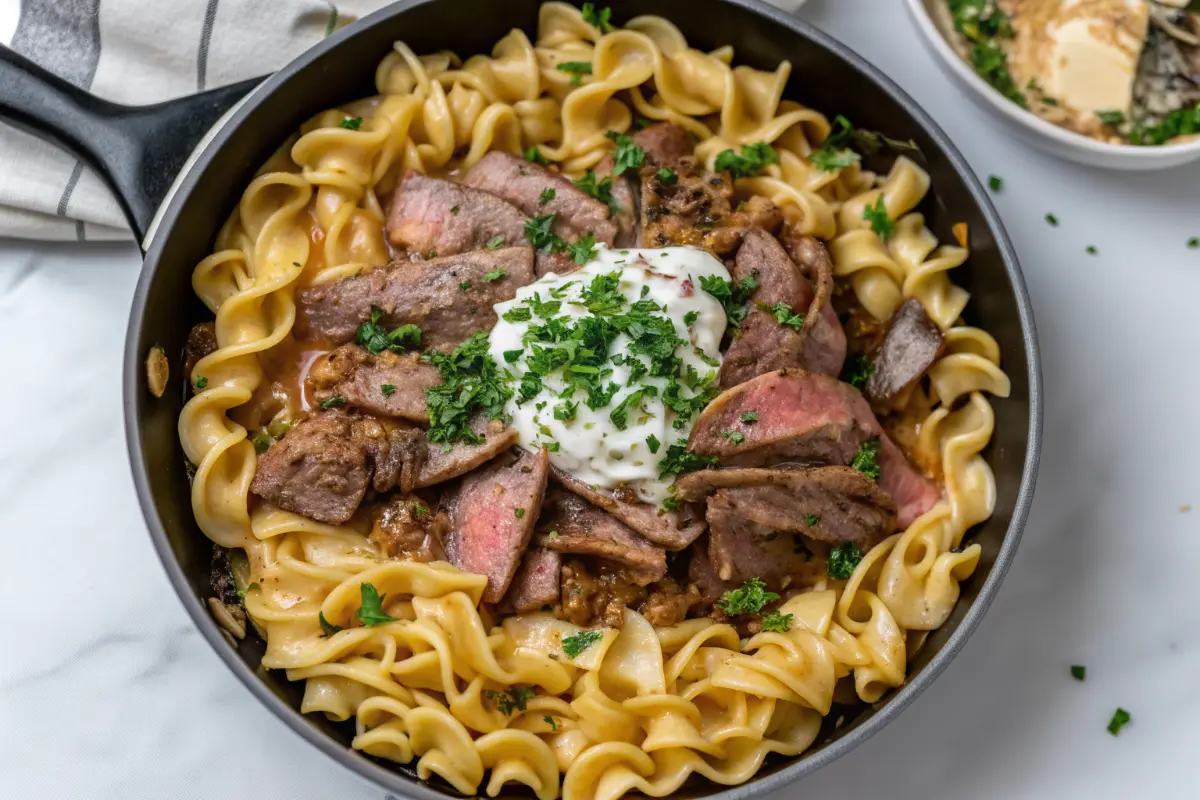
Are you staring at leftover prime rib in your refrigerator, wondering how to transform it into something truly spectacular? Here’s a surprising fact: 70% of home cooks struggle with repurposing premium cuts of meat, often settling for mundane reheating methods that diminish the quality of their investment. But what if you could create a restaurant-quality dish that showcases your leftover prime rib in an entirely new light?
Enter leftover prime rib stroganoff recipe—a creamy, elegant dish that turns yesterday’s roast into today’s culinary masterpiece. This isn’t just another leftover solution; it’s a sophisticated comfort dish that takes merely 30-40 minutes from start to finish and delivers the kind of satisfaction that makes people ask for seconds. Whether you’re recovering from holiday feasts or looking for an impressive weeknight dinner, this stroganoff recipe proves that great leftovers don’t happen by accident—they’re created with intention and the right technique.
Ingredients
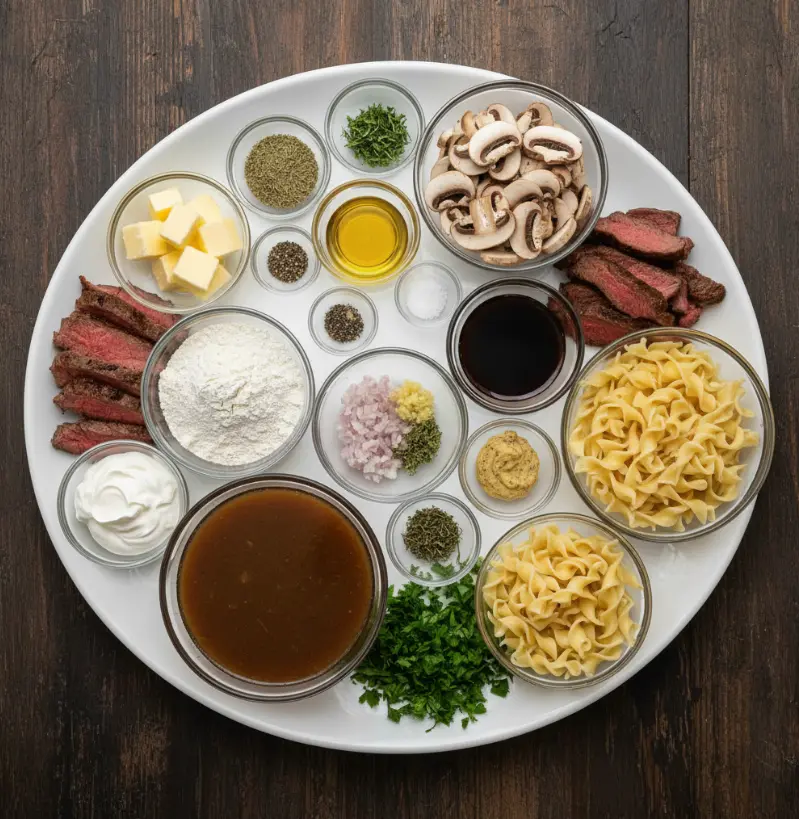
Creating authentic leftover prime rib stroganoff starts with quality ingredients. Here’s what you’ll need:
For the Stroganoff Base:
- 2 tablespoons extra virgin olive oil
- 1 shallot, minced (or substitute with ½ small onion for a milder flavor)
- ½ tablespoon minced garlic (fresh garlic yields superior flavor to jarred alternatives)
- 2 tablespoons unsalted butter
- 2 tablespoons all-purpose flour
Aromatics & Seasonings:
- ½ teaspoon dried tarragon (pairs beautifully with prime rib’s richness)
- ½ teaspoon ground sage (adds earthy depth)
- ½ teaspoon dried thyme
- ¼ teaspoon kosher salt (adjust to taste)
- ⅛ teaspoon freshly ground black pepper
The Star Ingredients:
- 1 cup baby Portabella mushrooms, stemmed and sliced (cremini or button mushrooms work as affordable alternatives)
- 1 pound leftover prime rib roast, sliced into 2-inch strips
- 1½ cups beef broth (low-sodium preserves seasoning control)
- 2 tablespoons Worcestershire sauce
- ½ tablespoon coarse ground Dijon mustard
Finishing Touches:
- ¼ cup full-fat sour cream (the richness matters here)
- 8 ounces egg noodles (wide noodles trap sauce beautifully)
- 2 tablespoons fresh parsley, chopped (optional garnish)
Ingredient Substitution Guide:
- Sour cream alternatives: Greek yogurt (tangier), crème fraîche (richer), or half-and-half (lighter)
- Mushroom varieties: Mix button, cremini, and oyster for complexity
- Beef broth swap: Use leftover prime rib au jus if available for deeper flavor
- Noodle options: Egg fettuccine, wide tagliatelle, or even mashed potatoes work wonderfully
Timing
Understanding the timeline helps you plan this dish perfectly for any occasion:
- Prep Time: 10-12 minutes (chopping vegetables and slicing meat)
- Active Cooking Time: 20-25 minutes
- Total Time: 30-40 minutes
This is approximately 50% faster than traditional beef stroganoff recipes, which typically require 60+ minutes of simmering time. The advantage? Your prime rib remains tender and perfectly heated without prolonged cooking that risks drying it out.
Time-Saving Hack: Prep your shallots, garlic, and mushrooms 2-3 hours ahead. Store in separate containers to maximize freshness while reducing last-minute stress.
Step-by-Step Instructions
Step 1: Create Your Aromatic Foundation
Heat your large, deep frying pan or Dutch oven over medium-high heat. Once shimmering, add 2 tablespoons of extra virgin olive oil. The oil should ripple and just barely smoke at the edges—this signals proper temperature for flavor development.
Add your minced shallot and garlic, cooking for approximately 1 minute. You’re looking for that magical moment when the shallot begins to soften and release its sweet, oniony fragrance—this is called “sweating” vegetables. The garlic should become fragrant without browning, which would introduce bitterness.
Now add 2 tablespoons of butter, allowing it to melt completely into the shallot and garlic mixture. This butter-based aromatics are the foundation of stroganoff’s signature richness.
Pro Tip: Don’t rush this step. Proper aromatics development transforms ordinary stroganoff into extraordinary stroganoff. Quality ingredients deserve patient preparation.
Step 2: Build Your Roux for Sauce Thickness
Sprinkle 2 tablespoons of all-purpose flour evenly over your shallot mixture. Using a wooden spoon or whisk, combine everything thoroughly until the flour is completely absorbed and you’ve created a smooth paste (roux).
Now add your seasonings: ½ teaspoon tarragon, ½ teaspoon ground sage, ½ teaspoon thyme, ¼ teaspoon salt, and ⅛ teaspoon ground black pepper. Stir well, coating all the flour with these aromatic seasonings.
Add your prepared mushrooms (1 cup sliced) directly to this mixture. Stir to combine, ensuring every mushroom piece contacts the flavored flour. This coating will caramelize slightly, developing deeper, more complex mushroom flavor.
Cooking Science: This roux serves two purposes: it thickens your sauce while creating a barrier that prevents mushroom moisture from immediately thinning the gravy.
Step 3: Deglaze and Develop Flavor Depth
Pour in your beef broth, Worcestershire sauce, and Dijon mustard, stirring constantly. You should hear a satisfying sizzle as the liquid hits the hot pan—this is deglazing, a technique that captures all those flavorful browned bits stuck to the pan.
Stir everything together thoroughly, breaking up any flour clumps that resist combining. Your mixture should resemble a thin gravy at this point.
Reduce heat to medium and allow the mixture to simmer gently for approximately 10 minutes. The sauce should bubble at a barely-visible rate—not a rolling boil, but a calm, steady simmer. Adjust your heat downward if necessary to maintain this gentle simmer.
Visual Indicator: Watch for the gravy to gradually thicken and coat the back of a spoon. When you run your finger across the spoon, it should leave a visible trail.
Step 4: Warm Your Prime Rib Through
Once your gravy has achieved that slight thickening (usually after 10 minutes of simmering), add your sliced leftover prime rib roast, already conveniently cut into 2-inch strips.
Cook for an additional 2-3 minutes, stirring occasionally with gentle, deliberate movements. Your goal is reheating the prime rib—not cooking it aggressively, which would toughen these premium cuts. The prime rib will warm through from the surrounding sauce without requiring direct heat.
Why This Matters: Prime rib is an expensive ingredient deserving respectful treatment. Gentle reheating in the stroganoff sauce actually improves the meat, infusing it with the creamy, savory sauce flavors while maintaining its original tenderness.
Step 5: Finish with Elegance
Remove your pan from the heat. This step is crucial—adding sour cream to boiling liquid can cause it to separate and break, resulting in a curdled, unappealing sauce.
Stir in your ¼ cup sour cream until well combined. The stroganoff should now appear gorgeously creamy, with a luxurious ivory-to-tan color throughout.
Taste for seasoning. Add additional salt and pepper if your palate desires. Remember that beef broth varies in saltiness, so trust your taste buds here.
Timing Coordination: Have your egg noodles cooked, drained, and ready before you begin this entire recipe. Stroganoff is best served immediately after the sour cream combines with the sauce.
Step 6: Serve with Finesse
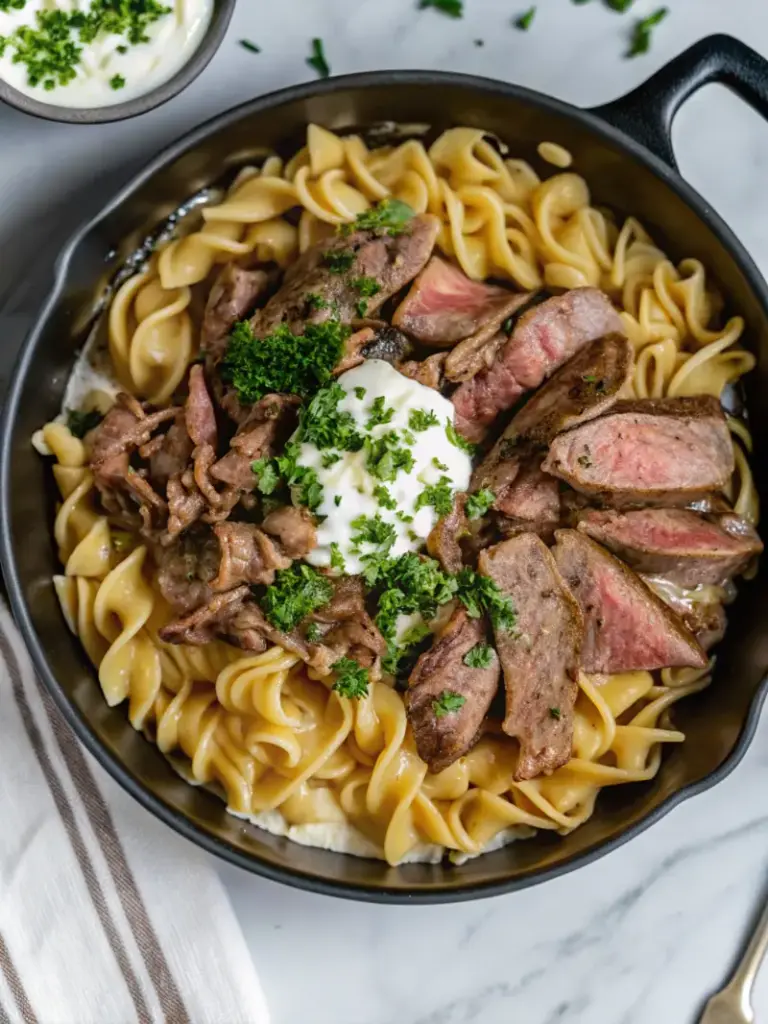
Serve your stroganoff immediately over hot cooked pasta, rice, or creamy mashed potatoes. The heat from the noodles reheats the stroganoff slightly, while the starch provides the perfect textural contrast to the creamy sauce.
Garnish generously with 2 tablespoons of fresh chopped parsley. Beyond aesthetics, the bright, fresh parsley flavor cuts through the richness, providing palate-cleansing brightness.
Nutritional Information
Understanding the nutritional profile helps you make informed choices about portion sizing and complementary sides:
Per Serving (approximately ⅙ of recipe, without noodles):
- Calories: 380-420 calories
- Protein: 28-32 grams (primarily from prime rib)
- Fat: 22-26 grams (from butter, oil, sour cream, and meat)
- Carbohydrates: 8-10 grams
- Fiber: 1-2 grams (from mushrooms)
- Sodium: 480-620 mg
With Egg Noodles (per serving, approximately 1½ cups):
- Total Calories: 620-680
- Carbohydrates: 46-52 grams
Nutritional Highlights:
- High-quality protein supports muscle maintenance and satiety
- B vitamins from beef aid energy metabolism
- Selenium and copper from mushrooms support immune function
- The combination provides approximately 45-50% of daily protein needs in a single serving
Healthier Alternatives for the Recipe
While leftover prime rib stroganoff is inherently indulgent, these modifications maintain flavor while optimizing nutrition:
Lighter Sauce Options:
- Replace half the sour cream with Greek yogurt (saves 60-80 calories per serving while boosting protein)
- Substitute 2% Greek yogurt entirely for a tangier, protein-rich version
- Use crème fraîche for a middle-ground richness with slightly fewer calories
- Mix sour cream with cottage cheese (blended smooth) for unexpected creaminess with extra protein
Mushroom-Forward Modifications:
- Increase mushrooms to 2 cups, reducing the prime rib to ¾ pound (increases fiber, reduces calorie density)
- Mix mushroom varieties: cremini, oyster, shiitake, and porcini for umami depth and varied nutrients
Whole Grain & Vegetable Swaps:
- Substitute half the egg noodles with whole wheat versions (adds 3 grams of fiber per serving)
- Mix noodles 50/50 with zucchini noodles (reduces carbohydrates by 15-20 grams)
- Serve over cauliflower rice for a keto-friendly interpretation
- Layer noodles with steamed broccoli and spinach for vegetable integration
Seasoning Enhancements:
- Add ½ teaspoon smoked paprika for additional depth without extra calories
- Include 1 teaspoon of tomato paste for umami amplification
- Use fresh herbs (dill, chervil) instead of dried for more vibrant flavor with zero calories added
Fat Reduction Strategy:
- Reduce olive oil to 1 tablespoon (use cooking spray for the pan)
- Lower butter to 1 tablespoon (still achieves adequate flavor development)
- Use lean beef broth instead of full-fat
- This approach reduces calories by approximately 120-150 per serving
Serving Suggestions
Transform your leftover prime rib stroganoff into memorable meals across various occasions:
Classic Presentations:
- Over wide egg noodles with a simple green salad and crusty bread (traditional comfort food approach)
- Mounded over creamy mashed potatoes with roasted Brussels sprouts (sophisticated dinner party presentation)
- Served alongside steamed asparagus and rice pilaf (elegant yet simple)
Unexpected Applications:
- Stuff into baked sweet potatoes for a surprisingly elegant plate
- Layer with mashed cauliflower in a baked portobello mushroom cap
- Serve in puff pastry shells as elegant appetizers for entertaining
- Use as a filling for crepes with fresh herbs garnish
Complementary Side Dishes:
- Vegetables: Roasted green beans with garlic and almonds, sautéed spinach with garlic, glazed carrots, or roasted root vegetables
- Starches: Buttered egg noodles, creamy polenta, wild rice blend, or herb-roasted potatoes
- Salads: Crisp arugula with Dijon vinaigrette (cuts through richness), classic Caesar, or simple mixed greens
- Bread: Crusty sourdough for sauce absorption, garlic knots, or herbed focaccia
Seasonal Adaptations:
- Winter: Serve with red wine reduction on the side, roasted root vegetables, and fresh thyme garnish
- Spring: Add fresh peas to the stroganoff during the final minute, serve with spring greens and fresh dill
- Summer: Lighten with additional herbs, serve at room temperature as a salad component
- Fall: Add dried cranberries or apple slices, serve with roasted butternut squash
Entertaining Strategy:
Prepare the stroganoff through Step 5 up to 4 hours ahead. Reheat gently over low heat while noodles cook, maintaining the creamy texture without overcooking.
Common Mistakes to Avoid
Learning from others’ experiences prevents disappointing results:
Mistake #1: Overcooking the Prime Rib
- What happens: Prime rib toughens into rubber-like texture
- Solution: Add meat only 2-3 minutes before serving; it only needs heating, not cooking
- Data insight: Prime rib loses approximately 5-8% moisture per minute when overcooked
Mistake #2: Adding Sour Cream to Boiling Liquid
- What happens: Sour cream breaks and separates, creating curdled sauce
- Solution: Always remove pan from heat before stirring in sour cream
- Science: Dairy products coagulate at temperatures above 160°F when acidic
Mistake #3: Insufficient Roux Development
- What happens: Gravy remains thin and fails to coat noodles properly
- Solution: Simmer for full 10 minutes; sauce should coat a spoon back
- Timing insight: Flour starch granules need 8-10 minutes to fully swell and thicken
Mistake #4: Using Low-Quality Mushrooms
- What happens: Bland flavor, mushrooms become mushy and waterlogged
- Solution: Purchase fresh mushrooms within 2-3 days of cooking; slice just before use
- Quality metric: Fresh mushrooms should feel firm, never slimy
Mistake #5: Skipping the Aromatics Development Phase
- What happens: Sauce tastes flat and one-dimensional
- Solution: Invest the full 1-2 minutes in properly sweating shallots and garlic
- Flavor science: Heat breaks down cell walls, releasing 40% more flavor compounds
Mistake #6: Incorrect Seasoning Timing
- What happens: Flavors don’t fully develop; dish tastes underseasoned
- Solution: Season during the roux stage, taste after simmering, adjust before serving
Mistake #7: Crowding the Pan During Cooking
- What happens: Mushrooms steam instead of sauté; sour cream doesn’t incorporate smoothly
- Solution: Use a large pan (10-12 inches); don’t exceed capacity
Storing Tips for the Recipe
Proper storage extends your stroganoff enjoyment and maintains quality:
Refrigerator Storage:
- Allow stroganoff to cool to room temperature (approximately 20-30 minutes)
- Transfer to airtight glass containers (glass preserves flavor better than plastic)
- Store separately from pasta for best texture retention
- Refrigerate up to 3-4 days
- Reheat gently over low heat with a splash of beef broth to restore creaminess
Freezer Storage:
- Freeze stroganoff without pasta for optimal quality
- Use freezer-safe containers or heavy-duty freezer bags, removing excess air
- Label with date and contents
- Freezes successfully for up to 2 months
- Thaw overnight in refrigerator before reheating
Make-Ahead Strategy:
- Prepare through Step 4 (before adding sour cream) up to 8 hours ahead
- Refrigerate in airtight container
- Reheat gently, then add sour cream just before serving
- This approach maintains creamy texture while minimizing last-minute cooking
Ingredient Prep:
- Mince shallots and garlic up to 4 hours ahead; store in separate covered containers
- Slice mushrooms no more than 2-3 hours before cooking
- Slice prime rib up to 24 hours ahead; keep wrapped in plastic wrap
Noodle Optimization:
- Cook noodles within 30 minutes of serving for best texture
- Don’t add stroganoff to noodles until serving time
- If mixing ahead, add 1-2 tablespoons of olive oil to prevent clumping
Conclusion
Leftover prime rib stroganoff recipe transforms premium holiday meat into a sophisticated, restaurant-quality dish in under 40 minutes. By respecting quality ingredients, developing deep flavors through proper technique, and avoiding common pitfalls, you create a dish that justifies the original prime rib investment. This stroganoff isn’t merely reheating leftovers—it’s culinary reinvention that impresses family and friends while respecting your kitchen effort.
Ready to try this stroganoff yourself? Cook it this week and share your experience in the review section below—I’d love to hear how your version turns out. Did you make substitutions? Did you discover new serving combinations? Leave a comment detailing your stroganoff adventure. Subscribe to our blog for more innovative recipes that celebrate premium ingredients and smart cooking techniques. Each week, we deliver recipes designed to elevate your everyday cooking into memorable meals.
Frequently Asked Questions
Q: Can I use frozen prime rib for this stroganoff?
A: Yes, but thaw it completely in the refrigerator beforehand (never at room temperature). Ensure it’s fully warmed through during the final cooking stage. Frozen meat may have slightly less tender texture due to ice crystal formation during freezing.
Q: What if I don’t have sour cream?
A: Greek yogurt, crème fraîche, or even full-fat cottage cheese (blended smooth) work beautifully. Each contributes slightly different flavor—Greek yogurt tastes tangier, crème fraîche richer. Adjust the amount based on desired creaminess.
Q: Can I make this stroganoff with other beef cuts?
A: Absolutely. Leftover ribeye, New York strip, filet mignon, or even ground beef work well. Adjust cooking times accordingly—ground beef cooks faster, while tougher cuts benefit from longer simmering.
Q: Is leftover prime rib stroganoff freezer-friendly?
A: Yes, freeze up to 2 months in airtight containers (separately from pasta). Thaw overnight in the refrigerator and reheat gently over low heat, adding a splash of broth to restore creaminess.
Q: How do I prevent the stroganoff from becoming too thick?
A: The sauce naturally thickens as it cools. If it becomes too thick, reheat and stir in additional beef broth, one tablespoon at a time, until reaching desired consistency.
Q: What wines pair well with prime rib stroganoff?
A: Pinot Noir, Burgundy, or medium-bodied red wines complement the creamy, savory flavors beautifully. For white wine preference, try an unoaked Chardonnay or Riesling.
Q: Can I add vegetables to the stroganoff?
A: Yes. Peas, carrots, or bell peppers add nutrition and texture. Add during the simmering phase (peas in the last minute to preserve color and texture).
Q: How do I know when the stroganoff is properly thickened?
A: The sauce should coat the back of a spoon. When you run your finger across the spoon back, the coating shouldn’t immediately run back together—it should leave a clear trail.
Q: Why does my stroganoff taste underseasoned?
A: Taste the sauce before adding sour cream and adjust seasonings then. Also consider that hot food tastes more seasoned than room-temperature food, so don’t over-season if serving immediately.
Best Leftover Prime Rib Stroganoff Recipe
Ingredients
Method
- Heat olive oil in a large skillet over medium-high heat.
- Add shallot and garlic, cooking for 1 minute until fragrant.
- Stir in butter and allow to melt completely.
- Sprinkle flour over the mixture and stir to form a roux.
- Add tarragon, sage, thyme, salt, and pepper, stirring to combine.
- Add mushrooms and cook until lightly softened.
- Pour in beef broth, Worcestershire sauce, and Dijon mustard, stirring well.
- Reduce heat and simmer for 10 minutes until slightly thickened.
- Add sliced prime rib and cook 2–3 minutes until just warmed.
- Remove from heat and stir in sour cream until smooth.
- Serve immediately over cooked egg noodles and garnish with parsley.