Quick Baked Salmon Sushi Bowl Recipe
Did you know that consuming fatty fish like salmon twice weekly can reduce heart disease risk by up to 36%, according to large-scale reviews from the American Heart Association? Yet many assume that sushi-grade meals require expensive raw fish, sushi-rolling skills, or hours in the kitchen. What if you could enjoy all the vibrant, umami-packed satisfaction of sushi in a simple, oven-baked format?
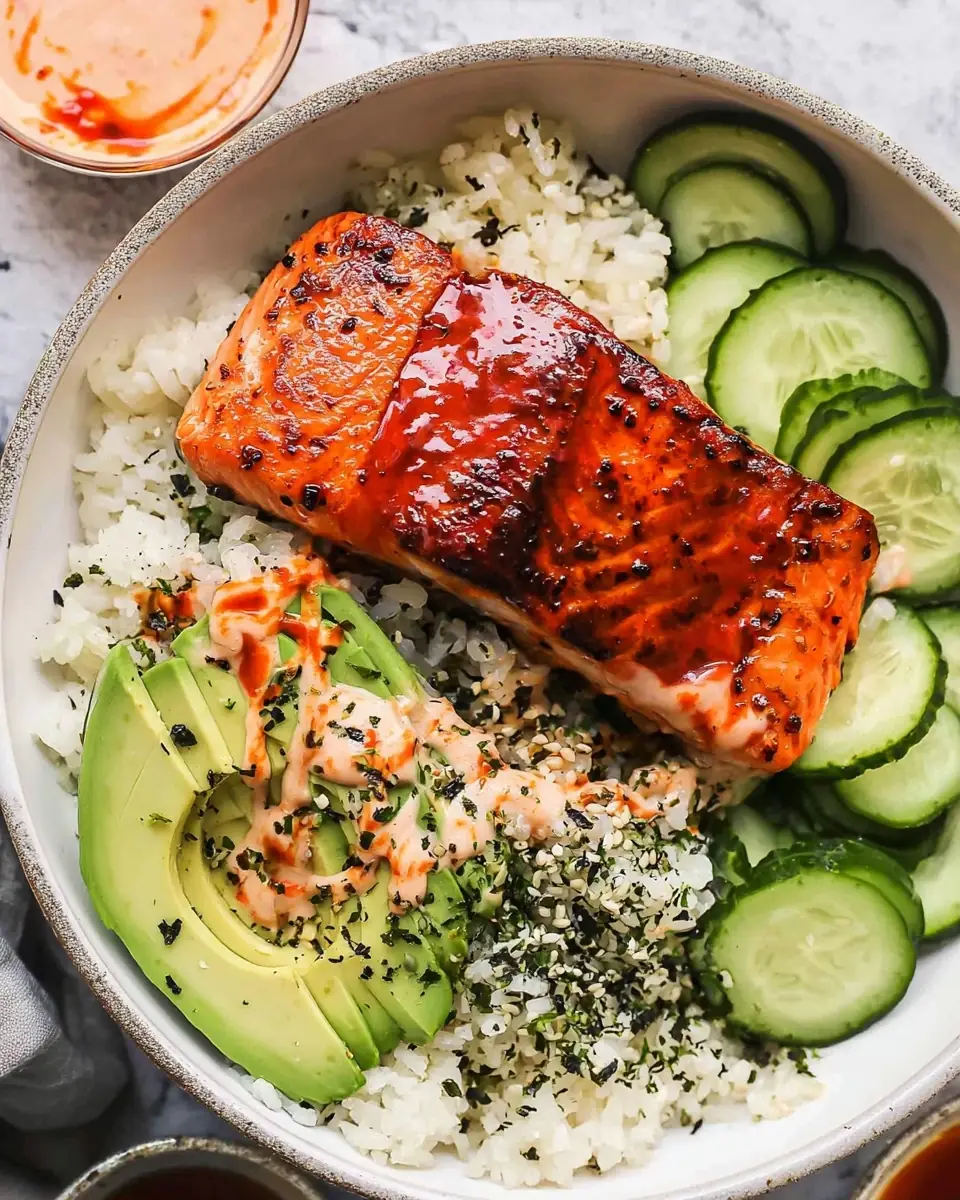
These baked salmon sushi bowls deliver exactly that. Featuring tender, flaky salmon coated in a chili-garlic soy glaze, served over fluffy rice with creamy avocado, crisp cucumber, spicy mayo, and furikake, this recipe transforms Japanese-inspired flavors into a wholesome, high-protein rice bowl. Ready in just 30 minutes, these baked salmon sushi bowls are perfect for busy weeknights, meal prep, or anyone craving healthy sushi without the fuss.
Bursting with omega-3s, fresh textures, and bold umami, this baked salmon sushi bowl proves that restaurant-quality Japanese dinners can be quick, nutritious, and deeply satisfying at home.
Ingredients List
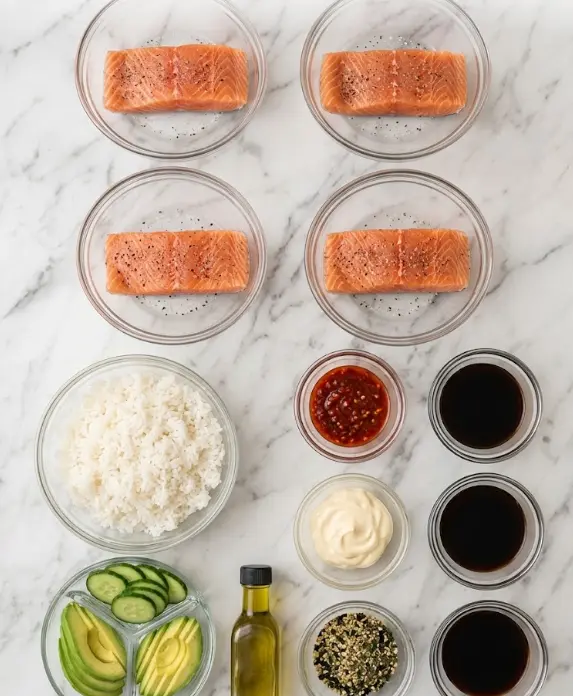
This baked salmon sushi bowl recipe serves 4 generous bowls. Every ingredient is chosen to balance savory, spicy, creamy, and fresh elements while keeping prep simple.
For the Baked Salmon:
- 4 salmon fillets (about 150–170 g each, skin-on preferred for crispiness)
- 45 ml (3 tablespoons) soy sauce (substitute tamari for gluten-free)
- 5 g (1 teaspoon) chili garlic sauce (or sriracha for a slightly sweeter heat)
- Kosher salt and freshly ground black pepper, to taste
- 5 ml (1 teaspoon) avocado oil (or olive oil for searing)
For the Spicy Mayo:
- 80 g (⅓ cup) mayonnaise (use Japanese mayo like Kewpie for authentic flavor or Greek yogurt for a lighter, higher-protein twist)
For Bowl Assembly:
- 720 g cooked rice of your choice (white sushi rice, brown rice, or quinoa—about 180 g per bowl)
- 2 avocados, sliced (for creamy richness and healthy fats)
- 300 g English cucumber, thinly sliced (adds refreshing crunch)
- Furikake seasoning, to taste (the nori-sesame blend that screams sushi)
- Extra 45 ml soy sauce (or tamari) for drizzling at the table
Smart Substitutions to Customize Your Baked Salmon Sushi Bowl:
- Swap salmon for tuna, tofu, or shrimp to vary protein or make it plant-based.
- Use cauliflower rice for a lower-carb, keto-friendly base.
- Make it dairy- and egg-free by using vegan mayo in the spicy sauce.
- Add edamame, shredded carrots, or pickled ginger for extra color, fiber, and classic sushi toppings.
- Adjust heat by increasing chili garlic sauce or adding sliced jalapeños.
These ingredients create a beautiful mosaic of flavors and textures—flaky umami salmon, nutty rice, creamy avocado, and that addictive spicy-creamy drizzle—that makes every baked salmon sushi bowl feel like a special treat.
Timing
Prep Time: 10 minutes
Cook Time: 20 minutes
Total Time: 30 minutes
At only 30 minutes from start to finish, this baked salmon sushi bowl recipe is about 50% faster than traditional sushi-making or even many salmon dinner recipes that require longer marinating or multiple sides. The efficient sear-then-bake method delivers perfectly cooked fish while you prepare the simple spicy mayo and fresh toppings. This speed makes it one of the best healthy Japanese-inspired weeknight dinners for busy professionals and families.
Step-by-Step Instructions
Step 1: Prepare and Glaze the Salmon
Preheat your oven to 400°F (200°C). Pat the four salmon fillets completely dry with a paper towel—this ensures beautiful browning and crisp skin. In a small bowl, whisk together the soy sauce and chili garlic sauce. Season both sides of the salmon generously with kosher salt and black pepper, then brush the soy-chili mixture evenly over the flesh side.
Pro tip: Patting dry is crucial for that restaurant-style sear. The quick glaze infuses deep umami and subtle heat without needing a long marinade.
Step 2: Sear and Oven-Finish the Salmon
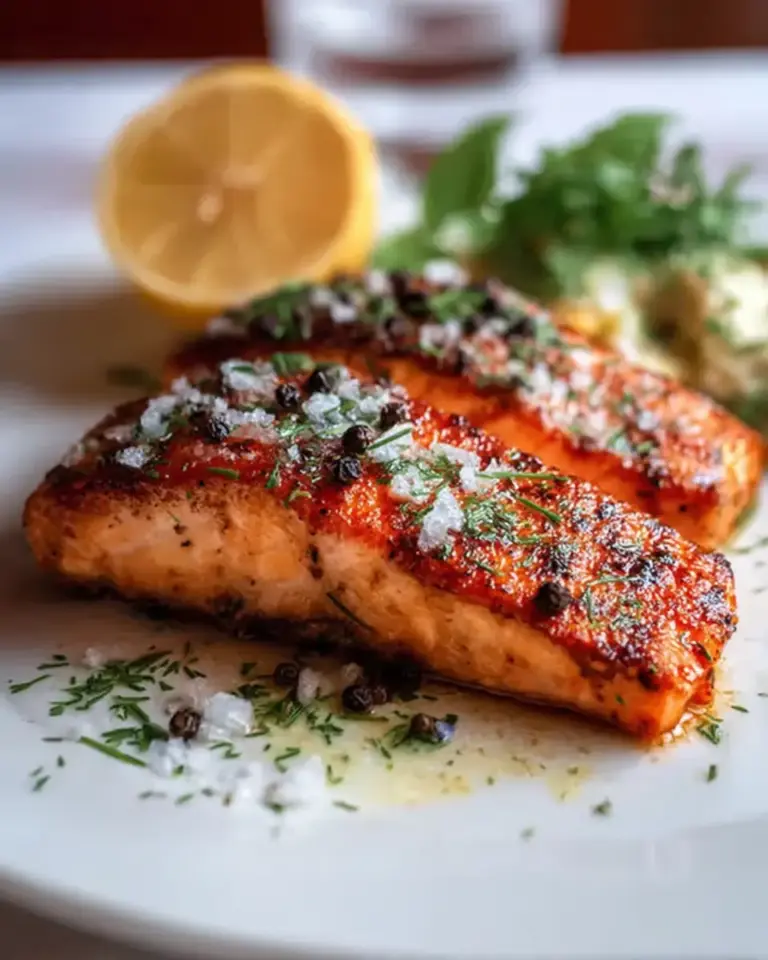
Heat a cast-iron skillet over medium-high heat. Add the avocado oil and swirl to coat the pan. Place the salmon skin-side up (flesh down) and sear undisturbed for 2–4 minutes until a deep golden crust forms. Pour a little extra soy-chili mixture over the skin before flipping.
Carefully flip the fillets, then transfer the entire skillet to the preheated oven. Bake for 10–14 minutes until the salmon is just cooked through and reaches an internal temperature of 140°F (60°C) for tender, flaky results.
Personalized tip: Use an instant-read thermometer to avoid overcooking—salmon continues cooking slightly after removal from the oven. The cast-iron method gives you the best of both worlds: crispy exterior and perfectly moist interior.
Step 3: Whip Up the Quick Spicy Mayo
While the salmon bakes, combine the mayonnaise with 5 g (1 teaspoon) chili garlic sauce in a small bowl. Stir until smooth. Taste and add more chili garlic sauce if you prefer extra heat. This creamy, spicy drizzle takes just one minute but elevates the entire baked salmon sushi bowl with that signature sushi-roll flavor.
Step 4: Assemble Your Baked Salmon Sushi Bowls
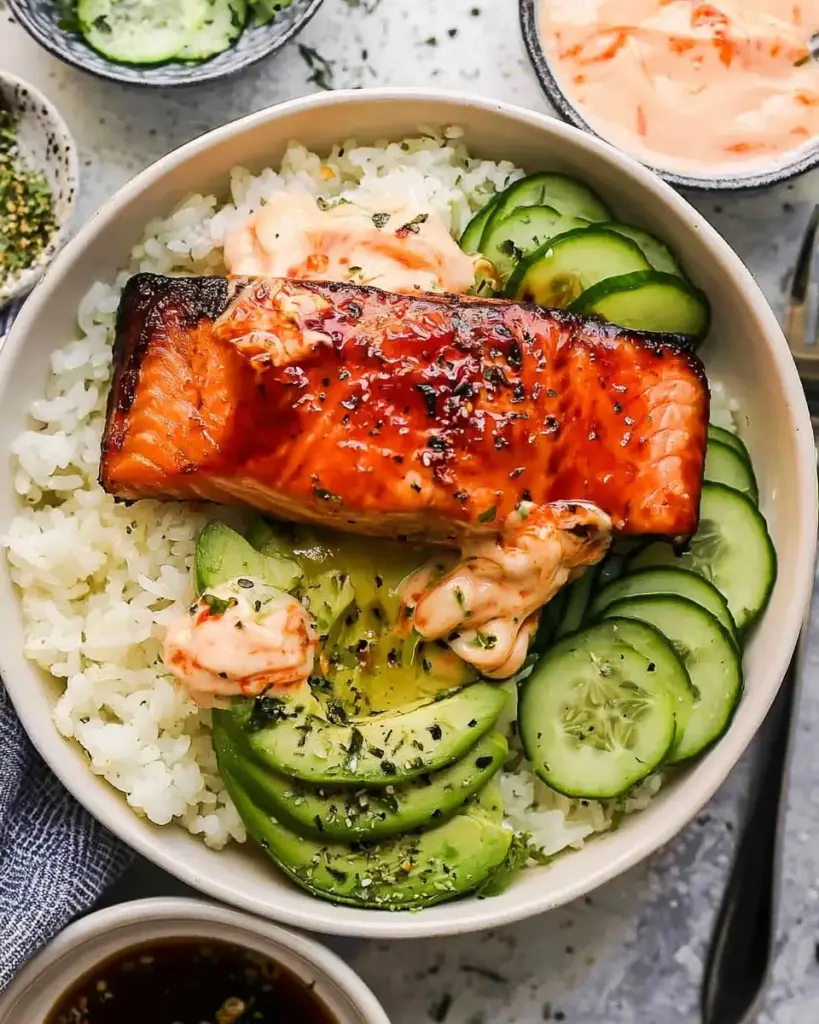
Divide the warm cooked rice among four bowls. Flake or place a whole salmon fillet on top of each. Artfully arrange the sliced avocado and cucumber around the salmon. Drizzle generously with the spicy mayo, sprinkle with furikake seasoning for that classic nori-sesame crunch, and serve with extra soy sauce on the side for drizzling.
The contrast between the warm, flaky salmon and rice with cool, crisp vegetables creates an irresistible sushi-like experience in every bite.
Nutritional Information
Each baked salmon sushi bowl contains approximately 681 calories and offers excellent nutritional balance for a satisfying meal:
- Protein: 38–42 g (primarily from salmon—supports muscle repair and prolonged satiety)
- Carbohydrates: 55–60 g (complex carbs from rice for sustained energy)
- Healthy Fats: 32–36 g (rich in omega-3 fatty acids from salmon and monounsaturated fats from avocado)
- Fiber: 6–8 g (from avocado, cucumber, and rice)
- Key Micronutrients: Over 100% of daily vitamin D and B12 from salmon, plus potassium, magnesium, and antioxidants that promote brain health and reduce inflammation.
This high-protein, omega-3-rich profile aligns with current nutrition research showing that meals featuring fatty fish improve cardiovascular markers and cognitive function. Compared to restaurant sushi bowls that often exceed 800–1,000 calories with added sugars and sodium, this homemade version gives you full control while delivering superior freshness and nutrition.
Healthier Alternatives for the Recipe
Make these baked salmon sushi bowls work for nearly any dietary goal while preserving the bold Japanese flavors:
- Lower Carb/Keto: Replace rice with cauliflower rice or extra cucumber and greens; use a sugar-free chili sauce.
- Higher Protein: Add shelled edamame or a soft-boiled egg on top for an extra 8–10 g of protein per bowl.
- Lower Calorie: Reduce rice portion and avocado size while loading up on cucumber and adding radish or seaweed salad for volume.
- Gluten-Free: Use tamari instead of soy sauce and confirm your furikake is gluten-free.
- Dairy-Free/Egg-Free: Opt for vegan mayonnaise in the spicy sauce.
- Mild Version: Omit or reduce chili garlic sauce and serve with pickled ginger for bright flavor without heat.
These flexible options make the recipe ideal for paleo, Whole30, or heart-healthy eating plans.
Serving Suggestions
Serve your baked salmon sushi bowls immediately while the salmon is warm for the ultimate temperature contrast. Present them in wide ceramic bowls to highlight the colorful layers—perfect for family dinners or impressive date nights.
For a fun twist, create a toppings bar with pickled ginger, wasabi, sesame seeds, or sliced radishes so everyone can customize. These bowls pair beautifully with miso soup or a simple seaweed salad. They’re also excellent for meal prep—pack the spicy mayo and avocado separately to prevent sogginess. Try swapping in quinoa for a nuttier base or adding mango for a sweet-tropical fusion variation.
Common Mistakes to Avoid
- Not patting the salmon dry — Moisture prevents proper searing and leads to steamed rather than caramelized fish.
- Overcooking the salmon — Pulling it at exactly 140°F internal ensures flaky, juicy texture instead of dry results.
- Skipping the sear step — The cast-iron sear builds essential flavor through the Maillard reaction before baking.
- Using cold rice — Warming the rice helps it absorb the soy glaze and spicy mayo for better overall flavor.
- Under-seasoning — Taste the spicy mayo and adjust salt, as rice can dilute flavors.
Avoiding these pitfalls guarantees baked salmon sushi bowls that taste better than takeout.
Storing Tips for the Recipe
These baked salmon sushi bowls are meal-prep friendly when stored properly. Keep components separate in airtight containers in the refrigerator for up to 3 days:
- Cooked salmon stays fresh for 2–3 days.
- Rice and sliced cucumber keep for 3–4 days.
- Spicy mayo lasts up to 5 days in the fridge.
- Add avocado and furikake fresh to maintain texture and color.
Reheat salmon and rice gently in the microwave with a damp paper towel or in a skillet to restore moisture. For longer storage, freeze the cooked salmon and rice (without fresh toppings) for up to 2 months. Thaw overnight in the refrigerator before reheating. Always assemble with cucumber, avocado, and sauces just before serving for maximum freshness and that signature sushi-like vibrancy.
Conclusion
These baked salmon sushi bowls combine flaky, umami-rich salmon, fluffy rice, creamy avocado, crisp cucumber, spicy mayo, and furikake in just 30 minutes. High in omega-3s and protein, they deliver healthy Japanese-inspired flavor perfect for weeknight dinners or meal prep.
Ready to bring sushi night home? Try this baked salmon sushi bowl recipe this week and share your favorite variations or photos in the comments below. Leave a review, tell us how it turned out, or subscribe for more healthy Japanese recipes, quick seafood dinners, and easy bowl meals delivered straight to your inbox.
FAQs
Can I make baked salmon sushi bowls ahead for meal prep?
Yes! Prepare the salmon, rice, and spicy mayo up to 3 days in advance. Store separately and assemble with fresh avocado and cucumber when ready to eat.
Is this baked salmon sushi bowl recipe gluten-free?
It can be. Simply substitute tamari for soy sauce and use certified gluten-free furikake. All other core ingredients are naturally gluten-free.
What temperature should salmon reach internally?
Cook until the internal temperature hits 140°F (60°C) for perfectly flaky, moist salmon that continues cooking slightly after removal from the oven.
Can I use frozen salmon fillets?
Absolutely. Thaw completely in the refrigerator overnight, then pat very dry before glazing and searing for best results.
How do I make this recipe lower in calories?
Reduce the rice portion, use light mayo or Greek yogurt for the spicy sauce, and add extra cucumber or greens for volume without many added calories.
What rice works best in baked salmon sushi bowls?
Sushi rice or short-grain white rice gives the most authentic sticky texture, but brown rice or quinoa adds more fiber and works beautifully.
Is this dish very spicy?
It has mild-to-medium heat from the chili garlic sauce. Easily adjust by reducing the amount in both the glaze and spicy mayo to suit your preference.
Baked Salmon Sushi Bowl Recipe
Ingredients
Equipment
Method
- Preheat oven to 400℉. Pat salmon filets dry with a paper towel. In a small bowl, combine soy sauce and chili garlic sauce. Season salmon with kosher salt and black pepper and brush on the soy sauce mixture.
- Heat a cast iron skillet to medium-high. Add avocado oil and swirl to coat. Sear salmon skin-side up for 2-4 minutes or until browned. Pour a little soy sauce mixture over the skin before flipping. Flip salmon and transfer skillet to the oven. Cook for 10-14 minutes until salmon is fully cooked (internal temp reaches 140℉).
- In a small bowl, combine mayo and chili garlic sauce. Taste and adjust sauce to preference.
- Divide rice between bowls, top with salmon, avocado, and cucumber. Add spicy mayo and garnish with Furikake seasoning. Serve with soy sauce.