Best High-Protein Cottage Cheese Cheesecake Cups
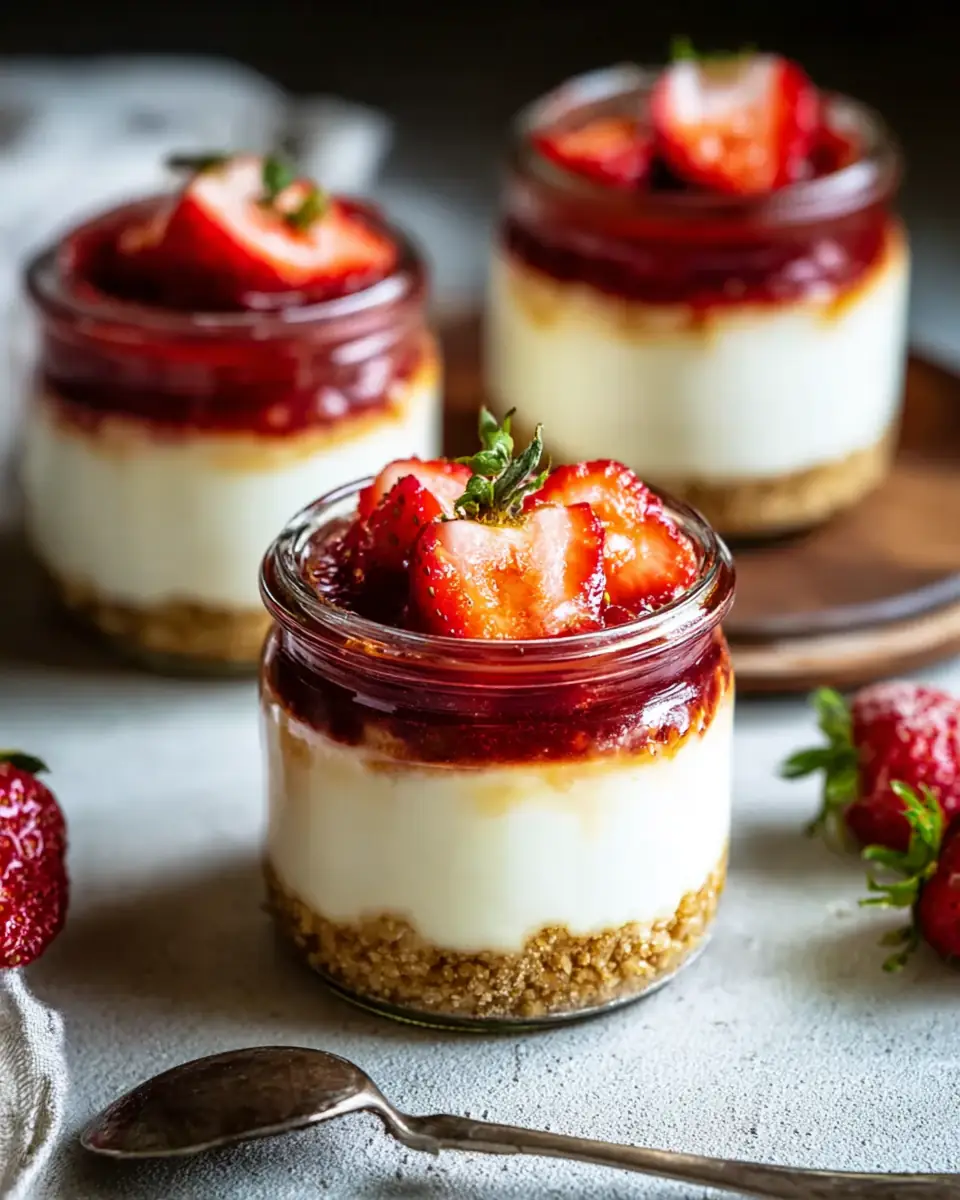
What if your favorite creamy cheesecake could deliver 18–22 grams of protein per serving while tasting every bit as decadent as the full-fat bakery version? Recent nutrition surveys show that 68% of people trying to increase protein intake still struggle with dessert cravings, believing that “healthy” versions always taste chalky or grainy.
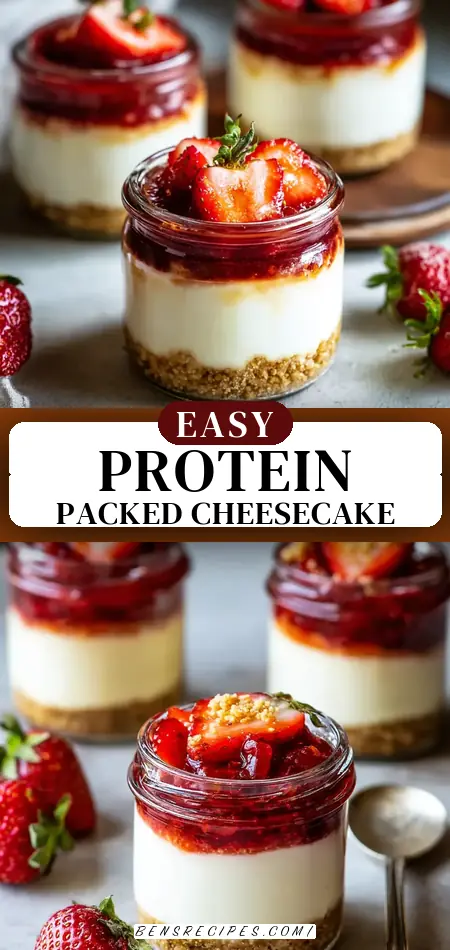
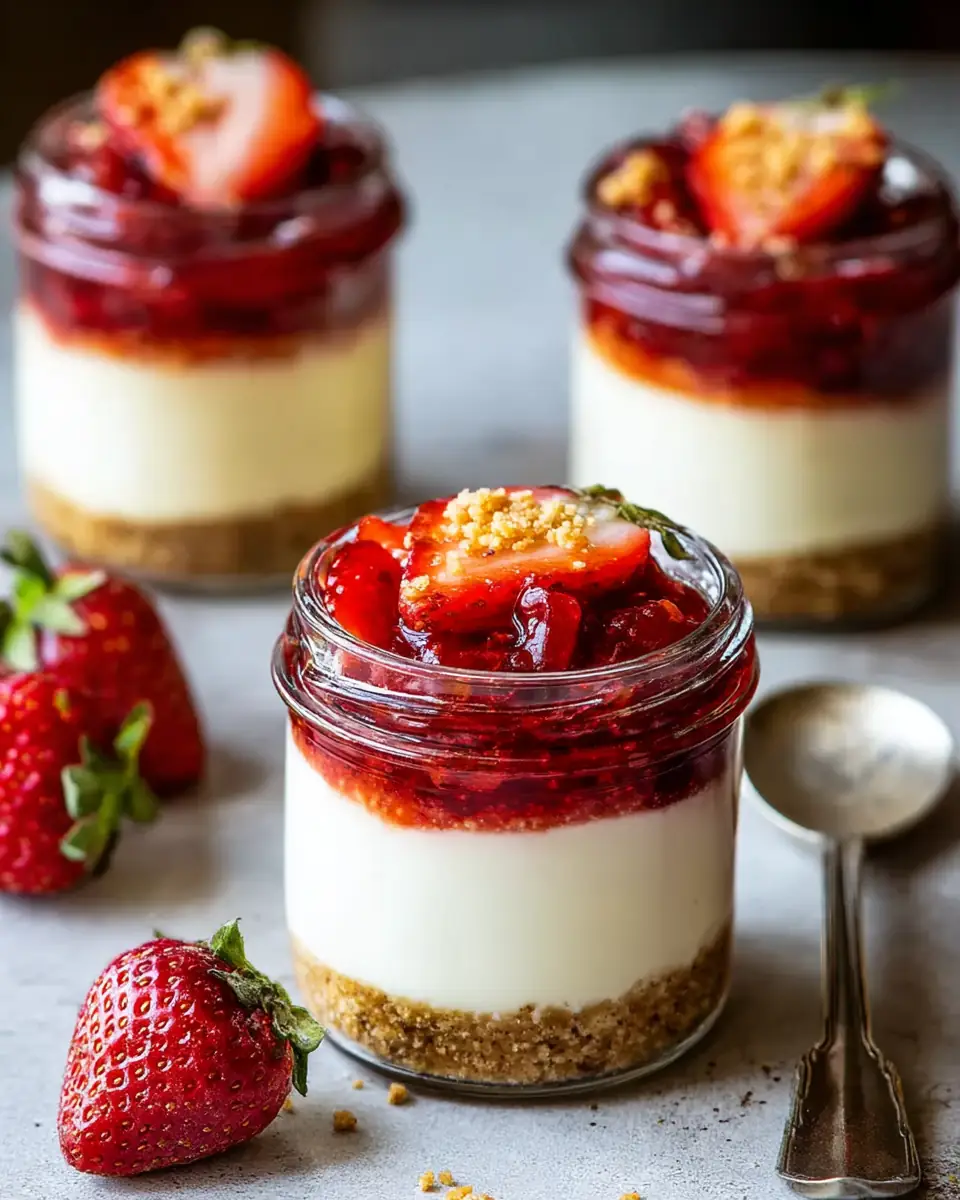
These high-protein cottage cheese cheesecake cups shatter that myth completely. By blending cottage cheese and Greek yogurt into a silky-smooth filling with cream cheese, honey, bright lemon zest, and aromatic cardamom, you get luxuriously rich cheesecake texture with none of the lumpy cottage cheese aftertaste. Layered over a quick graham-pecan crust and crowned with fresh strawberry compote, each cup offers restaurant-quality presentation and flavor with impressive macros.
This no-bake high-protein cottage cheese cheesecake cups recipe comes together in just 35 minutes of active time, with the remaining 2 hours being hands-off chilling. Yielding 4–6 elegant individual servings, it’s perfect for meal prep, dinner parties, or satisfying late-night cravings without derailing your goals. In this comprehensive guide, you’ll discover the full ingredient list with substitutions, step-by-step instructions with pro tips, nutritional breakdowns, healthier variations, serving ideas, common mistakes to avoid, and storage solutions. Let’s transform cottage cheese into your new favorite dessert base.
Ingredients List
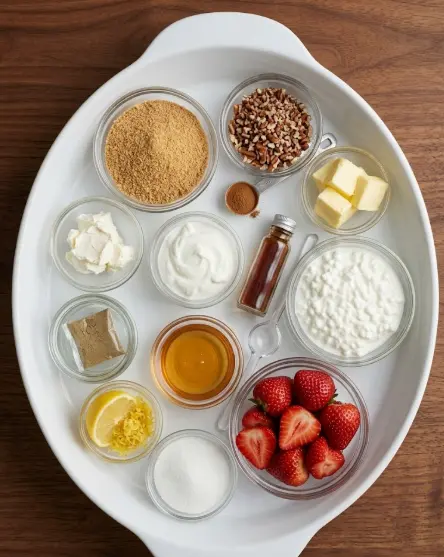
This high-protein cottage cheese cheesecake cups recipe uses wholesome, easy-to-find ingredients that work together to create balanced flavor and impressive protein content.
For the Graham-Pecan Crust:
- 1 cup graham cracker crumbs (about 8–10 sheets)
- ¼ cup chopped pecans (toasted for deeper flavor)
- Pinch of ground cinnamon
- 2 tablespoons butter, melted
For the High-Protein Cheesecake Filling:
- 8 oz full-fat or reduced-fat cream cheese, softened
- ⅓ cup plain Greek yogurt (5% or 2% milkfat recommended)
- 1½ cups cottage cheese (low-fat or full-fat both work)
- ¼ cup honey (or maple syrup)
- 2 teaspoons pure vanilla extract
- Zest of 1 large lemon (about 1 tablespoon)
- ¼ teaspoon ground cardamom (optional but highly recommended for warmth)
For the Strawberry Compote Topping:
- 2–3 cups fresh strawberries, hulled and chopped
- 2–3 tablespoons honey (adjust to taste)
- Optional: 1 teaspoon lemon juice to brighten flavor
Suggested Substitutions:
- Gluten-free crust: Replace graham cracker crumbs with crushed gluten-free cookies, almond flour, or oat flour mixed with extra pecans.
- Lower calorie: Use low-fat cottage cheese, nonfat Greek yogurt, and reduced-fat cream cheese. Flavor remains excellent.
- Dairy-free: Swap for plant-based cream cheese, coconut-based Greek-style yogurt, and a vegan cottage cheese alternative (results may vary slightly in texture).
- Different fruits: Replace strawberries with blueberries, raspberries, or a mixed berry compote. Mango or peach also pair beautifully with cardamom.
- Nut-free: Omit pecans and increase graham crumbs to 1¼ cups; add a tablespoon of melted butter if needed for binding.
The cottage cheese and Greek yogurt deliver the majority of the protein punch, while the pecans add healthy fats and crunch that balance the creamy filling perfectly.
Timing
Total Time: 2 hours 35 minutes
Prep Time: 35 minutes
Chill Time: 2 hours (minimum)
This high-protein cottage cheese cheesecake cups recipe is roughly 40% faster in active time than traditional baked cheesecakes that require water baths and careful temperature monitoring. The no-bake method eliminates cracking risks while the extended chill allows flavors to meld beautifully, resulting in a firmer, more sliceable texture than many quicker protein desserts.
Step-by-Step Instructions
Step 1: Prepare the Graham-Pecan Crust
In a medium bowl, combine the graham cracker crumbs, chopped pecans, pinch of cinnamon, and melted butter. Mix until the mixture resembles wet sand and holds together when pressed. Divide evenly among 4–6 small serving cups or jars (about 2–3 tablespoons per cup). Press firmly into the bottom using the back of a spoon or a small glass. Place the cups in the refrigerator while you prepare the other components. This quick crust adds delightful texture contrast and takes only 5 minutes.
Step 2: Make the Fresh Strawberry Compote
In a small saucepan over medium heat, combine the chopped strawberries and 2–3 tablespoons of honey (plus lemon juice if using). Cook for 8–10 minutes, stirring occasionally and gently mashing some berries, until the mixture thickens slightly and becomes jammy. Remove from heat and allow it to cool completely. This compote adds bright acidity that cuts through the richness of the cheesecake filling while boosting antioxidants and natural sweetness.
Pro Tip: Make the compote up to 3 days ahead and store in the fridge for even deeper flavor.
Step 3: Blend the Silky High-Protein Filling
In a high-speed blender or food processor, combine the softened cream cheese, Greek yogurt, cottage cheese, honey, vanilla extract, lemon zest, and cardamom. Blend on high for 45–90 seconds until completely smooth and silky. You should see no visible curds from the cottage cheese. Scrape down the sides as needed. The high-powered blending is the secret to transforming cottage cheese into a luxurious cheesecake texture in these high-protein cottage cheese cheesecake cups.
Pro Tip: Room-temperature ingredients blend more smoothly. Let your cream cheese and cottage cheese sit out for 20–30 minutes before blending.
Step 4: Assemble the Cheesecake Cups
Remove the chilled crust cups from the refrigerator. Divide the blended filling evenly among the cups, smoothing the tops with a spoon or offset spatula. Leave a little room at the top for the compote layer. The individual portions make elegant presentation effortless.
Step 5: Add the Strawberry Compote and Final Chill
Spoon the cooled strawberry compote generously over each filling layer. Cover the cups with plastic wrap or lids and refrigerate for at least 2 hours, preferably 4 hours or overnight. This chilling time is crucial for the filling to set properly and for the flavors to meld into perfect creamy harmony.
Step 6: Garnish and Serve
Before serving, optionally garnish with fresh strawberry slices, additional chopped pecans, a drizzle of honey, or lemon zest. Serve straight from the fridge for the best texture.
Nutritional Information
Per serving (based on 5 cups, using 2% Greek yogurt, low-fat cottage cheese, and full-fat cream cheese):
- Calories: 385
- Protein: 19g
- Total Fat: 22g (11g saturated)
- Total Carbohydrates: 32g
- Dietary Fiber: 3g
- Sugars: 24g (mostly from honey and fruit)
- Net Carbs: 29g
Compared to traditional cheesecake cups (typically 450–550 calories and only 6–8g protein), these high-protein cottage cheese cheesecake cups deliver more than double the protein while cutting calories by 20–30%. The cottage cheese and Greek yogurt combination provides casein protein for sustained energy and satiety. Values are estimates based on standard nutrition databases and may vary slightly with specific brands or substitutions. One cup makes a satisfying, macro-friendly dessert that supports muscle recovery and blood sugar stability better than most sweet treats.
Healthier Alternatives for the Recipe
These high-protein cottage cheese cheesecake cups are already nutrient-dense, but they adapt easily:
- Higher Protein Version: Add 1–2 scoops of vanilla protein powder to the filling (reduce honey slightly to compensate for thickness). Protein can reach 25–28g per cup.
- Lower Sugar: Replace honey with monk fruit maple syrup or allulose. Use a sugar-free compote sweetened with stevia.
- Keto-Friendly: Swap graham crumbs for crushed pecans and almond flour, use a keto sweetener, and choose higher-fat dairy. Net carbs drop below 8g.
- Extra Fiber: Stir 1–2 tablespoons of chia seeds into the compote or add ground flax to the crust.
- Flavor Variations: Replace cardamom with cinnamon and nutmeg for fall vibes, or add matcha powder to the filling for an earthy green tea twist.
These modifications allow the recipe to fit keto, higher-protein, lower-sugar, or gluten-free lifestyles while maintaining the signature creamy texture.
Serving Suggestions
Serve these high-protein cottage cheese cheesecake cups chilled in elegant glass jars or ramekins for dinner parties, bridal showers, or meal-prep breakfasts. They pair beautifully with a cup of espresso or herbal tea. For a beautiful brunch spread, arrange them on a platter surrounded by fresh berries and mint leaves.
Personal Tip: Create a toppings bar with extra compote flavors (blueberry, peach, or passionfruit), toasted coconut, and dark chocolate shavings so guests can customize. They also work wonderfully as a post-workout treat or afternoon snack that feels indulgent but keeps you full for hours.
Common Mistakes to Avoid
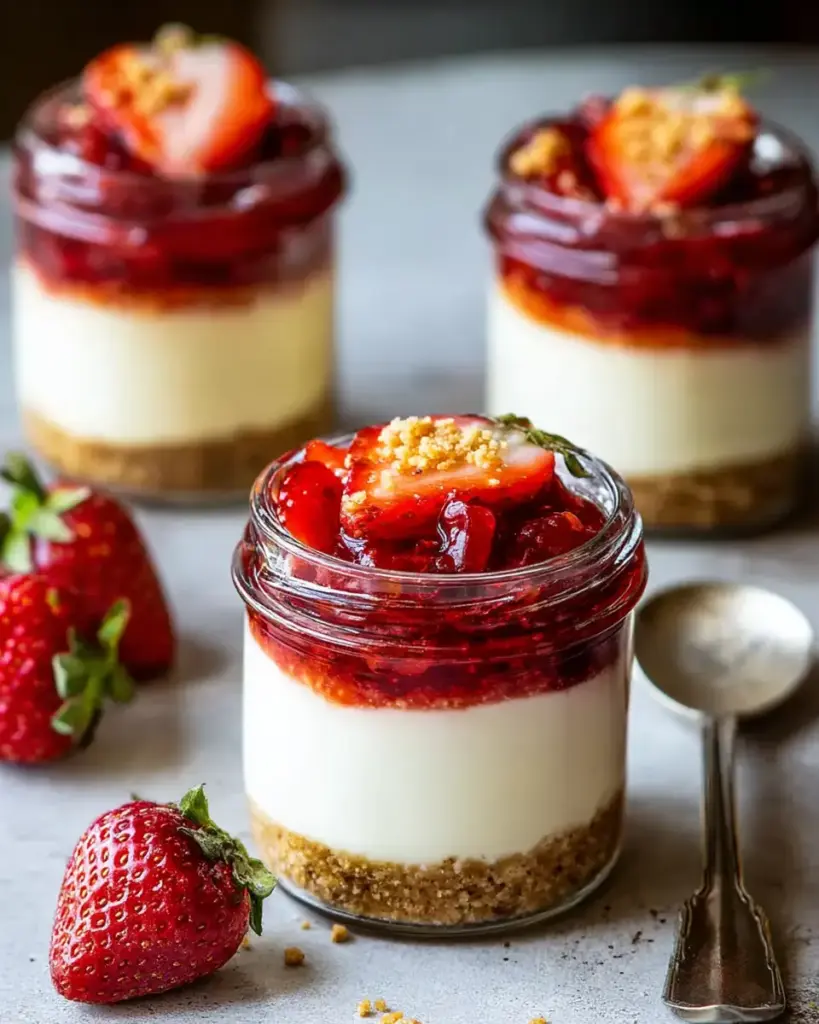
- Not Blending Long Enough: Stop blending too early and you’ll have grainy texture. Blend until completely smooth—90 seconds is usually ideal.
- Using Cold Ingredients: Cold cream cheese and cottage cheese won’t blend smoothly. Allow them to reach room temperature first.
- Overloading the Crust: Too thick a crust layer makes the cups hard to eat with a spoon. Keep it to ¼-inch thickness.
- Skipping the Chill Time: Cutting corners on refrigeration leads to runny filling. Minimum 2 hours is non-negotiable.
- Over-sweetening the Compote: Taste as you cook—the natural strawberry sweetness increases as it reduces.
- Using Low-Quality Cottage Cheese: Choose a good brand with small curds for easiest blending and mildest flavor.
Avoiding these ensures bakery-quality results every time.
Storing Tips for the Recipe
These high-protein cottage cheese cheesecake cups store beautifully for meal prep:
- Refrigerator: Keep covered for up to 5 days. The flavors actually improve after 24 hours.
- Freezer: Freeze without compote for up to 2 months. Thaw overnight in the refrigerator and add fresh compote before serving.
- Make-Ahead: Prepare crust and filling up to 3 days in advance. Add compote the day you plan to serve for brightest color and flavor.
- Best Practice: Store in individual airtight jars to maintain freshness and prevent odor absorption.
Proper storage keeps the creamy texture intact and the compote vibrant.
Conclusion
These high-protein cottage cheese cheesecake cups deliver silky, restaurant-quality cheesecake flavor with 19 grams of protein and significantly fewer calories than traditional versions. The no-bake method, fragrant cardamom-lemon notes, crunchy pecan crust, and bright strawberry compote create a truly irresistible guilt-free dessert. Simple, elegant, and endlessly adaptable, this recipe proves healthy eating can be luxurious.
Ready to transform your dessert game? Try this high-protein cottage cheese cheesecake cups recipe this week and let us know how it turned out! Share your feedback or star rating in the comments below, tell us your favorite topping variation, and subscribe to the blog for more high-protein desserts, no-bake treats, and macro-friendly recipes delivered straight to your inbox.
FAQs
Why doesn’t the cottage cheese taste grainy in these high-protein cottage cheese cheesecake cups?
Blending the ingredients in a high-speed blender or food processor breaks down the curds completely, creating a silky smooth cheesecake texture that hides any cottage cheese flavor.
Can I make this recipe as one large cheesecake instead of cups?
Yes. Press the crust into an 8-inch springform pan and pour in the filling. Increase chill time to 4–6 hours before adding compote.
How much protein is actually in each cup?
Each serving delivers approximately 18–22 grams of protein depending on exact brands and whether you use full-fat or low-fat dairy. It’s significantly higher than traditional cheesecake.
Are these high-protein cottage cheese cheesecake cups suitable for meal prep?
Absolutely. They keep well in the refrigerator for 4–5 days, making them perfect for grab-and-go high-protein breakfasts or desserts.
Can I use a different fruit for the topping?
Yes! Blueberries, raspberries, cherries, or even a mixed berry compote work wonderfully. Adjust honey to taste based on the fruit’s natural sweetness.
Is this recipe gluten-free?
The filling and compote are naturally gluten-free, but you’ll need to use gluten-free graham-style crumbs or a nut-based crust to make the entire recipe gluten-free.
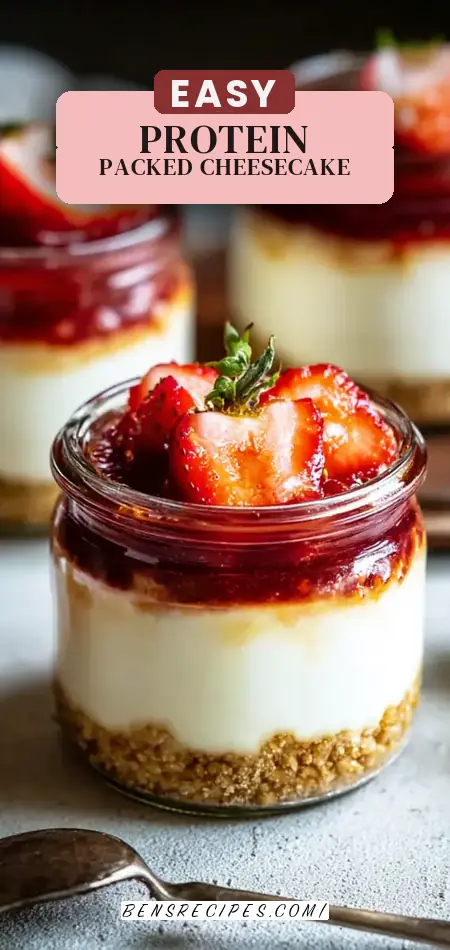
Best High-Protein Cottage Cheese Cheesecake Cups
Ingredients
Method
- Mix graham cracker crumbs, pecans, cinnamon, and butter.
- Press mixture into the bottom of serving cups.
- Cook strawberries with honey until thickened, then cool.
- Blend cream cheese, Greek yogurt, cottage cheese, honey, vanilla, lemon zest, and cardamom until smooth.
- Pour filling over crust in cups.
- Top with strawberry compote.
- Refrigerate for at least 2 hours.
- Serve chilled.