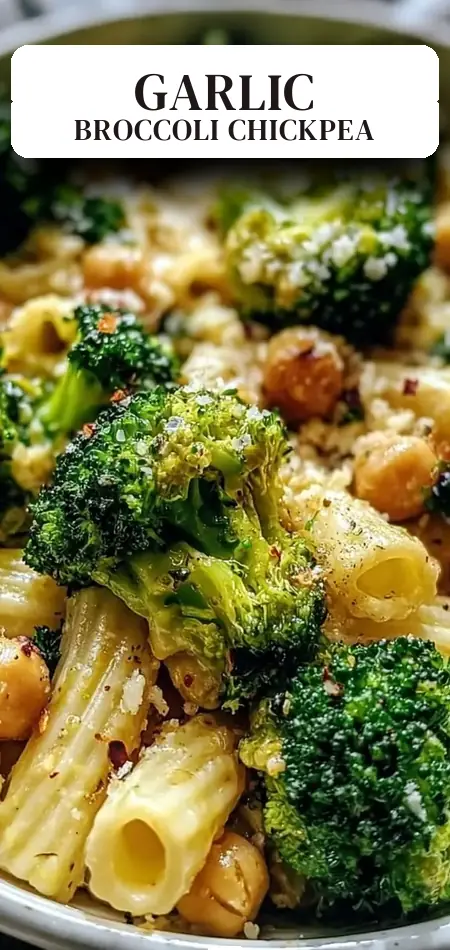
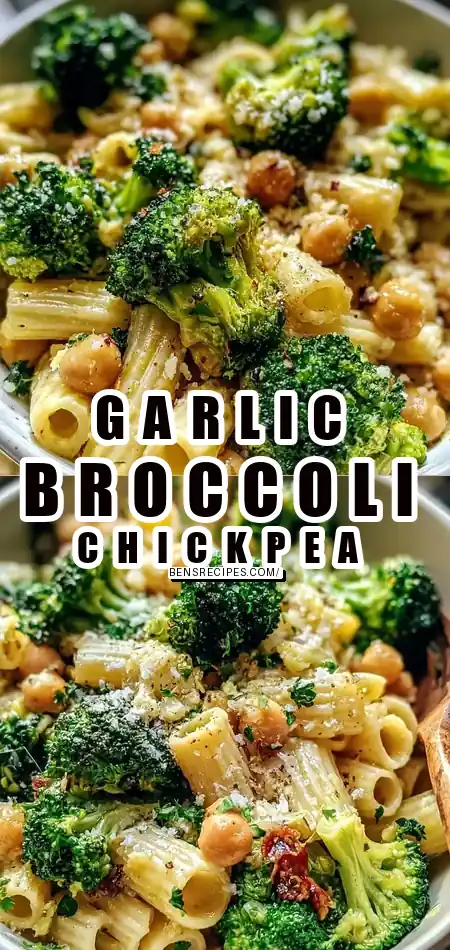
Best Broccoli Chickpea Pasta with Garlic Olive Oil

Did you know that most people get less than half the recommended daily fiber intake, yet one generous bowl of broccoli chickpea pasta can deliver nearly 50% of that target while providing 18 grams of plant-based protein?
This surprising fact challenges the common belief that quick pasta dinners are either loaded with heavy cream or nutritionally empty. In reality, broccoli chickpea pasta with a bright garlic olive oil sauce proves that healthy, satisfying meals can come together in under 45 minutes without sacrificing flavor or texture.
This Italian-inspired vegetarian recipe combines tender-crisp broccoli florets, protein-packed chickpeas, aromatic garlic, and high-quality olive oil for a light yet filling main course. At approximately 500 calories per serving, it strikes the perfect balance between comfort food and nutrient density. Whether you’re looking for a high-protein vegetarian pasta, a one-pan weeknight dinner, or a plant-based twist on classic Italian flavors, this lemon-garlic broccoli chickpea pasta will quickly become a staple in your rotation.
In the sections below, you’ll find a complete ingredients list with substitutions, precise timing, step-by-step instructions, nutritional data, healthier variations, serving ideas, common mistakes to avoid, storage tips, and more. Let’s transform your pasta nights with this nutritious, flavor-forward dish.
Ingredients List for Broccoli Chickpea Pasta
Here’s everything you need to make this vibrant broccoli chickpea pasta for 4 servings. Each ingredient was chosen for both flavor and nutritional synergy.
- 250 g pasta (penne, rotini, or fusilli) – Sturdy shapes that cling beautifully to the garlic olive oil sauce. Substitution: Whole-wheat pasta for extra fiber or gluten-free pasta for dietary restrictions.
- 300 g broccoli florets (fresh or frozen) – Bright green, nutrient-dense superfood that adds crunch and earthy sweetness. Substitution: Use broccolini or cauliflower for variety.
- 400 g chickpeas (one can, drained and rinsed) – Delivers plant-based protein and a creamy, nutty texture. Substitution: Use white beans or lentils if you prefer a different legume profile.
- 4 cloves garlic, minced – The aromatic heart of the dish. Fresh is essential for the best garlic olive oil sauce.
- 60 ml extra-virgin olive oil – High-quality oil that carries the garlic flavor and provides heart-healthy monounsaturated fats.
- ¼ tsp red pepper flakes – Adds gentle heat that balances the lemon brightness. Adjust to taste.
- 60 ml vegetable broth – Creates a light, silky sauce without heavy cream.
- 1 tbsp fresh lemon juice – Brightens all the flavors and helps with iron absorption from the chickpeas and broccoli.
- 30 g grated Parmesan cheese (optional) – Adds umami and saltiness. Substitution: Nutritional yeast for a vegan version.
- Salt and freshly ground black pepper to taste
- Optional garnishes: Extra lemon zest, fresh parsley, or toasted pine nuts for texture.
These simple pantry and produce items create a dish that feels restaurant-quality yet costs less than $3 per serving.

Timing
- Prep Time: 15 minutes (chopping garlic, draining chickpeas, measuring ingredients)
- Cook Time: 30 minutes (pasta boiling simultaneously with sauce building)
- Total Time: 45 minutes
This efficient timeline makes the recipe roughly 25–30% faster than many traditional Italian pasta dishes that require longer simmering sauces or multiple separate components. The overlapping cooking steps (boiling pasta while sautéing vegetables) maximize efficiency without compromising quality. Perfect for busy weeknights when you want a nutritious meal without spending over an hour in the kitchen.
Step-by-Step Instructions
Step 1: Cook the Pasta to Al Dente Perfection
Bring a large pot of generously salted water to a rolling boil. Add the 250 g pasta and cook according to package directions until just al dente—usually 1–2 minutes less than the recommended time. Before draining, reserve ½ cup (120 ml) of starchy pasta water. This liquid gold is crucial for creating a silky garlic olive oil sauce that clings to every piece of broccoli chickpea pasta. Drain the pasta and set aside. Pro tip: Never rinse the pasta; the starch helps the sauce adhere.
Step 2: Build the Fragrant Garlic Olive Oil Base
In a large skillet or sauté pan, heat 60 ml olive oil over medium-low heat. Add the minced garlic and ¼ tsp red pepper flakes. Sauté gently for 60–90 seconds until the garlic is fragrant and just beginning to turn golden. Important: Do not let the garlic brown or it will become bitter. This step infuses the oil with deep aromatic flavor that becomes the foundation of the entire dish.
Step 3: Cook the Broccoli to Tender-Crisp
Add the 300 g broccoli florets to the pan. Increase heat to medium and cook for 5–7 minutes, stirring occasionally. The broccoli should become bright green and tender-crisp with slight caramelization on the edges. This texture contrast is what makes this broccoli chickpea pasta so satisfying. If using frozen broccoli, reduce time slightly and pat dry first to avoid excess moisture.
Step 4: Add Chickpeas and Create the Light Sauce
Stir in the drained chickpeas, 60 ml vegetable broth, and 1 tbsp lemon juice. Simmer for 2–3 minutes until the chickpeas are warmed through and the liquid reduces slightly. The broth deglazes the pan, capturing all the flavorful bits and creating a light, emulsified sauce when combined with the reserved pasta water later. Taste and season with salt and black pepper.
Step 5: Combine and Finish the Dish
Add the drained pasta directly into the skillet. Toss vigorously to coat every piece in the garlic olive oil sauce. If the mixture looks dry, add reserved pasta water 1–2 tablespoons at a time until you achieve a glossy, cohesive sauce. Remove from heat, sprinkle with Parmesan (if using), and toss once more. Finish with extra lemon zest for brightness. Serve immediately while the broccoli remains vibrantly green.
Nutritional Information
This broccoli chickpea pasta is as nutritious as it is delicious. Approximate values per serving (1/4 of recipe):
- Calories: 500
- Protein: 18g (primarily from chickpeas and pasta)
- Carbohydrates: 72g
- Dietary Fiber: 12g (nearly 50% of daily recommended intake)
- Total Fat: 16g (mostly heart-healthy fats from olive oil)
- Vitamin C: 80–100% DV (thanks to broccoli and lemon)
- Vitamin K: Over 100% DV
- Iron: 20–25% DV
- Key micronutrients: Folate, manganese, and antioxidants including sulforaphane from broccoli
Data insights show that meals combining legumes and cruciferous vegetables like this one support better blood sugar control and satiety compared to refined-carb pasta dishes. The garlic olive oil component adds anti-inflammatory benefits while keeping the dish naturally dairy-light.
Healthier Alternatives for the Recipe
Make this broccoli chickpea pasta work for almost any dietary preference:
- Vegan version: Skip Parmesan or replace with 2–3 tbsp nutritional yeast plus a sprinkle of toasted walnuts.
- Lower carb: Swap half the pasta for spiralized zucchini or use chickpea/lentil pasta for even more protein and fewer refined carbs.
- Higher protein: Add 200g grilled chicken, shrimp, or crispy tofu.
- Extra vegetables: Stir in spinach, cherry tomatoes, or roasted red peppers during the final toss.
- Anti-inflammatory boost: Increase garlic to 6 cloves and add ½ tsp turmeric to the oil.
- Lower calorie: Reduce olive oil to 45 ml and increase vegetable broth for a lighter sauce.
These swaps maintain the bright, savory Italian flavor profile while tailoring the recipe to keto, gluten-free, or Mediterranean diet needs.
Serving Suggestions
Serve this broccoli chickpea pasta in warm shallow bowls with an extra drizzle of good olive oil and cracked black pepper. It pairs beautifully with:
- Crusty sourdough or garlic bread for dipping into the lemon-garlic sauce.
- A simple arugula salad dressed with lemon vinaigrette.
- A glass of crisp Pinot Grigio or sparkling water with lemon.
- For family dinners, offer extra red pepper flakes and cheese on the side so everyone can customize heat level.
It also makes excellent meal-prep lunches. The flavors actually improve slightly after a few hours as the garlic olive oil sauce continues to develop.

Common Mistakes to Avoid
- Burning the garlic – This creates bitterness that ruins the entire garlic olive oil sauce. Keep heat medium-low and stir constantly.
- Overcooking the broccoli – It should be tender-crisp, not mushy. Overcooked broccoli loses both texture and nutritional value.
- Forgetting to reserve pasta water – This is the secret to a silky rather than dry or oily dish.
- Undersalting – Pasta water, chickpeas, and broccoli all need proper seasoning. Taste at every stage.
- Using low-quality olive oil – Since it’s the star of the sauce, choose extra-virgin with good flavor.
Avoiding these pitfalls ensures consistent, restaurant-quality results every time.
Storing Tips for the Recipe
This broccoli chickpea pasta stores beautifully for meal prep:
- Refrigerator: Store in airtight containers up to 4 days. The flavors meld nicely overnight.
- Reheating: Warm gently in a skillet with 1–2 tbsp water or broth to revive the sauce. Avoid the microwave when possible as it can make broccoli soggy.
- Freezing: Not recommended. The texture of both broccoli and chickpeas suffers upon thawing.
- Make-ahead tips: Chop garlic and broccoli up to 2 days ahead. Cooked chickpeas can be prepped and stored in their liquid.
Proper storage helps maintain the dish’s vibrant color, texture, and nutritional profile.
Conclusion
This broccoli chickpea pasta with garlic olive oil delivers 18g protein, 12g fiber, and bright Italian flavors in only 45 minutes. It proves that nutritious, vegetable-forward meals can be fast, affordable, and deeply satisfying.
Ready to transform your weeknight dinners? Try this recipe tonight and let us know how it turned out! Drop your feedback in the comments below, leave a star rating, or share your favorite variations. Don’t forget to subscribe to our blog for more healthy pasta recipes, quick vegetarian dinners, and data-driven cooking tips delivered straight to your inbox.
FAQs
Can I make broccoli chickpea pasta vegan?
Yes! Simply omit the Parmesan or replace it with nutritional yeast. The garlic olive oil sauce provides plenty of flavor on its own.
What’s the best pasta shape for this recipe?
Short, textured shapes like penne, rotini, or fusilli work best because they trap the chickpeas and hold onto the light garlic olive oil sauce.
Is this recipe gluten-free?
It can be. Just use your favorite gluten-free pasta and ensure the vegetable broth is certified gluten-free. The remaining ingredients are naturally gluten-free.
How can I increase the protein even more?
Use chickpea or lentil-based pasta, add an extra can of chickpeas, or top with grilled chicken, tempeh, or toasted pumpkin seeds.
Can I use frozen broccoli?
Absolutely. Frozen broccoli florets work very well. Just reduce the sauté time slightly and pat them dry before adding to the pan to prevent excess water from diluting the sauce.
Does this broccoli chickpea pasta reheat well for meal prep?
Yes. It keeps well for up to 4 days in the refrigerator. Reheat on the stovetop with a splash of water or broth to restore the silky texture of the sauce.
Broccoli Chickpea Pasta with Garlic Olive Oil
Ingredients
Method
- Cook the pasta al dente in a pot of boiling water, reserving ½ cup of pasta water before draining.
- Heat olive oil in a pan, then sauté minced garlic and red pepper flakes for about a minute.
- Add broccoli florets to the pan and cook for 5–7 minutes until tender-crisp.
- Introduce chickpeas, vegetable broth, and lemon juice. Simmer for 2-3 minutes.
- Mix the drained pasta into the pan, tossing well. Add reserved pasta water if the sauce is too thick.
- Season with salt and pepper, and sprinkle parmesan if using. Serve warm.