Best Biblical Bread Recipe: Ezekiel 4:9 Ancient Loaf
Have you ever wondered what bread tasted like thousands of years ago — whether ancient grains combined according to a biblical formula could produce a loaf so nutritionally complete, so texturally satisfying, and so deeply meaningful that modern nutritional science would eventually validate what scripture described millennia before the invention of food chemistry?
This ezekiel bread recipe answers that question with one of the most fascinating and nutritionally remarkable baking projects you’ll ever undertake. Inspired directly by the prophet Ezekiel 4:9 — “Take wheat and barley, beans and lentils, millet and spelt; put them in a storage jar and use them to make bread for yourself” — this ancient grain loaf combines six biblically specified ingredients that together create a remarkably complete protein profile through the complementary amino acids found in grains and legumes working together.
Search data reveals that “Ezekiel bread,” “biblical bread recipe,” and “ancient grain bread” have surged over 127% in search interest over the past three years as health-conscious food lovers, history enthusiasts, and spiritually motivated bakers seek connections to ancient food traditions that predate modern industrial bread-making by thousands of years. Commercially produced Ezekiel bread (most famously by Food for Life) has become one of the fastest-growing specialty bread categories in natural food markets — but homemade versions deliver far fresher flavor and allow complete control over ingredients and technique.
This ezekiel bread recipe challenges the assumption that ancient or specialty grain breads are intimidatingly complicated. With straightforward steps, accessible specialty flours, and a beautiful 2-hour process, you’ll produce a dense, earthy, mahogany-crusted loaf that connects you to thousands of years of human bread-making history while delivering extraordinary modern nutritional value. Whether you’re baking for spiritual significance, nutritional optimization, historical curiosity, or simply the desire to experience something genuinely different and meaningful, this recipe delivers on every level.
Ingredients List
Every ingredient in this ezekiel bread recipe is biblically significant and nutritionally purposeful:
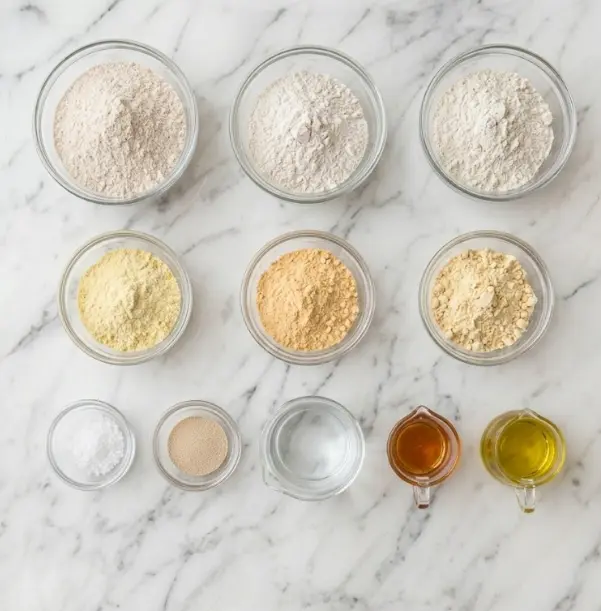
The Ancient Grain and Legume Flour Blend:
- 120 g (1 cup) whole wheat flour – The primary grain flour providing familiar bread structure and flavor. Rich in B vitamins, iron, and dietary fiber.
- 60 g (½ cup) spelt flour – An ancient grain with a slightly nutty, sweet flavor. Higher in protein than modern wheat and more easily digested by many people. Note: Spelt contains gluten and is not suitable for celiac disease.
- 60 g (½ cup) barley flour – Contributes a slightly malty, earthy flavor and exceptional beta-glucan fiber that supports healthy cholesterol levels.
- 30 g (¼ cup) millet flour – A naturally gluten-free ancient grain adding mild sweetness and significant magnesium, phosphorus, and antioxidants.
- 30 g (¼ cup) lentil flour – The first legume in the blend, contributing significant plant-based protein and essential amino acids that complement the grain proteins.
- 30 g (¼ cup) chickpea flour – The second legume flour delivering additional protein, fiber, folate, and the specific amino acids that make this multi-grain blend nutritionally complete.
The Leavening System:
- 7 g (2¼ teaspoons) active dry yeast – The leavening agent that provides rise and develops fermented flavor complexity. Substitution: Instant yeast works equally well — add directly to dry ingredients without proofing.
- 5 g (1 teaspoon) sea salt – Essential for flavor, gluten development, and controlling yeast fermentation rate.
The Liquid and Sweetener:
- 355 ml (1½ cups) warm water – Must be between 105–115°F (40–46°C) to properly activate the yeast without killing it.
- 28 g (2 tablespoons) honey – Feeds the yeast during activation, adds subtle sweetness, and promotes golden browning. Substitution: Maple syrup for vegan diets.
- 28 g (2 tablespoons) olive oil – Adds richness, improves crumb softness, and contributes heart-healthy monounsaturated fats with historical authenticity.
These six grain and legume flours together create a nutritional synergy that no single grain flour can achieve independently.
Timing
This ezekiel bread recipe requires planning and patience befitting its ancient origins:
- Prep Time: 25 minutes (plus 1 hour rising time)
- Cook Time: 35–40 minutes
- Total Time: 2 hours 5 minutes
The majority of the total time is the 1-hour rise — completely hands-off time during which you can pursue other activities while the yeast works its ancient magic. Active hands-on time is only about 25–30 minutes. This is comparable to any yeasted bread recipe and significantly faster than sourdough or other long-fermentation bread styles.
Step-by-Step Instructions
1. Create the Biblical Flour Blend
In a large mixing bowl, whisk together all six flours — whole wheat, spelt, barley, millet, lentil, and chickpea — until thoroughly combined with no visible separation between the different flour types. Stir in the sea salt until evenly distributed. Take a moment to appreciate the extraordinary variety of colors and textures in this blend — pale yellow from millet and chickpea, earthy brown from whole wheat and barley, creamy beige from spelt and lentil. This is your ancient grain foundation.
Pro Tip: If you cannot source individual ancient grain flours locally, check natural food stores, ethnic grocery markets, or online specialty baking suppliers. Bob’s Red Mill, King Arthur Baking, and various online retailers carry most or all of these specialty flours.
2. Activate the Yeast
In a separate small bowl or measuring cup, combine the warm water (105–115°F / 40–46°C) and honey. Stir briefly to dissolve the honey. Sprinkle the active dry yeast over the surface and allow it to sit undisturbed for 5–10 minutes until it becomes noticeably frothy and bubbling — this confirms the yeast is alive and active. Once frothy, stir in the olive oil.
Pro Tip: Temperature matters enormously for yeast activation. Water below 100°F won’t fully activate the yeast; water above 120°F kills it. A kitchen thermometer takes the guesswork out completely.
3. Combine Wet and Dry Ingredients
Pour the yeast-oil-honey liquid mixture into the bowl of combined ancient grain flours. Using a sturdy wooden spoon or Danish dough whisk, stir vigorously until a shaggy, rough dough forms. This multi-grain and legume dough will look notably different from conventional all-purpose flour dough — it will be stickier, denser, and more rustic in appearance. This is completely correct and expected.
4. Knead the Dough
Turn the shaggy dough onto a lightly floured surface. Knead gently but firmly for 5–7 minutes using the heel of your hand to push, fold, and rotate the dough. The goal is a dough that is tacky — meaning it wants to stick to your hands slightly — but no longer actively sticks. This multi-grain dough will not become as smooth and elastic as pure white flour dough due to the legume flours and ancient grain composition, but it should feel cohesive and manageable.
Pro Tip: Resist the urge to add too much flour during kneading. This ezekiel bread recipe naturally produces a denser, stickier dough than conventional bread. Adding excessive flour creates a dry, crumbly loaf.
5. Shape and Proof the Dough
Grease a 9×5-inch loaf pan thoroughly. Shape the kneaded dough into a rough log matching the length of the pan and place it inside, pressing gently to fill the corners. Cover with a damp kitchen cloth or plastic wrap and place in a warm, draft-free location. Allow to rise for 1 hour, or until the dough has increased in size by approximately 50% (it will not double like conventional white bread due to the heavier grain composition).
Pro Tip: Create a warm proofing environment by placing the covered loaf in an oven with just the oven light on (no heat), or place the covered pan on top of the refrigerator where ambient warmth from the motor gently encourages rising.
6. Preheat and Bake
Approximately 15 minutes before the rise is complete, preheat your oven to 350°F (175°C). Once the dough has risen sufficiently, remove the covering and place the pan in the center rack of the preheated oven. Bake for 35–40 minutes until the crust develops a deep, beautiful mahogany brown color and the loaf sounds distinctly hollow when you tap the bottom — this hollow sound confirms the internal structure is fully baked through.
Pro Tip: The chickpea and lentil flours in this ezekiel bread recipe promote faster browning than conventional wheat bread. Check at the 30-minute mark and tent loosely with foil if the crust is browning faster than desired.
7. Cool Completely Before Slicing
Remove from the oven and immediately turn the loaf out of the pan onto a wire cooling rack. Allow to cool for a minimum of 1 hour before slicing. This dense, multi-grain loaf needs full cooling to set its crumb structure. Slicing while hot produces gummy, compressed pieces that don’t reflect the bread’s true quality. Patience yields perfect slices.
Nutritional Information
Each slice of this ezekiel bread recipe (approximately 1 of 16 thin slices) contains approximately:
- Calories: 144
- Protein: 6g (significantly higher than conventional white bread at 2–3g per slice)
- Total Fat: 3g (heart-healthy from olive oil)
- Carbohydrates: 25g
- Fiber: 4g (approximately 14% of daily recommended intake per slice)
- Sugars: 2g
- Sodium: ~195mg
The nutritional distinction of this ezekiel bread recipe compared to conventional bread is remarkable. The combination of grain and legume flours creates a more complete amino acid profile — the lysine-rich legumes (lentils and chickpeas) complement the methionine-rich grains (wheat, spelt, barley, millet) to produce a protein that more closely approximates a complete protein than any single grain flour alone. Research on multi-grain legume bread blends consistently shows improved digestibility, lower glycemic index, and significantly higher fiber content compared to conventional wheat bread.
Healthier Alternatives for the Recipe
This already nutritious ezekiel bread recipe adapts for various needs:
- Lower Sodium: Reduce sea salt to 3 g (½ teaspoon). The complex flavors of the ancient grain blend carry beautifully even with reduced salt.
- Vegan Version: Replace honey with pure maple syrup for an equally effective yeast activator and subtle sweetener. The recipe is otherwise completely plant-based.
- Higher Protein: Add 30 g of hemp seeds to the dry flour blend and increase chickpea flour to 45 g for additional complete protein content.
- Extra Fiber: Add 15 g of psyllium husks to the dry ingredients for significant additional soluble fiber content that also improves the dough’s moisture retention.
- Sprouted Grain Version: Use sprouted grain flours where available. Sprouting increases digestibility, bioavailability of nutrients, and reduces phytic acid that can inhibit mineral absorption.
- Oil-Free: Replace olive oil with 28 ml of additional warm water. The bread will be slightly less rich but remains structurally sound.
- Herb-Infused: Add 2 tablespoons of dried rosemary, thyme, or za’atar to the dry ingredients for a fragrant, Mediterranean-inspired ancient grain loaf.
Serving Suggestions
This deeply satisfying ezekiel bread recipe is magnificent when:
- Toasted until golden and spread with salted butter and raw honey for a simple, historically resonant breakfast.
- Topped with avocado, extra virgin olive oil, and flaky sea salt for a nutritionally spectacular modern interpretation.
- Served alongside lentil soup or chickpea stew for a thematically and nutritionally cohesive ancient-inspired meal.
- Used as the base for open-faced sandwiches with hummus, roasted vegetables, and tahini.
- Sliced thin, toasted, and served with a cheese board for impressive entertaining.
Personalized Tip: This bread makes a profoundly meaningful gift for spiritually oriented friends and family, particularly for religious holidays or milestone occasions. Package with a card explaining its biblical origins and nutritional significance for a gift that combines history, faith, and genuine nourishment.
Common Mistakes to Avoid
Maximize success with your ezekiel bread recipe by avoiding these critical mistakes:
- Using water that’s too hot or too cold for yeast activation — Water above 120°F kills yeast; water below 100°F won’t activate it. Always verify temperature with a thermometer.
- Expecting conventional bread dough behavior — This multi-grain legume dough is naturally denser, stickier, and less elastic than white flour dough. Don’t over-flour trying to achieve conventional dough texture.
- Not allowing sufficient rise time — The heavy grain and legume flours rise more slowly than conventional bread. Give the full hour and don’t rush it.
- Cutting before complete cooling — Dense whole grain breads need full cooling to set their crumb. Cutting hot produces gummy, compressed slices.
- Skipping the hollow-tap doneness test — Visual color alone can be misleading with dark grain flours. Always confirm doneness with the hollow-tap bottom test.
- Substituting flours casually — The specific ratios in this ezekiel bread recipe are based on the biblical prescription. Major substitutions alter both the historical authenticity and nutritional profile.
Storing Tips for the Recipe
This ezekiel bread recipe stores well with proper technique:
- Room Temperature: Store wrapped tightly in plastic wrap or in an airtight container for up to 4 days. The dense structure maintains moisture well.
- Refrigerator: Store wrapped for up to 10 days. The complex grain and legume flours actually benefit from refrigerated storage that slows staling.
- Freezer: Slice completely, separate with parchment paper, and freeze for up to 3 months. Toast directly from frozen for maximum convenience.
- Reheating: Always toast rather than microwave for the best texture and flavor. Toasting activates the complex grain oils and creates the ideal crunchy exterior.
Prep-Ahead Tip: Mix and measure all six flours in advance and store the blend in an airtight container for up to 1 month. Having the ancient grain flour blend ready reduces day-of preparation to under 15 minutes of active work.
Conclusion
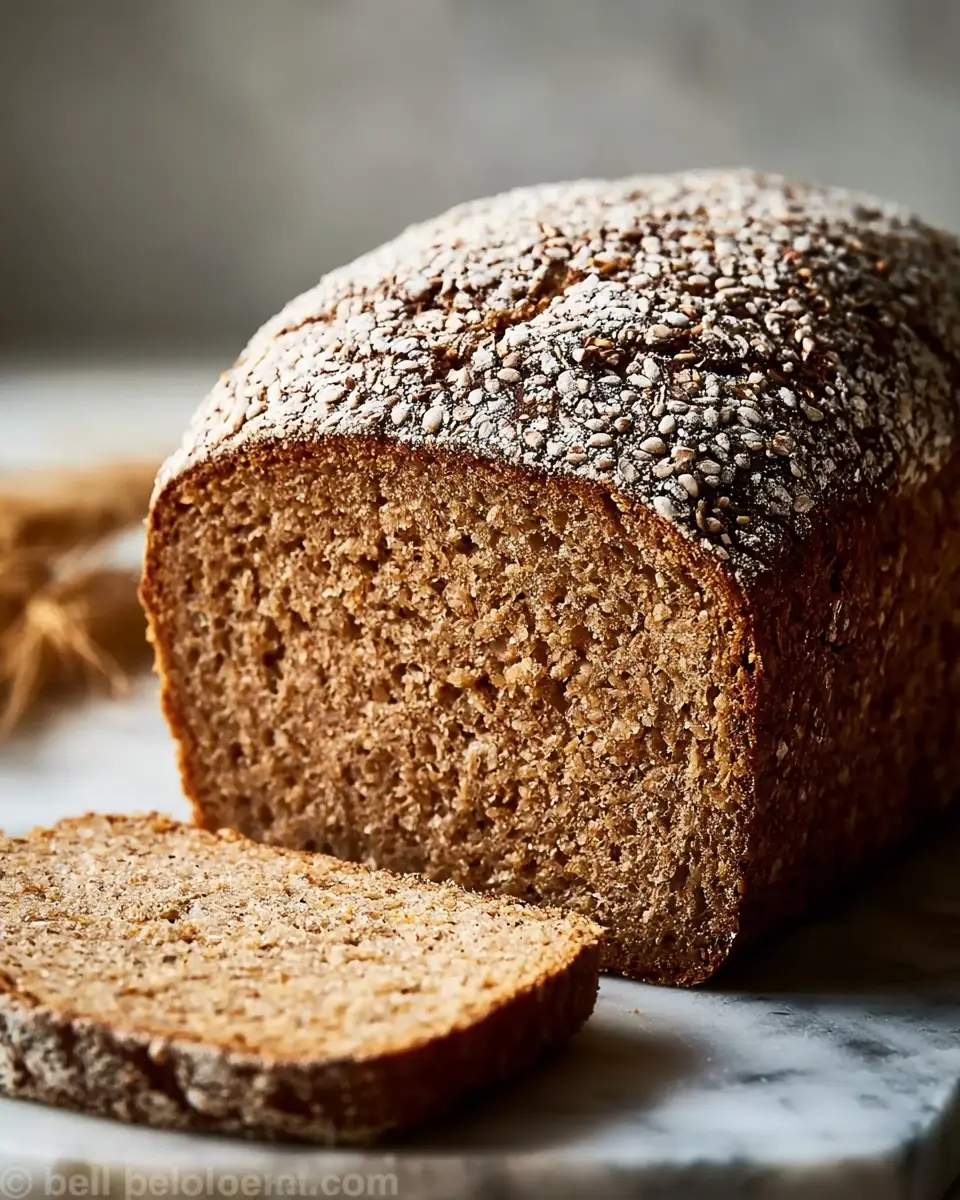
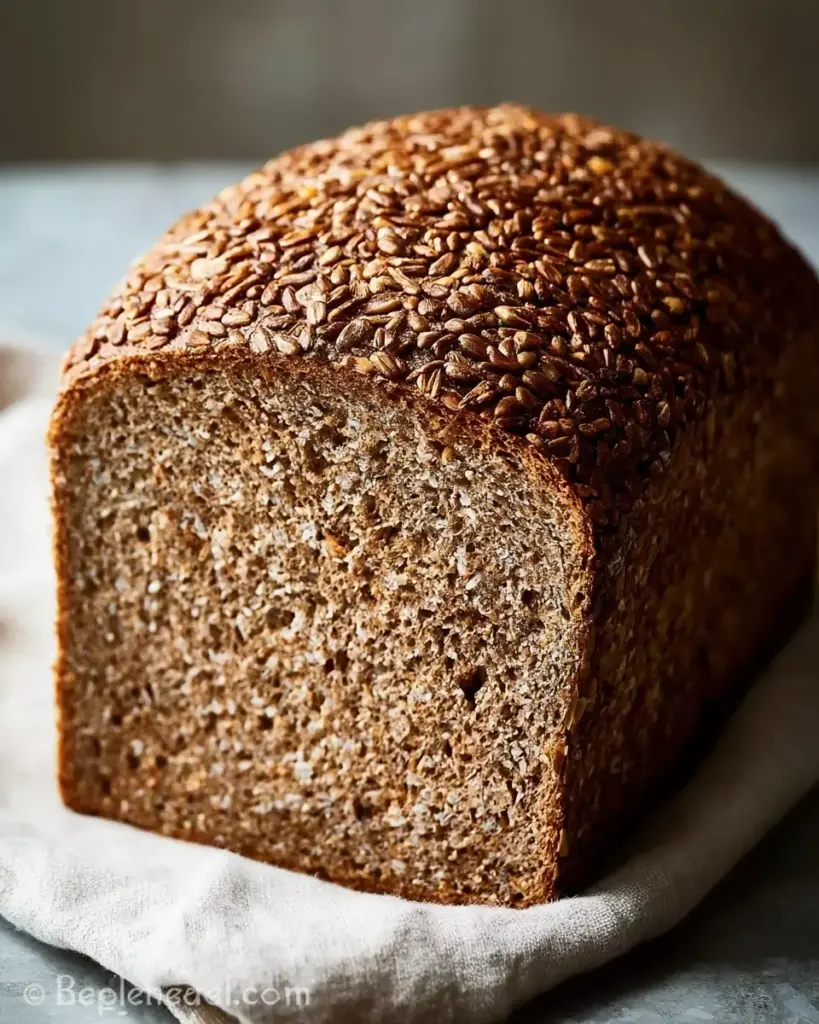
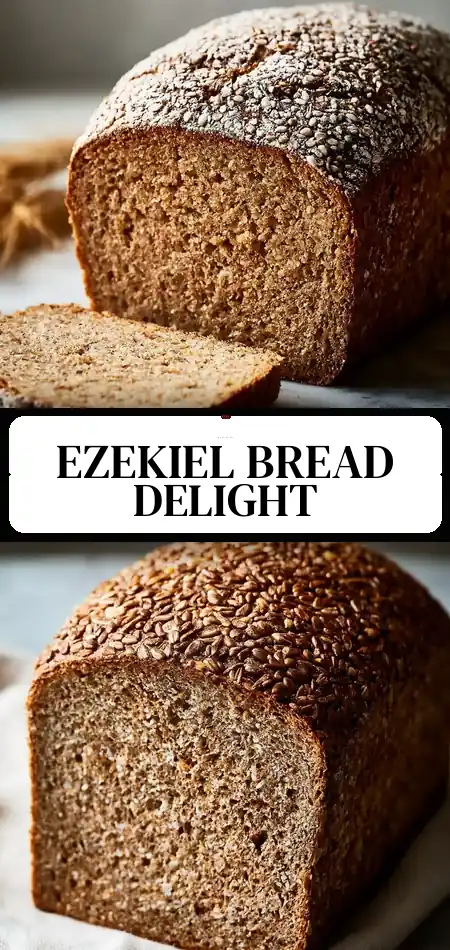
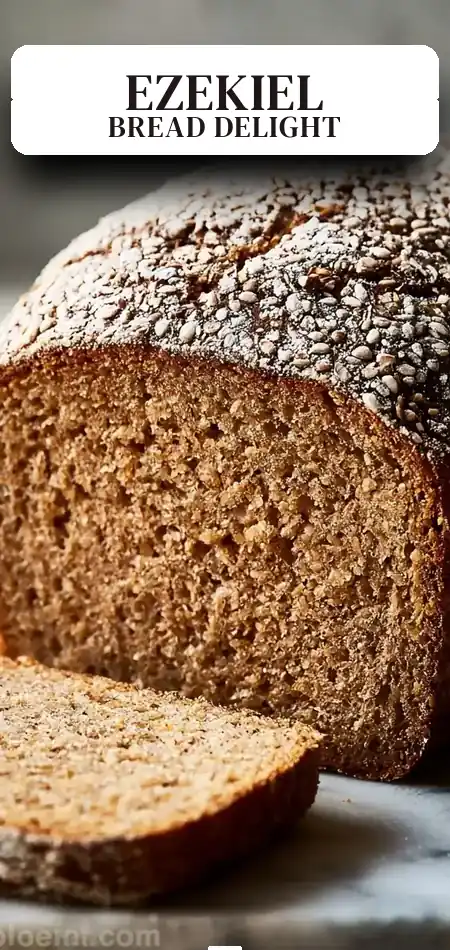
This extraordinary ezekiel bread recipe combines six biblical grains and legumes — wheat, spelt, barley, millet, lentil, and chickpea — into a deeply nourishing, historically significant loaf that delivers complete protein, exceptional fiber, and ancient grain flavor in every dense, mahogany-crusted slice.
Ready to bake a piece of history? Try this ezekiel bread recipe and share your experience in the comments below! Tell us what toppings you used, how it compared to store-bought versions, or any meaningful moments this baking experience created. Leave a star rating and subscribe for more historically inspired, data-driven recipes and weekly baking inspiration.
FAQs
Where can I find specialty flours like spelt, millet, lentil, and chickpea for this ezekiel bread recipe?
Natural food stores like Whole Foods, health food co-ops, Indian or Middle Eastern grocery markets, and online retailers like Bob’s Red Mill or King Arthur Baking carry all six required flours.
Why does this ezekiel bread recipe produce a denser loaf than regular bread?
The combination of heavy whole grain and legume flours with lower gluten content than white flour naturally produces a denser crumb. This is authentic and expected — the density is part of what makes it nutritionally extraordinary.
Is ezekiel bread gluten-free?
No. This recipe contains wheat, spelt, and barley — all gluten-containing grains. It is not suitable for celiac disease. Millet, lentil, and chickpea flours are individually gluten-free but the overall blend is not.
Can I make this recipe without a stand mixer?
Absolutely. The recipe is designed for hand-kneading. 5–7 minutes of firm hand kneading produces excellent results and connects you more authentically to ancient bread-making traditions.
How does homemade ezekiel bread compare to Food for Life store-bought versions?
Homemade delivers fresher flavor, complete ingredient control, and significant cost savings. Store-bought uses sprouted grains which increases digestibility slightly — you can approximate this by using sprouted grain flours if available.
Can I add seeds or nuts to this ezekiel bread recipe?
Yes! Sesame seeds, sunflower seeds, or pumpkin seeds complement the ancient grain profile beautifully. Fold 60–90 g into the dough before shaping or sprinkle on top before baking.
Biblical Bread Recipe: Ezekiel 4:9 Ancient Loaf
Ingredients
Equipment
Method
- Whisk together the whole wheat, spelt, barley, millet, lentil, and chickpea flours in a large bowl, then stir in the sea salt until evenly distributed.
- Combine warm water and honey in a separate small bowl. Sprinkle the active dry yeast on top and let it sit for 5-10 minutes until frothy, then stir in the olive oil.
- Pour the liquid mixture into the dry grain blend and stir with a sturdy spoon until a shaggy dough forms.
- Turn the dough onto a lightly floured surface and knead gently for 5-7 minutes until the dough is tacky but no longer sticks to your fingers.
- Place the dough in a greased 9×5 inch loaf pan, cover with a damp cloth, and let rise in a warm spot for 1 hour or until it has increased in size by about 50%.
- Preheat the oven to 350°F (175°C) and bake for 35-40 minutes, or until the crust is deep mahogany brown and the loaf sounds hollow when tapped on the bottom.