
Best Cottage Cheese Cookies Recipe 10g Protein Soft Chewy Treats
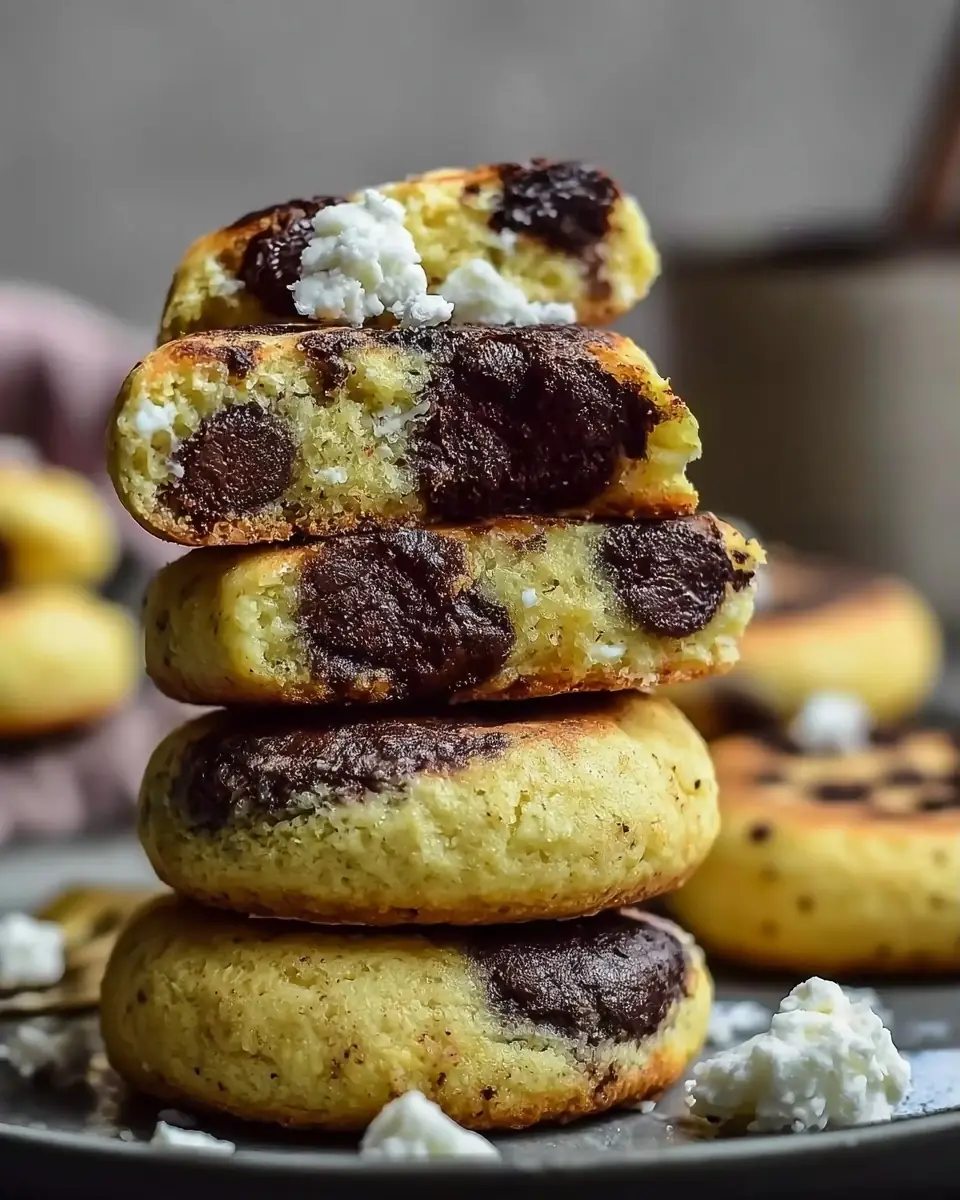
What if your go-to cookie could deliver nearly 10 grams of protein per serving, stay incredibly soft and chewy for days, and contain only 135 calories—without any weird aftertaste or dry texture? Most home bakers assume cottage cheese belongs only in savory dishes or protein fluff, but this cottage cheese cookies recipe proves it creates the ultimate high-protein dessert.
Blending low-fat cottage cheese into a silky smooth base adds moisture, structure, and a serious protein boost while keeping these cookies tender and satisfying. Combined with oat flour, Greek yogurt, and natural sweeteners, these cottage cheese cookies offer a guilt-free way to enjoy a classic treat that supports muscle recovery, curbs sweet cravings, and fits perfectly into high-protein or calorie-conscious eating plans.
Traditional cookies often deliver 200+ calories and less than 2 grams of protein each. These cottage cheese cookies flip the script. In this complete guide, you’ll find the exact recipe, pro tips for perfect texture, full nutritional data, creative variations, common mistakes to avoid, and expert answers to every question. Whether you’re meal-prepping snacks, feeding an active family, or looking for post-workout treats, these soft, chewy cottage cheese cookies will quickly become a favorite.
Ingredients List
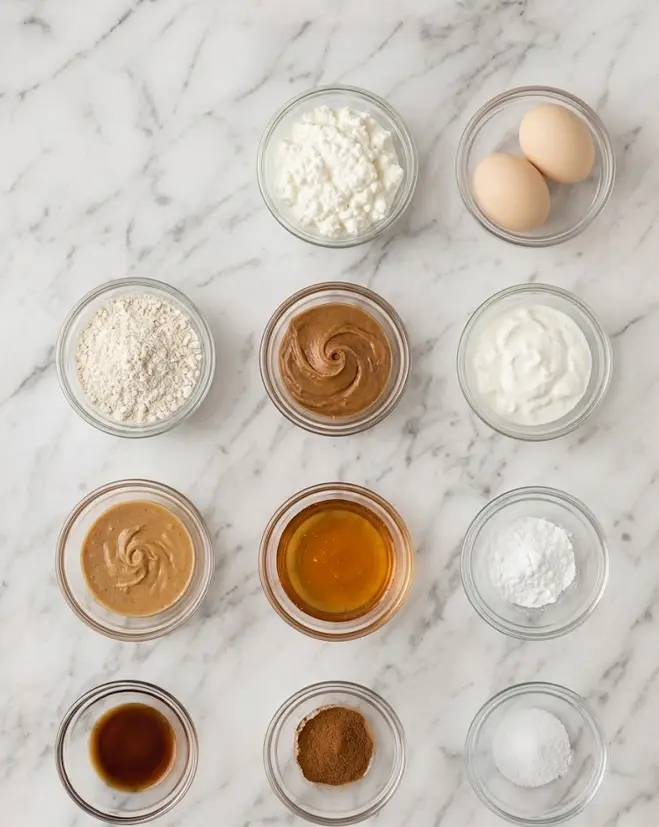
This cottage cheese cookies recipe uses simple, wholesome ingredients that work together to create bakery-style texture with impressive macros. Here’s everything needed for 12 delicious cookies:
Wet Ingredients:
- 225 g cottage cheese (low-fat or full-fat — the star ingredient that adds protein and moisture)
- 2 large eggs (room temperature for better emulsification)
- 60 g Greek yogurt (plain, for extra creaminess and protein)
- 60 g peanut butter or almond butter (optional but recommended for richness and healthy fats)
- 3 tbsp honey or maple syrup (adjust to taste; provides natural sweetness and chew)
- 1 tsp pure vanilla extract (real vanilla enhances the warm, comforting flavor)
Dry Ingredients:
- 100 g oat flour (creates a soft, gluten-friendly base with extra fiber)
- 1 tsp baking powder (for gentle rise and tender crumb)
- 0.5 tsp cinnamon (adds warmth and pairs beautifully with the subtle dairy notes)
- 0.25 tsp salt (balances sweetness and enhances overall flavor)
Equipment:
- Blender or food processor (essential for eliminating cottage cheese lumps)
- Baking sheet
- Parchment paper
- Cookie scoop or tablespoon
Smart Substitutions for Cottage Cheese Cookies:
- Nut-free: Omit peanut butter and add 1 tbsp extra Greek yogurt or applesauce.
- Lower sugar: Replace honey with monk fruit maple syrup or sugar-free honey alternative.
- Higher protein: Stir in 20–30 g vanilla protein powder with the dry ingredients (adjust liquid slightly).
- Gluten-free: The recipe is already gluten-free when using certified gluten-free oat flour.
- Dairy-free challenge: Use a plant-based cottage cheese alternative and dairy-free yogurt (texture will vary slightly).
The magic of these cottage cheese cookies comes from the blended cottage cheese, which disappears completely into the dough, leaving behind incredible softness and a protein punch without any cheesy flavor.
Timing
Prep Time: 10 minutes
Cook Time: 15–18 minutes
Total Time: 28 minutes
These cottage cheese cookies come together remarkably fast. With only 10 minutes of active prep and less than 20 minutes in the oven, the entire process is about 40% quicker than many scratch-made cookie recipes that require chilling dough for hours. The short bake time keeps the centers soft and chewy while the edges turn lightly golden. This efficiency makes the recipe ideal for busy weeknights when you want a fresh, high-protein treat without spending all evening in the kitchen.
Step-by-Step Instructions
Step 1: Preheat and Prepare Your Pan
Preheat your oven to 350°F (175°C) and line a baking sheet with parchment paper. This prevents sticking and promotes even baking. Clearing space in advance ensures the cookies go straight into a hot oven, which helps them rise properly and develop that signature soft-chewy texture.
Step 2: Blend the Cottage Cheese
Add the 225 g cottage cheese to a blender or food processor. Blend for about 45 seconds until completely smooth with zero lumps. This step is non-negotiable for cottage cheese cookies — it transforms the curds into a creamy liquid that integrates seamlessly into the dough and prevents any grainy texture in the final bake.
Step 3: Mix the Wet Ingredients
In a large bowl, whisk together the blended cottage cheese, 2 eggs, 60 g Greek yogurt, 60 g peanut butter (if using), 3 tbsp honey or maple syrup, and 1 tsp vanilla extract. Mix until silky and fully combined, about 60 seconds. The mixture should look glossy and smell lightly sweet and vanilla-forward. Pro tip: Room-temperature eggs blend more easily and create a more uniform dough.
Step 4: Combine the Dry Ingredients
In a separate bowl, whisk the 100 g oat flour, 1 tsp baking powder, 0.5 tsp cinnamon, and 0.25 tsp salt until evenly distributed. This prevents pockets of baking powder that could cause uneven rising in your cottage cheese cookies.
Step 5: Form the Dough and Avoid Overmixing
Gently fold the dry ingredients into the wet mixture using a spatula. Stir just until no flour streaks remain — do not overmix. Overmixing develops too much structure and can make the cookies tougher instead of soft and chewy. The dough will be soft and slightly sticky, which is exactly what you want for tender results.
Step 6: Scoop, Bake, and Cool
Use a cookie scoop or tablespoon to portion 12 equal mounds onto the prepared baking sheet, spacing them about 2 inches apart. Bake for 15–18 minutes until the edges are lightly golden but the centers still look slightly soft. They will firm up as they cool. Let the cookies rest on the baking sheet for 5 minutes before transferring to a wire rack. This carryover cooking is key to achieving the perfect chewy texture in these cottage cheese cookies.
Nutritional Information
Per Cookie (1 of 12):
- Calories: 135
- Protein: 8–10 g (primarily from cottage cheese, Greek yogurt, eggs, and oat flour)
- Carbohydrates: 14–16 g
- Fat: 5–7 g (healthy fats increase when using peanut butter)
- Fiber: 2 g
- Sugar: 5–7 g (from honey and natural dairy sugars)
When including the optional peanut butter, each cottage cheese cookie delivers closer to the higher end of the protein range while adding satisfying healthy fats that promote fullness. These macros make the cookies significantly more nutrient-dense than traditional cookies, which typically offer only 1–2 g of protein and 50% more calories.
High-protein snacks like these have been shown in nutrition research to improve satiety and help maintain lean muscle mass. With nearly 10 g of protein at just 135 calories, these cottage cheese cookies stand out as one of the smartest sweet treats for fitness enthusiasts, busy parents, and anyone managing energy levels throughout the day.
Healthier Alternatives for the Recipe
These cottage cheese cookies are already a healthier choice, but they adapt beautifully to different needs:
- Higher Protein Version: Add 30 g vanilla or unflavored protein powder to the dry ingredients. Reduce Greek yogurt by 15 g to maintain the right dough consistency — this can push protein to 12–14 g per cookie.
- Lower Carb/Keto-Friendly: Swap honey for a sugar-free syrup and replace half the oat flour with almond flour plus ½ tsp xanthan gum for structure.
- Vegan Adaptation: Use a plant-based cottage cheese alternative, flax eggs, and dairy-free yogurt. The texture will be slightly denser but still chewy and delicious.
- Extra Fiber Boost: Fold in 1–2 tbsp chia seeds or ground flaxseed for additional omega-3s and digestive support.
- Flavor Twists: Add dark chocolate chips, raisins, or chopped walnuts for variety while keeping the soft, chewy character intact.
These modifications allow one base cottage cheese cookies recipe to serve low-carb, high-protein, or plant-based lifestyles without compromising taste.
Serving Suggestions
Enjoy these cottage cheese cookies warm from the oven with a glass of cold milk or almond milk for the ultimate comfort experience. They pair beautifully with morning coffee — the cinnamon and vanilla notes complement espresso perfectly. For a more indulgent dessert, crumble one over Greek yogurt with fresh berries to create a high-protein parfait.
Personalized ideas:
- Post-workout: Pair with a protein shake for 25 g+ total protein in a snack.
- Kid-friendly: Make mini versions and pack in lunchboxes as a sneaky protein boost.
- Entertaining: Serve on a platter with dark chocolate drizzle and fresh strawberries for a beautiful, healthier cookie platter.
- Meal prep: Enjoy as an afternoon snack to beat the 3 p.m. slump with steady energy instead of a sugar crash.
The soft, chewy texture of these cottage cheese cookies makes them versatile across breakfast, snacks, and dessert occasions.

Common Mistakes to Avoid
- Not Blending the Cottage Cheese Long Enough: Visible curds create an unpleasant texture. Blend until completely smooth — 45 seconds minimum.
- Overmixing the Dough: This develops gluten in the oat flour and leads to tougher cookies. Fold gently until just combined.
- Overbaking: These cookies should look slightly underdone in the center when removed from the oven. They continue cooking on the hot pan.
- Using Cold Ingredients: Room-temperature eggs and yogurt incorporate air and moisture better, resulting in softer cottage cheese cookies.
- Skipping the Resting Period: Eating them immediately after baking can make them seem undercooked. The 5-minute cool-down on the sheet is essential.
Avoiding these pitfalls guarantees bakery-quality results every time you bake this cottage cheese cookies recipe.
Storing Tips for the Recipe
Store cooled cottage cheese cookies in an airtight container at room temperature for up to 2 days or in the refrigerator for up to 5 days. Because of the high moisture content from cottage cheese and Greek yogurt, refrigeration helps maintain freshness and prevents spoilage.
For longer storage, freeze the baked cookies in a single layer on a tray before transferring to a freezer bag. They keep well for up to 2 months. Thaw overnight in the fridge or for 10–15 minutes at room temperature. You can also freeze unbaked dough balls and bake straight from frozen, adding 2–3 extra minutes to the bake time.
To refresh refrigerated or frozen cookies, warm them in the microwave for 8–10 seconds — they’ll taste fresh-baked with that signature soft and chewy texture restored.
Conclusion
These cottage cheese cookies deliver soft, chewy perfection with nearly 10 grams of protein and only 135 calories each. Quick to make and endlessly adaptable, they prove healthy baking can be genuinely delicious and satisfying.
Ready to transform your snack game? Bake this cottage cheese cookies recipe this week, then come back to share your results, favorite add-ins, or texture tips in the comments below. Rate the recipe, leave your feedback, and subscribe for more high-protein desserts, easy healthy treats, and macro-friendly baking ideas delivered straight to your inbox!
FAQs
How much protein is actually in each cottage cheese cookie?
Each cookie provides approximately 8–10 grams of protein depending on the exact brands of cottage cheese, Greek yogurt, and whether you include peanut butter. This makes them far more filling than traditional cookies.
Will these cottage cheese cookies taste like cottage cheese?
Not at all. Once blended smooth and baked with vanilla, cinnamon, and honey, the cottage cheese flavor disappears completely, leaving a rich, moist cookie taste.
Can I make cottage cheese cookies gluten-free?
Yes — the recipe is naturally gluten-free when you use certified gluten-free oat flour. The texture remains soft and chewy.
Why is my dough so sticky?
This is normal for this recipe. The high moisture from cottage cheese and yogurt creates a softer dough. Use a cookie scoop and avoid adding extra flour, which can dry out the final cookies.
How do I keep cottage cheese cookies soft and chewy after baking?
Slightly underbake them, cool on the baking sheet first, and store in an airtight container. The moisture from the cottage cheese helps them stay soft for days.
Can I add chocolate chips or other mix-ins?
Absolutely. Fold in 40–60 g dark chocolate chips, raisins, or chopped nuts after combining wet and dry ingredients. This creates fun variations while maintaining the protein profile.
Are these suitable for meal prep and freezing?
Yes. They freeze beautifully for up to 2 months. They’re perfect for batch baking and grabbing as a high-protein snack or dessert anytime.
This comprehensive cottage cheese cookies guide gives you everything you need to bake soft, chewy, protein-packed treats with confidence. Enjoy your new favorite healthy cookie!


Cottage Cheese Cookies Recipe 10g Protein Soft Chewy Treats
Ingredients
Equipment
Method
- Preheat oven to 350°F (175°C). Line a baking sheet with parchment paper.
- Blend cottage cheese in a blender or food processor for about 45 seconds until completely smooth with no lumps.
- In a bowl, whisk together the blended cottage cheese, eggs, Greek yogurt, peanut butter, honey, and vanilla extract until smooth and combined.
- In a separate bowl, whisk oat flour, baking powder, cinnamon, and salt.
- Fold the dry ingredients into the wet ingredients with a spatula until no flour streaks remain. Do not overmix.
- Use a tablespoon or cookie scoop to drop dough onto the baking sheet, spacing about 2 inches apart.
- Bake for 15-18 minutes until edges are lightly golden but centers remain soft.
- Cool on baking sheet for 5 minutes, then transfer to a cooling rack to finish cooling.