Homemade High Protein Egg Muffins Recipe
What if a single breakfast item could deliver a powerful protein punch, load up on vegetables, and still be ready in less time than it takes to scroll through your morning emails? Most people believe that a truly satisfying, nutrient-dense breakfast requires hours in the kitchen or expensive meal-delivery services. High protein egg muffins prove that belief completely wrong.
These savory, fluffy egg bites combine the complete protein power of eggs with vibrant vegetables and customizable add-ins to create a grab-and-go breakfast that supports muscle maintenance, stabilizes blood sugar, and keeps you full for hours. According to nutritional research, consuming 20–30 grams of protein at breakfast can improve satiety by up to 60% compared to high-carbohydrate meals and may support better metabolic health throughout the day.
Our high protein egg muffins recipe delivers approximately 9 grams of high-quality protein per muffin at only 120 calories, making them an ideal choice for weight management, muscle building, busy professionals, athletes, and families alike. In this comprehensive guide, you’ll find everything you need to master this versatile recipe: exact ingredients with smart substitutions, step-by-step instructions with pro tips, nutritional breakdowns, healthier variations, serving ideas, common pitfalls to avoid, and storage strategies that make meal prep effortless.
Whether you’re new to meal prepping or a seasoned pro looking for fresh high-protein breakfast ideas, these protein-packed egg muffins will quickly become a staple in your kitchen. Best of all, they’re naturally low in carbohydrates, gluten-free (when using certified ingredients), and endlessly customizable. Let’s dive into how to make the best high protein egg muffins you’ve ever tasted.
Ingredients List
The beauty of high protein egg muffins lies in their simple yet nutrient-dense ingredient list. Here’s exactly what you’ll need for 6 standard muffins:
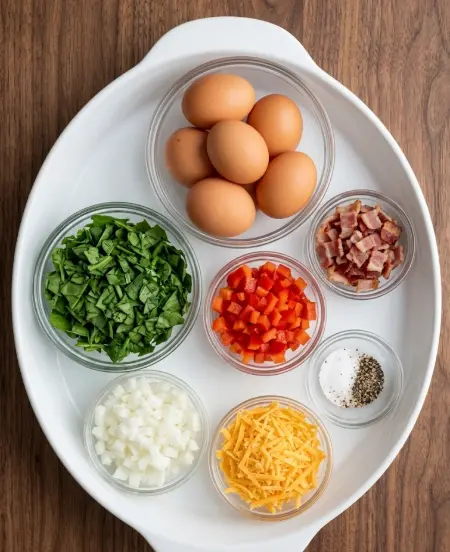
- 6 large eggs – The foundation of the recipe, delivering complete, high-biological-value protein.
- 240 ml (about 1 cup) fresh spinach, chopped – Adds iron, vitamin K, folate, and a beautiful green color with virtually no extra calories.
- 75 g bell pepper (any color), finely diced – Provides vitamin C, antioxidants, and a subtle sweet crunch.
- 75 g onion, finely diced – Builds savory depth and offers prebiotic fiber for gut health.
- 75 g shredded cheese (cheddar, feta, mozzarella, or a blend) – Melts into creamy pockets of flavor while adding extra protein and calcium.
- 1 tsp salt (or to taste)
- 1 tsp black pepper (freshly ground preferred)
- 100 g cooked bacon or sausage, diced (optional) – Boosts protein significantly and adds smoky, savory richness.
Smart Substitutions for Every Diet:
- Dairy-free? Replace cheese with nutritional yeast or a favorite plant-based shredded cheese.
- Lower fat? Swap whole eggs for a mix of whole eggs and egg whites, or use turkey bacon.
- Vegetarian? Skip the meat entirely or add cooked quinoa or chickpeas for extra plant-based protein.
- Boost the greens? Substitute or combine spinach with kale, broccoli florets, zucchini, or mushrooms.
- Spice it up? Add jalapeños, sun-dried tomatoes, fresh herbs (basil, chives, parsley), or a pinch of smoked paprika, garlic powder, or everything bagel seasoning.
These flexible options ensure high protein egg muffins can be adapted for keto, paleo, Mediterranean, or vegetarian eating patterns without losing their signature taste and texture.
Timing
Prep Time: 10 minutes
Cook Time: 18–20 minutes
Total Time: 30 minutes
This high protein egg muffins recipe is remarkably efficient. At just 30 minutes from start to finish, it requires 20% less time than the average breakfast casserole and far less hands-on effort than a traditional omelet station. The active prep is only 10 minutes—mostly chopping vegetables—making it realistic even on hectic weekday mornings. Once you master the technique, you can have a week’s worth of breakfasts ready before your coffee finishes brewing.
Step-by-Step Instructions
Preheat and Prepare Your Equipment
Preheat your oven to 350°F (175°C). Position the rack in the center for even cooking. While the oven heats, lightly grease a 6-cup muffin tin with cooking spray, butter, or olive oil. Proper greasing is essential to prevent sticking and ensure clean removal.
Whisk the Eggs with Seasoning
In a large mixing bowl, crack the 6 large eggs. Add 1 teaspoon of salt and 1 teaspoon of freshly ground black pepper. Whisk vigorously for 60–90 seconds until the mixture is uniform in color and slightly frothy. This step incorporates air, resulting in lighter, fluffier high protein egg muffins.
Pro Tip: Room-temperature eggs whisk more evenly and produce better texture. Take eggs out of the fridge 15–20 minutes before starting if possible.
Incorporate the Vegetables, Cheese, and Optional Protein
Add the chopped spinach, diced bell pepper, diced onion, and shredded cheese to the whisked eggs. If using cooked bacon or sausage, stir that in now. Mix gently with a spatula until all ingredients are evenly distributed throughout the egg mixture. Avoid overmixing to preserve the light texture.
Personalized Tip: For extra flavor, sauté the onions and peppers for 3–4 minutes before adding. This caramelizes their natural sugars and removes excess moisture that could make muffins watery.
Fill the Muffin Tin
Pour or ladle the mixture evenly into the prepared muffin cups, filling each about ¾ full. The muffins will rise slightly during baking. Tap the tin gently on the counter to remove any air bubbles.
Bake to Perfection
Place the muffin tin in the preheated oven and bake for 18–20 minutes. The high protein egg muffins are done when the centers are set, the tops are lightly golden, and a toothpick inserted in the center comes out clean. Avoid overbaking, as it can lead to rubbery texture.
Cool and Remove
Let the muffins cool in the tin for 3–5 minutes. Run a thin knife or offset spatula around the edges to loosen, then gently lift them out. Cool completely on a wire rack if you’re not serving immediately.
Nutritional Information
Each high protein egg muffin (base recipe without optional meat) contains approximately:
- Calories: 120
- Protein: 9g
- Total Fat: 8g
- Carbohydrates: 2–3g
- Fiber: 0.5g
- Sugar: <1g
With 100g cooked bacon added across the batch: Protein increases to approximately 11–12g per muffin and calories rise to about 160–170.
These numbers make high protein egg muffins an excellent macro-friendly choice. Six muffins provide more than 50 grams of protein total while remaining relatively low in carbohydrates—ideal for low-carb, keto, or high-protein diets. The combination of protein and fiber from vegetables helps regulate blood sugar and promotes sustained energy. Compared to a typical pastry or sugary cereal (often 300+ calories with minimal protein), these muffins offer superior nutritional density.
Healthier Alternatives for the Recipe
Transform your high protein egg muffins to meet specific dietary goals while preserving flavor:
- Lower Calorie Version: Use 4 whole eggs + 6 egg whites and double the vegetable volume. This can reduce calories to ~90 per muffin.
- Higher Protein Boost: Stir in 2–3 tablespoons of cottage cheese or Greek yogurt into the egg mixture before baking.
- Dairy-Free & Paleo: Omit cheese or use coconut milk and nutritional yeast. Add compliant meats or smoked salmon.
- Anti-Inflammatory Focus: Emphasize turmeric, ginger, extra spinach, and olive oil. Use feta instead of cheddar.
- Vegan Adaptation: While true egg muffins can’t be fully vegan, a chickpea flour “frittata” base with similar vegetables and tofu can mimic the concept.
These modifications allow the recipe to support weight loss, muscle gain, blood sugar management, or anti-inflammatory eating patterns.
Serving Suggestions
High protein egg muffins are incredibly versatile. Serve them warm with sliced avocado and salsa for a Southwestern twist, or pair with a side of Greek yogurt and berries for a sweet-savory contrast. They make an excellent addition to weekend brunch boards alongside fresh fruit, smoked salmon, and whole-grain toast.
For meal prep, pack two muffins with a handful of cherry tomatoes and cucumber slices for a balanced lunch. Kids love them in lunchboxes (they’re easy to eat at room temperature). You can also crumble them into salads or wraps for added protein.
Personal Recommendation: Try topping warm muffins with a dollop of hot sauce or chimichurri for an antioxidant boost that makes the flavors pop.

Common Mistakes to Avoid
- Not greasing the tin properly – Leads to muffins that stick and tear. Always grease generously.
- Overfilling the cups – Causes overflow and uneven cooking. Stick to ¾ full.
- Overbaking – Results in dry, rubbery texture. Check at 18 minutes.
- Using too much watery vegetables – Excess moisture from uncooked mushrooms or tomatoes can make muffins soggy. Sauté high-water-content veggies first.
- Skipping the resting period – Removing muffins immediately can cause them to deflate or break.
- Under-seasoning – Eggs need adequate salt and pepper. Taste the raw mixture (small amount) and adjust.
Avoiding these mistakes will dramatically improve your success rate with high protein egg muffins.
Storing Tips for the Recipe
High protein egg muffins are perfect for meal prep. Store cooled muffins in an airtight container in the refrigerator for up to 4 days. For longer storage, freeze them individually on a baking sheet, then transfer to a freezer bag for up to 3 months.
To reheat: Microwave refrigerated muffins for 30–45 seconds or frozen muffins for 1–2 minutes. For best texture, reheat in a 350°F oven for 8–10 minutes. Avoid overheating to prevent toughness.
Prep-Ahead Tip: Chop all vegetables up to 2 days in advance and store in the fridge. Whisk eggs fresh for best results.
Conclusion
These high protein egg muffins deliver 9g of protein, vibrant vegetables, and delicious flavor in just 30 minutes. Versatile, meal-prep friendly, and far superior to sugary breakfast options, they’re a smart choice for busy, health-conscious lives.
Ready to transform your mornings? Try this high protein egg muffins recipe this week and let us know how it turned out! Share your customizations, favorite add-ins, or photos in the comments below. Don’t forget to subscribe to our blog for more healthy breakfast recipes, meal-prep guides, and nutrition tips delivered straight to your inbox.
FAQs
Can I make high protein egg muffins ahead of time?
Absolutely. They’re designed for meal prep. Bake a batch on Sunday and enjoy them throughout the week. They keep well in the fridge for 4 days or in the freezer for 3 months.
Are high protein egg muffins keto-friendly?
Yes. With only 2–3 grams of net carbs per muffin (without optional high-carb add-ins), they fit perfectly into a ketogenic or low-carb lifestyle.
How do I prevent egg muffins from sticking to the pan?
Generously grease the muffin tin with oil, butter, or cooking spray. Silicone muffin cups also work extremely well and require no additional grease.
Can I use only egg whites for a lower-calorie version?
Yes. Replace 3–4 whole eggs with egg whites to reduce calories and fat while maintaining high protein content. The texture will be slightly less rich but still delicious.
What vegetables work best in high protein egg muffins?
Spinach, bell peppers, onions, broccoli, mushrooms, zucchini, and tomatoes (after removing excess seeds) are all excellent. Sauté watery vegetables first to prevent sogginess.
How can I increase the protein even more?
Add cooked chicken, turkey sausage, diced ham, or a spoonful of cottage cheese to the mixture. You can easily reach 12–15g of protein per muffin with strategic additions.
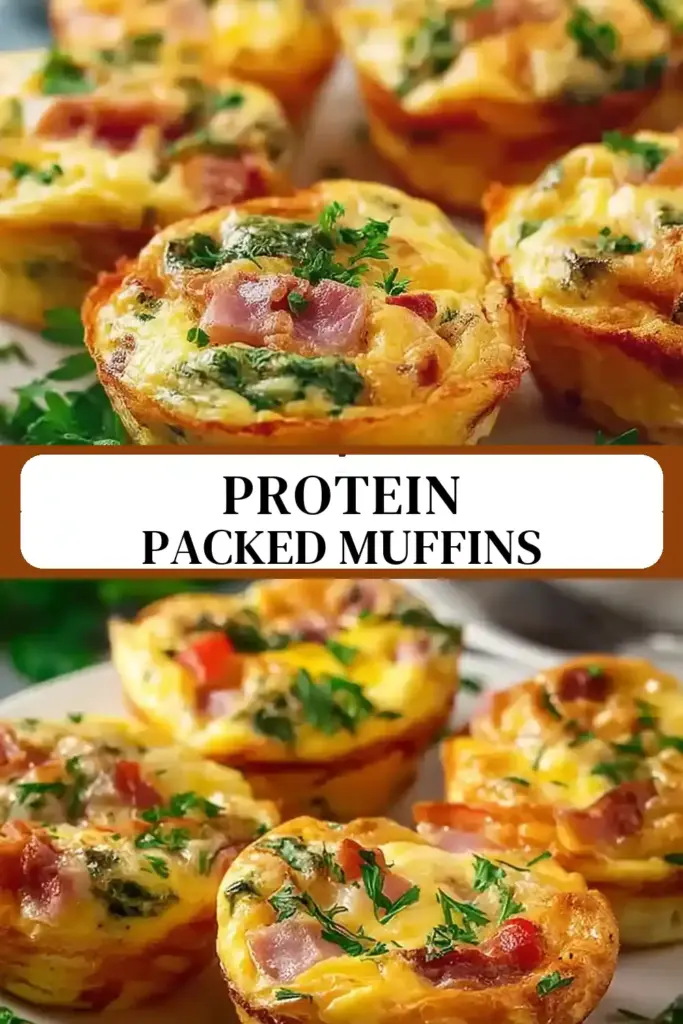


High Protein Egg Muffins
Ingredients
Equipment
Method
- Preheat the oven to 350°F (175°C).
- In a large bowl, whisk the eggs and season with salt and pepper.
- Stir in the spinach, bell pepper, onion, cheese, and any optional ingredients like bacon or sausage.
- Grease a muffin tin and pour the mixture evenly into each cup, filling about 3/4 full.
- Bake for 18-20 minutes, or until the egg muffins are set and lightly golden.
- Allow to cool slightly before removing from the tin.