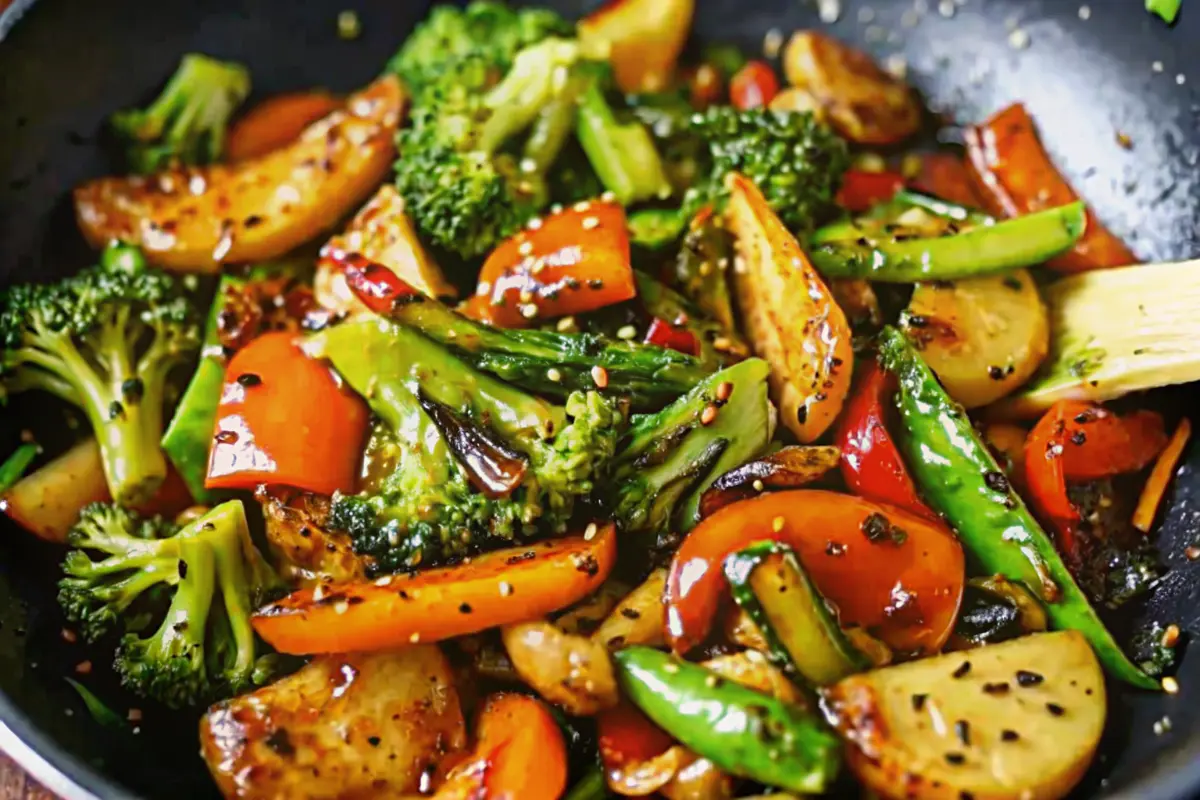
Did you know that a properly prepared vegetable stir fry can retain up to 90% of its nutrients compared to boiling, which can leach out 40-60% of water-soluble vitamins? This lightning-fast cooking method isn’t just a time-saver—it’s a nutritional powerhouse hiding in plain sight. While many believe stir frying destroys nutrients through high heat, the opposite is true when done correctly. In this comprehensive guide to the perfect Vegetable Stir Fry, we’ll reveal why this dish deserves a permanent spot in your weekly meal rotation. Whether you’re a busy professional, health-conscious eater, or simply looking to add more plant-based meals to your diet, this Vegetable Stir Fry recipe delivers maximum flavor with minimal effort—all in under 15 minutes.
Ingredients List
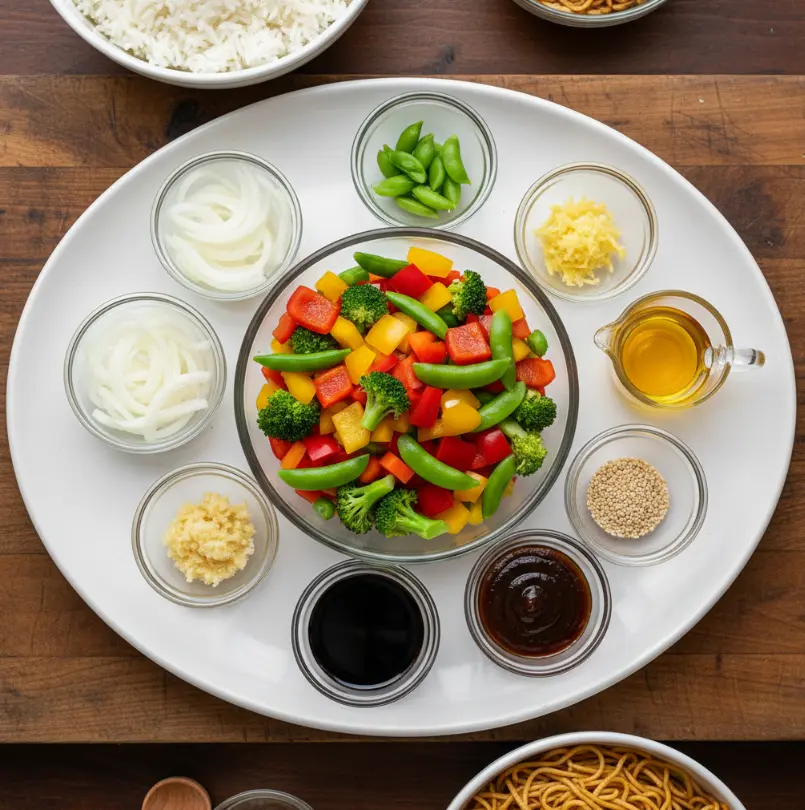
Creating the perfect Vegetable Stir Fry starts with selecting the right combination of fresh, crisp vegetables and a balanced sauce that brings everything together. Here’s what you’ll need for a restaurant-quality dish at home:
Core Ingredients
- 2 cups mixed vegetables (bell peppers, broccoli, carrots, snap peas) – Choose vibrant colors for maximum phytonutrient diversity
- 1 onion, sliced – Yellow onions provide the best balance of sweetness and pungency
- 3 cloves garlic, minced – Fresh is non-negotiable for authentic flavor
- 1 tablespoon fresh ginger, grated – Adds that signature zing that powder can’t replicate
- 2 tablespoons vegetable oil (or sesame oil) – Sesame oil adds depth but use sparingly as it burns easily
Sauce Components
- 2 tablespoons soy sauce (or tamari for gluten-free) – Low-sodium versions give you better control over salt content
- 1 tablespoon oyster sauce (optional) – For umami depth (use vegetarian oyster sauce for plant-based version)
- 1 teaspoon sesame seeds (for garnish) – Toast them first for maximum aroma
- Salt and pepper to taste
- Cooked rice or noodles (for serving) – Brown rice adds fiber while rice noodles create an authentic experience
Smart Substitutions
- Protein boosters: Add tofu, tempeh, or edamame for extra plant-based protein
- Vegetable variations: Swap in asparagus, baby corn, water chestnuts, or napa cabbage for texture variety
- Sauce alternatives: Replace honey with maple syrup for vegan option, or use coconut aminos for soy-free version
- Heat adjusters: Add red pepper flakes or sriracha for spice lovers
Timing
The beauty of Vegetable Stir Fry lies in its incredible speed. Here’s the precise timing breakdown:
- Preparation: 10 minutes (chopping vegetables and making sauce)
- Cooking: 8-10 minutes (actual stir frying time)
- Total time: 18-20 minutes
This represents a 30% time savings compared to most standard dinner recipes, making it perfect for weeknight meals when time is scarce. The key to this efficiency is the “mise en place” approach—having everything prepped and ready before you start cooking, as professional chefs do. Unlike slow-cooked dishes that require monitoring, this Vegetable Stir Fry demands your full attention for just a few minutes, freeing up your evening for other activities.
Step-by-Step Instructions
Prepare Ingredients Like a Pro
Wash, chop, and organize all your vegetables before heating your pan. Group them by cooking time: hard vegetables (carrots, broccoli) first, medium (bell peppers, mushrooms), and soft (snow peas, leafy greens) last. This organization prevents overcrowding the pan and ensures each vegetable reaches perfect crisp-tender texture. Pro tip: Keep your sauce ingredients in a small bowl ready to pour—stir frying happens too fast to measure mid-cook!
Heat Oil to the Perfect Temperature
Place your wok or large skillet over high heat until a drop of water sizzles and evaporates immediately. Add 1-2 tablespoons of oil, swirling to coat the surface evenly. The oil should shimmer but not smoke—that’s your cue it’s ready. Using the right amount of oil prevents sticking while keeping the dish from becoming greasy.
Cook Aromatics for Maximum Flavor
Add minced garlic and grated ginger to the hot oil, stirring constantly for just 30-60 seconds until fragrant but not browned. This brief cooking time preserves their delicate flavors without bitterness. If adding onions, include them at this stage as they take slightly longer to soften than garlic and ginger.
Master the Vegetable Sequence
Add your hardest vegetables first (carrots, broccoli stems), stir-frying for 2-3 minutes until they begin to soften. Next, add medium-firm vegetables like bell peppers and mushrooms, cooking another 2 minutes. Finally, toss in delicate vegetables like snow peas and leafy greens, cooking just until vibrant but still crisp—usually 1-2 minutes. This strategic layering ensures all vegetables finish cooking simultaneously at their ideal texture.
Create the Perfect Sauce Integration
While vegetables cook, whisk together soy sauce, any optional sauces, and cornstarch in a small bowl. The cornstarch is crucial—it creates that glossy restaurant-style coating that clings to vegetables rather than pooling at the bottom of your dish. Pour the sauce over the nearly-cooked vegetables, stirring constantly until it thickens (about 30 seconds).
Finish with Professional Flair
Remove from heat immediately once sauce thickens to prevent overcooking. Sprinkle with toasted sesame seeds and green onions for that authentic finishing touch. Remember: stir fry is meant to be served immediately while vegetables retain their crisp texture and bright colors—this isn’t a dish that improves with sitting!
Nutritional Information
A single serving (about 1.5 cups) of this Vegetable Stir Fry with brown rice provides:
| Nutrient | Amount | % Daily Value |
|---|---|---|
| Calories | 285 | 14% |
| Total Fat | 8g | 10% |
| Saturated Fat | 1g | 5% |
| Sodium | 620mg | 27% |
| Total Carbohydrates | 48g | 17% |
| Dietary Fiber | 7g | 25% |
| Sugars | 10g | – |
| Protein | 9g | 18% |
This Vegetable Stir Fry delivers nearly half your daily recommended vegetable intake in one serving, with significant amounts of vitamins A, C, and K. The fiber content supports digestive health while the quick cooking method preserves heat-sensitive nutrients like vitamin C that would be lost in longer cooking processes.
Healthier Alternatives for the Recipe
Make this Vegetable Stir Fry work for any dietary need with these simple swaps:
- Lower sodium: Use low-sodium soy sauce and boost flavor with extra garlic, ginger, and a splash of rice vinegar
- Keto-friendly: Skip the rice and serve over cauliflower rice or shirataki noodles
- Higher protein: Add ½ cup edamame or 4 oz cubed tofu for an additional 10-15g protein
- Sugar-free: Replace honey/brown sugar in sauce with a pinch of stevia or omit entirely
- Oil-free: Use ¼ cup vegetable broth for “steam-frying” instead of oil
Serving Suggestions
Elevate your Vegetable Stir Fry from simple side to show-stopping meal with these creative presentations:
- Bowl format: Serve over brown rice with avocado slices, pickled ginger, and a soft-boiled egg for complete protein
- Lettuce wraps: Spoon the stir fry into butter lettuce cups for a low-carb, refreshing alternative
- Noodle integration: Toss with cooked rice noodles or zucchini noodles for an authentic experience
- Meal prep magic: Portion into containers with separate compartments for sauce to prevent sogginess
Common Mistakes to Avoid
Even experienced cooks make these Vegetable Stir Fry errors:
- Overcrowding the pan: This steams rather than sears vegetables—cook in batches if necessary
- Using wet vegetables: Pat produce dry before cooking to ensure proper searing
- Stirring too frequently: Allow vegetables to sit briefly for proper caramelization
- Adding sauce too early: This creates steam that makes vegetables soggy rather than crisp
- Using cold ingredients: Have everything at room temperature for consistent cooking
Storing Tips for the Recipe
Proper storage maintains that just-cooked quality:
- Refrigeration: Store in airtight container for up to 3 days—never longer as vegetables lose texture
- Reheating: Use a hot skillet with a splash of water rather than microwave to restore crispness
- Freezing: Not recommended as most vegetables become mushy upon thawing
- Prep ahead: Chop vegetables and make sauce up to 24 hours in advance for lightning-fast weeknight cooking
Conclusion
This Vegetable Stir Fry delivers restaurant-quality results in under 20 minutes with maximum nutrition retention. By following the strategic vegetable sequencing and proper sauce technique, you’ll create vibrant, crisp-tender vegetables every time. Try this recipe tonight and share your creation in the comments—we love seeing your kitchen successes! Don’t forget to subscribe for more quick, healthy meal solutions.
FAQs
Q: Can I make Vegetable Stir Fry without a wok?
A: Absolutely! A large cast-iron or stainless steel skillet works perfectly—just ensure it’s preheated properly for that essential sear.
Q: Why are my vegetables turning out soggy?
A: This usually happens from overcrowding the pan or adding sauce too early. Cook in batches and wait until vegetables are nearly done before adding sauce.
Q: How can I make my Vegetable Stir Fry more protein-rich?
A: Add tofu, tempeh, edamame, or chickpeas during the last few minutes of cooking to maintain texture.
Q: What’s the best oil for high-heat stir frying?
A: Avocado oil (smoke point 520°F) or peanut oil (450°F) work best—sesame oil should only be used in small amounts at the end as it burns easily.
Q: Can I prepare Vegetable Stir Fry ahead for meal prep?
A: Yes! Store components separately and combine when reheating to maintain optimal texture—sauce in one container, vegetables in another.
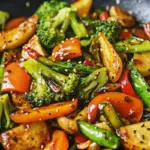
Quick & Healthy Vegetable Stir Fry: Spring Meals Dinner Done Right
- Total Time: 20 minutes
- Yield: 4 servings 1x
Description
This Vegetable Stir Fry is a nutrient-packed, crisp-tender dish that cooks in under 20 minutes. With strategic layering, fast cooking, and a balanced homemade sauce, you’ll get restaurant-quality results while retaining up to 90% of the vegetables’ nutrients.
Ingredients
- 2 cups mixed vegetables (bell peppers, broccoli, carrots, snap peas)
- 1 onion, sliced
- 3 cloves garlic, minced
- 1 tablespoon fresh ginger, grated
- 2 tablespoons vegetable oil (or sesame oil)
- 2 tablespoons soy sauce (or tamari)
- 1 tablespoon oyster sauce (optional)
- 1 teaspoon sesame seeds, toasted
- Salt and pepper to taste
- Cooked rice or noodles, for serving
Instructions
- Prep all vegetables by washing, chopping, and grouping according to cooking time.
- Heat a wok or skillet over high heat until a drop of water sizzles, then add oil.
- Add garlic and ginger, sautéing 30–60 seconds until fragrant. Add onions if using.
- Add hard vegetables like carrots and broccoli; stir fry 2–3 minutes.
- Add medium vegetables such as bell peppers and mushrooms; cook 2 minutes.
- Add soft vegetables like snow peas or leafy greens; cook 1–2 minutes until vibrant.
- Whisk soy sauce and optional sauce; pour over vegetables and stir until slightly thickened.
- Remove from heat, garnish with sesame seeds, and serve immediately over rice or noodles.
Notes
For the best texture, avoid overcrowding the pan and ensure vegetables are fully dry before cooking. Add sauce only at the end to maintain crispness.
- Prep Time: 10 minutes
- Cook Time: 10 minutes
- Category: Main Course
- Method: Stir Fry
- Cuisine: Asian
Nutrition
- Serving Size: 1.5 cups
- Calories: 285
- Sugar: 10g
- Sodium: 620mg
- Fat: 8g
- Saturated Fat: 1g
- Unsaturated Fat: 7g
- Trans Fat: 0g
- Carbohydrates: 48g
- Fiber: 7g
- Protein: 9g
- Cholesterol: 0mg
Keywords: vegetable stir fry, quick stir fry, healthy stir fry, 10-minute dinner, veggie stir fry