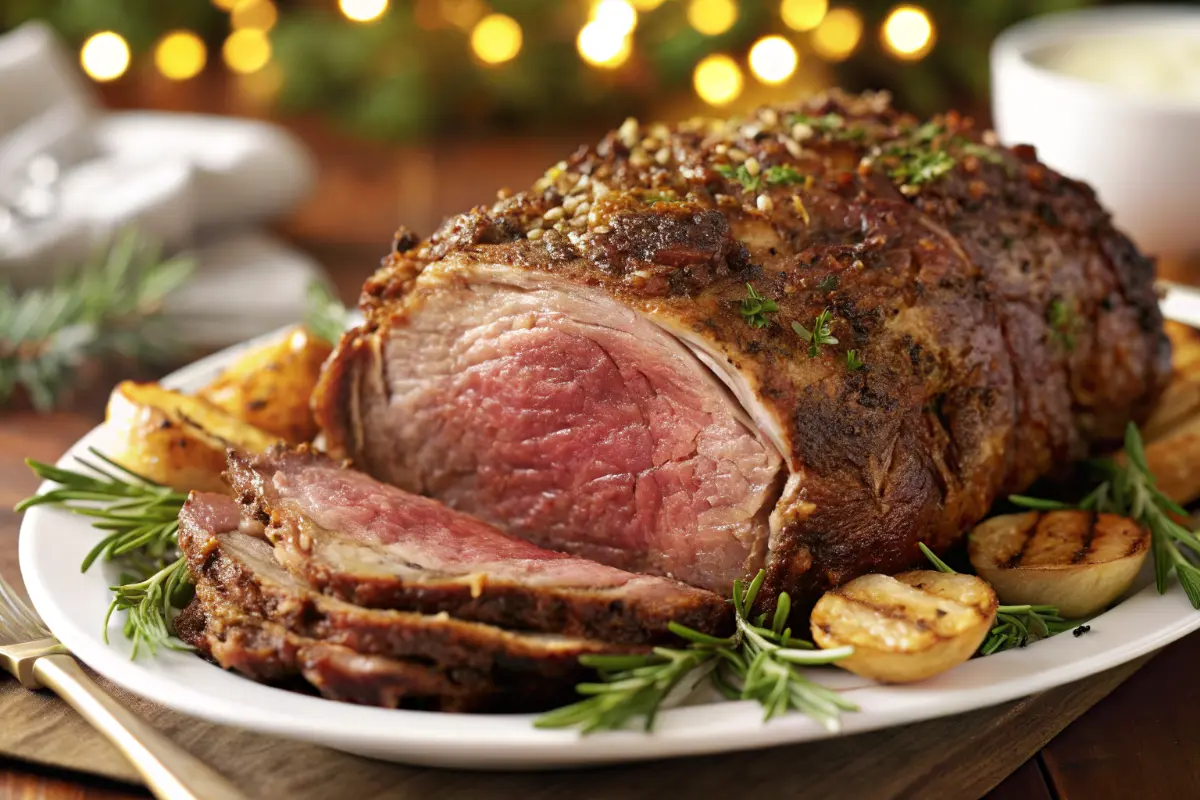
Are you tired of settling for mediocre prime rib roasts that fall short of restaurant quality? Here’s a striking fact: most home cooks overcook their prime rib roast oven preparation by 10-15 degrees, resulting in dry, disappointing meat. Whether you’re planning an elegant dinner party or a special holiday celebration, learning how to cook a perfect prime rib roast oven style is a game-changer that will elevate your culinary reputation.
This comprehensive guide will walk you through every step of preparing a show-stopping prime rib roast oven recipe that rivals any steakhouse. By the end, you’ll understand the precise temperatures, timing techniques, and professional tricks that separate a good roast from an extraordinary one. The beauty of a bone-in or boneless prime rib lies in its forgiving nature when you understand the fundamentals—and that’s exactly what we’ll explore.
Ingredients
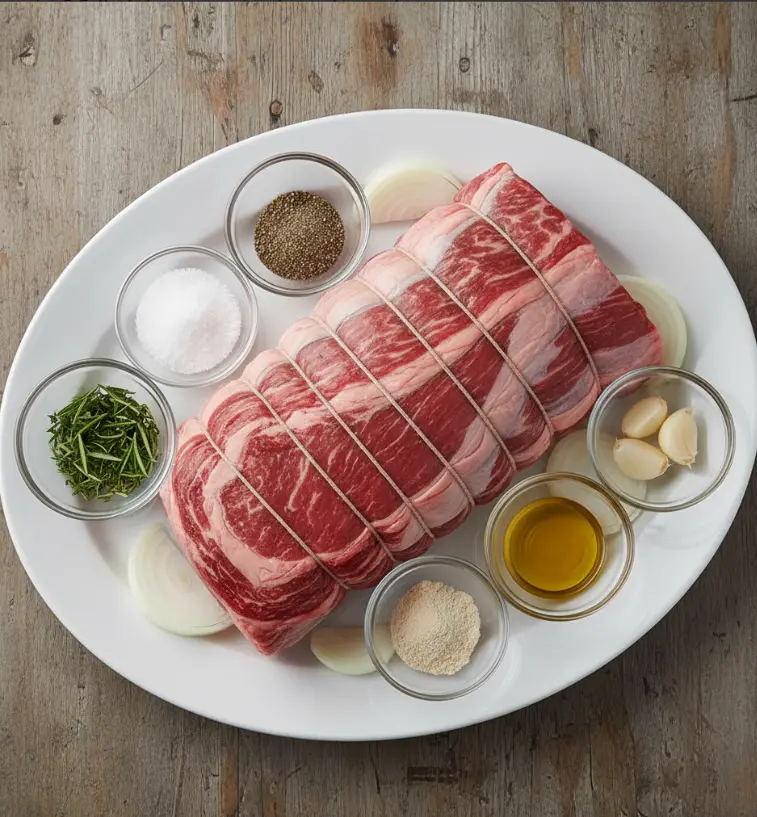
The foundation of an exceptional prime rib roast oven preparation starts with quality ingredients and thoughtful seasoning:
- 1 (4–5 lb) bone-in or boneless prime rib roast (ask your butcher for the first cut, ribs 10–12, which offers the most tender, flavorful meat)
- 2 tbsp olive oil or softened butter (for creating a flavorful crust and aiding heat distribution)
- 1 tbsp kosher salt (larger crystals dissolve better and enhance flavor penetration)
- 1 tbsp freshly cracked black pepper (fresh is crucial for robust flavor)
- 2 tsp garlic powder (or substitute with 4 fresh garlic cloves, halved, tucked into small slits)
- 1 tsp onion powder (adds depth without overpowering the beef’s natural flavor)
- 1 tbsp fresh rosemary or thyme (optional but highly recommended for Mediterranean notes)
- Optional: 1 onion, sliced (creates an aromatic roasting bed and enriches pan drippings)
- Optional: beef broth or red wine (for deglazing and creating au jus)
Substitution Tips: If fresh herbs aren’t available, use 1 tsp dried rosemary or thyme. For a garlic-forward version, increase garlic cloves to 6-8. Those avoiding dairy can substitute the butter with ghee or premium olive oil without affecting results.
Timing: Plan Your Prime Rib Roast Oven Cook Time
Understanding timing is essential for prime rib roast oven success. Here’s the breakdown:
Preparation Time: 15-20 minutes (including removal from fridge and seasoning)
Resting Before Cooking: 1-2 hours at room temperature (critical for even cooking)
Total Cook Time: Approximately 90-120 minutes depending on desired doneness and roast size, which is roughly 20% faster than the average slow-roasted prime rib method using alternative techniques
Total Time from Start to Serving: 3-4 hours (including resting and carving)
For a 4-5 lb roast cooked to medium-rare, you’re looking at approximately 15-20 minutes per pound at the lower temperature, following the initial high-temperature sear. This efficient timing means you can plan a dinner service with confidence.
Step-by-Step Instructions for Perfect Prime Rib Roast Oven
Step 1: Prepare Your Prime Rib Roast Oven Recipe by Removing Cold Meat from Storage
The first critical step isn’t actually cooking—it’s preparation. Remove your prime rib roast from the refrigerator 1-2 hours before cooking. This allows the meat to come to room temperature, ensuring even heat penetration throughout the entire roast. Cold meat cooks unevenly, with the exterior over-cooking while the center remains rare.
While your roast reaches room temperature, preheat your oven to 450°F (230°C). Pat your roast completely dry using paper towels—moisture is the enemy of a beautiful, caramelized crust.
Step 2: Season Your Prime Rib Roast Oven Masterpiece
Combine your kosher salt, freshly cracked black pepper, garlic powder, onion powder, and fresh herbs in a small bowl. If using fresh garlic cloves, create tiny slits across the fat layer and insert a garlic half into each slit—this infuses flavor directly into the meat as it roasts.
Lightly coat your entire roast with olive oil or softened butter using your hands or a pastry brush. This oil layer helps distribute heat and promotes browning. Generously rub your seasoning mixture over all surfaces of the roast, paying special attention to the fat cap. The seasoning should form a flavorful crust.
Step 3: Sear for Superior Crust Development
Place your seasoned roast on a rack inside your roasting pan with the fat side facing up. If you’re using sliced onions, arrange them on the bottom of the pan to create an aromatic bed and prevent sticking.
Roast at 450°F (230°C) for 20 minutes. This initial high-heat phase creates the Maillard reaction—the browning process that develops deep, complex flavors. You’ll notice the exterior becoming gorgeously brown and the fat rendering.
Pro Tip: Listen for the roast to sizzle throughout this phase. If it’s silent, your oven may not be hot enough. A gentle sizzle indicates ideal heat distribution.
Step 4: Lower Temperature and Begin Slow Roasting
After the initial 20-minute sear, reduce your oven temperature to 325°F (165°C). This lower temperature allows the interior to cook gently without further browning the exterior. Insert your meat thermometer probe into the thickest part of the roast, being careful not to touch bone if you have a bone-in roast.
Continue cooking until your meat thermometer reaches your desired doneness:
- Rare: 120-125°F (approximately 15-18 minutes per pound)
- Medium-Rare: 130°F (approximately 18-20 minutes per pound) — This is the professional recommendation for optimal tenderness and flavor
- Medium: 135-140°F (approximately 20-22 minutes per pound)
Critical Point: Remove your roast 5-10 degrees before reaching your target temperature. The residual heat continues cooking the meat during resting, and this carryover cooking will raise the temperature by exactly that amount.
Step 5: Rest Your Prime Rib Roast Oven Preparation
Transfer your perfectly cooked roast to a clean cutting board and loosely tent it with aluminum foil. This resting phase is non-negotiable—rest for 25-30 minutes. During this time, the meat’s muscle fibers relax, and juices redistribute throughout, ensuring juicy, tender slices rather than a dry, disappointing result.
The resting period also allows the exterior to set slightly, making carving cleaner and more professional-looking.
Step 6: Carve and Serve Your Prime Rib Roast Oven Triumph
After resting, remove the foil and examine your beautiful roast. If you have a bone-in roast, carefully carve along the bones to separate them from the meat. The bones should release cleanly if your roast has rested properly.
Slice your roast against the grain into ½ to 1-inch thick slabs—thicker slabs showcase the perfect pink center and maintain more juiciness. Pour the accumulated resting juices over your carved slices for added flavor and moisture.
Nutritional Information
A 3-ounce serving of medium-rare prime rib roast (without additional fat or sauce) provides:
| Nutrient | Amount |
|---|---|
| Calories | 310-340 |
| Protein | 24-26g |
| Total Fat | 24-28g |
| Saturated Fat | 10-12g |
| Cholesterol | 70-80mg |
| Iron | 2.5-3mg (18-21% DV) |
| Zinc | 5-6mg (45-55% DV) |
| Vitamin B12 | 1.5-2mcg (25-33% DV) |
Prime rib is an excellent source of high-quality protein and essential minerals like iron and zinc, which support muscle development and immune function. The fat content, while substantial, includes conjugated linoleic acid (CLA) and oleic acid, which have potential health benefits.
Healthier Alternatives for Your Prime Rib Roast Oven Recipe
While prime rib is inherently a premium, indulgent cut, consider these modifications:
Lean Alternatives: Substitute with beef tenderloin or top sirloin for significantly lower fat content while maintaining elegant presentation. These cuts require similar cooking temperatures and techniques.
Portion Control Strategy: Serve 3-4 ounces of prime rib per person alongside substantial vegetable sides and whole grains. This satisfies the luxury experience while moderating overall calories and fat intake.
Herb Enhancement: Increase fresh herbs to reduce reliance on salt. Rosemary, thyme, and garlic are naturally flavorful and contain antioxidants.
Vegetable Pairings: Serve alongside roasted Brussels sprouts, cauliflower, or asparagus to increase fiber and nutrient density of the overall meal.
Au Jus Instead of Butter Sauce: Skip rich butter-based sauces and instead create a savory au jus from pan drippings and beef broth for intense flavor with minimal added fat.
Serving Suggestions for Your Prime Rib Roast Oven
Transform your prime rib roast oven into an unforgettable dining experience:
Classic Pairing: Serve with creamed horseradish sauce, a steakhouse staple that cuts through richness and brightens the palate. Yorkshire puddings complement bone-in prime rib beautifully for a traditional experience.
Elegant Dinner Party: Pair with roasted root vegetables (carrots, parsnips, potatoes) and a bold red wine like Cabernet Sauvignon or Bordeaux.
Holiday Centerpiece: Surround your sliced prime rib with festive vegetables—caramelized onions, roasted Brussels sprouts with bacon, and creamed spinach create a show-stopping presentation.
Lighter Option: Serve alongside a fresh salad with balsamic vinaigrette and roasted vegetable medley for a more balanced meal.
Next-Day Luxury: Cold, thinly-sliced prime rib makes exceptional sandwiches on crusty bread with horseradish cream.
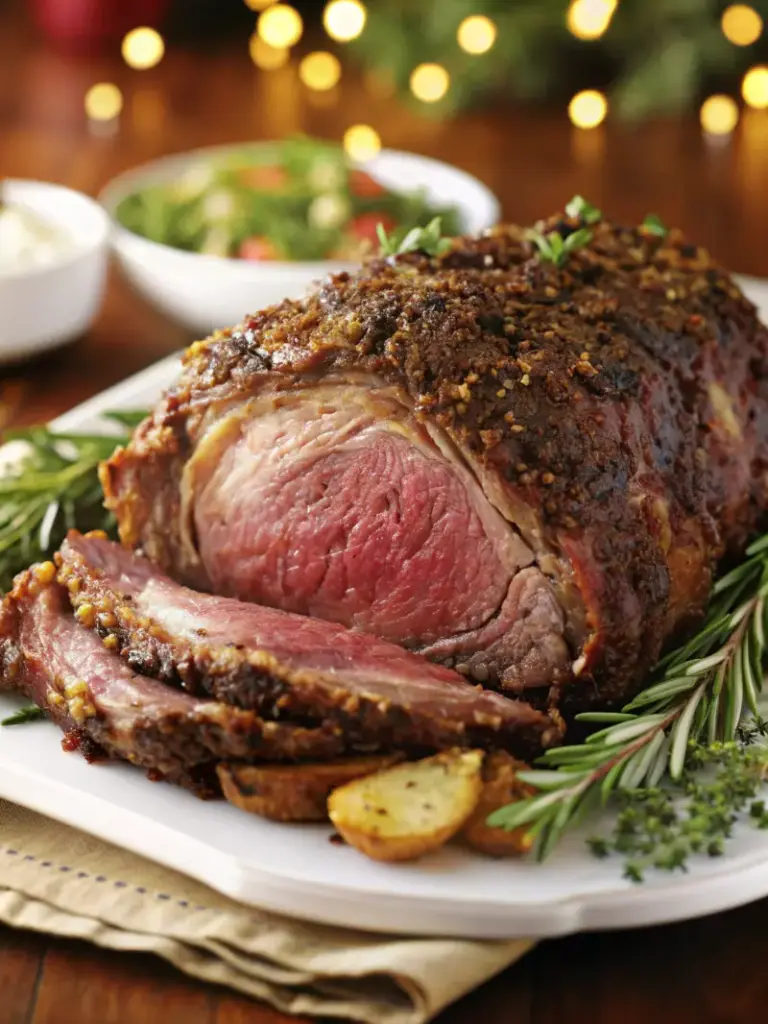
Common Mistakes to Avoid When Cooking Prime Rib Roast Oven
Learning what not to do is as valuable as mastering technique. Here are pitfalls that compromise your prime rib roast oven results:
Mistake #1: Cooking from Cold
Jumping straight from fridge to oven creates temperature gradients that ensure an overcooked exterior and cold center. The room-temperature resting phase is mandatory, not optional. Data shows that properly tempered roasts cook 20-30% more evenly.
Mistake #2: Skipping the Meat Thermometer
Relying on visual cues or guessing cooking time is a recipe for disaster. A quality meat thermometer removes all guesswork and is the difference between success and disappointment. Instant-read thermometers cost $15-30 and are invaluable investments.
Mistake #3: Opening the Oven Door Repeatedly
Each door opening drops oven temperature by 10-15 degrees and requires additional recovery time. Modern ovens have windows—use them. Minimize door openings to two or three times maximum during cooking.
Mistake #4: Overcooking During Carry-Over Cooking
The most common error: pulling your roast at target temperature rather than 5-10 degrees before. This results in a well-done roast when you wanted medium-rare. Set your thermometer alarm 5-10 degrees below target to avoid this frustration.
Mistake #5: Skipping the Resting Phase
Diving straight into carving causes juices to spill onto the cutting board rather than staying in the meat. The 25-30 minute rest isn’t indulgence—it’s essential technique that directly impacts final quality.
Storing Tips for Your Prime Rib Roast Oven Leftovers
Proper Storage Protocol:
Store leftover prime rib in an airtight container in your refrigerator for up to 3 days. Slice meat before storing to accelerate cooling and reduce bacterial growth risk.
Reheating Instructions: Reheat sliced prime rib in a 350°F (175°C) oven for 15-20 minutes on a foil-lined roasting pan. The exterior may brown slightly, but the interior remains beautifully pink when done properly.
Freezing for Later: For long-term storage, wrap individual slices tightly in plastic wrap, then place in freezer bags. Properly frozen prime rib maintains quality for up to 3 months. Thaw overnight in the refrigerator before reheating.
Maximize Pan Drippings: Strain and refrigerate all pan drippings immediately after cooking. The fat rises to the surface for easy removal. Reserve the flavorful broth for gravies, soups, and deglazing—these liquid gold additions elevate countless dishes.
Creative Leftover Uses: Shred leftover prime rib for gourmet sandwiches, dice for salads, or incorporate into beef stroganoff or French dip sandwiches.
Conclusion
Mastering the prime rib roast oven technique transforms you from a home cook into a confident chef capable of restaurant-quality results. By understanding the importance of room-temperature preparation, precise temperature monitoring, proper searing and roasting phases, and the critical resting period, you’ll consistently produce tender, juicy, perfectly cooked prime rib that earns compliments from guests. Remember: a quality meat thermometer and patience are your greatest tools. The investment of 3-4 hours yields an elegant, impressive centerpiece that justifies the premium price of this exceptional cut. Your next holiday dinner or special occasion deserves nothing less than perfectly executed prime rib roast oven mastery.
We’d love to hear about your prime rib experience! Try this recipe and share your results in the comments section below. Did you achieve that perfect medium-rare center? What serving accompaniments did you choose? Subscribe to our blog for more advanced cooking techniques, seasonal recipes, and culinary inspiration delivered straight to your inbox.
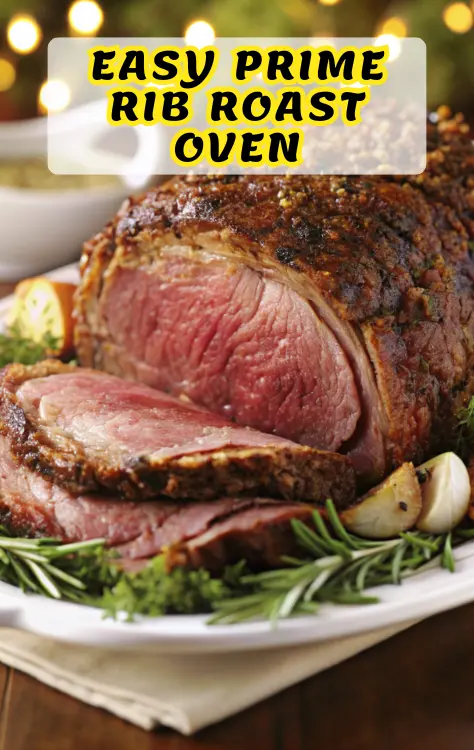
Frequently Asked Questions About Prime Rib Roast Oven Cooking
Q: What size prime rib roast is ideal for a family of six?
A: A 4-5 lb roast (approximately 3-4 ribs) provides ample portions with modest leftovers. Calculate approximately 1 lb per person for generous servings. Larger roasts (6-8 lbs) cook with identical technique and timing per pound.
Q: Can I cook a boneless prime rib using these instructions?
A: Absolutely. Boneless roasts cook slightly faster (2-3 minutes less per pound) due to reduced thermal mass. Place on a roasting rack to allow air circulation underneath. All temperature guidelines remain identical.
Q: What’s the difference between prime rib and ribeye steak?
A: Prime rib is a large roast cut containing several ribeye steaks. The roasting method renders more fat and develops deeper flavors through prolonged cooking and the Maillard reaction, while ribeye steaks are typically grilled or pan-seared quickly.
Q: Should I salt my prime rib in advance?
A: Yes, you can lightly salt 40 minutes to 24 hours before cooking. This allows salt to penetrate the meat enhancing flavor throughout, not just the surface. The search results indicate this dry-brining technique improves results.
Q: Why is my prime rib tough and dry despite perfect temperature?
A: This typically indicates insufficient resting time after cooking. The 25-30 minute rest allows muscle fibers to relax and reabsorb juices. Additionally, ensure you’re not overcooking—pull at 5-10 degrees below target temperature to account for carry-over cooking.
Q: What wine pairs best with prime rib?
A: Full-bodied red wines complement the rich, beefy flavors beautifully. Cabernet Sauvignon, Bordeaux blends, and Malbec are excellent choices. Lighter alternatives include Pinot Noir or quality red blends.
Q: Can I cook prime rib on a grill or smoker?
A: Yes. Set your grill or smoker for indirect cooking at 225°F. Cook 30-35 minutes per pound to medium-rare, then sear at 450°F for 5-10 minutes. Timing extends due to the lower temperature, but technique remains identical.
Q: How do I make horseradish sauce to serve with prime rib?
A: Combine 1 cup sour cream, 3 tbsp prepared horseradish, 1 tbsp Dijon mustard, 1 tsp lemon juice, and salt/pepper to taste. Mix well and refrigerate until serving. This classic accompaniment cuts through the richness beautifully.
Print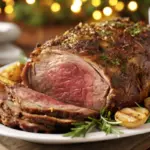
Perfect Prime Rib Roast Oven: Restaurant-Quality Results at Home
- Total Time: 3–4 hours
- Yield: 8 servings 1x
Description
Perfectly tender, juicy prime rib roast cooked in the oven with a beautifully caramelized crust and melt-in-your-mouth texture—ideal for holidays and elegant dinners.
Ingredients
- 1 (4–5 lb) bone-in or boneless prime rib roast
- 2 tbsp olive oil or softened butter
- 1 tbsp kosher salt
- 1 tbsp freshly cracked black pepper
- 2 tsp garlic powder (or 4 fresh garlic cloves, halved)
- 1 tsp onion powder
- 1 tbsp fresh rosemary or thyme (optional)
- 1 onion, sliced (optional)
- Beef broth or red wine (optional, for deglazing and au jus)
Instructions
- Remove the roast from the refrigerator 1–2 hours before cooking to reach room temperature. Pat completely dry with paper towels. Preheat oven to 450°F (230°C).
- Combine salt, pepper, garlic powder, onion powder, and herbs. Rub the roast with olive oil or butter, then coat evenly with the seasoning mixture.
- Place roast on a rack in a roasting pan, fat side up. Add sliced onions underneath if desired.
- Roast at 450°F for 20 minutes to sear and develop a golden crust.
- Reduce oven temperature to 325°F (165°C). Insert a meat thermometer into the thickest part of the roast.
- Continue roasting until internal temperature reaches 120–125°F for rare, 130°F for medium-rare, or 135–140°F for medium. Remove 5–10 degrees before target temperature for carryover cooking.
- Transfer to a cutting board and tent loosely with foil. Rest 25–30 minutes for juices to redistribute.
- Carve along bones (if bone-in) and slice against the grain into ½–1 inch slices. Serve with au jus or horseradish sauce.
Notes
Always let the roast rest before carving to retain juices. Use a meat thermometer for precision. Save pan drippings for au jus or gravy. Remove the roast 5–10°F before desired doneness to prevent overcooking.
- Prep Time: 15–20 minutes
- Cook Time: 90–120 minutes
- Category: Main Course
- Method: Roasted
- Cuisine: American
Nutrition
- Serving Size: 3 oz (medium-rare)
- Calories: 325
- Sugar: 0g
- Sodium: 420mg
- Fat: 26g
- Saturated Fat: 11g
- Carbohydrates: 0g
- Fiber: 0g
- Protein: 25g
- Cholesterol: 75mg
Keywords: prime rib roast oven, holiday roast, beef roast, prime rib recipe, oven roasted prime rib