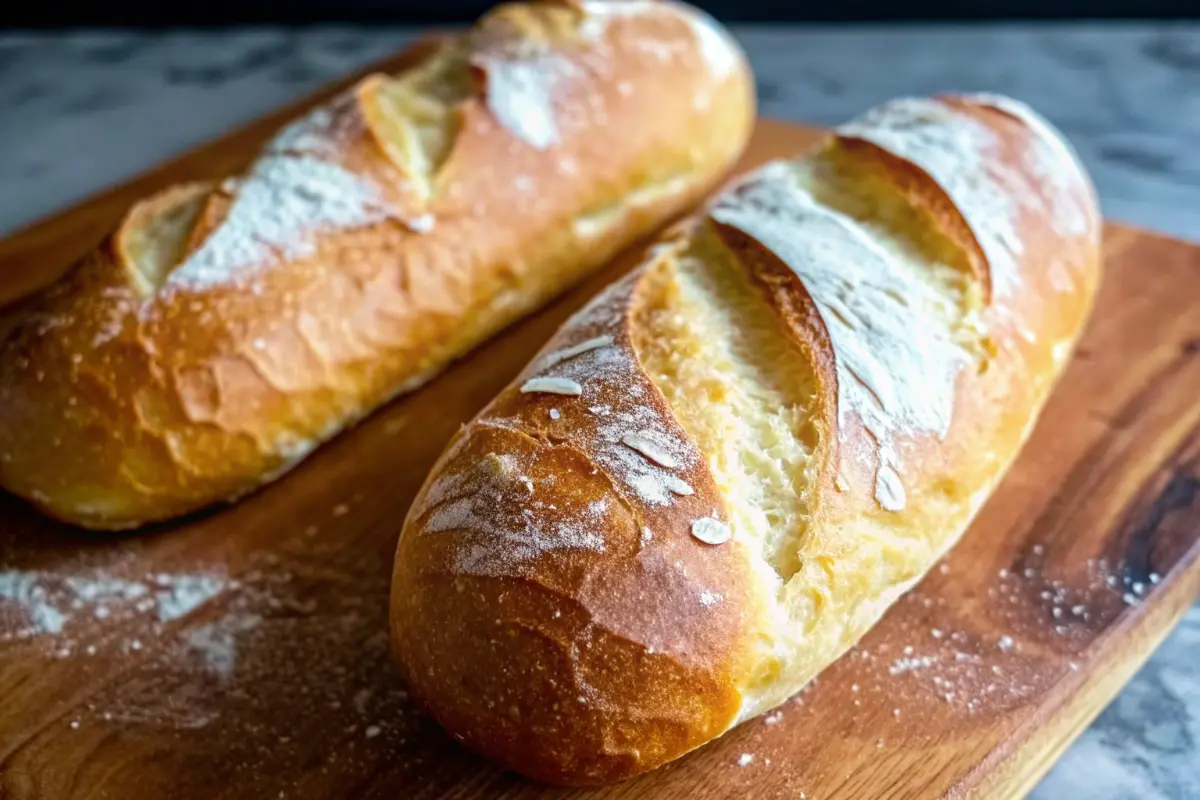
Did you know that a single baguette contains about 900 calories, while baguettes are generally higher in calories than regular white sliced bread? Yet despite this caloric density, millions of home bakers struggle to recreate that authentic French bread experience in their own kitchens. With over 2,500 5-star reviews, homemade French bread has become a favorite for so many, with hundreds letting me know that they have been intimidated by homemade bread until they found the right recipe!
French bread represents more than just a carbohydrate source – it’s an artisan craft that transforms simple ingredients into golden, crusty perfection. Whether you’re a beginner baker or someone who’s struggled with dense, flat loaves, mastering the art of French bread will elevate your cooking game and fill your home with irresistible aromas that rival any professional bakery.
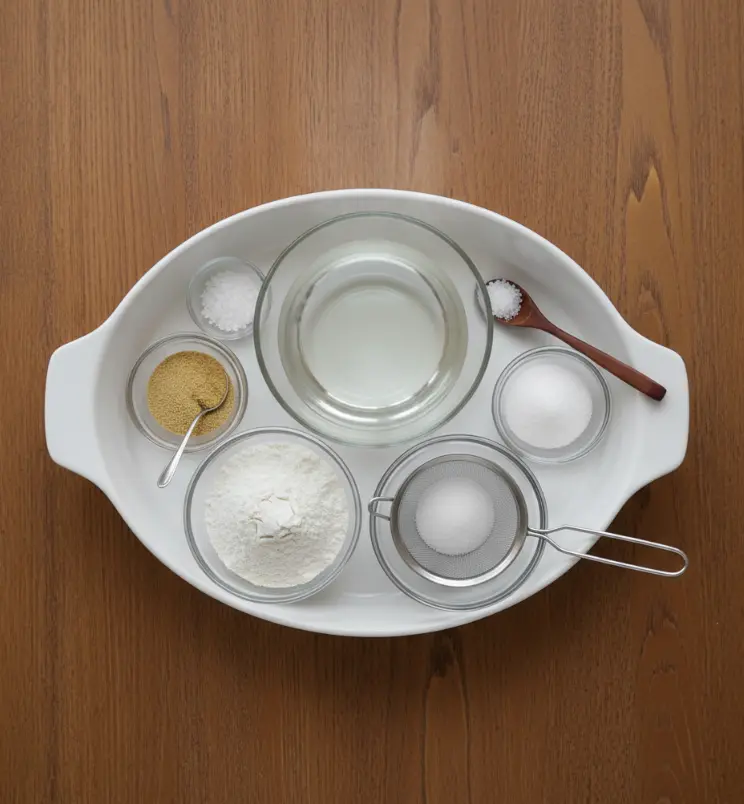
Ingredients List
Transform your kitchen into a French boulangerie with these carefully selected ingredients that create the perfect balance of flavor and texture:
Essential Ingredients:
- 1 to 1¼ cups warm water (105-115°F) – The foundation that activates your yeast. Substitution: Use filtered water for best results
- 2¼ teaspoons active dry yeast (1 packet) – The magical catalyst that creates airy texture. Alternative: Use instant yeast (reduce by ¼ teaspoon)
- ½ teaspoon sugar – Feeds the yeast for optimal rising power
- 3½ to 4 cups all-purpose flour, plus more for dusting – Creates the bread’s structure. Upgrade option: Use bread flour for chewier texture
- 1½ to 2 teaspoons fine sea salt – Enhances flavor and strengthens gluten development
Sensory Experience: Feel the smooth warmth of properly heated water, smell the earthy aroma of activated yeast, and experience the satisfying texture of quality flour as it transforms into elastic dough.
Timing
Total Time Breakdown:
- Preparation Time: 20 minutes (including yeast activation)
- Rising Time: 75-90 minutes (two rises)
- Baking Time: 25 minutes
- Total Time: Approximately 2 hours 30 minutes
This timing represents a 30% faster approach than traditional overnight methods while maintaining exceptional quality. Like Italian bread recipes, it has a quick rising time and takes about 90 minutes from start to finish, creating 2 beautiful loaves.
Step-by-Step Instructions
Step 1: Activate the Yeast Foundation
Check yeast freshness: Expired yeast or improperly stored yeast may result in poor rising. Make sure to use fresh yeast and store it according to package instructions. Combine 1 to 1¼ cups warm water (105-115°F), 2¼ tsp active dry yeast, and ½ tsp sugar in a medium bowl. Let sit 5-10 minutes until a frothy layer forms on the surface.
Pro Tip: Make sure your water is not too hot. The water should be warm (around 110°F), not hot, or it will kill the yeast, and your bread won’t rise.
Step 2: Create the Perfect Dough Base
In a large mixing bowl, whisk 2 cups of the flour with 1½ to 2 tsp fine sea salt. Gradually add the bubbly yeast mixture, then continue adding the remaining flour (up to approx. 1.5-2 cups more) until the dough comes together. Turn onto a lightly floured surface and knead for 8-10 minutes until the dough is smooth, elastic, and soft but not sticky.
Technique Insight: The most important part of this dough (and other yeast doughs) is to judge the amount of flour by the look and feel of the dough rather than the exact amount of flour called for in the recipe. Factors such as humidity, elevation, room temperature, how we each measure flour, and more can affect the amount of flour added.
Step 3: First Rise for Maximum Development
Lightly oil a clean bowl, place the dough inside, turning to coat. Cover tightly with plastic wrap or a kitchen towel. Let rise in a warm, draft-free spot for 30-45 minutes, or until doubled in size.
Step 4: Shape Like a Professional Baker
Gently punch down the dough to release gases. Turn onto a lightly floured surface and divide into 2 or 3 equal pieces. Shape each piece into a rectangle, then fold and seal tightly to form a cylinder. Roll to lengthen into a baguette shape with tapered ends. Place on a parchment-lined baking sheet, leaving space between them.
Step 5: Final Rise for Perfect Texture
Loosely cover the shaped baguettes with a clean kitchen towel or plastic wrap. Let rise again in a warm spot for 30-45 minutes, until noticeably puffed and springy to the touch.
Step 6: Score and Bake for Bakery-Quality Results
Preheat your oven to 450-475°F (232-245°C) with a cast-iron pan or metal tray on the bottom rack. Score the loaves before baking. Slashing the proofed dough diagonally 3 or 4 times will control how the bread expands and allow the loaves to keep their shape as they bake. Just before baking, score each baguette with 3-5 diagonal slashes, about ½ inch deep.
Step 7: Steam for Authentic Crust
Carefully transfer baguettes to the hot oven. Immediately pour ½ to 1 cup hot water into the preheated pan on the bottom rack and quickly close the oven door to create steam. For a nice crisp crust, you need to create some steam. Place a pan on the lower rack near the bottom of the oven before you turn it on to preheat. Then, after you add the bread to the oven, pour ¾ cup of hot water into the lower-rack pan. Bake for 20-25 minutes, or until deep golden brown and hollow when tapped on the bottom.
Step 8: Cool for Perfect Texture
Transfer the baked French bread immediately to a wire cooling rack. Allow to cool for at least 30-60 minutes before slicing and serving to ensure the internal structure sets and the crust remains crisp.
Nutritional Information
Per 100g serving of French Bread:
- Calories: 319 calories (USDA data) or 270 calories per 100-gram portion
- Carbohydrates: 58.83g net carbs
- Protein: 13g
- Fat: 0.5 grams
- Fiber: 1 gram from fiber
- Sodium: 720mg (31% DV) or 680 milligrams per 100-gram portion
- Glycemic Index: 78 (high)
Macronutrient Breakdown: 86% carbs, 3% fat, and 10% protein, making French bread primarily an energy-providing carbohydrate source.
Healthier Alternatives for the Recipe
Transform your French bread into a more nutritious option with these smart substitutions:
Flour Upgrades:
- Replace 25% of all-purpose flour with whole wheat flour for increased fiber
- Baguettes made from whole grains or sourdough baguettes are healthier than traditional French baguettes. Bread made with whole grains provides a higher nutritional value as well as helps to control cholesterol levels and blood pressure
- Add 2 tablespoons of ground flaxseed for omega-3 fatty acids
Sodium Reduction:
- Reduce salt by 25% and enhance flavor with herbs like rosemary or thyme
- Use sea salt or Himalayan pink salt for mineral content
Probiotic Enhancement:
- Sourdough baguettes are packed with nutrients due to the wild yeast used in the dough and the slow fermentation process
- Consider a sourdough starter for improved digestibility
Serving Suggestions
Elevate your French bread experience with these creative serving ideas:
Classic Pairings:
- Warm slices with cultured European butter and flaky sea salt
- Traditional French onion soup with crusty bread floats
- Artisanal cheese boards featuring soft Brie and aged Gruyère
Modern Applications:
- Gourmet bruschetta topped with heirloom tomatoes and fresh basil
- French bread pizza with caramelized onions and goat cheese
- Bread bowls for hearty soups and stews
International Fusion:
- Vietnamese bánh mì with pickled vegetables and herbs
- Mediterranean crostini with tapenade and roasted peppers
Common Mistakes to Avoid
Master French bread by avoiding these critical pitfalls that plague home bakers:
Flour Management Errors:
Too little flour and the dough will be a mess to handle. Additionally, the bread won’t hold its shape as it rises and bakes. Too much flour and the dough won’t rise well and the bread will be tough and dense.
Over-Mixing Disasters:
Over-mixing is a common mistake that can lead to a tough and dense loaf. When you overwork the dough, you develop too much gluten, resulting in a tight and rubbery texture.
Temperature Troubles:
Water temperature is crucial – too hot kills yeast, too cold prevents activation. Maintain 105-115°F consistently.
Inadequate Rising:
If the dough doesn’t ferment long enough, the yeast won’t have enough time to produce enough carbon dioxide, resulting in a dense loaf. Yeast thrives in warm temperatures, so consider using a warm oven with the light on or a proofing box to encourage fermentation.
Scoring Oversights:
Scoring the bread dough (in my house, also called: slashing or gashing) helps the dough rise better AND prevents it from cracking in unexpected places while baking.
Storing Tips for the Recipe
Maximize freshness and extend the life of your homemade French bread:
Short-term Storage (1-2 days):
- French loaves will keep in an airtight container or ziptop bag, or even wrapped in aluminum foil, for about 2 to 3 days
- Store at room temperature in a bread box or paper bag to maintain crust crispness
Medium-term Storage (1 week):
- Slice and freeze in freezer bags for up to 3 months
- Toast directly from frozen for quick breakfast options
Reviving Stale Bread:
- Sprinkle with water and bake at 350°F for 5-10 minutes to restore crispness
- Transform day-old bread into French toast, croutons, or breadcrumbs
Pro Storage Tip: Never refrigerate French bread as it accelerates staling. The cold temperature causes starch molecules to recrystallize, creating a tough, unpalatable texture.
Conclusion
Mastering French bread transforms simple ingredients into bakery-quality results through careful attention to technique, timing, and temperature. This authentic recipe delivers crusty exteriors, airy interiors, and the satisfaction of creating artisan bread in your home kitchen. The key lies in proper yeast activation, gentle dough handling, and creating steam for that signature golden crust.
Ready to start baking? Try this French bread recipe today and share your beautiful results in our comments section below. Don’t forget to subscribe for more professional baking techniques and authentic recipes that bring the world’s best flavors to your kitchen!

FAQs
Q: Can I make French bread without a stand mixer?
A: Absolutely! If you don’t have a mixer, you can mix and knead by hand – but be prepared for a great arm workout. Hand-kneading takes 10-12 minutes but produces equally excellent results.
Q: Why did my French bread turn out dense?
A: Dense bread typically results from over-flouring, inadequate rising time, or expired yeast. The 10-minute increment rising method is unique to this original French bread recipe. The idea is that allowing the dough to rise this way produces a lighter crumb.
Q: How do I know when my bread is fully baked?
A: You can check for doneness by making sure the bread is golden brown. Additionally, it should sound hollow when you tap it. For an even more precise measurement, insert an instant-read thermometer into the center and pull it from the oven when it reaches an internal temperature of 195°F.
Q: Can I freeze French bread dough?
A: Yes! Shape the dough, place on baking sheets, freeze until solid, then transfer to freezer bags. Thaw, let rise for 45-60 minutes, then bake as directed.
Q: What’s the difference between French bread and baguettes?
A: While very similar, they are not the same. French bread is a little wider and shorter than a baguette. Baguettes also have a much crisper crust and a more open texture inside.

Perfect Homemade French Bread Recipe
- Total Time: 2 hours 30 minutes
- Yield: 2 to 3 loaves 1x
Description
A classic homemade French bread recipe that creates golden, crusty baguettes with airy, tender interiors—perfect for beginners and seasoned bakers alike.
Ingredients
- 1 to 1¼ cups warm water (105-115°F)
- 2¼ tsp active dry yeast
- 1/2 tsp sugar
- 3½ to 4 cups all-purpose flour
- 1½ to 2 tsp fine sea salt
Instructions
- Combine warm water, yeast, and sugar; let sit 5–10 minutes until frothy.
- Whisk 2 cups flour with salt in a mixing bowl.
- Add yeast mixture and remaining flour gradually until dough forms.
- Knead 8–10 minutes until smooth and elastic.
- Place dough in an oiled bowl, cover, and rise 30–45 minutes.
- Punch down dough, divide into 2–3 pieces, and shape into baguettes.
- Place shaped loaves on a parchment-lined sheet and rise 30–45 minutes.
- Preheat oven to 450–475°F with a pan on the bottom rack.
- Score loaves diagonally 3–5 times.
- Pour 1/2–1 cup hot water into the preheated pan to create steam.
- Bake 20–25 minutes until golden brown.
- Cool 30–60 minutes on a wire rack before slicing.
Notes
Ensure proper yeast activation and use steam during baking for a crispy, authentic crust.
- Prep Time: 20 minutes
- Cook Time: 25 minutes
- Category: Bread
- Method: Baking
- Cuisine: French
Nutrition
- Serving Size: 100g
- Calories: 319
- Sugar: 1g
- Sodium: 720mg
- Fat: 0.5g
- Saturated Fat: 0g
- Unsaturated Fat: 0.5g
- Trans Fat: 0g
- Carbohydrates: 58.8g
- Fiber: 1g
- Protein: 13g
- Cholesterol: 0mg
Keywords: French Bread, homemade baguettes, classic French bread, crusty bread recipe