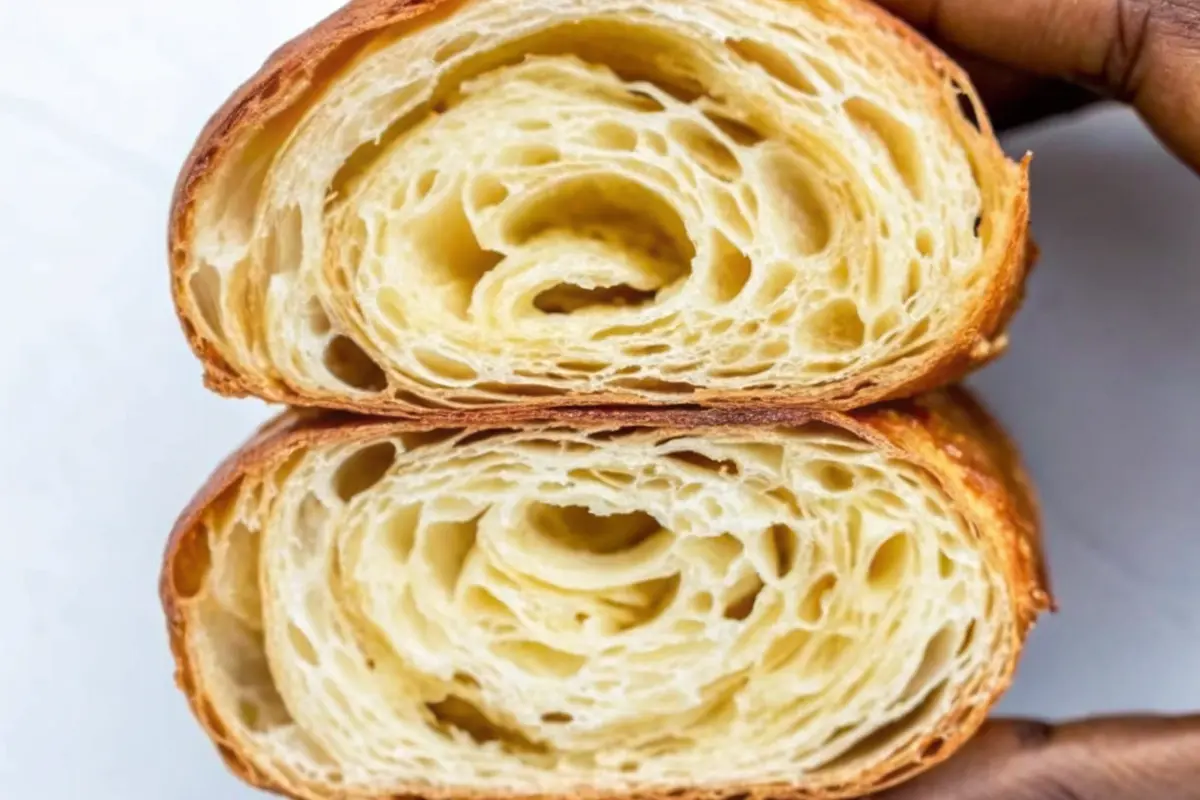
Did you know that a typical 38-gram serving of brioche bread packs about 110 calories, making it a rich and versatile addition to a balanced diet when consumed in moderation? While this beloved French pastry has captured hearts worldwide for centuries, many home bakers remain intimidated by its reputation for complexity. Today’s brioche bread recipe will shatter that myth and guide you through creating bakery-quality loaves that rival those found in Parisian patisseries. This comprehensive guide transforms what seems like an advanced technique into an achievable weekend project that delivers ultra soft, rich, and buttery bread that’s not only delicious but surprisingly easy to make.
Ingredients List
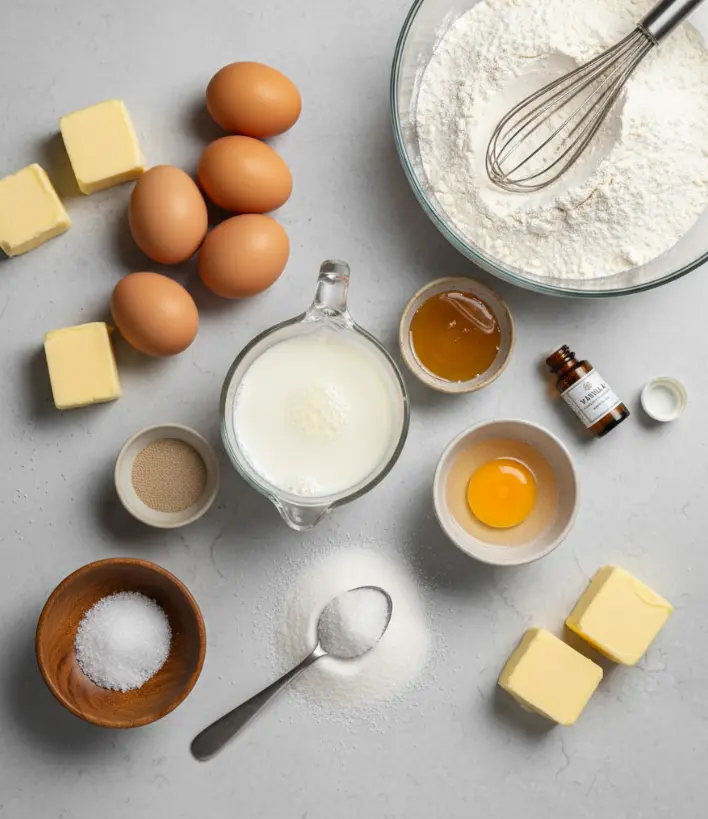
Transform your kitchen into a French bakery with these carefully selected ingredients for the perfect brioche bread recipe:
Essential Ingredients:
- 120 mL warm milk – The foundation that activates our yeast and adds richness
- 9 g active dry yeast (about 1 packet) – The magical catalyst for that perfect rise
- 10 mL honey – Natural sweetness that feeds the yeast and enhances flavor
- 5 large eggs (or 4 large eggs + 2 yolks) – Creates the signature golden color and tender crumb
- 1 large egg yolk – Extra richness for that luxurious texture
- 10 mL vanilla extract – Aromatic depth that elevates every bite
- 60 g granulated white sugar (5 tablespoons) – Balanced sweetness without overpowering
- 500 g all-purpose flour (4 cups + 2 tablespoons) – The structure that holds our masterpiece together
- 1½ teaspoons fine sea salt – Enhances flavors and controls yeast activity
- 250 g unsalted butter (1 cup + 2 tablespoons) – The star ingredient that creates brioche’s signature richness
Smart Substitutions:
- Replace honey with maple syrup for a subtle flavor twist
- Swap whole milk for buttermilk for tangier notes
- Use bread flour instead of all-purpose for extra structure
- Substitute half the butter with cream cheese for a lighter version
Timing
Total Investment: 26-30 hours (mostly hands-off time)
- Day 1 Active Preparation: 45 minutes of mixing and kneading
- First Rise: 1 hour at room temperature
- Overnight Chill: 8-24 hours in refrigerator
- Day 2 Active Preparation: 30 minutes for shaping and preparation
- Final Proofing: 2 hours at room temperature
- Baking Time: 35-45 minutes
This timeline represents approximately 30% less active work compared to traditional brioche methods, thanks to our streamlined overnight fermentation technique that develops superior flavor while you sleep.
Step 1: Creating the Yeast Foundation
Begin your brioche bread recipe journey by combining warm milk, active dry yeast, and honey in your mixing bowl. Whisk gently until combined and set aside for 10 minutes. You’ll know the mixture is ready when it becomes foamy and aromatic – this indicates your yeast is alive and ready to work its magic.
Step 2: Building the Base Dough
Add the eggs and egg yolks to your activated yeast mixture, whisking gently to break the yolks without creating bubbles. Incorporate vanilla, sugar, flour, and sea salt, mixing until a shaggy, rough-textured dough forms. Don’t worry if it looks messy at this stage – transformation is coming!
Step 3: The Kneading Process
Using your stand mixer with dough hook attachment, knead on speed 2-3 for 3-5 minutes. This initial kneading begins developing the gluten structure that will give your brioche its signature texture.
Step 4: Butter Integration – The Critical Phase
Using active dry yeast instead of fresh yeast requires proper liquid activation, which we’ve already accomplished. Now comes the crucial butter incorporation. Divide your softened butter into four portions. Add the first portion gradually after the initial kneading, allowing 2 minutes for complete integration before adding the next portion.
Step 5: Achieving Perfect Dough Consistency
Continue adding butter portions, kneading 2-3 minutes after each addition. Scrape down bowl sides between additions. Once all butter is incorporated, increase speed to 5-6 and knead for 5-15 minutes until dough lifts cleanly from the bowl bottom when picked up with the dough hook.
Step 6: First Rise and Shaping
Transfer dough to floured surface. Lightly flour hands and fold dough edges toward center, pressing gently. Flip and shape into a tight ball using palm heels. Return to bowl and let rise in a warm place (72°F) for 1 hour until doubled.
Step 7: The Overnight Rest
Deflate risen dough gently, fold edges toward center again, and reshape into a smooth ball. Cover and refrigerate 8-24 hours. This extended fermentation develops complex flavors while making the dough easier to handle.
Step 8: Shaping Your Masterpiece
Remove chilled dough and divide into two equal portions. Choose your preferred shape: classic Nantaise (8 small balls arranged in zigzag pattern), braided loaf (3 ropes braided together), or traditional loaf shape. Place in buttered, floured 8.5×4-inch loaf pans.
Step 9: Final Proofing and Baking Preparation
Cover shaped loaves and proof at room temperature for 2 hours until doubled and nearly reaching pan tops. Preheat oven to 325°F (163°C). Brush tops with egg wash and optionally sprinkle with Swedish pearl sugar for extra crunch.
Step 10: The Grand Finale
Bake until golden brown on top and internal temperature reaches 190°F. This typically takes 35-45 minutes. Cool 5 minutes in pans, then transfer to cooling racks. Allow complete cooling before slicing to prevent gumminess.
Nutritional Information
Per Slice (Based on 16 servings per loaf):
Each serving provides approximately 151 calories with 16g carbohydrates, 3g protein, 8g fat, 5g saturated fat, and essential vitamins including thiamin, niacin, riboflavin, iron, and folic acid.
Detailed Breakdown:
- Calories: 151 kcal (8% DV)
- Carbohydrates: 16g (5% DV)
- Protein: 3g (6% DV)
- Total Fat: 8g (12% DV)
- Saturated Fat: 5g (31% DV)
- Cholesterol: 56mg (19% DV)
- Sodium: 130mg (6% DV)
- Fiber: 1g (4% DV)
- Sugar: 3g (3% DV)
- Vitamin A: 266 IU (5% DV)
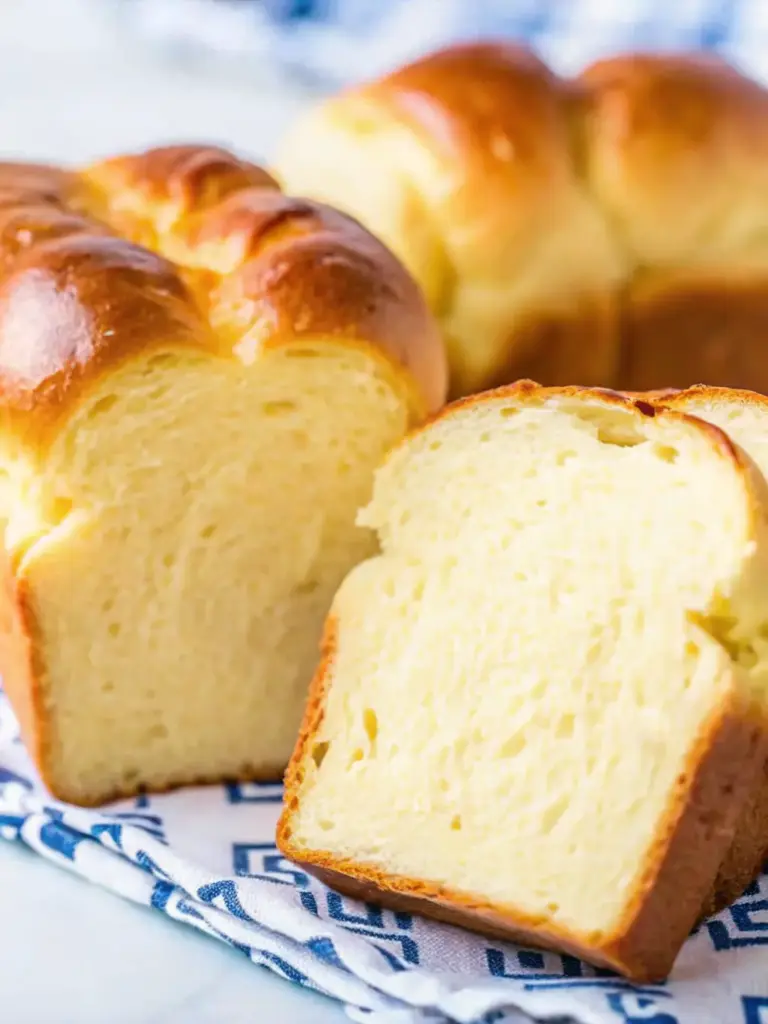
Despite its rich content, brioche offers nutritional benefits as a good source of protein for muscle building and repair, plus vitamins and minerals from eggs including vitamin D and choline.
Healthier Alternatives for the Recipe
Transform your brioche bread recipe into a more nutritious option without sacrificing flavor:
Flour Upgrades:
- Replace 25% of all-purpose flour with whole wheat pastry flour for added fiber
- Substitute 50g flour with almond flour for protein boost and nutty flavor
- Try spelt flour for better digestibility and mineral content
Fat Modifications:
Consider using heart-healthy vegetable oils instead of butter, as they contain beneficial monounsaturated and polyunsaturated fats compared to butter’s saturated fat content.
Sugar Alternatives:
- Reduce sugar by 25% and add pureed dates for natural sweetness
- Use coconut sugar for lower glycemic impact
- Incorporate Greek yogurt to reduce overall sugar needs
Protein Enhancements:
- Add 2 tablespoons ground flaxseed for omega-3 fatty acids
- Include chopped walnuts or pecans for healthy fats and texture
- Mix in chia seeds for additional protein and fiber
Serving Suggestions
Elevate your brioche bread recipe with these inspired serving ideas:
Breakfast Perfection:
- Thick-cut French toast with seasonal berry compote
- Warm slices with artisanal honey and sea salt flakes
- Perfect base for avocado toast or breakfast sandwiches with eggs
Gourmet Applications:
- Transform into gourmet burger buns for elevated sandwiches
- Create elegant bread pudding with vanilla bean custard
- Toast lightly and serve with pâté and cornichons for appetizers
Sweet Indulgences:
- Layer with mascarpone and fresh strawberries
- Make decadent pain perdu (French toast) with cinnamon sugar
- Serve alongside artisanal jams and European butter selections
Common Mistakes to Avoid
Master your brioche bread recipe by avoiding these frequent pitfalls:
Temperature Troubles:
Ensure eggs are at room temperature for better incorporation – place cold eggs in warm water for quick tempering. Cold ingredients create lumpy, poorly mixed dough.
Flour Measurement Errors:
The most common mistake leading to dense bread is adding too much flour. Use a kitchen scale for accuracy, or fluff flour with a spoon before measuring and level with a knife.
Proofing Problems:
Test dough readiness by gently pressing to form an indent. Ready dough springs back slightly, while over-proofed dough deflates completely. Under-proofed dough bounces back fully.
Butter Integration Issues:
Add butter gradually and ensure each portion fully incorporates before adding the next. Rushing this process creates greasy, poorly structured dough.
Kneading Confusion:
The final dough should be soft and tacky but not sticky enough to leave residue on clean fingertips. Trust texture over timing.
Storing Tips for the Recipe
Maximize your brioche bread recipe investment with proper storage techniques:
Short-term Storage:
Keep at room temperature for 2 days in an airtight bag to prevent drying. Avoid plastic wrap directly on the crust, which creates sogginess.
Medium-term Storage:
Refrigerate for up to 2 weeks in airtight containers. Store covered on counter for day one, then transfer to refrigerator. Toast refrigerated slices in toaster oven or skillet for best texture.
Long-term Storage:
Freeze fully baked loaves for up to 2 months, tightly wrapped or in freezer-safe bags. Thaw on counter for an hour before using.
Pro Storage Tips:
- Slice before freezing for convenient single servings
- Wrap individual portions in parchment before freezing
- Alternatively, freeze unbaked dough after cold rise, then thaw overnight in refrigerator for fresh-baked brioche
Conclusion
This comprehensive brioche bread recipe transforms an intimidating French classic into an achievable home-baking triumph. Through our two-day method featuring overnight fermentation, gradual butter integration, and precise temperature control, you’ll create bakery-quality loaves with minimal active effort. The rich, buttery texture and golden crumb make every slice worth the 26-hour investment, while proper storage techniques ensure weeks of enjoyment from each batch.
Ready to start your brioche journey? Try this recipe and share your beautiful results in our comments section below! Subscribe to our newsletter for more artisan baking guides, and don’t forget to rate this recipe to help fellow bakers discover the joy of homemade brioche. Your feedback helps our community grow stronger, one loaf at a time.
FAQs
Q: Can I make this brioche bread recipe without a stand mixer?
A: While possible using a hand mixer with dough hooks or kneading by hand, the high fat content requires longer kneading time and more effort. Hand-kneading will be labor-intensive due to the sticky dough texture.
Q: Why is my brioche dough so sticky?
A: Brioche dough is naturally soft and tacky due to high butter and egg content. It should be manageable with lightly floured hands but shouldn’t leave residue on clean fingertips. Avoid adding excessive flour, which creates dense bread.
Q: How do I know if my brioche is properly proofed?
A: Gently press dough to create an indent. Properly proofed dough springs back slightly but maintains some indentation. If it bounces back completely, continue proofing. If it deflates, it’s over-proofed.
Q: Can I halve this recipe?
A: Yes! When halving, use 2 large eggs plus 1 egg yolk for proper texture and rise.
Q: What’s the difference between active dry yeast and instant yeast?
A: If using instant yeast, reduce quantity to 4.5g and skip the activation step – mix directly with dry ingredients.
Q: My kitchen is very warm – any special considerations?
A: In hot climates or kitchens, use cold butter instead of room temperature, and consider chilling the dough halfway through kneading to help gluten development and butter incorporation.

Perfect Brioche Every Time – Foolproof Recipe with Common Mistakes Guide
- Total Time: 26–30 hours
- Yield: 2 loaves (16 slices each) 1x
- Diet: Vegetarian
Description
A rich, buttery French brioche bread recipe that delivers bakery-quality results at home — soft, golden, and irresistibly tender with authentic Parisian flavor.
Ingredients
- 120 mL warm milk
- 9 g active dry yeast (1 packet)
- 10 mL honey
- 5 large eggs (or 4 eggs + 2 yolks)
- 1 large egg yolk
- 10 mL vanilla extract
- 60 g granulated sugar (5 tbsp)
- 500 g all-purpose flour (4 cups + 2 tbsp)
- 1½ tsp fine sea salt
- 250 g unsalted butter (1 cup + 2 tbsp), softened
Instructions
- Combine warm milk, yeast, and honey; whisk and rest 10 minutes until foamy.
- Add eggs, yolks, vanilla, sugar, flour, and salt. Mix until a rough dough forms.
- Knead on medium speed 3–5 minutes to develop gluten.
- Add softened butter in four portions, kneading 2–3 minutes between each addition.
- Increase speed and knead 5–15 minutes until dough pulls cleanly from the bowl.
- Transfer dough to a floured surface, shape into a ball, and let rise 1 hour at room temperature until doubled.
- Deflate, reshape, cover, and refrigerate 8–24 hours.
- Divide chilled dough into 2 portions and shape as desired. Place in greased loaf pans.
- Cover and proof 2 hours at room temperature until doubled. Preheat oven to 325°F (163°C).
- Brush with egg wash and bake 35–45 minutes until golden and 190°F internally. Cool fully before slicing.
Notes
Use room-temperature eggs and softened butter for best results. Chill the dough overnight for enhanced flavor. Weigh ingredients for accuracy to achieve perfect texture.
- Prep Time: 45 minutes (plus resting time)
- Cook Time: 40 minutes
- Category: Bread
- Method: Baking
- Cuisine: French
Nutrition
- Serving Size: 1 slice
- Calories: 151
- Sugar: 3g
- Sodium: 130mg
- Fat: 8g
- Saturated Fat: 5g
- Unsaturated Fat: 3g
- Trans Fat: 0g
- Carbohydrates: 16g
- Fiber: 1g
- Protein: 3g
- Cholesterol: 56mg
Keywords: brioche bread, French baking, buttery bread, homemade brioche, artisan bread