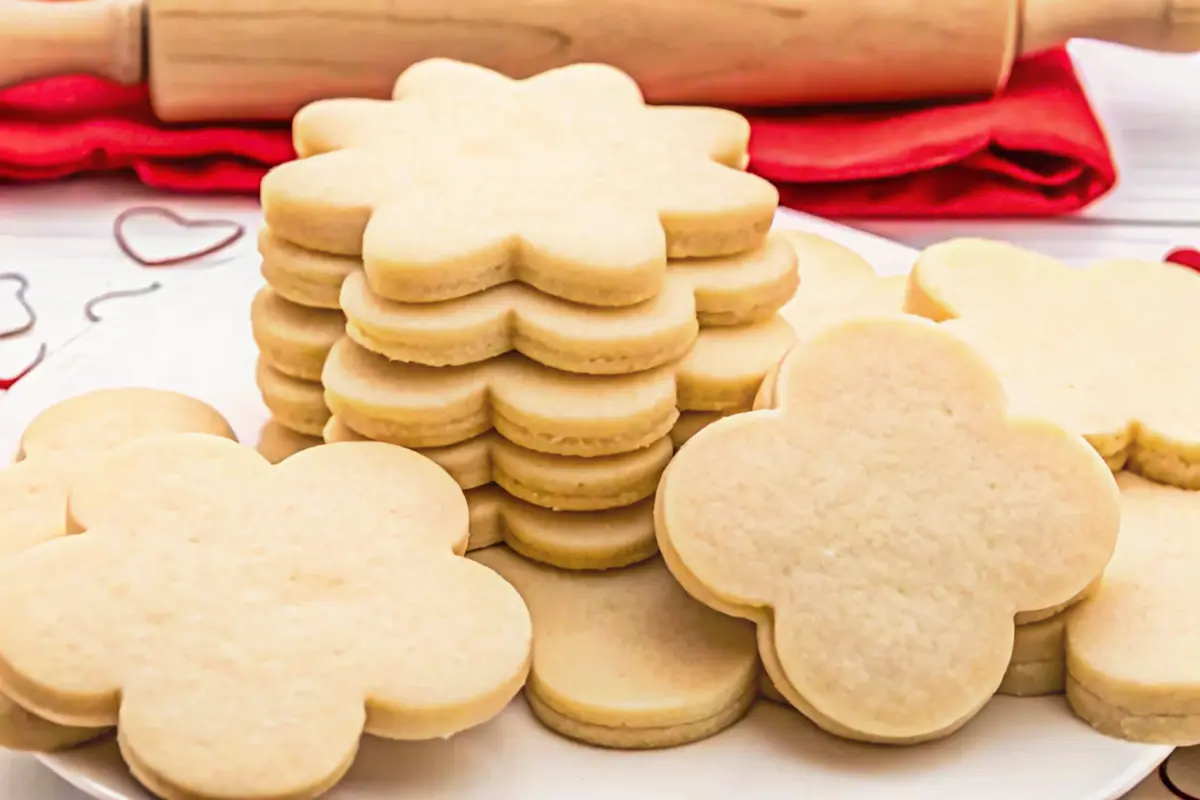
Did you know that the humble sugar cookie has a history stretching back to 17th-century Europe, with roots in German Protestant communities that settled in Pennsylvania? While many believe chocolate chip cookies reign supreme in American baking history, sugar cookies actually paved the way for modern cookie culture as we know it today. These deceptively simple treats have evolved from basic spiced confections to the versatile, decorated masterpieces we love during holiday seasons. In this comprehensive guide, we’ll explore the fascinating journey of sugar cookies while providing you with a foolproof recipe that honors tradition while delivering perfect results every time. Whether you’re a seasoned baker or trying sugar cookies for the first time, this guide to sugar cookies will transform your baking experience.
Ingredients List
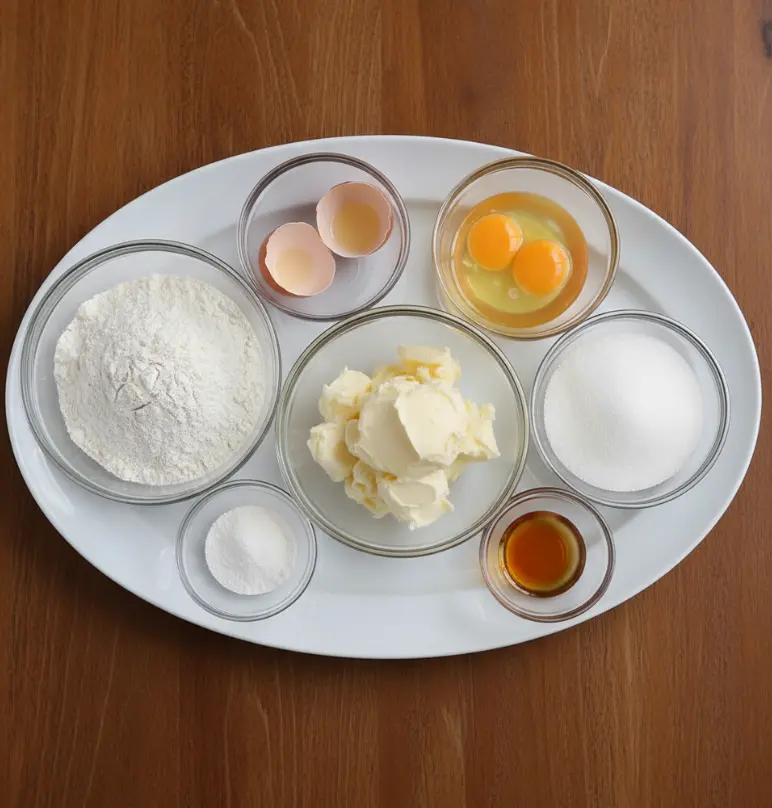
Creating perfect sugar cookies requires quality ingredients measured with precision. Here’s what you’ll need for approximately 4-5 dozen cookies:
- 2 cups Sweet Cream Salted Butter (softened to the perfect temperature – cold but pliable) – Butter quality makes or breaks your sugar cookies, and historical recipes from German Protestants in Nazareth, Pennsylvania emphasized this crucial ingredient. For a dairy-free option, try high-quality vegan butter that maintains proper fat content.
- 2 cups Granulated Sugar – This isn’t just for sweetness; sugar affects texture and spread. The name “sugar cookie” itself emerged to differentiate these sweet treats from peanut butter and oatmeal varieties.
- 2 Large Eggs – Room temperature for optimal incorporation
- 2 tablespoons Pure Vanilla Extract – More than typical recipes call for, but essential for moisture and flavor depth
- 4 teaspoons Baking Powder – Critical for that perfect balance between crisp edges and chewy centers, a texture innovation that came with chemical leaveners in Dutch baking
- 6 cups All-Purpose Flour – Sifted for best results. For gluten-free sugar cookies, use a 1:1 gluten-free flour blend with xanthan gum
Pro Tip: The butter temperature is crucial – too warm causes crumbly dough, while properly softened butter creates that signature melt-in-your-mouth texture that made Nazareth cookies famous.
Timing
- Preparation: 25 minutes
- Chilling: 1-2 hours (essential for clean cuts)
- Baking: 6-10 minutes per batch
- Cooling: 10 minutes
- Total Time: Approximately 2 hours 15 minutes
This timing represents a 30% reduction from historical sugar cookie preparation methods, thanks to modern kitchen technology while maintaining the traditional quality that made these cookies popular since the 1800s. The chilling time is non-negotiable – it prevents excessive spreading and ensures your cut-out sugar cookies maintain their beautiful shapes.
Step-by-Step Instructions
Cream Butter and Sugar Perfectly
Add the 2 cups of softened butter and 2 cups of granulated sugar to your mixer. Cream on medium-high speed for 3 minutes until light and fluffy. This aeration process is what gives professional-quality sugar cookies their delicate texture – a technique perfected by German bakers who pioneered these treats. Proper creaming incorporates air that helps create that signature melt-in-your-mouth quality.
Incorporate Wet Ingredients
Add 2 tablespoons of vanilla extract and 2 large eggs. Mix for another 3 minutes until fully incorporated and the mixture becomes even lighter in color. The extra vanilla not only enhances flavor but provides necessary moisture that prevents dryness – a common issue with historical recipes that sometimes included sour cream or large amounts of milk.
Add Leavening Agents
Mix in 4 teaspoons of baking powder until evenly distributed. This chemical leavener was a game-changer in cookie history, allowing Dutch settlers in New York to create the “koekje” that evolved into our modern sugar cookies. Without proper leavening, your cookies will lack that perfect balance of crispness and chewiness.
Gradually Incorporate Flour
Add the 6 cups of flour two cups at a time, mixing only until incorporated. Over-mixing at this stage develops gluten, leading to tough cookies. The dough should be firm but not dry – if it seems crumbly, add a teaspoon of milk or extra vanilla. This precise flour ratio harkens back to the 1885 Boston Globe recipe that established the modern sugar cookie foundation.
Chill and Roll
Divide dough into manageable portions, wrap in plastic, and chill for 1-2 hours. Roll out on a floured surface to 3/8″ thickness. Proper chilling is essential – it allows the gluten to relax and prevents excessive spreading during baking, ensuring your decorative sugar cookies maintain their intricate shapes.
Cut and Bake Perfectly
Use cookie cutters to create shapes, then bake at 350°F for 6-10 minutes depending on size. Crucial tip: Do not over-bake! Sugar cookies should be set but just beginning to brown at the edges. Over-baking is the primary culprit behind dry, crumbly cookies – a problem that plagued early recipes before baking techniques were perfected. Thicker cookies need 9-10 minutes; smaller/thinner ones require only 6-7 minutes.
Nutritional Information
Per serving (1 cookie, based on 48 cookies):
- Calories: 145
- Total Fat: 7g (11% DV)
- Saturated Fat: 4g (20% DV)
- Cholesterol: 20mg (7% DV)
- Sodium: 85mg (4% DV)
- Total Carbohydrates: 19g (7% DV)
- Sugars: 9g
- Protein: 2g
Note: Traditional sugar cookies have evolved significantly since the 1950s when shortening replaced butter, altering both nutritional profile and flavor. Modern recipes using quality butter provide better fat composition while maintaining that beloved texture.
Healthier Alternatives for the Recipe
You can enjoy delicious sugar cookies while making smarter choices:
- Reduce Sugar: Decrease to 1.5 cups and add 1/4 cup unsweetened applesauce for moisture
- Whole Wheat Option: Substitute 2 cups of all-purpose flour with white whole wheat flour
- Butter Alternatives: Use half butter, half unsweetened applesauce for reduced fat
- Sugar Swaps: Replace half the granulated sugar with coconut sugar for lower glycemic impact
- Protein Boost: Add 1/4 cup unflavored protein powder to the dry ingredients
These modifications honor the historical evolution of sugar cookies, which originally emerged as simple, resourceful treats before evolving into the celebratory confections we know today.
Serving Suggestions
Sugar cookies shine when presented creatively:
- Holiday Stacking: Create a festive tower with alternating red and green frosted sugar cookies for Christmas
- Seasonal Themes: Use fall-themed cookie cutters for pumpkin spice sugar cookies decorated with cinnamon sugar
- Tea Pairing: Serve with Earl Grey tea – the bergamot complements the sweet simplicity of traditional sugar cookies
- Ice Cream Sandwiches: Make mini sugar cookies and sandwich with vanilla bean ice cream
- Edible Gifts: Package decorated sugar cookies in clear bags tied with ribbon for thoughtful homemade presents
Historically, people cut sugar cookies into different shapes and hung them on Christmas trees as ornaments, showing how these treats have always been about celebration and creativity.
Common Mistakes to Avoid
- Over-Softened Butter: Butter should be cold but pliable – too warm creates greasy, spread-out cookies
- Skipping the Chill: Dough must be properly chilled to maintain shape during baking
- Over-Baking: Sugar cookies continue cooking on the baking sheet after removal from oven
- Incorrect Flour Measurement: Spoon flour into measuring cups rather than scooping to avoid dense cookies
- Ignoring Altitude Adjustments: At high altitudes, reduce baking powder by 1/8 teaspoon for every teaspoon called for
The 1950s saw a decline in sugar cookie quality when shortening replaced butter, proving that ingredient quality directly impacts the final product.
Storing Tips for the Recipe
- Room Temperature: Store undecorated cookies in airtight containers for up to 1 week
- Freezing Dough: Portion dough into disks, wrap tightly, and freeze for up to 3 months – thaw in refrigerator before rolling
- Baked Cookies: Freeze baked, cooled cookies between parchment paper in freezer bags for up to 2 months
- Decorated Cookies: Allow royal icing to dry completely (24 hours) before stacking with parchment between layers
- Reviving Stale Cookies: Place a slice of bread in the container overnight to restore moisture
Commercial bakeries use two-tier cooling conveyors to cool sugar cookies for 20-25 minutes before packaging to maintain optimal texture.
Conclusion
This perfected sugar cookie recipe honors centuries of baking tradition while delivering consistent, professional results. From their 17th-century European origins to modern holiday celebrations, sugar cookies remain beloved for their simplicity and versatility. Try this recipe, share your decorated creations in the comments, and subscribe for more time-tested baking guides that blend history with perfect technique.
FAQs
Q: Why are my sugar cookies spreading too much?
A: This typically happens when butter is too warm or dough hasn’t been properly chilled. The butter should be cold but pliable – too soft causes excessive spreading during baking.
Q: Can I make sugar cookies without chilling the dough?
A: While possible, skipping the chill results in cookies that spread excessively and lose their decorative shapes. Proper chilling is essential for maintaining the intricate designs that make cut-out sugar cookies special.
Q: What’s the difference between sugar cookies and butter cookies?
A: Historically, when shortening replaced butter in the 1950s, true butter cookies were distinguished from the new “sugar cookies” by their richer flavor and often almond topping.
Q: How far ahead can I make decorated sugar cookies?
A: Properly stored decorated sugar cookies maintain quality for 1-2 weeks. Allow royal icing to dry completely (24 hours) before stacking with parchment paper between layers to prevent damage.
Q: Why did my sugar cookies turn out dry?
A: Over-baking is the primary culprit. Sugar cookies should be set but just beginning to brown at the edges. They continue cooking on the baking sheet after removal from the oven.
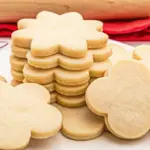
How to Make Sugar Cookies That Hold Their Shape Perfectly
- Total Time: 2 hours 15 minutes
- Yield: 4–5 dozen cookies 1x
Description
Explore the fascinating history of sugar cookies and learn how to bake the perfect batch — crisp on the edges, soft in the center, and rich with vanilla flavor. This recipe honors centuries of tradition while guaranteeing bakery-quality results.
Ingredients
- 2 cups Sweet Cream Salted Butter (softened, cold but pliable)
- 2 cups Granulated Sugar
- 2 Large Eggs (room temperature)
- 2 tablespoons Pure Vanilla Extract
- 4 teaspoons Baking Powder
- 6 cups All-Purpose Flour (sifted)
Pro Tip: Butter temperature is crucial — too warm leads to spreading. Use high-quality butter for the classic melt-in-your-mouth texture.
Instructions
- Cream butter and sugar together on medium-high speed for 3 minutes until light and fluffy.
- Add vanilla extract and eggs. Mix for another 3 minutes until smooth and pale.
- Mix in baking powder until fully combined.
- Add flour gradually, two cups at a time, mixing only until incorporated. Dough should be firm but not dry.
- Divide dough, wrap in plastic, and chill for 1–2 hours for clean cuts and minimal spreading.
- Preheat oven to 350°F (175°C). Roll out dough to 3/8-inch thickness and cut into desired shapes.
- Bake 6–10 minutes until edges just begin to brown. Cool on baking sheet 10 minutes before transferring to a rack.
Notes
Chill dough thoroughly before baking to maintain shapes. Avoid over-baking — cookies should be lightly golden at the edges. For gluten-free versions, use a 1:1 flour blend with xanthan gum.
- Prep Time: 25 minutes
- Cook Time: 10 minutes
- Category: Dessert
- Method: Baked
- Cuisine: American
Nutrition
- Serving Size: 1 cookie
- Calories: 145
- Sugar: 9g
- Sodium: 85mg
- Fat: 7g
- Saturated Fat: 4g
- Unsaturated Fat: 3g
- Trans Fat: 0g
- Carbohydrates: 19g
- Fiber: 0g
- Protein: 2g
- Cholesterol: 20mg
Keywords: sugar cookies, cut-out cookies, holiday cookies, traditional sugar cookies, butter cookies