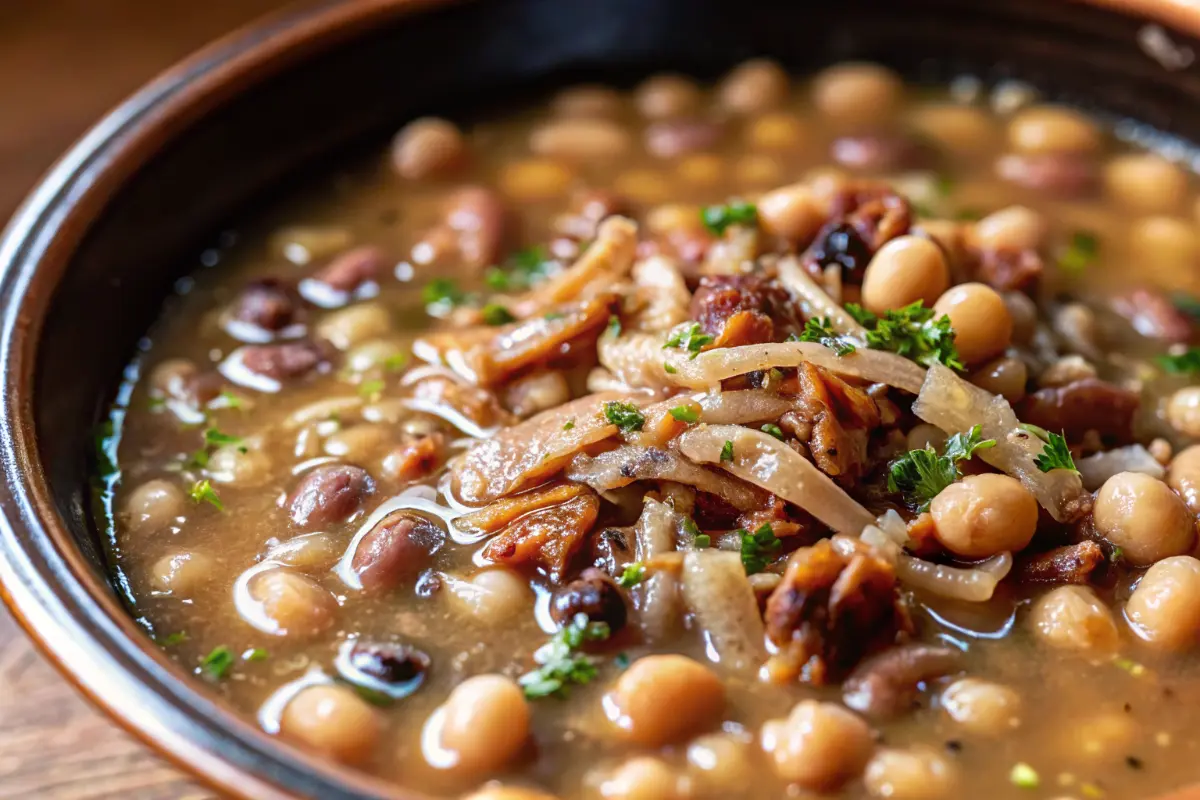
Did you know that the humble southern black eyed peas you’re about to cook carry nearly 400 years of American history in every spoonful? This isn’t just another comfort food—it’s a culinary connection to African heritage, Civil War survival, and generations of soul food traditions that continue to nourish families across the South today.
Southern black eyed peas have transcended their origins as livestock feed to become one of the most cherished dishes in American cuisine, particularly within African American and Southern food traditions. Whether you’re preparing them for New Year’s Day to attract prosperity or simply craving an authentic taste of Southern comfort, this comprehensive guide will walk you through creating a memorable dish that honors centuries of cultural significance.
The Rich History Behind Your Plate
Before we dive into the cooking process, understanding the story of black eyed peas Southern cuisine enriches every bite. These legumes were domesticated in West Africa thousands of years ago and arrived in the Americas through the transatlantic slave trade. What makes the Southern black eyed peas tradition particularly profound is how enslaved Africans transformed these hardy crops—initially planted as animal feed—into foundational ingredients of soul food that would eventually sustain entire communities.
The most iconic connection between Southern black eyed peas and American history emerged during the Civil War in 1864, when General William Tecumseh Sherman’s Union troops deliberately left behind only what they considered worthless livestock feed: black-eyed peas, greens, and corn. This act of wartime negligence became an unexpected blessing. Starving Confederates and Southern civilians relied on these humble peas to survive the brutal winter, and when New Year’s Day 1865 arrived, survivors celebrated their continued existence with this very crop. Thus began the enduring tradition of eating black eyed peas Southern style on New Year’s Day for prosperity and good luck.
Ingredients List
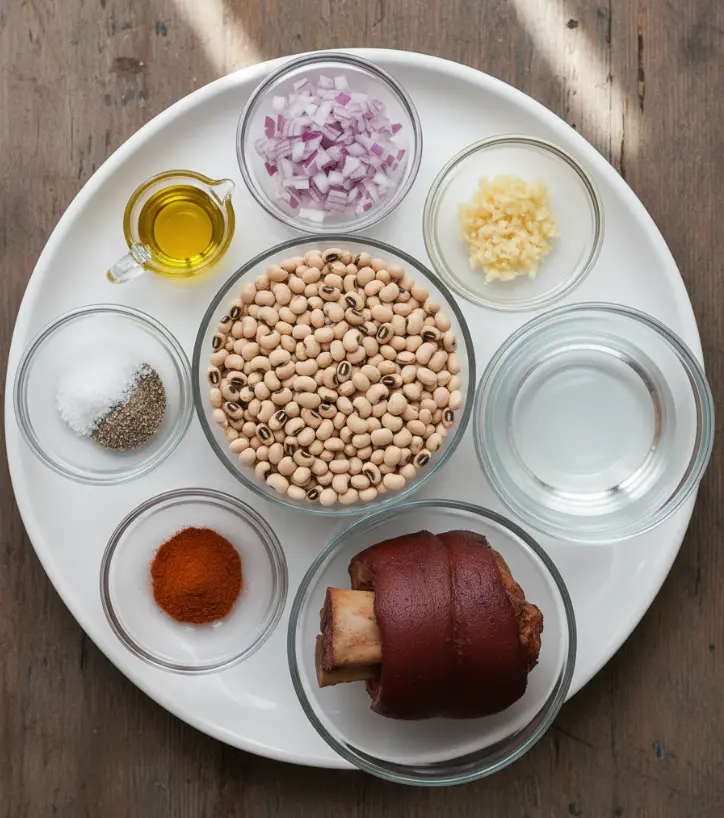
Here’s what you’ll need to create an authentic pot of Southern black eyed peas:
- 1 cup dried black eyed peas (or 2 cans if using canned for convenience)
- 4 cups water (or vegetable/chicken broth for added depth)
- 1 onion, chopped (sweet yellow onion recommended for subtle sweetness)
- 2 cloves garlic, minced (fresh is always superior to powdered)
- 1 smoked ham hock (the soul of authentic Southern flavor; alternatively, use 4-6 slices of bacon or smoked turkey for dietary preferences)
- 1 teaspoon salt (adjust to taste)
- ½ teaspoon black pepper (freshly cracked if possible)
- 1 teaspoon paprika (smoked paprika adds complexity)
- 2 tablespoons olive oil (or bacon drippings for traditional flavor)
- Optional additions: bay leaf, thyme, red pepper flakes for heat, or a splash of hot sauce
Ingredient Substitution Suggestions
For those with dietary restrictions, black eyed peas recipes Southern style can be easily adapted:
- Replace ham hock with smoked turkey butt for lower fat content
- Use vegetable broth instead of meat-based options for vegetarian versions
- Substitute bacon with coconut oil for vegan adaptations
- Use canned peas to reduce cooking time by 75%
Timing
Preparation Time: 15 minutes
Cooking Time: 90 minutes (for dried peas from scratch)
Total Time: 105 minutes
If using canned black eyed peas, reduce your cooking time to approximately 35-40 minutes, making this 60% faster than traditional dried preparations—perfect for busy weeknights when you’re craving authentic Southern comfort without the lengthy commitment.
Step-by-Step Instructions
Step 1: Prepare Your Black Eyed Peas
Begin by rinsing your dried black eyed peas thoroughly under cold running water. Gently sift through them with your fingers, removing any small stones or debris that may have been packaged with the legumes. This crucial step ensures a clean, undisturbed dining experience and respects the ingredient. If you soaked your peas overnight (which we recommend), drain and rinse them again before proceeding.
Pro Tip: Soaking black eyed peas overnight reduces cooking time and enhances digestibility. If you’re short on time, use the quick-soak method: bring peas and water to a boil for 2 minutes, then let them rest for 1 hour.
Step 2: Heat Your Oil and Begin the Aromatic Foundation
In a large, heavy-bottomed pot or Dutch oven, heat your olive oil (or bacon drippings, if available) over medium heat. Allow it to shimmer and reach the optimal temperature—this is where the magic begins. The aromatic foundation of your Southern black eyed peas dish depends entirely on this step.
Step 3: Sauté Your Aromatics
Add your chopped onion and minced garlic to the heated oil, stirring frequently. These vegetables should soften and become translucent after approximately 3-4 minutes. You’ll notice the kitchen filling with an intoxicating aroma—this is exactly what should happen. The Maillard reaction is beginning, creating deep, savory flavor compounds that will permeate every pea.
Chef’s Insight: Don’t rush this step. Many home cooks increase heat to speed things up, but medium heat prevents burning and allows flavors to develop properly.
Step 4: Add Your Peas and Aromatics
Transfer your rinsed black eyed peas to the pot with the softened onions and garlic. Stir them together, allowing the peas to coat lightly with the oil. Add your smoked ham hock, salt, pepper, and paprika. For black eyed peas Southern style, the spice profile should be subtle—you’re not creating a Cajun dish, but rather a refined expression of traditional Southern cooking.
Step 5: Build Your Cooking Liquid and Bring to a Boil
Pour your 4 cups of water (or broth) into the pot. Increase heat to medium-high and bring the mixture to a rolling boil. Once boiling, reduce heat to medium-low, creating a gentle simmer. Cover your pot partially—this allows steam to escape while preventing excessive evaporation.
Pro Tip: Covering partially rather than fully prevents a sad, waterlogged result while maintaining moisture. Adjust your lid position based on the vigor of your simmer.
Step 6: Simmer with Patience and Attention
Now comes the hardest part—patience. Let your Southern black eyed peas simmer gently for 1 to 1.5 hours. Around the 45-minute mark, check your liquid level. You should still see about an inch of liquid above the peas. If it’s evaporating too quickly, add more broth in half-cup increments. The peas should be tender enough to press between your thumb and forefinger but not so soft they’ve become mushy.
Doneness Test: A properly cooked pea crushes easily but maintains its shape. The broth should have become creamy from the starches released by the peas.
Step 7: Finish with Shredded Ham
Remove the smoked ham hock from the pot using tongs. Allow it to cool slightly on a cutting board. Once it’s cool enough to handle, shred the meat from the bone—it should come away easily. Discard the bone and return all the tender, smoky meat to the pot. Stir well, distributing the ham throughout.
Step 8: Taste and Adjust Seasonings
This is your opportunity to personalize your black eyed peas Southern style. Taste a spoonful of the broth. Add more salt if needed, a grind of fresh pepper for bite, or a dash of hot sauce for complexity. Remember, you can always add more seasoning, but you can’t remove it.
Step 9: Serve Your Creation
Ladle your Southern black eyed peas into serving bowls and enjoy them warm. Traditionally, they’re served over white rice, which creates the complete New Year’s dish known as “Hoppin’ John”. The creamy broth mingles with the rice, creating a deeply satisfying meal.
Nutritional Information
A single serving (approximately 1.5 cups) of this traditional black eyed peas Southern recipe provides:
| Nutrient | Amount | % Daily Value |
|---|---|---|
| Calories | 285 | 14% |
| Protein | 14g | 28% |
| Carbohydrates | 35g | 12% |
| Dietary Fiber | 8g | 32% |
| Fat | 6g | 9% |
| Iron | 4.2mg | 23% |
| Potassium | 520mg | 15% |
| Sodium | 820mg | 35% |
Data Insight: Black eyed peas Southern style provides more protein per serving than most legumes, making them an excellent plant-based protein source. The high fiber content supports digestive health and maintains steady blood sugar levels.
Healthier Alternatives for the Recipe
Lean Protein Modifications
Replace the traditional ham hock with smoked turkey breast to reduce saturated fat by 65% while maintaining authentic smoky flavor. This adaptation makes black eyed peas Southern recipes suitable for heart-healthy eating plans.
Broth Enhancement
Substitute water with low-sodium vegetable or chicken broth to add nutritional depth without increasing sodium. This modification adds B vitamins and minerals while reducing reliance on salt for seasoning.
Oil Reduction
Use just 1 tablespoon of olive oil instead of 2, and render bacon fat from 2 slices of lean bacon rather than using ham hock. This creates satisfying flavor with 40% fewer calories from fat.
Spice Profile Amplification
Rather than relying on the ham hock for flavor, add:
- 1 bay leaf for subtle earthiness
- ½ teaspoon dried thyme for aromatic complexity
- ¼ teaspoon cayenne pepper for metabolic boost
- 1 tablespoon apple cider vinegar for brightness and digestive support
These additions create a sophisticated flavor profile while keeping the dish light and nourishing.
Serving Suggestions
The Traditional New Year’s Presentation
Serve your Southern black eyed peas over fluffy white rice with buttered cornbread on the side. The combination represents the classic “Hoppin’ John” tradition, believed to bring prosperity and good luck. Add a small dish of hot sauce for guests to customize their heat level.
Modern Brunch Application
Create a contemporary twist by serving black eyed peas Southern style as a grain bowl base. Top with quinoa or farro, roasted vegetables (Brussels sprouts, cherry tomatoes), crumbled feta cheese, and a soft-poached egg. Drizzle with lemon vinaigrette for brightness.
Vegetarian Taco Filling
Mash a portion of your cooled black eyed peas slightly and use as filling for warm flour tortillas. Top with sautéed peppers, avocado, cilantro, and lime crema for a regional twist on the traditional dish.
Salad Integration
Chill leftover peas and combine with diced bell peppers, red onion, cilantro, lime juice, and a touch of cumin for a refreshing salad that’s equally at home at summer gatherings or as meal-prep lunches.
Comfort Food Elevation
Stir your black eyed peas Southern style into creamy polenta, top with a poached egg and microgreens for an elegant presentation that honors the dish’s rustic origins while elevating it for special occasions.
Common Mistakes to Avoid
Mistake #1: Using Canned Peas Straight From the Can
Many home cooks open a can of black eyed peas and add them directly to the pot with ham hock and other ingredients. While convenient, canned peas will disintegrate during the long simmering time. Drain and add canned peas only during the last 15 minutes of cooking to preserve their texture.
Mistake #2: Skipping the Soak for Dried Peas
Unsoaked dried peas require longer cooking times and produce a less tender result. Soaking reduces cooking time by 25-30% and improves digestibility by reducing oligosaccharides that cause digestive discomfort.
Mistake #3: Adding Salt Too Early
Salt added at the beginning of cooking can toughen the pea skins, preventing them from absorbing water and becoming tender. Add salt during the final 15 minutes of cooking for optimal texture. This timing allows seasoning to penetrate without compromising tenderness.
Mistake #4: Covering the Pot Completely
A fully covered pot creates excess steam, resulting in overcooked, mushy peas. A partially covered pot allows proper evaporation while maintaining adequate moisture. Adjust based on how vigorously your pot is simmering.
Mistake #5: Ignoring Liquid Levels
Southern black eyed peas require sufficient cooking liquid. If your pot dries out, the peas won’t soften properly and may burn. Check liquid every 30 minutes and adjust as needed. The finished dish should have a creamy broth, not be completely dry.
Mistake #6: Using Poor-Quality Ham Hock
The ham hock is your primary flavor component. Sourcing a quality smoked ham hock from a reputable butcher makes a significant difference. Avoid pre-packaged versions that contain excessive sodium or artificial smoke flavoring. Request a smoked ham hock specifically labeled as naturally smoked.
Storing Tips for the Recipe
Refrigerator Storage
Store leftover black eyed peas Southern style in an airtight container for up to 4 days. The flavors actually intensify after the first day, making this dish excellent for meal preparation. The creamy broth will thicken upon refrigeration as starches continue to absorb liquid.
Freezing for Extended Storage
Freeze your Southern black eyed peas in portions using freezer bags or ice cube trays for up to 3 months. Flat freezer bags take up minimal space and thaw quickly. Leave approximately ½ inch of headspace to allow for expansion. Label with the date and contents for easy identification.
Reheating Instructions
Thaw frozen portions overnight in the refrigerator, then reheat gently over medium-low heat, adding water or broth as needed to restore the creamy consistency. Microwaving works but can create uneven heating—stovetop reheating is superior.
Ingredient Prep Ahead
Prepare your ingredients the day before serving: chop onions and garlic, rinse peas, and measure spices. Store these in separate containers in the refrigerator. This preparation reduces active cooking time by 10 minutes on serving day.
Freeze Peas in Broth
To maximize flavor retention, freeze peas along with their cooking broth rather than separately. This prevents the peas from drying out and ensures the creamy texture is maintained upon reheating.
Conclusion
Southern black eyed peas represent far more than a simple legume dish—they’re a tangible connection to African heritage, Southern resilience, and generations of culinary wisdom passed through families. This 105-minute recipe delivers authentic flavor while honoring the cultural significance that makes this dish uniquely American. Whether you’re following the traditional New Year’s Day custom for prosperity or simply seeking comfort food with profound roots, these black eyed peas Southern style will nourish both body and soul.
Ready to create your own piece of Southern culinary history? Try this recipe today and experience why black eyed peas Southern cuisine continues to capture hearts across generations. Share your cooking experience in the comments below—we’d love to hear how your family adapts this cherished tradition. Subscribe to our blog for more authentic Southern recipes, cooking tips, and culinary stories that celebrate America’s rich food heritage.
FAQs
Q: Can I make Southern black eyed peas without a ham hock?
A: Absolutely. Substitute with 6-8 slices of bacon, rendered and crumbled back into the pot, or use smoked turkey breast for a leaner option. Vegetarian cooks can use smoked paprika (2 teaspoons), liquid smoke (½ teaspoon), and vegetable broth to create similar depth. The dish won’t be identical, but it will be delicious.
Q: How can I reduce the cooking time for Southern black eyed peas?
A: Use canned peas instead of dried—reduce cooking time to 35-40 minutes. Alternatively, use a pressure cooker, which cooks dried peas in 25 minutes. Quick-soak your dried peas by boiling them for 2 minutes, then resting for 1 hour before cooking.
Q: What’s the difference between black eyed peas and other legumes?
A: Black eyed peas are smaller, creamier, and cook faster than chickpeas or kidney beans. They have a subtle, slightly earthy flavor and are specifically associated with Southern and African cuisine, making them ideal for traditional recipes.
Q: Are black eyed peas nutritionally complete?
A: Black eyed peas Southern style provide excellent protein, fiber, and iron, but they lack sufficient methionine (an essential amino acid). Pair them with rice to create a complete protein profile containing all nine essential amino acids.
Q: Can I make Southern black eyed peas in a slow cooker?
A: Yes. Cook on low for 6-8 hours or high for 3-4 hours. Add ingredients in the same order, but reduce liquid to 3 cups initially, as slow cookers retain more moisture than stovetop cooking. Check liquid levels at the halfway point.
Q: Is there a vegan version of traditional black eyed peas?
A: Definitely. Replace ham hock with additional smoked paprika, liquid smoke, and nutritional yeast for umami depth. Use vegetable broth and add mushrooms for earthiness. The flavor profile will differ from traditional versions but remains genuinely delicious.
Q: Why do Southerners eat black eyed peas on New Year’s Day?
A: The tradition originated during the Civil War when black eyed peas helped survivors avoid starvation. They became symbolically associated with good fortune and prosperity because their small, round shape resembles coins. Eating them on New Year’s Day reportedly attracts financial abundance throughout the year.
Q: Can I prepare black eyed peas ahead for New Year’s Day?
A: Yes, prepare them 1-2 days in advance and refrigerate. Reheat gently on the stovetop, adding broth to restore creamy consistency. Many cooks prefer this approach, as flavors deepen during refrigeration.
Q: What sides pair best with Southern black eyed peas?
A: Traditional pairings include white rice, cornbread, collard greens, and hot sauce. Contemporary options include roasted vegetables, crusty bread for soaking up the creamy broth, or fresh salads for brightness.
Print
How to Make Southern Black Eyed Peas: Traditional Recipe, 6 Variations & Complete Cooking Guide
- Total Time: 105 minutes
- Yield: 4 servings 1x
Description
Authentic Southern Black Eyed Peas — a soulful, history-rich recipe that blends smoky flavor, tender peas, and a creamy broth. Perfect for New Year’s Day prosperity or anytime comfort food.
Ingredients
- 1 cup dried black eyed peas (or 2 cans for convenience)
- 4 cups water or broth
- 1 onion, chopped
- 2 cloves garlic, minced
- 1 smoked ham hock (or 4–6 slices bacon or smoked turkey)
- 1 tsp salt
- ½ tsp black pepper
- 1 tsp paprika
- 2 tbsp olive oil (or bacon drippings)
- Optional: bay leaf, thyme, red pepper flakes, or hot sauce
Instructions
- Rinse dried black eyed peas thoroughly, removing any debris. Soak overnight or use the quick-soak method (boil for 2 minutes, rest 1 hour).
- Heat olive oil or bacon drippings in a large pot over medium heat until shimmering.
- Add chopped onion and minced garlic, sautéing 3–4 minutes until translucent and fragrant.
- Add peas, ham hock, salt, pepper, and paprika. Stir well to coat with oil and seasonings.
- Pour in 4 cups of water or broth. Bring to a boil, then reduce to a gentle simmer and partially cover.
- Simmer 1 to 1½ hours, checking liquid levels every 30 minutes. Add broth as needed to maintain a creamy consistency.
- Remove ham hock, shred the meat, and return it to the pot. Stir to combine.
- Taste and adjust seasonings with salt, pepper, or hot sauce as desired.
- Serve warm over white rice for classic Hoppin’ John or with cornbread for a true Southern experience.
Notes
Add salt near the end of cooking to prevent tough pea skins. For vegetarian or vegan versions, use smoked paprika, liquid smoke, and vegetable broth instead of meat-based ingredients.
- Prep Time: 15 minutes
- Cook Time: 90 minutes
- Category: Main Course
- Method: Simmer
- Cuisine: Southern
Nutrition
- Serving Size: 1.5 cups
- Calories: 285
- Sugar: 3g
- Sodium: 820mg
- Fat: 6g
- Saturated Fat: 1g
- Carbohydrates: 35g
- Fiber: 8g
- Protein: 14g
- Cholesterol: 20mg
Keywords: southern black eyed peas, hoppin john, soul food, traditional southern recipe, new years day peas