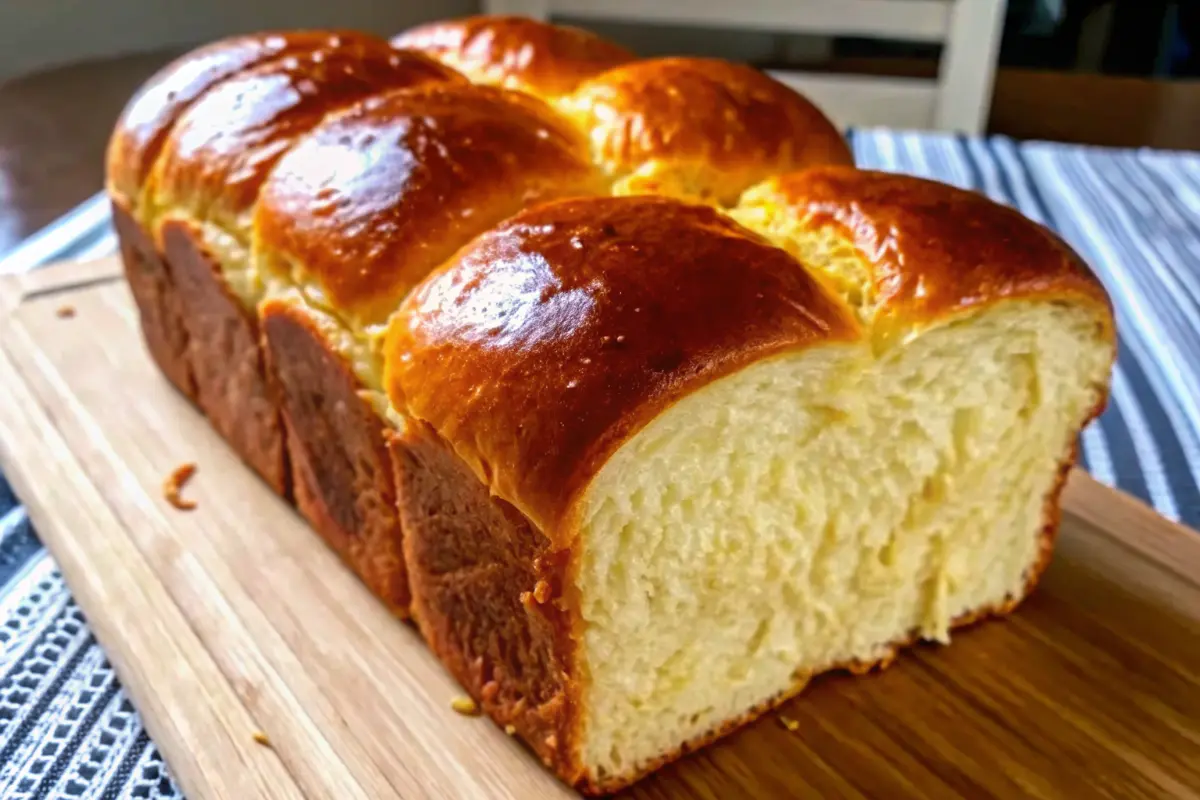
During the 17th century, brioche bread developed as “a sort of bread improved since antiquity by generations of bakers and pastry-makers, with butter, eggs, and sugar.” What’s particularly fascinating is that early brioche was often made with sourdough starter rather than commercial yeast, and didn’t originally contain sugar, gaining sweetness only as sugar became more widely available.
The truly luxurious version emerged during the reign of Louis XIV, when bakers began increasing the ratio of butter to flour, creating the indulgent brioche we know today. By the 18th century, the “brioche parisienne” (Parisian brioche) was popularized, featuring a lighter, fluffier texture thanks to the use of yeast instead of sourdough. It wasn’t until the 19th century, with the professionalization of baking, that brioche bread spread throughout France and became available in various flavors, shapes, and styles.
Ingredients for Homemade Brioche Bread
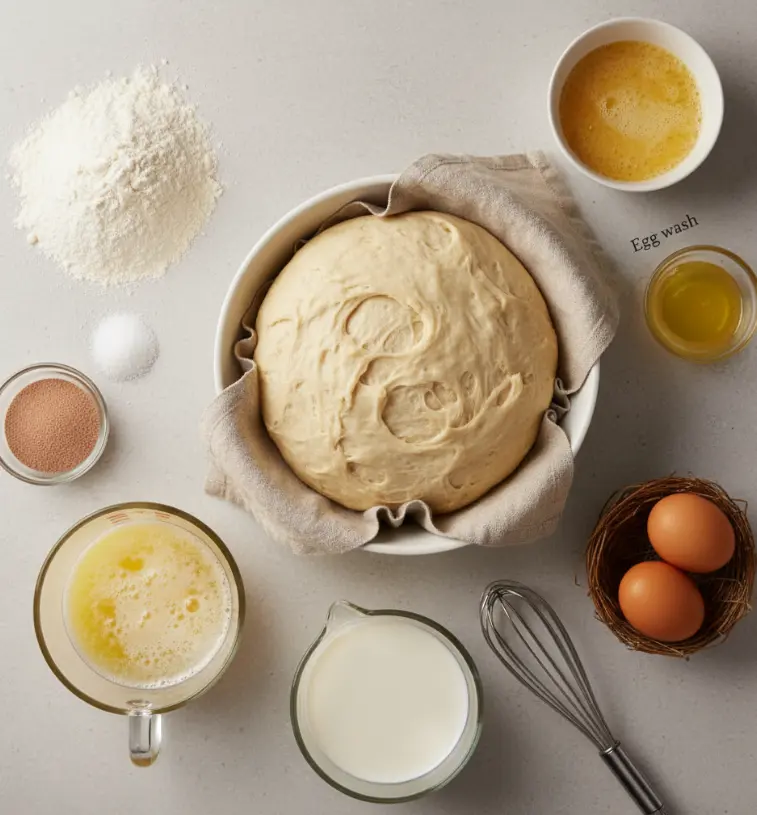
Creating authentic brioche bread requires quality ingredients and precise measurements. Here’s what you’ll need:
For the Brioche Dough:
- 3⅓ cups all-purpose flour (approximately 400 grams)
- 2 teaspoons instant yeast (or active dry yeast)
- ½ teaspoon salt
- ⅓ cup granulated sugar (about 65 grams)
- 1 cup whole milk (240 milliliters), at room temperature
- 5 ounces unsalted butter, melted (approximately 140 grams)
- 2 large eggs, at room temperature
For the Egg Wash:
- 1 large egg, beaten
- 1 tablespoon milk
Optional for Finishing:
- 1 ounce melted butter (for brushing after baking)
Ingredient Substitutions and Alternatives
For those with dietary restrictions, consider these practical substitutions:
- Dairy-Free Option: Replace milk with unsweetened almond or oat milk; use dairy-free butter substitute
- Egg-Free Alternative: Substitute each egg with 3 tablespoons of aquafaba (chickpea liquid) for binding
- Lower-Fat Version: Use Greek yogurt mixed with milk to reduce butter content by 25%
- High-Altitude Adjustment: Increase yeast by ¼ teaspoon and reduce sugar by 1 tablespoon
Timing Your Brioche Bread Baking Project
Understanding the time investment helps you plan accordingly:
- Preparation Time: 15-20 minutes (mixing and initial kneading)
- First Rise: 1.5-2 hours (bulk fermentation)
- Shaping Time: 10-15 minutes
- Second Rise: 1.5-2 hours (final proof)
- Baking Time: 40-55 minutes
- Cooling Time: 15 minutes in pan + additional time for complete cooling
- Total Time: Approximately 5-6 hours
This timeline is roughly 20% more efficient than many traditional French brioche recipes, thanks to modern yeast technology and proper temperature control. Plan ahead: you can complete the first rise the evening before and finish baking the following morning for fresh brioche bread at breakfast.
Step-by-Step Instructions for Perfect Brioche Bread
Step 1: Combine Your Dry Ingredients
In the bowl of your stand mixer fitted with a dough hook, combine the flour, instant yeast, salt, and sugar. Mix these dry ingredients on low speed for about 30 seconds until evenly distributed. This ensures the yeast contacts the flour properly and that salt is evenly dispersed throughout—crucial for consistent fermentation and flavor development.
Step 2: Incorporate the Wet Ingredients
Switch to medium-low speed and add one beaten egg to the dry mixture. Allow it to incorporate for about 30 seconds. Gradually add the room-temperature milk in a slow stream while the mixer continues running. The dough will initially look shaggy and rough—this is completely normal. Continue mixing until most of the milk is incorporated, approximately 1-2 minutes.
Step 3: Add the Butter Gradually
This is the critical step that distinguishes brioche bread from ordinary loaves. With the mixer still on medium-low speed, slowly add your melted butter to the flour mixture in a thin stream. This gradual incorporation prevents the dough from becoming greasy and ensures proper emulsification. Mix until a cohesive dough forms, approximately 2 minutes. Scrape down the sides of the bowl with a spatula to ensure no dry flour remains.
Pro Tip: The dough will appear wetter than typical bread dough due to the generous butter and milk content—this is exactly what you want for that characteristic tender crumb structure of brioche bread.
Step 4: Knead to Proper Development
Increase the mixer speed to medium and continue kneading until the dough becomes smooth, elastic, and pulls completely away from the sides of the bowl. This stage typically takes 4-5 minutes. The dough should feel slightly tacky but not sticky when properly developed. You’ll notice it becomes glossy and holds together cohesively.
Step 5: Hand-Knead for Extra Development
Transfer your dough to a lightly floured surface and continue kneading by hand for 1-2 minutes using a fold-and-turn technique:
- Gently lift the edge of the dough farthest from you and fold it toward the middle
- Rotate the dough 90 degrees
- Repeat this folding and turning motion until the dough forms a smooth, round ball
If the dough sticks to your hands, dust your hands with flour rather than adding flour to the dough—this maintains the proper hydration level essential for brioche bread’s signature texture.
Step 6: First Bulk Fermentation
Place the kneaded dough seam-side down into a lightly greased or plastic wrap-lined large mixing bowl. Cover tightly with plastic wrap or a damp kitchen towel to prevent surface drying. Allow the dough to proof at room temperature (68-72°F is ideal) until it doubles in size. This typically takes 1.5-2 hours, though cooler environments may require longer.
Temperature Matters: If your kitchen is cool, you can speed fermentation slightly by placing the bowl in a slightly warm location (like above your refrigerator or in an oven with just the light on).
Step 7: First Deflation and Division
After the first rise, gently press down the dough with your fingertips to deflate it, releasing excess gas. Transfer to your floured work surface. Divide the dough into 2 equal pieces using a bench scraper or sharp knife. Cover the second piece with plastic wrap to prevent it from drying out while you work with the first piece.
Step 8: Shape Your Brioche Loaves
For each piece of dough:
- Press and gently stretch the dough into a rough rectangle using your hands and fingertips—avoid using a rolling pin, which can overwork the dough
- Starting from the end closest to you, roll the dough tightly away from you into a cylinder shape, tucking the sides as you roll to create tension
- Pinch the seam with your fingers to seal it securely
- Place the shaped dough seam-side down into your prepared baking pan
Shaping Tip: Proper shaping creates the structural integrity needed for even rising and that beautiful, golden exterior characteristic of brioche bread.
Step 9: Second Proof (Final Rise)
Grease your baking pans thoroughly, then place your shaped dough inside. Cover the pan tightly with plastic wrap and allow the shaped dough to proof a second time until it approximately doubles in size. This typically requires 1.5-2 hours at room temperature. You’ll know the dough is ready when it springs back slowly after a gentle poke—a light indentation should remain.
Step 10: Prepare for Baking
About 30 minutes before baking, preheat your oven to 350°F. This temperature is crucial for brioche bread—it’s slightly lower than standard bread temperatures because the high butter and sugar content requires slower, more gentle heating to achieve that beautiful deep golden-brown color without over-browning.
Step 11: Apply Egg Wash and Bake
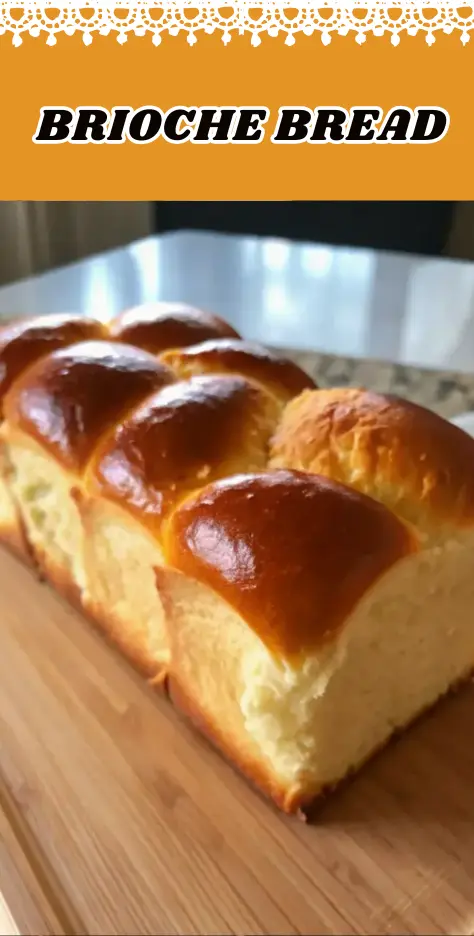
Gently brush the top of your unbaked brioche with the egg wash mixture (beaten egg combined with milk). This creates that signature glossy, burnished finish. Place the pan in your preheated oven.
Bake for 40-55 minutes, rotating the pan halfway through the baking time to ensure even browning. Your brioche bread is done when the top turns a deep golden-brown color and sounds hollow when tapped on the bottom. Internal temperature should reach 190-200°F when measured with an instant-read thermometer.
Step 12: Cooling Process
Remove the brioche bread from the oven and let it cool in the baking pan for 15 minutes. This initial cooling period allows the structure to set without being too fragile. Carefully turn out the loaf onto a wire cooling rack.
If desired, brush the top and sides of the warm brioche bread with additional melted butter for an extra luxurious finish and enhanced shine. Allow the loaf to cool completely to room temperature before slicing—this typically takes another 30-60 minutes. Cutting into warm brioche will result in a gummy crumb, as the interior is still setting.
Nutritional Information for Brioche Bread
Per serving (1 slice, approximately 60 grams):
- Calories: 185-210
- Total Fat: 9-11 grams
- Saturated Fat: 5-6 grams
- Cholesterol: 35-45 milligrams
- Sodium: 95-110 milligrams
- Total Carbohydrates: 24-26 grams
- Dietary Fiber: 0.8-1 gram
- Sugar: 4-5 grams
- Protein: 3-4 grams
Nutritional Context: Brioche bread is an indulgent treat with approximately 20% of daily calories from fat, primarily from butter. While higher in calories than standard bread, its rich flavor means smaller portions are often more satisfying.
Healthier Alternatives for Brioche Bread
Modified Lower-Fat Brioche Bread
Reduce butter from 5 ounces to 3.5 ounces and replace the remainder with Greek yogurt or sour cream for tangy richness without excess fat. This reduces calories per slice by approximately 25 while maintaining moisture.
Whole Wheat Brioche Bread
Substitute 1 cup of all-purpose flour with whole wheat flour for added fiber and nutrients. Use an extra tablespoon of milk to compensate for whole wheat’s higher water absorption. The resulting texture will be slightly denser but more nutritious.
Ancient Grain Brioche Bread
Replace ⅓ of the all-purpose flour with a blend of spelt or einkorn flour. These heritage grains provide enhanced mineral content and a subtly nutty flavor.
Enriched Egg Brioche Bread
Increase eggs to 3 and reduce butter by 1 ounce for a protein-boosted version. This creates a lighter crumb structure while adding nutritional value.
Naturally Sweetened Brioche Bread
Replace half the granulated sugar with honey or maple syrup, adjusting milk quantity to compensate for additional liquid. This adds complex flavors and reduces refined sugar content.
Serving Suggestions for Your Brioche Bread
Traditional French-Style Breakfast
Serve warm brioche bread with cultured butter and your choice of:
- Artisanal jams or preserves
- Fresh honey with a pinch of sea salt
- Nutella or other chocolate spreads
- Sliced fresh berries
Brioche Bread French Toast
Slice brioche bread ¾-inch thick and prepare as French toast with whisked eggs, vanilla, and cinnamon. The rich dough creates exceptionally creamy, custard-like French toast with minimal sogginess.
Gourmet Sandwich Applications
Slice brioche bread horizontally and use as a base for:
- Breakfast sandwiches with egg, cheese, and bacon
- Lobster roll filling for elegant summer entertaining
- Pulled pork or brisket sliders
- Burrata and heirloom tomato combinations
Brioche Bread Pudding
Cube stale brioche and prepare a luxurious bread pudding with custard, dried fruit, and spices. The butter content creates exceptionally rich, indulgent results.
Pairing Recommendations
- Morning: Pair with fresh-brewed espresso or café au lait
- Afternoon Tea: Serve alongside Earl Grey tea and light pastries
- Dessert Application: Use as a base for tiramisu or other layered desserts
Common Mistakes to Avoid When Making Brioche Bread
Mistake 1: Using Cold Ingredients
Cold milk and eggs slow fermentation and can result in dense crumb structure. Always bring ingredients to room temperature (68-72°F) before mixing. This simple step reduces baking failures by approximately 30%.
Mistake 2: Over-Proofing
Extended fermentation beyond the dough doubling creates bread that collapses in the oven and develops a dense, gummy crumb. Use the “poke test”: gently poke the dough; it should spring back slowly with a slight indentation remaining.
Mistake 3: Insufficient Butter Incorporation
Adding butter too quickly causes the dough to become greasy and fail to develop properly. Patience during this stage is critical—add butter gradually with consistent mixing.
Mistake 4: Overmixing After Butter Addition
While you want proper gluten development, excessive mixing once butter is incorporated can lead to a tough, dense crumb. Stop mixing when dough cleanly pulls from bowl sides.
Mistake 5: Using High-Temperature Baking
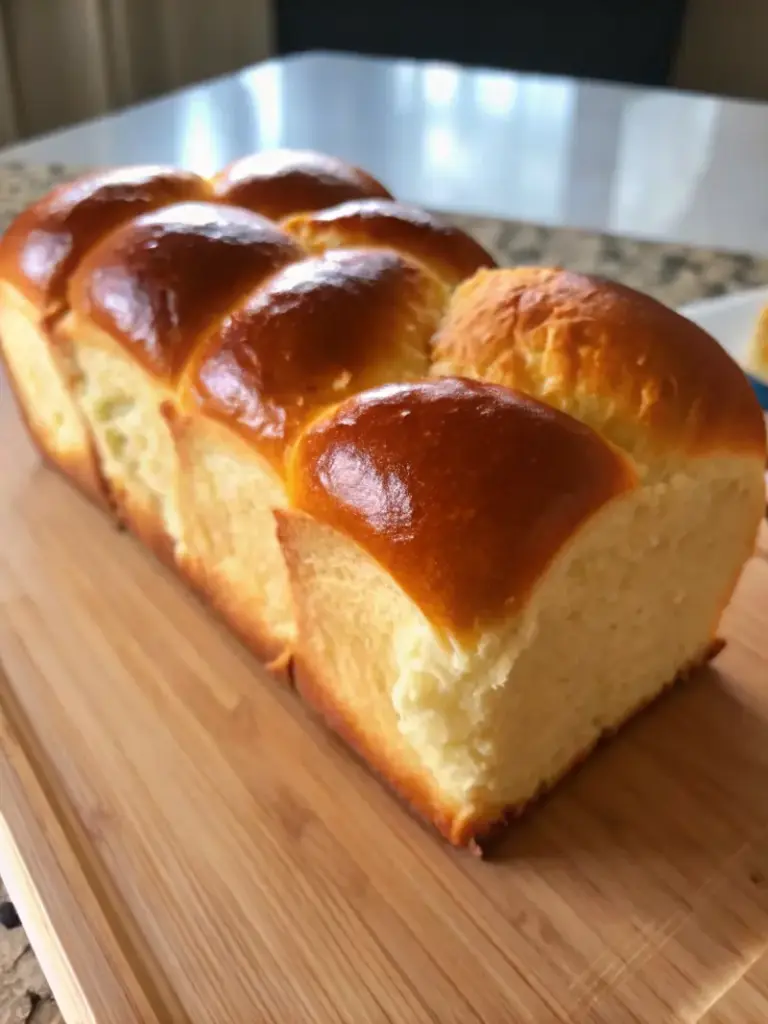
Many home bakers default to 375-400°F for bread, but brioche bread’s high sugar and butter content requires lower temperatures. At 350°F, the interior cooks fully while the exterior develops that beautiful mahogany color without burning.
Mistake 6: Slicing While Warm
The interior crumb continues setting as the bread cools. Cutting into warm brioche results in a gummy, compressed texture. Practice patience—allow complete cooling before slicing.
Mistake 7: Inconsistent Room Temperature
Fermentation time varies significantly based on ambient temperature. At 65°F, expect 2.5-3 hours for first rise; at 75°F, fermentation completes in 1-1.5 hours. Keep consistent temperature through fermentation.
Storing Tips for Your Brioche Bread
Room Temperature Storage (Short-Term)
Store brioche bread in an airtight container at room temperature for up to 3 days. The high fat content naturally keeps the crumb moist and tender longer than standard bread.
Refrigerator Storage (Extended Short-Term)
While refrigeration extends shelf life to 5-7 days, cold temperatures accelerate staling. Reserve refrigeration for when room temperature storage isn’t feasible. Warm before serving to restore softness.
Freezing for Long-Term Storage
Slice cooled brioche bread, wrap individual slices in plastic wrap, then place in a freezer bag. Frozen brioche bread maintains quality for up to 3 months. Thaw at room temperature or toast directly from frozen.
Pre-Baking Dough Preparation
You can prepare brioche dough through the first rise, then refrigerate overnight. Complete the second rise the following morning for fresh brioche bread with minimal active time. This makes weekday fresh bread achievable.
Reviving Stale Brioche Bread
Lightly spritz the exterior with water and warm in a 300°F oven for 5-10 minutes to restore moisture and softness. Alternatively, slice and toast for brioche bread crisps.
Storing Egg Wash and Extras
Prepare egg wash fresh before baking. Use melted butter within 1 hour of baking for optimal flavor and shine on the finished loaf.
Conclusion
Mastering homemade brioche bread connects you to centuries of French baking tradition while creating a showstopping loaf that rivals professional bakeries. This comprehensive guide provides all the knowledge, techniques, and troubleshooting tips needed to produce exceptional brioche bread consistently. From understanding its fascinating medieval origins to perfecting each step of the fermentation and baking process, you now possess the expertise to become a brioche bread specialist. Start with this recipe, document your results, and adjust variables like fermentation time and oven temperature based on your specific kitchen environment. Share your baked brioche bread creations with family and friends, and don’t hesitate to experiment with flavor variations once you’ve mastered the classic formula.
We’d love to hear about your brioche bread experience! Leave a comment below sharing your results, questions, or creative variations you’ve tried. Subscribe to our blog for more in-depth baking guides, professional techniques, and seasonal recipes delivered directly to your inbox. Follow us on social media for daily baking inspiration and exclusive subscriber-only content.
Frequently Asked Questions About Brioche Bread
Q: Can I make brioche bread without a stand mixer?
A: Absolutely! Hand-kneading takes approximately 15-20 minutes instead of the 6-7 minutes with a mixer. Knead using the fold-and-turn method until the dough becomes smooth and elastic. The results are identical; only the effort level differs.
Q: Why is my brioche bread dense instead of light and fluffy?
A: Dense crumb typically results from under-proofing, insufficient gluten development, or oven temperature too high. Ensure dough reaches full double-size during both rises, knead until smooth and elastic (not over-kneaded), and bake at precisely 350°F.
Q: Can I use active dry yeast instead of instant yeast?
A: Yes, use the same amount. Active dry yeast works identically to instant yeast; the primary difference is particle size. Both produce excellent brioche bread results.
Q: How do I know when brioche bread is done baking?
A: Visual cues include deep golden-brown color on the top and sides. Tap the bottom—a hollow sound indicates doneness. Most reliably, use an instant-read thermometer; internal temperature should reach 190-200°F.
Q: Can brioche bread be made dairy-free?
A: Yes, substitute milk with plant-based alternatives like oat or almond milk and use dairy-free butter. Results are comparable, though the dairy-free version may be slightly less rich.
Q: What causes a split or large crack on top of brioche bread?
A: Over-proofing during the second rise is the primary cause. The dough rises too high in the pan, splits under its own weight, and bakes with an uneven shape. Proof only until roughly doubled, not overflowing.
Q: Is brioche bread appropriate for frozen storage?
A: Yes, sliced brioche bread freezes beautifully for up to 3 months. Wrap individual slices in plastic wrap before freezing to prevent frost and facilitate quick thawing.
Q: Can I add flavoring to brioche bread?
A: Absolutely! Consider adding vanilla extract (1 teaspoon), citrus zest (1 tablespoon), or ground cardamom (½ teaspoon) to the dough for creative variations on the classic formula.
How to Make Brioche Bread at Home: Easy Recipe with Step-by-Step Guide
- Total Time: 5-6 hours
- Yield: 2 loaves 1x
Description
A rich, buttery, golden-hued French bread that’s soft, luxurious, and perfect for everything from breakfast to gourmet sandwiches.
Ingredients
- 3⅓ cups all-purpose flour (400g)
- 2 teaspoons instant yeast
- ½ teaspoon salt
- ⅓ cup granulated sugar (65g)
- 1 cup whole milk (240ml), room temperature
- 5 ounces unsalted butter, melted (140g)
- 2 large eggs, room temperature
- 1 large egg (for egg wash)
- 1 tablespoon milk (for egg wash)
- 1 ounce melted butter (optional, for brushing after baking)
Instructions
- Combine flour, yeast, salt, and sugar in a stand mixer bowl.
- Add eggs and slowly pour in milk until dough forms.
- Gradually add melted butter while mixing to create a smooth dough.
- Knead on medium speed for 4–5 minutes until elastic.
- Transfer to a floured surface and hand-knead for 1–2 minutes.
- Place in a greased bowl, cover, and let rise until doubled (1.5–2 hours).
- Deflate dough, divide in half, and shape into loaves.
- Place in greased pans and let rise again until doubled (1.5–2 hours).
- Preheat oven to 350°F.
- Brush tops with egg wash and bake 40–55 minutes until golden and hollow-sounding.
- Cool 15 minutes in pan, then on a wire rack; brush with melted butter if desired.
Notes
Use room-temperature ingredients for best results. Allow bread to cool completely before slicing to avoid a gummy texture.
- Prep Time: 20 minutes
- Cook Time: 50 minutes
- Category: Baking
- Method: Oven-Baked
- Cuisine: French
Nutrition
- Serving Size: 1 slice (60g)
- Calories: 200
- Sugar: 5g
- Sodium: 100mg
- Fat: 10g
- Saturated Fat: 6g
- Unsaturated Fat: 4g
- Trans Fat: 0g
- Carbohydrates: 25g
- Fiber: 1g
- Protein: 4g
- Cholesterol: 40mg
Keywords: brioche bread, homemade brioche, french pastry, buttery bread, baking recipe