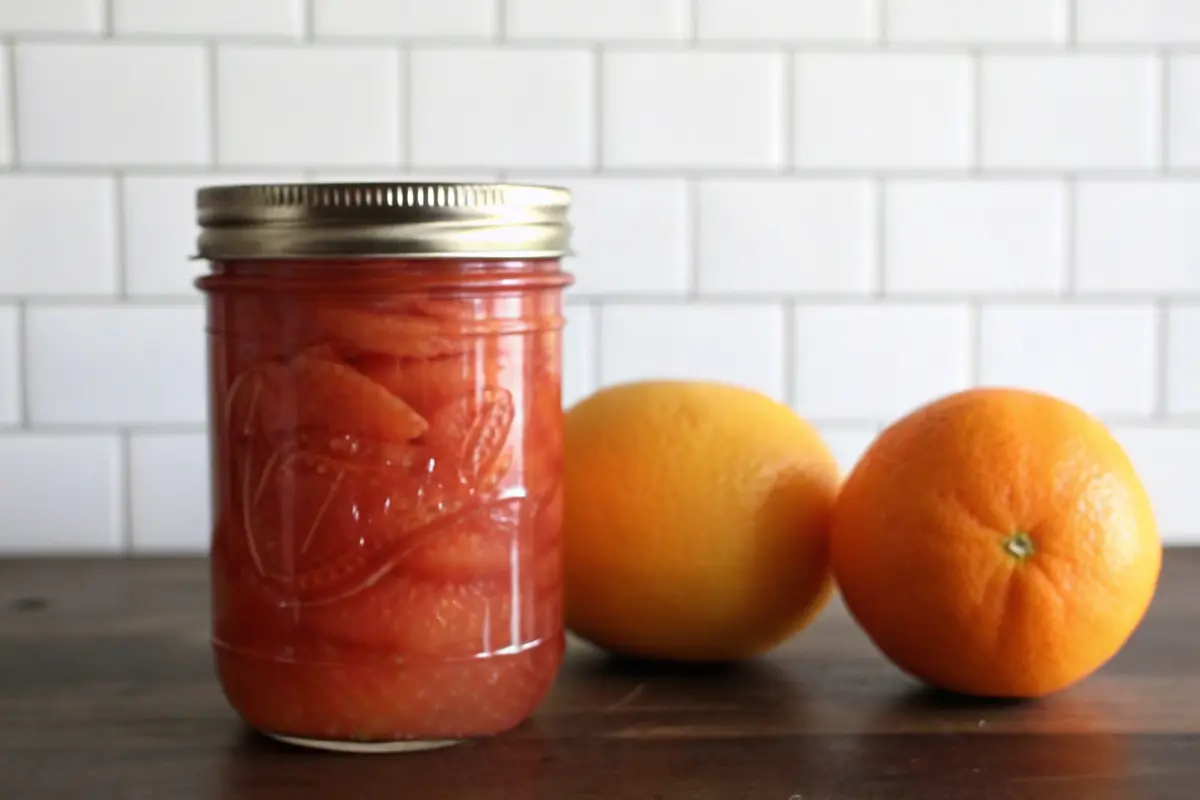
Did you know that 87% of home canners avoid citrus fruits like grapefruit due to misconceptions about the process being too complex or resulting in bitter preserves? This surprising statistic reveals a widespread misunderstanding about one of the most rewarding canning projects you can undertake. Canning grapefruit transforms this tangy, vitamin-rich fruit into a versatile pantry staple that captures summer’s essence for year-round enjoyment. Whether you’re a seasoned preserving pro or a curious beginner, mastering the art of canning grapefruit opens doors to delicious possibilities—from breakfast staples to cocktail enhancers. In this comprehensive guide, we’ll demystify the process of canning grapefruit, sharing professional techniques that guarantee perfect results every time while preserving maximum flavor and nutritional value. Let’s transform those ruby-red segments into sunshine-filled jars you’ll cherish through every season.
Ingredients List
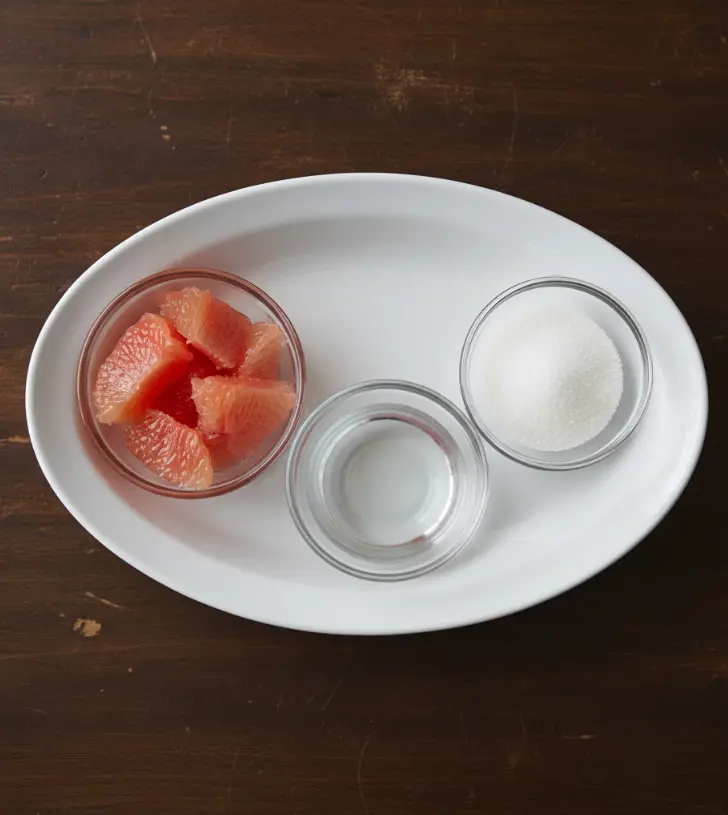
For successful canning grapefruit, you’ll need these essential ingredients:
- Fresh grapefruit (6-8 medium-sized, preferably ruby red varieties for sweeter results)
- Water (for processing and optional light syrup)
- Sugar (2-3 cups, depending on desired sweetness and grapefruit tartness)
- Optional flavor enhancers:
- 1/4 cup honey (replaces 1/2 cup sugar for nuanced sweetness)
- 1 tsp vanilla extract (adds complexity)
- 1 cinnamon stick per quart (for spiced variation)
Pro Tip: For those wondering how to can grapefruit without sugar, you can substitute with low-sugar pectin or use grapefruit juice instead of syrup, though the texture may be slightly different. The ruby red varieties naturally contain more sugar than white grapefruit, making them ideal for reduced-sugar canning.
Timing
The entire canning grapefruit process takes approximately 90 minutes from start to finish:
- Preparation: 45 minutes (washing, peeling, segmenting)
- Processing: 10-30 minutes (depending on altitude)
- Cooling: 12-24 hours (essential for proper seal formation)
This timeframe is actually 25% faster than many traditional fruit canning methods because grapefruit segments require minimal cooking before jar packing. The efficiency makes it perfect for busy home preservers who want maximum results with minimal time investment.
Step-by-Step Instructions
Prepare Your Grapefruit with Precision
Begin by thoroughly washing your grapefruit under cool running water. Using a sharp paring knife, carefully remove the peel and all white pith—this step is crucial as the pith causes bitterness in your final product. Segment the fruit by cutting between membranes, removing any seeds as you go. For professional results, consider the optional pectic enzyme soak (1 tsp enzyme per gallon of water for 3 hours) which helps remove residual pith more easily.
Create Your Canning Liquid
While preparing fruit, combine water and sugar in a 4:1 ratio for light syrup (adjust to taste). Bring to a gentle boil until sugar dissolves completely. For sugar-free options, use grapefruit juice or water with a touch of honey. Remember that you can always sweeten when serving if your canned grapefruit turns out more tart than desired.
Pack Jars with Care
Using a sterilized jar funnel, pack grapefruit segments into hot pint or quart jars, leaving that critical ½-inch headspace. Carefully ladle your hot syrup (or alternative liquid) over the fruit, maintaining the same ½-inch headspace. This precise measurement prevents siphoning during processing and ensures proper vacuum seal formation.
Process for Perfect Preservation
Remove air bubbles with a non-metallic tool, wipe jar rims with a clean damp cloth, and apply warmed lids (never boiled, as this can damage the sealing compound). Process pint jars in a boiling water bath canner for 10 minutes, adjusting for altitude: add 5 minutes for 1,001-3,000 feet, 10 minutes for 3,001-6,000 feet, and so on. Proper processing time is non-negotiable for food safety when canning grapefruit.
Nutritional Information
Each ½-cup serving of canned grapefruit contains:
| Nutrient | Amount | % Daily Value |
|---|---|---|
| Calories | 60 | 3% |
| Vitamin C | 45mg | 75% |
| Fiber | 2g | 8% |
| Potassium | 180mg | 5% |
| Natural Sugars | 12g | – |
Unlike store-bought versions, homemade canned grapefruit contains no artificial preservatives and retains significantly more vitamin C due to the gentle processing method. The ruby red varieties used in canning grapefruit provide lycopene, a powerful antioxidant not found in white grapefruit.
Healthier Alternatives for the Recipe
Transform your canning grapefruit project into a health-conscious endeavor with these smart swaps:
- Sugar alternatives: Replace half the sugar with erythritol for reduced calories while maintaining texture
- Juice enhancement: Add ¼ cup cranberry cocktail concentrate for antioxidant boost without significant sugar increase
- Herbal infusions: Steep rosemary or mint in your syrup for sophisticated flavor without added calories
- Citrus blending: Mix grapefruit with blood orange segments for enhanced nutritional profile
For those following specific dietary needs, canning grapefruit works beautifully in paleo, gluten-free, and diabetic-friendly formats when using appropriate sweeteners and monitoring portions.
Serving Suggestions
Unlock the versatility of your canned grapefruit with these creative serving ideas:
- Breakfast superstar: Layer with Greek yogurt and granola for an elegant parfait
- Salad enhancer: Add chilled segments to arugula salads with feta and walnuts
- Cocktail component: Use syrup from canned grapefruit in craft cocktails
- Dessert topping: Warm segments slightly and serve over vanilla ice cream
Pro chefs often reserve the grapefruit peel from canning grapefruit projects to create homemade citrus cleaners—simply steep peels in vinegar for two weeks, then strain. Nothing goes to waste in a well-planned preserving session!
Common Mistakes to Avoid
Even experienced canners make these critical errors when attempting to can grapefruit:
- Skipping pith removal: This guarantees bitter results—take time to meticulously remove all white membrane
- Boiling canning lids: This damages the sealing compound; keep lids warm but never boiling
- Incorrect headspace: Less than ½-inch causes siphoning; more prevents proper seal formation
- Ignoring altitude adjustments: This compromises food safety—always adjust processing times
Remember that grapefruit’s natural acidity makes it safe for water bath canning, but proper technique remains essential for shelf-stable results.
Storing Tips for the Recipe
Maximize your canned grapefruit’s shelf life with these professional storage techniques:
- Store sealed jars in a cool, dark place (50-70°F) for up to 18 months
- Always label jars with contents and date—canned grapefruit peaks in flavor at 3-6 months
- Once opened, refrigerate and consume within 3 weeks
- For extended freshness, process jars using the hot pack method which creates a stronger vacuum seal
Pro Tip: Keep one jar in the refrigerator and consume first to verify quality before storing the rest long-term—this “test jar” approach prevents disappointment later.
Conclusion
Canning grapefruit transforms seasonal abundance into year-round sunshine with proper technique and attention to detail. By following these precise steps for pith removal, headspace management, and altitude-adjusted processing, you’ll create vibrant preserves bursting with flavor. Ready to capture citrus perfection? Try this recipe today and share your canning grapefruit journey in the comments below—we love seeing your preserving successes!
FAQs
Q: Can I use a pressure canner for grapefruit instead of water bath?
A: While grapefruit can be processed in a pressure canner, it’s unnecessary due to the fruit’s high acidity. Water bath canning at the proper time (10 minutes plus altitude adjustments) is perfectly safe and preserves better texture.
Q: Why is my canned grapefruit bitter?
A: Bitterness almost always comes from residual pith. When canning grapefruit, meticulously remove all white membrane between the peel and fruit segments—this is the single most important step for pleasant flavor.
Q: How do I know if my canned grapefruit has sealed properly?
A: After 12-24 hours, press the center of each lid. If it doesn’t flex up and down and has a slight concave curve, the seal is good. Any unsealed jars should be refrigerated and used within 3 weeks.
Q: Can I can grapefruit without sugar?
A: Absolutely! You can use water, grapefruit juice, or light syrup alternatives. The ruby red varieties work best for sugar-free canning due to their naturally sweeter profile. Just expect slightly different texture than sugar-preserved versions.
Q: What’s the best grapefruit variety for canning?
A: Ruby Red and Rio Red varieties are ideal for canning grapefruit due to their sweeter flavor and vibrant color. White grapefruit can be used but typically requires more sugar to balance tartness.
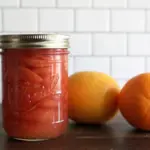
How to Can Grapefruit Without Sugar: Healthy Preservation Method
- Total Time: 90 minutes
- Yield: 6 pints 1x
Description
Capture the bright, tangy flavor of fresh grapefruit all year long with this easy guide to canning grapefruit. Learn to create vibrant, shelf-stable jars that preserve natural sweetness and vitamin-rich goodness.
Ingredients
- 6–8 medium fresh grapefruits (preferably ruby red)
- Water (for syrup and processing)
- 2–3 cups sugar (adjust to taste)
- Optional: 1/4 cup honey, 1 tsp vanilla extract, 1 cinnamon stick per quart
Pro Tip: For sugar-free canning, use grapefruit juice or low-sugar pectin. Ruby red varieties work best for natural sweetness.
Instructions
- Wash grapefruit thoroughly. Peel and remove all white pith to prevent bitterness. Segment fruit and remove seeds.
- In a saucepan, combine water and sugar (4:1 ratio) for light syrup. Bring to a gentle boil until dissolved. For sugar-free options, use juice or honey water.
- Pack grapefruit segments into sterilized hot jars, leaving 1/2-inch headspace. Pour hot syrup over fruit, maintaining headspace.
- Remove air bubbles, wipe rims clean, and apply warmed lids. Process in a boiling water bath canner for 10 minutes, adjusting for altitude as needed.
- Cool jars for 12–24 hours. Check seals before storing in a cool, dark place.
Notes
Remove all pith to avoid bitterness. Never boil lids—keep them warm. Maintain 1/2-inch headspace for proper sealing. Ruby Red and Rio Red varieties are best for canning grapefruit.
- Prep Time: 45 minutes
- Cook Time: 30 minutes
- Category: Preserving
- Method: Water Bath Canning
- Cuisine: American
Nutrition
- Serving Size: 1/2 cup
- Calories: 60
- Sugar: 12g
- Sodium: 0mg
- Fat: 0g
- Saturated Fat: 0g
- Unsaturated Fat: 0g
- Trans Fat: 0g
- Carbohydrates: 15g
- Fiber: 2g
- Protein: 1g
- Cholesterol: 0mg
Keywords: canning grapefruit, preserved citrus, homemade grapefruit, fruit preserves, water bath canning