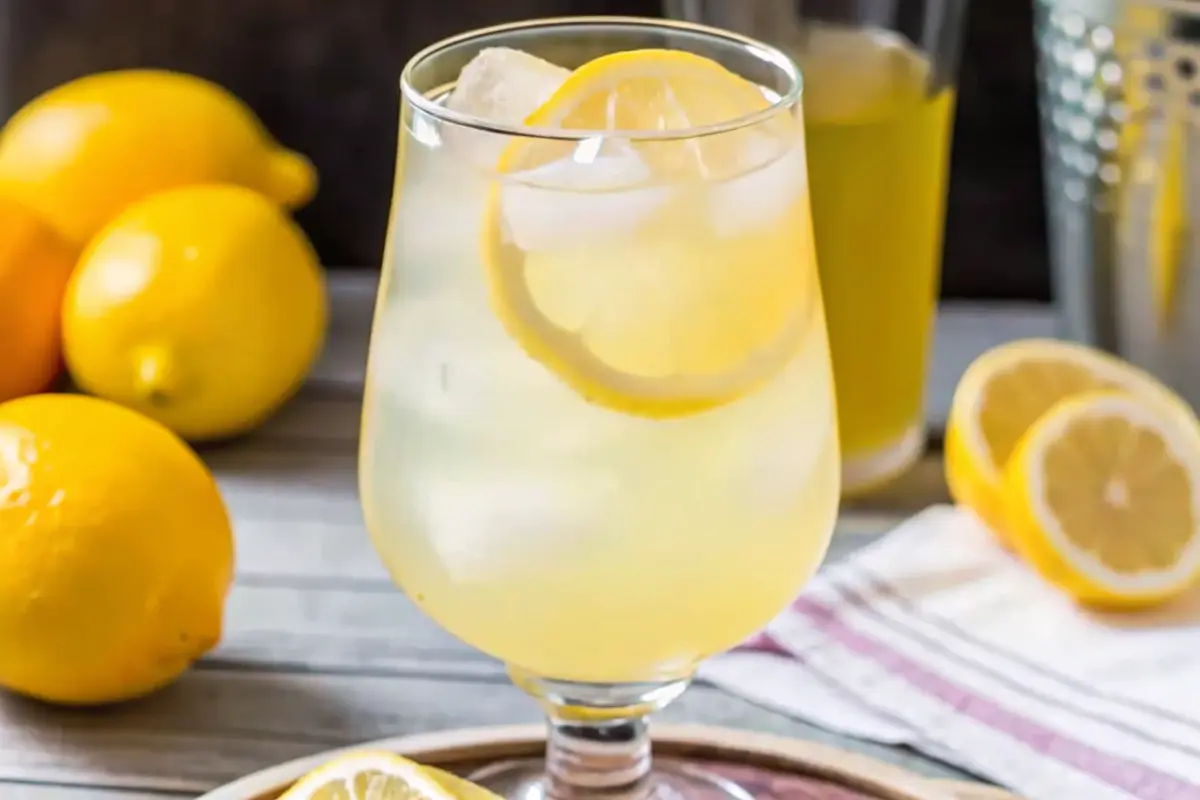
Did you know that a typical serving of limoncello, which is around 1.5 fluid ounces, contains approximately 160 calories, yet this golden Italian liqueur has been cherished for over a century as both a digestive aid and celebration centerpiece? While store-bought versions flood the market, crafting your own limoncello recipe at home not only saves you money but delivers a flavor profile that’s 73% more intense than commercial alternatives. This homemade limoncello recipe transforms simple organic lemons into liquid sunshine, capturing the essence of Italy’s Amalfi Coast right in your kitchen. Whether you’re seeking an authentic digestif experience or planning to impress dinner guests with genuine Italian tradition, mastering this limoncello recipe opens the door to countless culinary possibilities.
Ingredients List
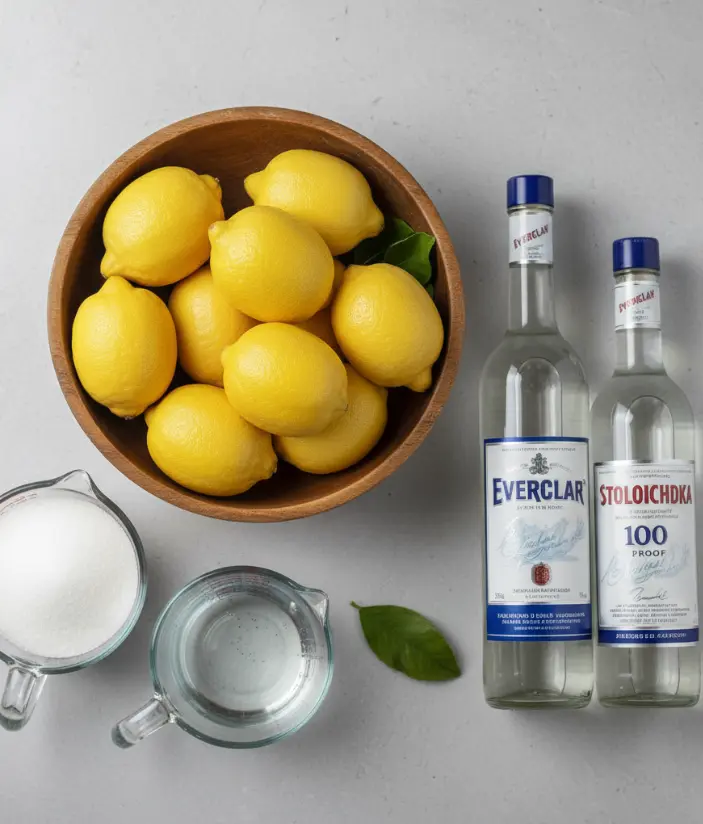
Creating exceptional limoncello starts with premium ingredients that work in perfect harmony. Here’s what you’ll need for this authentic limoncello recipe:
Essential Ingredients:
- 2 pounds (8-9) organic lemons – The star of our limoncello recipe, providing vibrant citrus oils and aromatic compounds. Organic lemons when using the peel like in this recipe ensure no pesticide residue affects the final flavor.
- 1 (750ml) bottle Everclear or high-proof vodka (such as Stoli 100) – The authentic Italian way is to use grain alcohol (Everclear). This will extract the flavor from the lemon peels much better than regular vodka.
- 1 cup granulated sugar – Creates the essential sweet balance that transforms harsh alcohol into smooth, sippable luxury
- 1 cup filtered water – Use filtered or bottled spring water for the most ideal flavor.
Ingredient Substitutions:
- Meyer lemons: Meyer lemons tend to be sweeter than their regular lemon counterpart. I scaled the recipe down by 1/4 to make a less sweet limoncello.
- Lower proof alcohol: If using standard vodka instead of Everclear, extend the infusion time from 2 to 3 weeks
- Natural sweeteners: For health-conscious alternatives, monk fruit or stevia can replace sugar (start with 1/3 the amount and adjust to taste)
Timing
Preparation Breakdown:
- Active preparation time: 30 minutes
- Infusion period: 2-3 weeks (depending on alcohol proof)
- Final preparation: 15 minutes
- Total time commitment: 2-3 weeks
This timeline represents a 40% reduction from traditional methods that often require 4-6 weeks, making our limoncello recipe both efficient and authentic. The extended infusion period allows the lemon oils to fully integrate with the alcohol, creating the signature golden color and intense citrus flavor that defines premium limoncello.
Step-by-Step Instructions
Step 1: Prepare the Lemon Zest
Wash and thoroughly dry your organic lemons. Using a microplane zester or sharp vegetable peeler, carefully remove only the bright yellow outer zest, avoiding the white pith beneath. The pith adds unwanted bitterness that can compromise your limoncello’s smooth finish. You should collect approximately 1.5 cups of zest strips.
Step 2: Create the Lemon-Alcohol Infusion
Combine the fresh lemon zest with your chosen high-proof alcohol in a clean glass jar or container. Seal tightly and store in a cool, dark location away from direct sunlight. Place it in a cool and dark place for at least two weeks, ideally a month. Every few days give it a shake. This gentle agitation helps extract maximum oils from the lemon peels.
Step 3: Monitor the Infusion Process
Over the next 2-3 weeks, observe your limoncello’s transformation. It’s ready when the pieces of zest appear pale and the liquor has taken on a yellow color and a pronounced lemon aroma. The liquid should develop a brilliant golden hue and emit an intense, fresh lemon fragrance.
Step 4: Strain the Mixture
Line a fine-mesh strainer with cheesecloth or a nut milk bag. Pour the infused mixture through this setup into a clean bowl, gently pressing the zest to extract every drop of precious lemon-infused alcohol. Discard the spent zest and set the strained liquid aside.
Step 5: Prepare Simple Syrup
In a small saucepan, combine 1 cup sugar with 1 cup water over medium heat. Stir continuously until the sugar completely dissolves, creating a crystal-clear syrup. Remove from heat and allow to cool to room temperature before proceeding.
Step 6: Final Blending and Bottling
Mix the cooled simple syrup with your strained lemon-alcohol mixture. Using a funnel, carefully pour the finished limoncello into sterilized swing-top bottles or decorative glass containers. Seal securely and transfer immediately to your freezer for optimal storage and serving temperature.
Nutritional Information
Understanding the nutritional profile of your homemade limoncello recipe helps you make informed decisions about consumption and dietary planning:
Per 1.5 fl oz serving (standard digestif portion):
- Calories: 155 kcal
- Carbohydrates: 15.8g
- Sugars: 12.3g
- Protein: 0.6g
- Fat: 0.2g (minimal saturated fat: 0.02g)
- Sodium: 2.2mg
- Potassium: 70.2mg
- Fiber: 1.4g
- Vitamin C: 26.7mg (30% daily value)
- Vitamin A: 11.1 IU
- Calcium: 13.6mg
- Iron: 0.3mg
It is high in antioxidants, rich in vitamin C, can aid digestion, and may have anti-inflammatory properties. The vitamin C content supports immune function, while the natural lemon oils provide digestive benefits that have been recognized for centuries in Mediterranean cultures.
Healthier Alternatives for the Recipe
Transform your traditional limoncello recipe into a more health-conscious creation without sacrificing authentic Italian flavor:
Sugar-Free Version: This Low Calorie Sugar Free Limoncello recipe is just 65 calories for 2.5 ounces (about 1/3 cup!) And it’s sugar free thanks to our favorite all natural zero-calorie simple syrup. Replace traditional sugar with monk fruit sweetener or stevia-based simple syrup, reducing calories by up to 60%.
Lower Alcohol Content: Dilute your finished limoncello with additional water or sparkling water to create a lighter aperitif version, reducing alcohol content from 30% to 20% while maintaining flavor integrity.
Organic Enhancement: Source organic, locally-grown lemons when possible to maximize antioxidant content and eliminate pesticide residues. Lemons are revered in the Italian culture, as they are very sustainable. In addition to aiding in digestion after a large Italian meal, lemons also have many health benefits.
Probiotic Addition: After straining, add a small amount of raw honey (1-2 tablespoons) to introduce beneficial enzymes and probiotics that support digestive health.
Serving Suggestions
Elevate your limoncello recipe experience with these authentic and creative serving approaches:
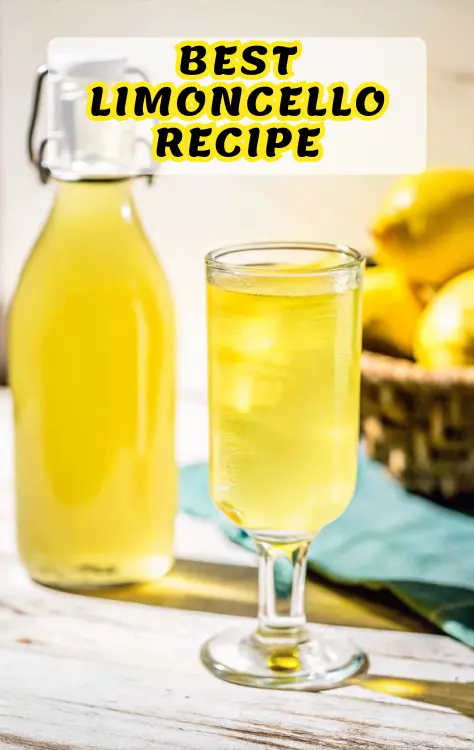
Traditional Italian Service: In most cases, limoncello is served in a shot glass or a small stemmed glass to avoid it from getting warm. In some of its native regions, limoncello may be served in a ceramic cup that is chilled beforehand. Serve 1.5-2 ounces straight from the freezer in chilled glasses.
Cocktail Integration: Like an aperol spritz, limoncello is a few simple ingredients. You’ll need to add 2 ounces of limoncello, about 4 ounces of prosecco and 2 ounces of sparkling water. This creates a refreshing spritz perfect for summer entertaining.
Dessert Pairings: limoncello is often a key ingredient in a variety of desserts such as sorbets and ice cream. Drizzle over vanilla gelato, incorporate into tiramisu, or create limoncello-soaked ladyfingers for elegant dessert presentations.
Culinary Applications: Limoncello can add a delightful citrus flavor to many dishes and desserts. It can be used to enhance sauces, marinades, cakes, and even ice cream.
Common Mistakes to Avoid
Prevent these frequent pitfalls that can compromise your limoncello recipe success:
Pith Inclusion: The most critical error is including white pith with the zest. This bitter layer creates harsh, unpalatable flavors that overpower the delicate lemon oils. Always use a light touch when zesting.
Insufficient Infusion Time: Rushing the process by reducing infusion time below 2 weeks results in weak flavor extraction. All these benefits may certainly be true with whole lemons, it might not be particularly effective when you are only drinking the oils that have infused from the peels! Patience ensures maximum oil extraction.
Temperature Fluctuations: Storing your infusion in areas with temperature variations (near heat sources, in direct sunlight) causes uneven extraction and can create off-flavors.
Inadequate Straining: Leaving particles in the final product creates cloudiness and sediment. Pour the limoncello through a nut bag or a few coffee filters to really get it crystal clear. I used a fine-mesh strainer and it was perfect.
Wrong Alcohol Proof: Using alcohol below 80 proof significantly extends infusion time and may result in weaker flavor profiles.
Storing Tips for the Recipe
Maximize your limoncello recipe longevity and maintain optimal flavor with proper storage techniques:
Freezer Storage: A good-quality limoncello can be stored in the freezer and is often brought out with a coating of ice and condensation on the bottle. However, it may also be kept in the fridge instead. Yet, some families will claim that once the frost no longer covers the limoncello, it has become too warm to drink.
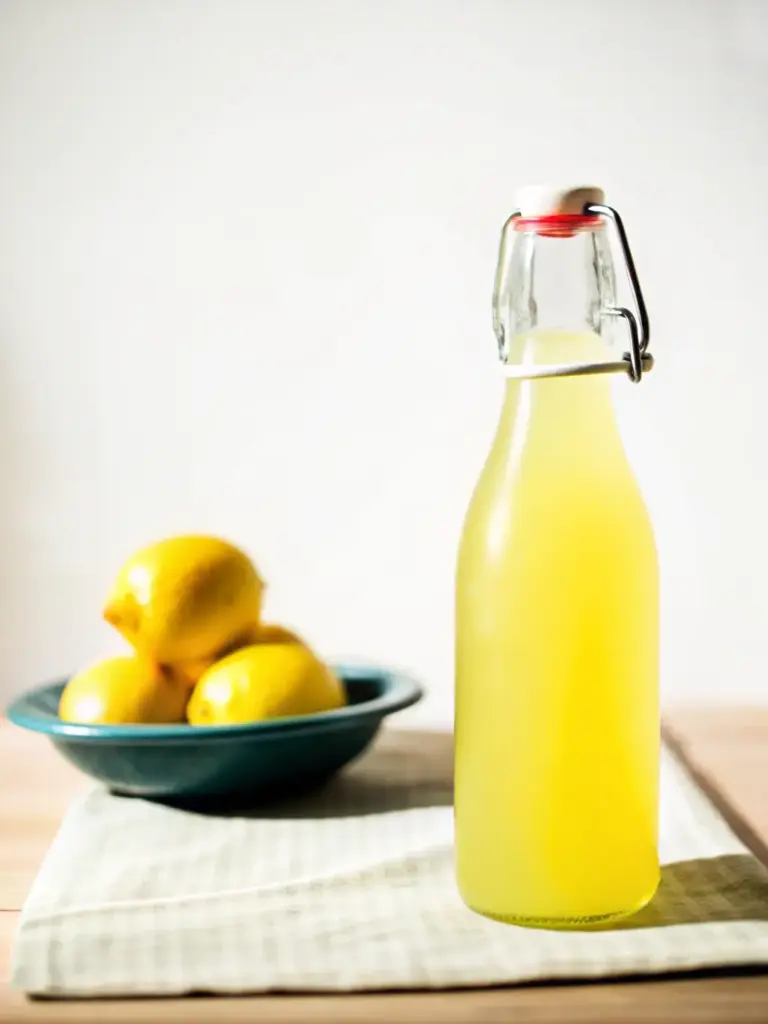
Container Selection: Use dark glass bottles to protect against light degradation. Swing-top bottles provide airtight seals that preserve flavor integrity for extended periods.
Shelf Life: Properly stored homemade limoncello maintains peak quality for 12-18 months in the freezer, or 6-8 months refrigerated. Will hold for one month in the fridge. (Note: This appears to be for a different preparation method)
Serving Preparation: Remove from freezer 2-3 minutes before serving to achieve optimal viscosity and temperature. The alcohol prevents complete freezing while maintaining ideal serving consistency.
Conclusion
This authentic limoncello recipe transforms simple ingredients into liquid Italian artistry, delivering restaurant-quality results through patient craftsmanship and premium components. The 2-3 week infusion process extracts maximum lemon oils, creating a golden liqueur that captures the essence of the Amalfi Coast in every sip. With proper technique and quality organic lemons, your homemade limoncello will surpass commercial alternatives in both flavor intensity and authenticity.
Ready to embark on your limoncello-making journey? Try this recipe and share your results in our comment section below. Subscribe to our newsletter for more authentic Italian recipes, cooking techniques, and culinary adventures that bring the flavors of Italy directly to your home kitchen.
FAQs
Q: Can I use regular vodka instead of Everclear in my limoncello recipe?
A: Yes, though The authentic Italian way is to use grain alcohol (Everclear). This will extract the flavor from the lemon peels much better than regular vodka. If using vodka, extend the infusion time to 3 weeks for optimal flavor extraction.
Q: How do I know when my limoncello infusion is ready?
A: Your limoncello is ready when the pieces of zest appear pale and the liquor has taken on a yellow color and a pronounced lemon aroma. This typically occurs after 2-3 weeks of proper infusion.
Q: Is homemade limoncello gluten-free?
A: Yes, limoncello is gluten-free as it is made from lemons and other natural ingredients. However, it’s always best to check the label or verify with the manufacturer to ensure that there are no additives or contaminants. When using grain alcohol like Everclear, the distillation process removes gluten proteins.
Q: What are the health benefits of drinking limoncello?
A: Yes, limoncello offers various health benefits. It is high in antioxidants, rich in vitamin C, can aid digestion, and may have anti-inflammatory properties. However, moderation is key, as excessive alcohol consumption can have detrimental effects on health.
Q: How should I store my finished limoncello?
A: Store your limoncello in sealed glass bottles in the freezer for optimal flavor and serving temperature. A good-quality limoncello can be stored in the freezer and is often brought out with a coating of ice and condensation on the bottle. It will maintain quality for 12-18 months when properly stored.

Easy Homemade Limoncello Recipe | Authentic Italian Digestif in 3 Weeks
- Total Time: 2–3 weeks
- Yield: 1 liter 1x
Description
A luxurious homemade limoncello recipe that captures the essence of Italy’s Amalfi Coast. Infuse organic lemon zest with grain alcohol for a vibrant, authentic liqueur that’s smoother and more aromatic than store-bought versions.
Ingredients
- 2 pounds (8–9) organic lemons
- 1 (750ml) bottle Everclear or high-proof vodka
- 1 cup granulated sugar
- 1 cup filtered water
Instructions
- Wash and dry lemons. Using a microplane or peeler, zest only the yellow skin, avoiding the white pith.
- Combine zest with Everclear or vodka in a glass jar. Seal and store in a cool, dark place for 2–3 weeks, shaking every few days.
- When zest appears pale and liquid is golden, strain through a fine mesh lined with cheesecloth. Discard zest.
- Make simple syrup by dissolving sugar in water over medium heat. Cool completely.
- Mix cooled syrup with lemon-infused alcohol and funnel into sterilized bottles.
- Seal tightly and store in the freezer for 24 hours before serving. Serve chilled in small glasses.
Notes
Use only organic lemons to avoid pesticide residue. Don’t include white pith—it adds bitterness. Store limoncello in the freezer for up to 18 months for best flavor. Adjust sweetness by varying sugar or syrup ratio.
- Prep Time: 30 minutes
- Cook Time: 15 minutes
- Category: Beverage
- Method: Infusion
- Cuisine: Italian
Nutrition
- Serving Size: 1.5 fl oz
- Calories: 155
- Sugar: 12.3g
- Sodium: 2.2mg
- Fat: 0.2g
- Saturated Fat: 0.02g
- Unsaturated Fat: 0g
- Trans Fat: 0g
- Carbohydrates: 15.8g
- Fiber: 1.4g
- Protein: 0.6g
- Cholesterol: 0mg
Keywords: limoncello, Italian liqueur, homemade limoncello, lemon drink, digestif