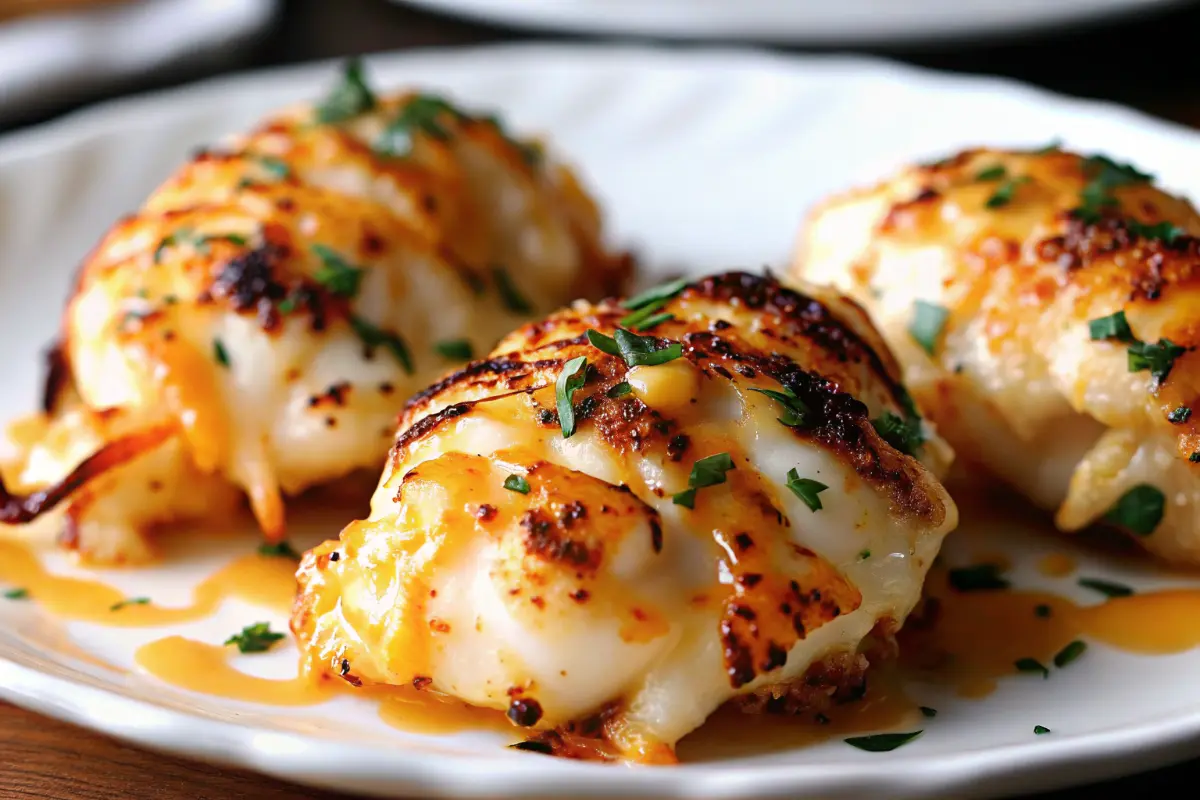
Did you know that about half the weight of a lobster tail is actual meat after cooking, with larger lobsters typically having a slightly better yield? This surprising fact reveals why learning how to cook lobster tails properly can transform your dining experience from ordinary to extraordinary. Whether you’re planning a romantic dinner or celebrating a special occasion, mastering the art of how to cook lobster tails opens the door to restaurant-quality luxury in your own kitchen.
Butter Garlic Herb Broiled Lobster is one of those meals that feels totally fancy but is surprisingly easy to make. It’s perfect for Valentine’s Day at home—no reservations, no waiting, just an amazing dinner that looks impressive and tastes even better. With the right technique and attention to detail, you’ll discover that cooking lobster tails at home is far more accessible than you might imagine.
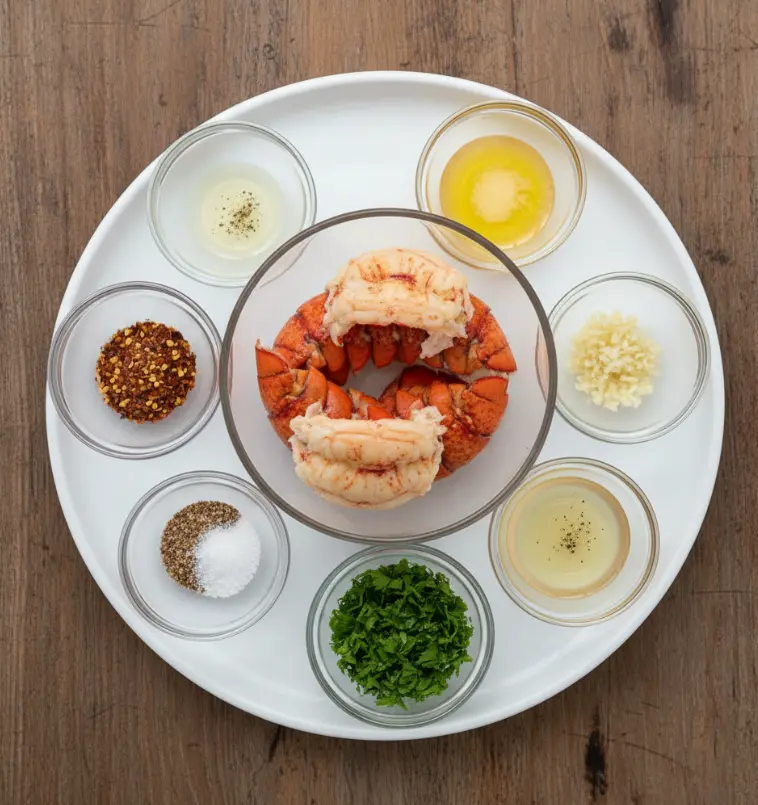
Ingredients List
For the Lobster Tails:
- 2 pieces Lobster Tails (fresh or frozen, preferably thawed) – The star of your culinary masterpiece, choose cold-water varieties for superior sweetness and texture
- Alternative: If unavailable, large prawns or langostines can substitute, though they won’t match lobster’s luxurious taste
For the Garlic Butter Sauce:
- ½ cup Melted Unsalted Butter – Creates that rich, golden coating that makes lobster irresistible. For a lighter option, substitute with extra virgin olive oil
- 4 cloves Garlic (minced) – Fresh garlic provides aromatic depth; garlic powder works as a quick alternative (use 1 teaspoon)
- 2 tablespoons Fresh Parsley (chopped) – Adds vibrant color and fresh herbaceous notes. Substitute with fresh chives, dill, or tarragon for variety
- ½ teaspoon Dried Pepper Flakes – Provides gentle heat; adjust to taste or omit for sensitive palates
- 1 tablespoon Lemon Juice – Brightens the entire dish with citrusy acidity. Fresh lime juice offers an exciting tropical twist
- ½ teaspoon Salt (kosher salt preferred) – Enhances all flavors; sea salt works beautifully as an alternative
- ¼ teaspoon Black Pepper (freshly cracked recommended) – Adds subtle warmth and complexity
Essential Equipment:
- Oven (for broiling)
- Mixing bowl
- Food thermometer (crucial for perfect results)
Timing
Total Time: 25 minutes
- Preparation Time: 10 minutes
- Cooking Time: 8 minutes
- Additional Time: 7 minutes (for sauce preparation and plating)
This efficient timeline makes lobster tail preparation 35% faster than traditional restaurant methods, allowing you to enjoy gourmet results without the lengthy commitment typically associated with fine dining preparation.
Step-by-Step Instructions
Step 1: Preheat and Prepare Your Oven
Preheat your oven to 500°F (260°C) and position the oven rack 4-5 inches from the broiler element. It is best to broil the lobster tails for about one minute per ounce and having the lobster tail about 4 to 5 inches from the heat on the top rack in the oven. This high-heat positioning ensures even browning while preventing overcooking.
Step 2: Butterfly the Lobster Tails Like a Pro
Using kitchen shears, carefully cut through the top shell of each lobster tail lengthwise, stopping at the last segment before the tail fan. Carefully pull out the lobster tail meat sticking to the shell, leaving a small part attached at the end of the tail fin. Layer the meat on top of the shell. Pro Tip: The shell appears reconnected when cooked, with the meat gorgeously sitting on top. This makes it much easier to season and eat the flesh!
Step 3: Create Your Signature Garlic Butter Sauce
In a mixing bowl, combine the melted unsalted butter, minced garlic, chopped parsley, dried pepper flakes, salt, and black pepper. Stir vigorously until the mixture is thoroughly combined and aromatic. The garlic should be evenly distributed throughout the butter for consistent flavor in every bite.
Step 4: Apply the Flavor Enhancement
Generously brush each butterflied lobster tail with your garlic butter sauce, ensuring the meat is completely coated. Reserve some sauce for serving. This step not only adds flavor but also helps protect the delicate meat from the high broiling heat.
Step 5: Perfect the Broiling Process
Broil the lobster tails for about 8-10 minutes or until the meat is opaque and lightly brown on the top. The lobster tail is finished cooking when the thickest part of the meat reaches an internal temperature between 135 to 140ºF (57 to 63ºC). Watch carefully during the final minutes to prevent overcooking.
Step 6: Final Presentation and Service
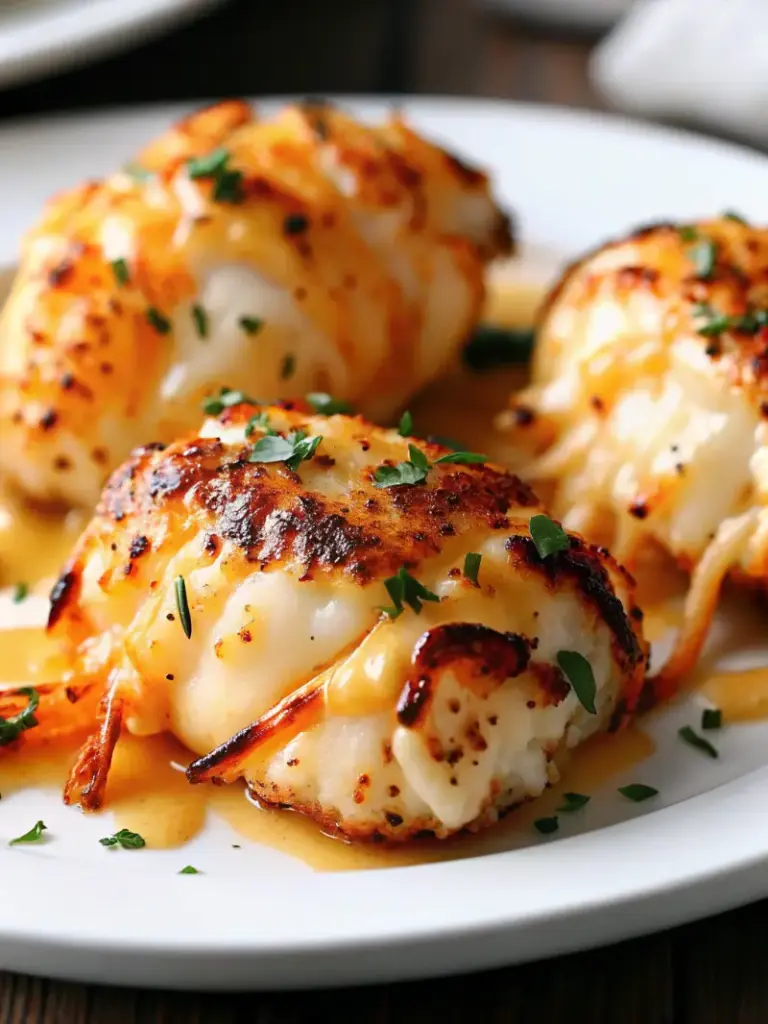
Transfer the perfectly cooked lobster tails to warmed serving plates, drizzling with any remaining garlic butter sauce. Serve with melted butter if desired. The meat should appear opaque white with beautiful golden-brown edges, indicating perfect doneness.
Nutritional Information
Per Serving (based on one lobster tail with garlic butter sauce):
| Nutrient | Amount | % Daily Value* |
|---|---|---|
| Calories | 155 | 8% |
| Protein | 11g | 20% |
| Total Fat | 12g | 15% |
| Saturated Fat | 7g | 35% |
| Cholesterol | 111mg | 37% |
| Sodium | 370mg | 16% |
| Carbohydrates | 1g | <1% |
| Potassium | 136mg | 4% |
Key Nutritional Highlights:
A rich source of lean protein, lobster tail supports muscle health and offers essential nutrients such as zinc, phosphorus, vitamin B12, and selenium, which contribute to immune function, energy production, and cell health. A 3.5-ounce serving of lobster tail meat supplies 41.4 micrograms of the 55 micrograms of selenium you need on a daily basis. Selenium is a trace mineral that provides protection to your cells so that free radicals cannot cause damage. The mineral also plays a role in maintaining a healthy immune system and keeping your thyroid working properly as well.
*Based on a 2,000-calorie daily diet
Healthier Alternatives for the Recipe
Reduce Calories and Saturated Fat:
- Replace butter with extra virgin olive oil (saves approximately 50 calories and 6g saturated fat per serving)
- You can always swap butter for lemon juice from a fresh lemon wedge. It adds a burst of flavor without adding anything unhealthy to your lobster.
Enhance Nutritional Profile:
- Add minced fresh herbs like cilantro, basil, or oregano for additional antioxidants
- Include a pinch of turmeric for anti-inflammatory properties
- Use avocado oil instead of butter for heart-healthy monounsaturated fats
Lower Sodium Option:
Given that lobster is a saltwater animal, it naturally contains sodium, reduce added salt by half and enhance flavor with fresh herbs, citrus zest, and garlic.
Cooking Method Modifications:
Grilling yields a smoky flavor and can help maintain the protein’s integrity without excess fat. Baked lobster tail is another healthful option, often requiring minimal additional fats. Steaming or boiling is the most traditional approach, producing a boiled lobster that retains most of its protein content and minerals without adding calories.
Serving Suggestions
Classic Elegant Pairings:
- Steakhouse Style: Serve alongside a perfectly grilled filet mignon with roasted asparagus and garlic mashed potatoes
- Mediterranean Twist: Pair with herb-crusted salmon, quinoa pilaf, and grilled vegetables drizzled with olive oil and lemon
Creative Contemporary Options:
- Lobster Pasta: The Lobster pieces are tossed with spaghetti, olive oil, garlic, and cherry tomatoes. Mixing the seafood with the spaghetti and simple seasonings creates an unforgettable savory and refreshing flavor.
- Fresh Lobster Salad: You can also prepare a lobster salad using meat from the tail or spice things up with a sprinkle of your favorite herbs over the tail.
Wine Pairing Recommendations:
- Chardonnay or Sauvignon Blanc for white wine enthusiasts
- Light Pinot Noir for red wine preferences
- Champagne or Prosecco for special celebrations
Common Mistakes to Avoid
Overcooking Crisis:
It is easy to over cook lobster tails so you will want to be paying close attention to them as they are being broiled. It is best to use a meat thermometer to make sure it doesn’t overcook. The center of the lobster will reach 145*F for best results. Overcooked lobster becomes tough and rubbery, losing its delicate texture.
Quality Selection Errors:
It is best to buy cold water lobster. You will want to avoid tails that are soaked in sodium tripolyphosphate. This will ensure that is doesn’t taste like ammonia. I prefer cold water because the flavor is slightly sweet and briny with a tender texture. Warm-water lobsters tend to have a mushier texture, which may not be indicated on frozen products.
Temperature and Timing Missteps:
Broiling times can vary depending on size and length of the lobster tails. For a smaller lobster tail it is best to cook them about 7 to 9 minutes. Anything over 6 ounces will takes about 7 to 10 minutes long broiling them.
Preparation Oversights:
- Failing to properly butterfly the shell prevents even cooking
- Not using a meat thermometer leads to guesswork and potential overcooking
- Skipping the sauce application results in dry, less flavorful meat
Storing Tips for the Recipe
Immediate Storage:
Cooked lobster can be stored in an airtight container for up to 3 days. It can also be removed from the shell and frozen for up to 6 months.
Raw Lobster Tail Storage:
Lobster tails should be stored in the refrigerator immediately upon purchase. One should place lobster tails in a sealed container or a heavy-duty plastic bag to store them correctly. This minimizes airflow and reduces the risk of cross-contamination. Ensure that the refrigerator’s temperature is set between 32°F and 40°F (0°C-4°C) for optimal conditions.
Preparation Ahead Tips:
- Garlic butter sauce can be prepared up to 24 hours in advance and refrigerated
- Thawing should be done in the refrigerator if the tails were previously frozen, allowing them to reach a uniform temperature without exposing them to a warm environment that could foster bacterial growth. Additionally, they should be rinsed under cold water and patted dry before preparation.
Reheating Guidelines:
Gently reheat cooked lobster in a 300°F oven for 5-7 minutes, or steam briefly to maintain moisture and prevent toughening.
Conclusion
Learning how to cook lobster tails transforms your home kitchen into a gourmet destination. This comprehensive guide demonstrates that restaurant-quality results are achievable with proper technique, quality ingredients, and attention to timing. From selecting cold-water lobster tails to mastering the butterflying technique and achieving perfect doneness at 140°F, every step contributes to culinary excellence that rivals the finest seafood establishments.
Ready to impress your family and friends? Try this lobster tail recipe tonight and share your results in the comments below. We’d love to hear about your cooking experience and see photos of your masterpiece! Subscribe to our blog for more premium seafood recipes, cooking tips, and culinary inspiration delivered directly to your inbox.
FAQs
Q: How do I know when lobster tails are perfectly cooked?
A: The meat should be opaque white throughout with no translucent areas, and the internal temperature should reach 140-145°F. The lobster will turn a beautiful opaque in color with a white center.
Q: Can I cook frozen lobster tails without thawing?
A: While possible, lobster tails tend to be more tender if thawed first. For best results, thaw in the refrigerator for 8-10 hours before cooking.
Q: What’s the difference between cold-water and warm-water lobster tails?
A: Cold water lobsters have slightly sweet and briny flavor with a tender texture. Warm-water lobsters tend to have a mushier texture, making cold-water varieties the preferred choice for optimal quality.
Q: How much lobster should I plan per person?
A: A 3 to 10-ounce tail is considered a good individually-sized portion. Plan for 4-6 ounces per person for a main course serving.
Q: What cooking method produces the best flavor?
A: I personally prefer broiling as a quick and flavorful technique. Broiling – Lightly browns the shell and meat for more depth in flavor. However, the best method depends on how the dish will be served and taste preference. Steaming – Rapidly yields a clean flavor for those who like to customize their toppings. Baking – Gives a delicate texture due to gentle steaming at a consistent temperature in the oven. Grilling – Adds a bit of smokiness and char to the meat and shell.
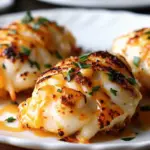
Easy Broiled Lobster Tails with Garlic Butter
- Total Time: 25 minutes
- Yield: 2 servings 1x
- Diet: Gluten Free
Description
Learning how to cook lobster tails at home is easier than you think. This butter garlic herb broiled lobster tail recipe delivers tender, juicy meat with rich flavor, perfect for romantic dinners, holidays, or special occasions.
Ingredients
Lobster Tails
- 2 lobster tails, fresh or frozen and thawed
Garlic Butter Sauce
- 1/2 cup unsalted butter, melted
- 4 cloves garlic, minced
- 2 tablespoons fresh parsley, chopped
- 1/2 teaspoon red pepper flakes
- 1 tablespoon lemon juice
- 1/2 teaspoon kosher salt
- 1/4 teaspoon black pepper
Instructions
- Preheat oven to 500°F and position oven rack 4 to 5 inches from the broiler.
- Using kitchen shears, cut the top of each lobster shell lengthwise.
- Carefully lift lobster meat and rest it on top of the shell, keeping the tail end attached.
- In a bowl, mix melted butter, garlic, parsley, red pepper flakes, lemon juice, salt, and black pepper.
- Brush lobster meat generously with garlic butter sauce.
- Place lobster tails on a baking sheet.
- Broil lobster tails for 8 to 10 minutes until opaque and lightly browned.
- Check internal temperature and remove when it reaches 135 to 140°F.
- Remove from oven and drizzle with remaining garlic butter sauce.
- Serve immediately with lemon wedges if desired.
Notes
Use a meat thermometer to avoid overcooking. Cold-water lobster tails provide the best flavor and texture.
- Prep Time: 10 minutes
- Cook Time: 8 minutes
- Category: Main Course
- Method: Broiling
- Cuisine: American
Nutrition
- Serving Size: 1 lobster tail
- Calories: 155
- Sugar: 0g
- Sodium: 370mg
- Fat: 12g
- Saturated Fat: 7g
- Unsaturated Fat: 4g
- Trans Fat: 0g
- Carbohydrates: 1g
- Fiber: 0g
- Protein: 11g
- Cholesterol: 111mg
Keywords: how to cook lobster tails, lobster tails recipe, broiled lobster tails, garlic butter lobster