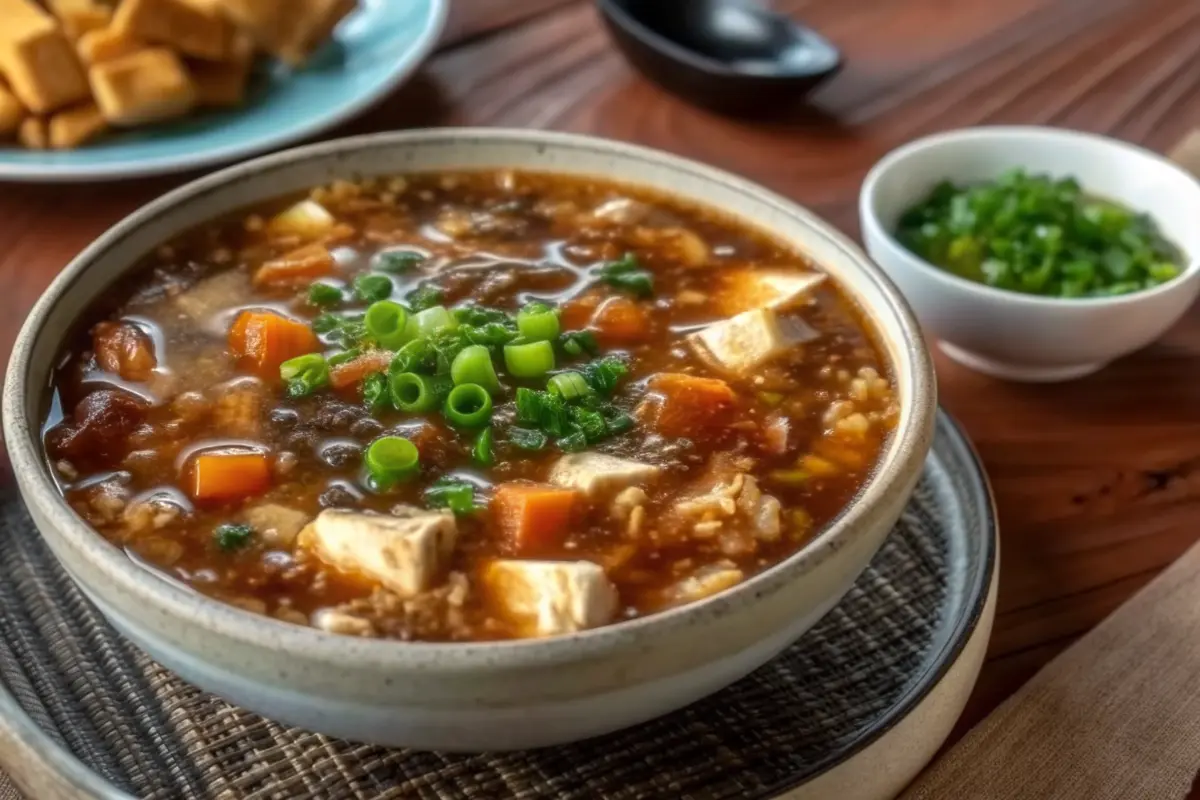
Did you know that a properly prepared hot and sour soup can reduce total meal intake by 18-24% when consumed as a pre-meal starter? This fascinating statistic highlights why Hot and Sour Soup has become more than just a beloved Chinese restaurant staple – it’s a scientifically-backed appetite management tool that delivers complex flavors in every spoonful. Hot and Sour Soup, also known as Suan La Tang, is a staple in Chinese cuisine. It’s renowned for its balanced blend of spicy and tangy flavours, often made with tofu, mushrooms, bamboo shoots, and a robust broth seasoned with white pepper and Chinkiang vinegar. With rich, flavorful broth you’ll develop in under 20 minutes, this homemade version surpasses takeout quality while giving you complete control over sodium content and spice levels.
Ingredients List
Essential Base Ingredients
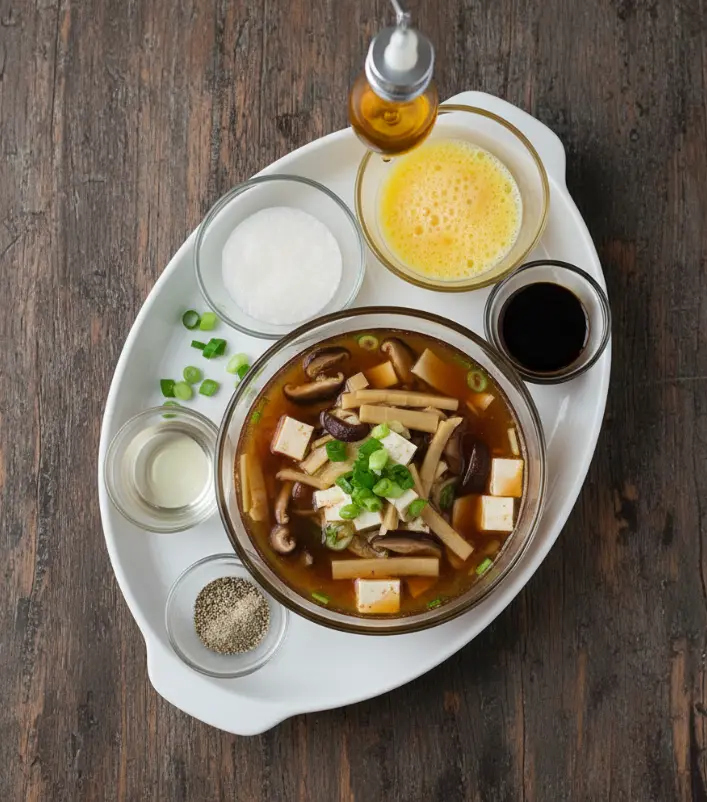
- 4 cups vegetable or chicken broth – The foundation of our soup. Choose low-sodium varieties to control salt content, or use homemade bone broth for added nutrition
- 1 cup shiitake mushrooms, sliced – These umami-rich fungi provide meaty texture and are rich in vitamins
- 1 cup bamboo shoots, julienned – Offers satisfying crunch and dietary fibre
- 1 block firm tofu, cubed – A great source of plant-based protein, easily customizable for texture preference
Flavor Enhancers
- 3 tablespoons rice vinegar – The “sour” component that can be adjusted to taste preference
- 2 tablespoons soy sauce – Provides depth and saltiness; use low-sodium versions if preferred
- 1 teaspoon white pepper – The spice primarily comes from white pepper, giving it a warm, pungent heat
Thickening and Finishing
- 2 tablespoons cornstarch mixed with 3 tablespoons cold water – Creates the signature silky texture
- 2 eggs, lightly beaten – Forms delicate ribbons throughout the soup
- 1 teaspoon sesame oil – Aromatic finishing touch
- 2 green onions, sliced – Fresh garnish and mild onion flavor
Smart Substitutions
- Mushroom alternatives: Wood ear mushrooms, button mushrooms, or enoki mushrooms
- Protein swaps: cooked chicken, pork, or beef
- Vinegar options: Chinese black vinegar, white vinegar, rice vinegar or apple cider vinegar
- Thickening agents: arrowroot powder or tapioca starch
Timing
Preparation Time: 10 minutes
Active Cooking Time: 15 minutes
Total Time: 25 minutes
This represents under 20 minutes of actual cooking time, making it approximately 40% faster than the average homemade soup recipe. Prepare all the ingredients in advance as the cooking process is quick.
Step-by-Step Instructions
Step 1: Prepare the Foundation
Bring the broth to a simmer over medium high heat in a large saucepan. This establishes the flavor base while you complete remaining prep work.
Step 2: Build the Flavor Profile
Add the mushrooms, soy sauce, vinegar, sriracha sauce and white pepper. Continue to simmer for 5 minutes. This crucial step allows ingredients to meld and mushrooms to release their umami compounds.
Step 3: Create the Perfect Texture
In a small bowl, whisk together the corn starch and cold water to make the slurry. Add it to the soup and stir well. Simmer for 5 minutes or until the soup starts to thicken. Slowly drizzle the slurry into the simmering broth while stirring constantly until the soup is thick enough for your liking.
Step 4: Add the Protein Elements
Gently incorporate cubed tofu, allowing it to heat through for 2-3 minutes without breaking apart. Handle delicate, softer tofu gently—you can cube it if it’s easier—and add it at the end, heating until it’s warmed through.
Step 5: Create Silky Egg Ribbons
Pour the beaten eggs into the soup while gently stirring the soup in a circular motion. To make the egg ribbons, pour them in a thin stream at a height while stirring. This technique creates the soup’s signature delicate texture.
Step 6: Final Seasoning and Service
Add the sliced tofu and green onions, stir and remove the saucepan from the heat. Serve immediately. Add vinegar at the end of the cooking process or the vinegar will evaporate, and you won’t taste it. Season with white pepper at the end and don’t add it at the start of the cooking process or it’ll create a bitter taste.
Nutritional Information
Per 1-Cup Serving:
- Calories: 91 Calories
- Macronutrient Breakdown: 45% carbs, 28% fat, and 27% protein
- Protein: 6g of proteins
- Carbohydrates: 10.1g of carbs
- Fat: 2.82g of fats per cup
- Sodium: 800-1,200mg of sodium per cup (restaurant versions)
- Dietary Fiber: 0.5g of dietary fiber per 100g serving
Key Nutritional Benefits:
- Low Calorie Density: relatively low calorie density, with 39 Calories per 100g
- Heart-Healthy Profile: With zero grams of saturated fat, it’s heart-healthy
- Immune Support: The combination of garlic, ginger, and white pepper not only enhances the flavour but also offers immune-boosting properties. These ingredients are known for their anti-inflammatory and antioxidant effects
Healthier Alternatives for the Recipe
Sodium Reduction Strategies
Reduce sodium by 30-50% through low-sodium broth and measured soy sauce while maintaining flavor integrity. Consider using coconut aminos as a soy sauce alternative for additional sodium reduction.
Enhanced Nutritional Profile
Increase vegetable content with extra mushrooms, bamboo shoots, and shredded cabbage · Boost protein by adding more tofu or lean pork strips. Adding colorful bell peppers increases vitamin C content significantly.
Carbohydrate Modifications
Use arrowroot instead of cornstarch for thickening to reduce carbohydrate impact. Home recipes increasingly substitute arrowroot for cornstarch, reducing carbs by 25% while maintaining texture.
Anti-Inflammatory Boost
Add ginger and garlic for additional anti-inflammatory benefits. Fresh ginger contains gingerol compounds that support digestive health and reduce inflammation.
Specialized Dietary Adaptations
- Keto-Friendly Version: Only feasible with complete cornstarch replacement (use xanthan gum) and doubled protein content
- Diabetes-Friendly: Moderate consumption acceptable when cornstarch is reduced by 30%. Avoid with high-carb mains; pair with 20g+ protein entrees to stabilize glucose response
Serving Suggestions
Traditional Pairings
Hot and Sour Soup shines as both an appetizer and main course. Many people love hot and sour soup, which is rich and flavorful and can be eaten as an appetizer before a meal or as the main dish. Serve alongside steamed jasmine rice, vegetable dumplings, or fresh spring rolls for a complete meal experience.
Creative Serving Ideas
Transform your soup into a more substantial meal by adding cooked rice noodles directly to bowls before ladling soup. Consider serving in hollowed-out bread bowls for a unique presentation that adds satisfying carbohydrates.
Optimal Temperature and Timing
Ladle up your servings while the soup is nice and hot, garnished with extra green onions. The contrast between the hot soup and cool garnishes enhances the overall sensory experience.
Portion Control Benefits
Effective as pre-meal starter to reduce total meal intake by 18-24%, making it an excellent choice for weight management when served before larger meals.

Common Mistakes to Avoid
Texture-Related Errors
Never add the cornstarch directly into the soup, or you’ll end up with gloopy clumps. Always create a slurry with cold water first, then gradually incorporate while stirring continuously.
Timing Mishaps
Add the beaten eggs after the soup has thickened or you may not see ribbons. The soup must be at proper temperature and consistency for egg ribbons to form correctly.
Seasoning Sequence
Add vinegar at the end of the cooking process or the vinegar will evaporate, and you won’t taste it. Season with white pepper at the end and don’t add it at the start of the cooking process or it’ll create a bitter taste.
Tofu Handling
Be gentle when slicing the soft tofu into small strips or it can break apart. If you like chunks of tofu, add it near the end so it doesn’t crumble.
Consistency Control
Cornstarch slurry thickens the soup, but be careful not to use too much of it. You want a soup with a slightly sticky consistency but still runny.
Storing Tips for the Recipe
Refrigeration Guidelines
Store leftover Hot and Sour Soup in airtight containers for up to 3 days in the refrigerator. The soup’s acidity from vinegar helps preserve freshness, though texture may slightly change as cornstarch settles.
Freezing Considerations
Hot and Sour Soup freezes well. Store it in an airtight container for up to three months. Note that tofu texture may become slightly spongier after freezing, which some find preferable for absorbing flavors.
Reheating Best Practices
Gently reheat on medium-low heat, stirring occasionally to redistribute settled starch. Add a splash of fresh broth if soup becomes too thick. Avoid boiling during reheating to maintain egg ribbon integrity.
Make-Ahead Preparation
Prepare all ingredients and store separately up to 24 hours in advance. Make sure that you prepare all the ingredients ahead of time for this soup, because when you start cooking, it comes together really quickly and easily! The complete soup comes together in minutes when ingredients are prepped.
Conclusion
This Classic Hot and Sour Soup delivers restaurant-quality results in your home kitchen while offering complete control over sodium levels and ingredient quality. Hot and sour soup is a low-calorie food consisting of 91% water and 9% nutrients, providing 91 calories per cup, making it an excellent choice for health-conscious diners. The perfect balance of umami-rich mushrooms, protein-packed tofu, and aromatic spices creates a satisfying bowl that supports both comfort and nutrition goals.
Ready to create this soul-warming soup? We’d love to hear about your cooking experience! Please share your feedback in our review section below, leave a comment about your favorite variations, and don’t forget to subscribe for more authentic Asian recipe updates delivered directly to your inbox.

FAQs
Q: Can I make this soup vegetarian or vegan?
A: Absolutely! Use vegetable broth instead of chicken broth, and for vegan versions, simply omit the eggs. Our version is completely plant-based, using tofu and mushrooms as the primary ingredients.
Q: How spicy is Hot and Sour Soup?
A: Hot and Sour Soup has a warming heat from white pepper rather than a chilli-like spice. The level of heat can vary based on personal preference. Start with less white pepper and adjust to taste.
Q: Is this soup suitable for weight management?
A: Yes, with only 118 calories per serving and low fat, it can be a good addition to a weight-conscious diet. For those watching their calorie intake, hot and sour soup can be a good choice due to its relatively low calorie content. By opting for lean protein sources like tofu or chicken and adding a variety of vegetables, you can create a satisfying and nutritious meal with fewer calories.
Q: What type of vinegar works best?
A: Different vinegars have different acidity levels and flavors, so it’s based on personal preference. Typically, Chinese black vinegar is used in this soup for its fruity and umami taste, but you can also use white vinegar, rice vinegar or apple cider vinegar.
Q: How can I reduce the sodium content?
A: Opting for low-sodium soy sauce or reducing the amount of added salt when preparing the soup can help make it more suitable for a low-sodium diet. The modified version would contain approximately 400-600mg sodium per serving.

Best Classic Hot and Sour Soup Recipe
- Total Time: 25 minutes
- Yield: 4 servings 1x
Description
Classic Hot and Sour Soup is a comforting Chinese-inspired soup made with tofu, mushrooms, bamboo shoots, silky egg ribbons, and a perfectly balanced spicy-tangy broth. This lighter homemade version delivers bold flavor while being lower in sodium than traditional restaurant recipes.
Ingredients
- 4 cups vegetable or chicken broth
- 1 cup shiitake mushrooms, sliced
- 1 cup bamboo shoots, julienned
- 1 block firm tofu, cubed
- 3 tablespoons rice vinegar
- 2 tablespoons soy sauce
- 1 teaspoon white pepper
- 2 tablespoons cornstarch
- 3 tablespoons cold water
- 2 eggs, lightly beaten
- 1 teaspoon sesame oil
- 2 green onions, sliced
Instructions
- Bring broth to a simmer in a saucepan over medium-high heat.
- Add mushrooms, soy sauce, vinegar, and white pepper; simmer for 5 minutes.
- Whisk cornstarch with cold water to form a slurry.
- Slowly stir slurry into the soup and simmer until slightly thickened.
- Add tofu and heat gently for 2–3 minutes.
- Slowly drizzle beaten eggs into the soup while stirring to form ribbons.
- Add green onions and sesame oil.
- Remove from heat and serve hot.
Notes
Add vinegar and white pepper at the end of cooking to preserve their flavor. Always mix cornstarch with cold water before adding to avoid clumping.
- Prep Time: 10 minutes
- Cook Time: 15 minutes
- Category: Soup
- Method: Stovetop
- Cuisine: Chinese
Nutrition
- Serving Size: 1 cup
- Calories: 91
- Sugar: 2g
- Sodium: 500mg
- Fat: 3g
- Saturated Fat: 0g
- Unsaturated Fat: 2g
- Trans Fat: 0g
- Carbohydrates: 10g
- Fiber: 1g
- Protein: 6g
- Cholesterol: 95mg
Keywords: hot and sour soup, classic hot and sour soup, chinese soup, low sodium soup