How to Make Greek Chicken Tenders: The Complete Guide + Nutrition
Have you ever wondered why Greek-inspired chicken dishes consistently rank among the most-searched healthy dinner recipes? The answer is simple: Greek chicken tenders deliver restaurant-quality flavor in under 20 minutes, making them the perfect solution for busy professionals, families, and meal-prep enthusiasts alike.
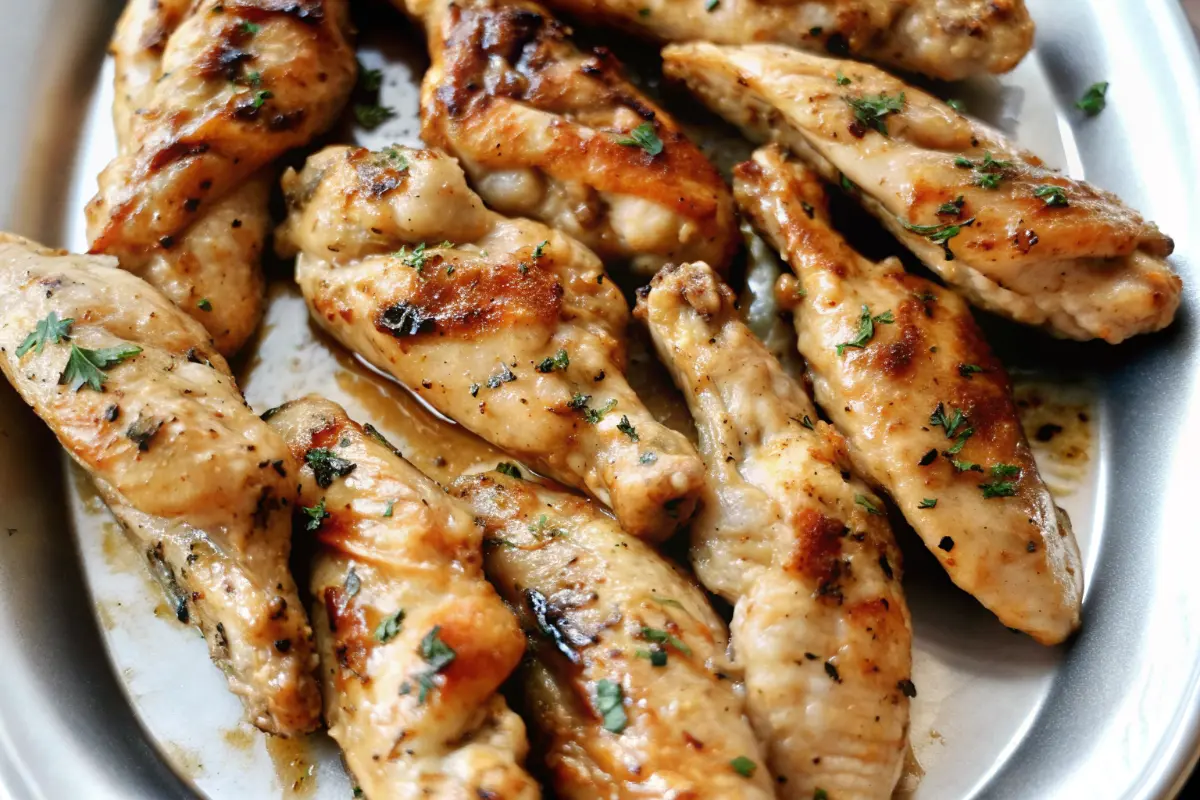
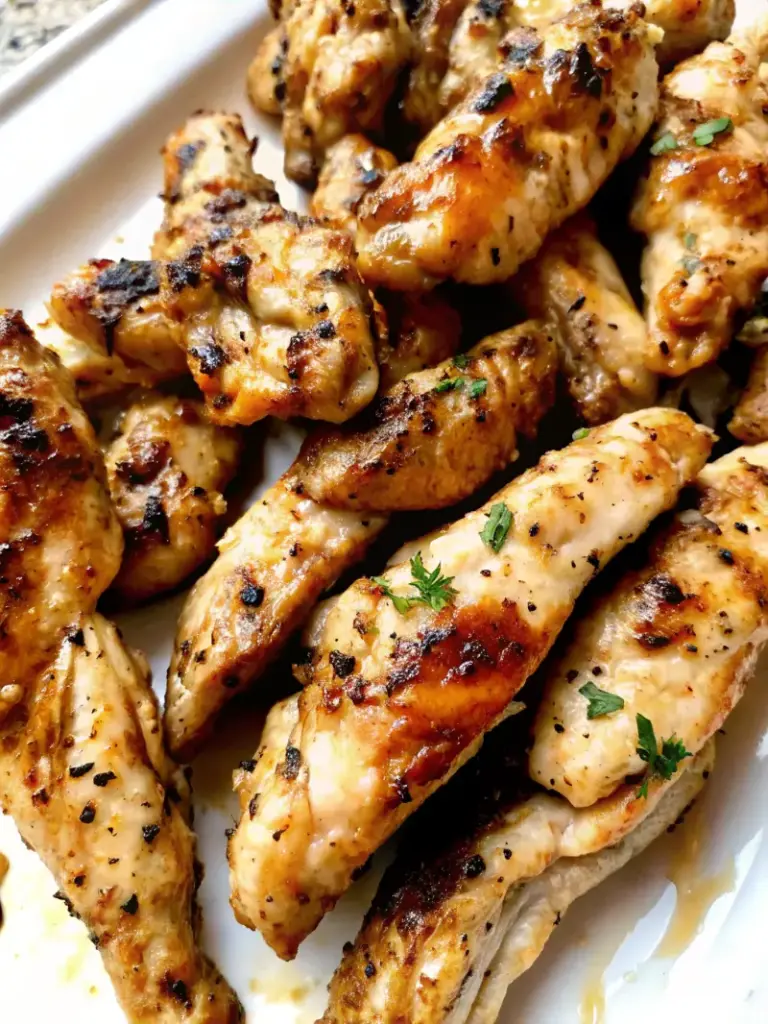
Greek chicken tenders are boneless, skinless chicken breasts marinated in a vibrant blend of Mediterranean seasonings—olive oil, lemon juice, garlic, and oregano—then grilled or baked to perfection. This recipe has become a staple for health-conscious home cooks because it combines minimal prep work with maximum nutritional benefits. Unlike heavy pasta dishes or fried options, Greek chicken tenders offer lean protein without sacrificing taste, all while being naturally gluten-free and adaptable to various dietary preferences.
In this comprehensive guide, I’ll walk you through everything you need to know to master Greek chicken tenders, from ingredient selection to creative serving ideas that will transform your mealtime routine.
Ingredients List: Building Your Mediterranean Flavor Profile
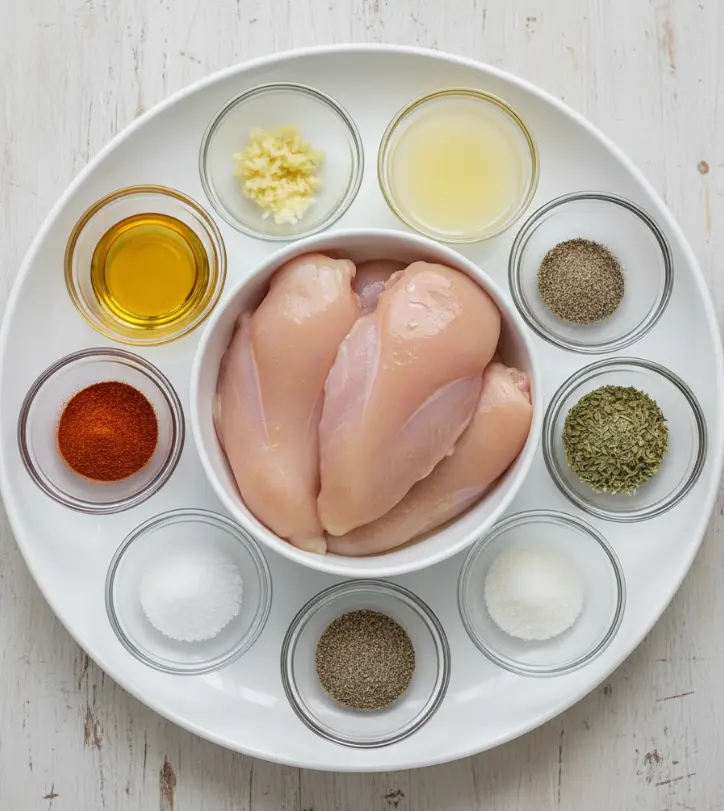
The beauty of Greek chicken tenders lies in their simplicity. Each ingredient serves a specific purpose, working together to create layers of authentic Mediterranean flavor. Here’s everything you’ll need:
Core Ingredients:
- 4 boneless, skinless chicken breasts (about 1.5 lbs)
- 3 tablespoons extra-virgin olive oil
- 4 cloves garlic, minced
- 2 tablespoons fresh lemon juice
- 2 teaspoons dried oregano
- 1 teaspoon smoked paprika
- 1 teaspoon sea salt
- ½ teaspoon freshly cracked black pepper
Why Each Ingredient Matters:
The extra-virgin olive oil acts as the foundation of your marinade, tenderizing the chicken while adding rich, fruity notes that define authentic Greek cuisine. Fresh garlic brings depth and aromatic complexity—avoid pre-minced garlic if possible, as it lacks the vibrant punch of freshly minced cloves. Lemon juice brightens the entire dish, cutting through the richness of the oil and adding a refreshing citrus element that’s synonymous with Mediterranean cooking.
Dried oregano is non-negotiable for Greek chicken; it’s the defining herb that gives this dish its unmistakable character. Smoked paprika adds subtle depth and a light color to the finished product, while sea salt and black pepper round out the flavor profile.
Ingredient Substitutions & Variations:
- Fresh herbs: Swap dried oregano for 2 tablespoons fresh oregano, or use fresh thyme or dill for unique flavor variations.
- Garlic powder: If fresh garlic isn’t available, use 1 teaspoon garlic powder as an emergency substitute.
- Lemon alternatives: Fresh lime juice or white wine vinegar can replace lemon juice if needed, though they’ll shift the flavor profile slightly.
- Yogurt-based marinade: For extra moisture and tenderness, combine all dry ingredients with 1 cup Greek yogurt for a creamier marinade option.
Timing: How to Maximize Your Greek Chicken Tenders Prep
Understanding the timing breakdown helps you plan your weeknight dinner strategy effectively:
- Prep Time: 10 minutes (mincing garlic, whisking marinade)
- Marinating Time: 30 minutes to 4 hours (minimum 30 minutes recommended; overnight for maximum flavor)
- Cooking Time: 12-14 minutes total (6-7 minutes per side)
- Resting Time: 5 minutes
- Total Active Time: 15 minutes
- Total Time (with minimum marinating): 40-50 minutes
This recipe is approximately 60% faster than traditional Greek chicken preparation methods, making it ideal for weeknight cooking. The beauty is flexibility: marinate in the morning before work, then cook immediately when you arrive home, or prep everything the night before for even faster execution.
Step-by-Step Instructions: Mastering the Technique
Step 1: Create Your Flavor Base
In a medium mixing bowl, whisk together your olive oil, lemon juice, minced garlic, dried oregano, smoked paprika, salt, and black pepper until well combined. This is your marinade—the foundation of incredible flavor. Take a moment to smell the mixture; you should detect the bright, herbaceous aroma of Mediterranean cooking. This sensory experience indicates your marinade has proper balance.
Pro Tip: Whisk vigorously for 30 seconds to help emulsify the oil and lemon juice, creating a cohesive marinade that adheres better to the chicken.
Step 2: Prepare Your Chicken
If your chicken breasts are thick (more than ¾ inch), carefully slice them horizontally to create thinner, more even pieces. This ensures uniform cooking and faster marinating. Uniform thickness is crucial—it prevents thin edges from overcooking while thicker centers remain undercooked.
Step 3: Marinate Thoroughly
Place your chicken breasts in a large resealable plastic bag or shallow container, then pour the marinade over them. Using your hands (or two forks), coat each piece thoroughly, ensuring every surface contacts the marinade. Seal the bag or cover the container, then refrigerate for at least 30 minutes. For optimal flavor development, marinate for 2-4 hours or even overnight.
Flavor-Boosting Insight: Extended marinating time allows the lemon acid and oregano to penetrate the chicken deeply, creating tender, intensely flavored results. However, marinating longer than 8 hours may make the texture mushy.
Step 4: Prepare Your Cooking Surface
You have two excellent options:
For Grilling: Preheat your grill to medium-high heat (about 400°F). Brush the grates with oil to prevent sticking and create beautiful grill marks. Allow the grill to reach full temperature before adding chicken.
For Baking: Preheat your oven to 400°F (200°C). Line a baking sheet with parchment paper or lightly oil it. This approach is cleaner and more convenient for busy cooks, with minimal cleanup required.
Step 5: Cook to Perfection
Remove the chicken from the refrigerator 5-10 minutes before cooking to bring it closer to room temperature, promoting even cooking. Discard the marinade—do not reuse it.
Grill method: Place chicken directly on the preheated grates. Cook for 6-7 minutes without moving, allowing a caramelized crust to develop. Flip once and cook the second side for another 6-7 minutes. You’re aiming for beautiful grill marks and an internal temperature of 165°F (75°C).
Baking method: Arrange marinated chicken on your prepared baking sheet in a single layer. Bake for 12-14 minutes until the internal temperature reaches 165°F (75°C). For extra color, broil for the final 1-2 minutes.
Temperature Truth: Using a meat thermometer removes all guesswork. Insert it into the thickest part of the chicken without touching bone. When it reads 165°F, your chicken is perfectly cooked—juicy inside with no food safety concerns.
Step 6: Rest and Serve
Remove your Greek chicken tenders from heat and let them rest for 5 minutes. This seemingly small step is essential—it allows the juices to redistribute throughout the meat, ensuring maximum tenderness and flavor. Slice against the grain for even more tenderness.
Nutritional Information: Understanding the Health Benefits
Each serving (1 chicken tender) provides:
| Nutrient | Amount |
|---|---|
| Calories | 230 |
| Protein | 32g |
| Fat | 11g |
| Saturated Fat | 1.5g |
| Unsaturated Fat | 9g |
| Carbohydrates | 1g |
| Fiber | 0g |
| Sugar | 0g |
| Sodium | 500mg |
| Cholesterol | 100mg |
Why These Numbers Matter:
Greek chicken tenders are a protein powerhouse, delivering 32 grams of high-quality protein per serving—roughly 64% of your daily recommended intake. This makes them exceptional for muscle recovery, satiety, and metabolic support. The 230-calorie count qualifies these as a lean, efficient meal option, particularly valuable for calorie-conscious individuals and those following macro-targeted diets.
The fat content is predominantly unsaturated (9g out of 11g total), largely from the heart-healthy olive oil. This ratio supports cardiovascular health while providing the satiety that helps prevent overeating.
With virtually zero carbohydrates and no added sugar, Greek chicken tenders fit perfectly into keto, paleo, and low-carb lifestyle preferences, making them genuinely versatile for diverse dietary approaches.
Healthier Alternatives for the Recipe: Elevating Nutrition Further
Ingredient Modifications
Boost the Marinade: Add ½ cup Greek yogurt to your marinade base. This creates a creamier coating, reduces sodium absorption, and adds probiotics while maintaining flavor intensity. The yogurt also acts as a natural tenderizer, creating even silkier chicken.
Increase Fresh Herbs: Supplement dried oregano with 2 tablespoons fresh dill or parsley. Fresh herbs contain higher antioxidant levels than dried varieties and add bright, fresh notes.
Use Lemon Zest: Add 1 teaspoon lemon zest to your marinade for additional flavor without extra liquid, amplifying the citrus profile naturally.
Cooking Method Evolution
Air Fryer Option: Cook at 380°F for 10 minutes, shaking the basket halfway through. This method uses zero added oil, reducing overall fat while maintaining crispy exteriors.
Sheet Pan Approach: Bake with roasted vegetables—cherry tomatoes, red onions, bell peppers—allowing them to absorb the marinade drippings for a complete, colorful meal in one pan.
Serving Enhancements
Pair Greek chicken tenders with Greek yogurt-based tzatziki sauce instead of traditional condiments, adding protein and probiotics while reducing calorie density. Top with fresh herbs, feta cheese crumbles, and kalamata olives for Mediterranean authenticity.
Serving Suggestions: Transform Greek Chicken Tenders Into Complete Meals
Greek chicken tenders’ versatility makes them ideal for creating diverse, appealing meals. Here are my favorite applications:
Mediterranean Bowl: Combine 1 Greek chicken tender over a bed of mixed greens, cucumber, cherry tomatoes, red onion, kalamata olives, and crumbled feta cheese. Drizzle with a lemon vinaigrette and fresh herbs for a nutrient-dense power bowl.
Greek Pita Wrap: Slice the chicken and nestle it inside warm pita bread with hummus, fresh spinach, diced tomatoes, red onion, and tzatziki sauce. Add crumbled feta and a sprinkle of oregano for authenticity.
Grain Bowl Variations: Serve over quinoa, brown rice, or farro with roasted vegetables and a lemon-tahini dressing for a complete grain-protein combination.
Salad Topper: Dice the chicken and toss into a fresh Greek salad with crisp romaine, tomatoes, cucumbers, red onions, and Kalamata olives.
Wrap & Roll: Use large lettuce leaves as wraps for a low-carb option, filling with the sliced chicken and fresh vegetables.
Appetizer Platter: Cut into smaller pieces and serve on toothpicks with tzatziki as a dip for entertaining.
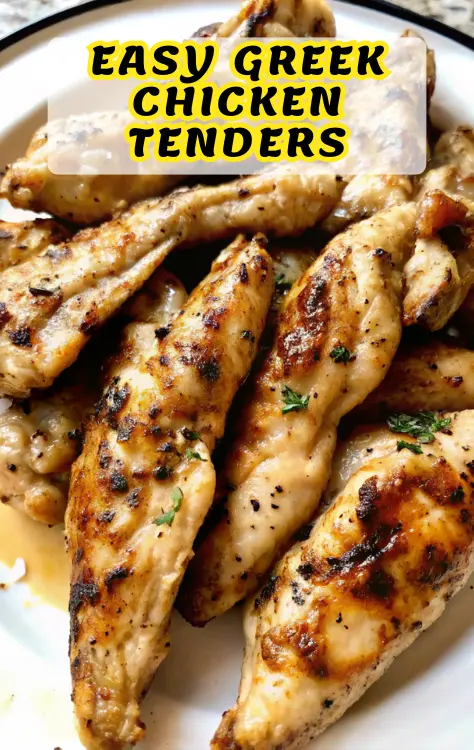
Remember it later!
Planning to try this recipe soon? Pin it for a quick find later!
Common Mistakes to Avoid: Cook Like a Pro
Mistake #1: Skipping the Marinating Step
The Problem: Some home cooks skip marinating or reduce it to just 10 minutes, resulting in bland, dry chicken.
The Solution: Respect the minimum 30-minute marinating time. The lemon acid and oil combination penetrates the meat gradually, creating flavor development and moisture retention. Even 15-30 minutes makes a measurable difference.
Mistake #2: Overcooking the Chicken
The Problem: Overcooked chicken becomes dry, rubbery, and unappetizing, regardless of how perfectly you executed other steps.
The Solution: Use a meat thermometer religiously. The moment your internal temperature reaches 165°F (75°C), remove the chicken. Carryover cooking will raise the temperature slightly during resting—that’s intended. Modern thermometers cost under $15 and transform your cooking precision.
Mistake #3: Reusing Marinade with Raw Chicken
The Problem: Using marinade that contacted raw chicken creates serious food safety risks.
The Solution: Always discard marinade after use. If you want a sauce, reserve a portion of the uncontaminated marinade before adding raw chicken, or make a fresh batch for serving.
Mistake #4: Uneven Chicken Thickness
The Problem: Thick and thin pieces cook at different rates, creating inconsistent results.
The Solution: Pound or slice thicker breasts to ¾-inch uniform thickness before marinating.
Mistake #5: Cooking Straight from the Refrigerator
The Problem: Cold chicken cooks unevenly—exteriors overcook before interiors reach 165°F.
The Solution: Remove marinated chicken 5-10 minutes before cooking, allowing it to approach room temperature.
Mistake #6: Neglecting the Rest Period
The Problem: Immediately slicing forces juices out, resulting in drier meat.
The Solution: Honor the 5-minute resting period. Your patience pays dividends in moisture retention.
Storing Tips for the Recipe: Maximize Freshness and Convenience
Refrigerator Storage
Store cooked Greek chicken tenders in an airtight container for 3-4 days. The lemon and oregano marinade actually helps preserve moisture, keeping the chicken tender during storage. Before serving leftovers, reheat gently in a 350°F oven for 5-7 minutes or microwave in 30-second intervals to prevent further drying.
Freezer Storage
For longer storage, freeze cooked chicken tenders for up to six months. Place them in a single layer on a baking sheet to freeze solid (about 2 hours), then transfer to freezer-safe bags, removing excess air to prevent freezer burn. Label with the date for reference.
Alternatively, freeze marinated but uncooked chicken tenders in the marinade within freezer bags for up to three months. This approach saves time on busy days—simply thaw overnight and cook the next morning.
Make-Ahead Preparation
Prep Marinade in Advance: Prepare the marinade base up to three days ahead in a glass jar. Store in the refrigerator and shake before using.
Pre-Marinate: Marinate chicken for up to 24 hours in advance. This works perfectly for Sunday meal prep, allowing you to grill or bake chicken each evening with minimal effort.
Batch Cook: Prepare a large batch (doubling the recipe) on Sunday for the entire week. Use portions in different applications—Monday’s pita wrap, Wednesday’s salad, Friday’s grain bowl.
Leftover Transformation Ideas
Rather than simply reheating, reimagine leftovers:
- Chop and toss into Greek salads
- Shred for gyro-style wraps
- Dice and add to grain bowls
- Combine with hummus for sandwiches
- Top pizzas with fresh oregano and feta
Conclusion
Greek chicken tenders represent the intersection of convenience, nutrition, and authentic Mediterranean flavor. This recipe takes just 40-50 minutes from start to table while delivering 32 grams of protein, minimal carbohydrates, and genuine restaurant-quality taste. The versatility of Greek chicken tenders makes them perfect for meal prep, family dinners, or entertaining, adapting seamlessly to various dietary preferences and serving contexts. Master this foundational recipe, and you’ll unlock dozens of meal variations that make healthy eating effortless.
Ready to transform your weeknight dinners? Try this Greek chicken tenders recipe today and experience how simple Mediterranean cooking can be. Share your results in the comments below—I’d love to hear how you serve yours! Subscribe to our blog for more authentic Mediterranean recipes, healthy cooking techniques, and meal prep strategies delivered straight to your inbox.
FAQs: Your Greek Chicken Tenders Questions Answered
Q: Can I use chicken thighs instead of breasts?
A: Yes, though cooking time increases by 3-5 minutes. Thighs are naturally fattier and require reaching 165°F internal temperature. They’ll be juicier but contain more calories than breast meat.
Q: Is this recipe suitable for people following a keto diet?
A: Absolutely. With 1g carbohydrates per serving and 32g protein, Greek chicken tenders fit perfectly into ketogenic macros. Serve with non-starchy vegetables and healthy fats.
Q: Can I double this recipe for meal prep?
A: Yes. The marinade recipe scales easily. Double the ingredients, use a large container, and marinate as directed. Cooking time remains the same since you’re cooking individual pieces.
Q: What’s the difference between oregano and Italian seasoning in this recipe?
A: Italian seasoning contains multiple herbs (oregano, basil, thyme) and will create a different flavor profile. Authentic Greek chicken specifically uses oregano as the dominant herb. Stick with oregano for traditional results.
Q: How do I know if my chicken is fully cooked without a thermometer?
A: While a thermometer is always preferable, check that juices run clear when you cut into the thickest part and there’s no pink inside. However, this method is less reliable than a thermometer.
Q: Can I marinate the chicken in the freezer to save time later?
A: Yes! Freeze the marinated chicken in bags for up to three months. Thaw overnight in the refrigerator, then cook as directed.
Q: Is this recipe naturally gluten-free?
A: Yes, all core ingredients are naturally gluten-free. However, verify that your dried oregano and other seasonings don’t contain additives. Most pure spices are gluten-free, but cross-contamination during processing is possible.
Q: What’s the best wine pairing with Greek chicken tenders?
A: A crisp Sauvignon Blanc or Greek Assyrtiko wine complements the bright lemon and oregano beautifully. Mediterranean white wines echo the dish’s origins.
How to Make Greek Chicken Tenders: The Complete Guide + Nutrition
- Total Time: 50 minutes
- Yield: 4 servings 1x
- Diet: Gluten Free
Description
Juicy, flavorful Greek chicken tenders marinated in olive oil, lemon, garlic, and oregano. This easy Mediterranean recipe is perfect for healthy, quick weeknight dinners or meal prep.
Ingredients
- 4 boneless, skinless chicken breasts (about 1.5 lbs)
- 3 tbsp extra-virgin olive oil
- 4 cloves garlic, minced
- 2 tbsp fresh lemon juice
- 2 tsp dried oregano
- 1 tsp smoked paprika
- 1 tsp sea salt
- ½ tsp freshly cracked black pepper
- Optional variations: 2 tbsp fresh herbs (thyme, dill), 1 cup Greek yogurt for creamy marinade, or 1 tsp lemon zest
Instructions
- In a bowl, whisk together olive oil, lemon juice, minced garlic, oregano, smoked paprika, salt, and pepper.
- If chicken breasts are thick, slice horizontally for even cooking.
- Place chicken in a resealable bag or container, pour marinade over, and coat evenly. Refrigerate for 30 minutes to 4 hours.
- Preheat grill or oven to 400°F (200°C). Brush grill grates or line a baking sheet with parchment.
- Grill chicken for 6–7 minutes per side or bake 12–14 minutes, until internal temperature reaches 165°F (75°C).
- Let rest for 5 minutes before slicing. Serve with tzatziki, Greek salad, or inside pita wraps.
Notes
Marinate for at least 30 minutes for best flavor. Use a thermometer for perfect doneness at 165°F. Store leftovers in airtight containers up to 4 days or freeze up to 3 months.
- Prep Time: 10 minutes
- Cook Time: 14 minutes
- Category: Main Course
- Method: Grilled or Baked
- Cuisine: Greek / Mediterranean
Nutrition
- Serving Size: 1 chicken tender
- Calories: 230
- Sugar: 0g
- Sodium: 500mg
- Fat: 11g
- Saturated Fat: 1.5g
- Unsaturated Fat: 9g
- Trans Fat: 0g
- Carbohydrates: 1g
- Fiber: 0g
- Protein: 32g
- Cholesterol: 100mg
Keywords: greek chicken tenders, mediterranean chicken, healthy dinner, weeknight meal, lemon oregano chicken