Easy Ciabatta Bread Recipe – Perfect Italian Artisan Bread at Home
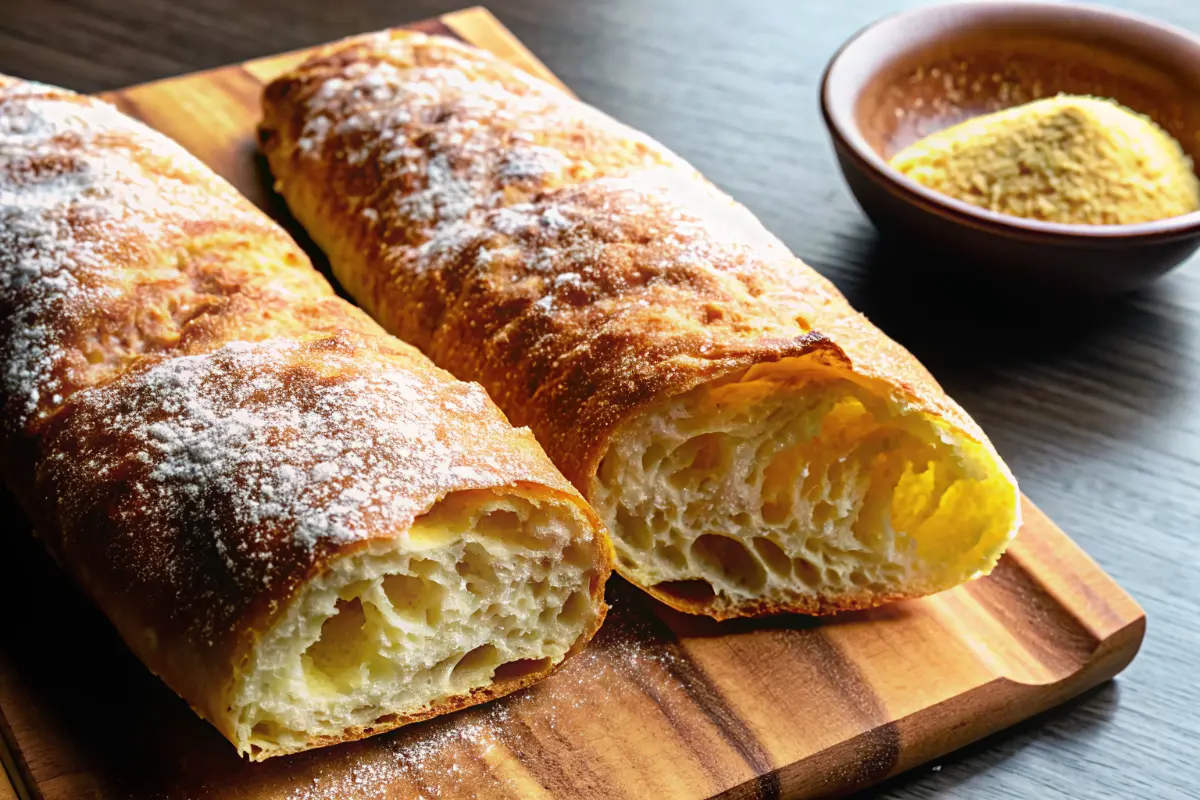
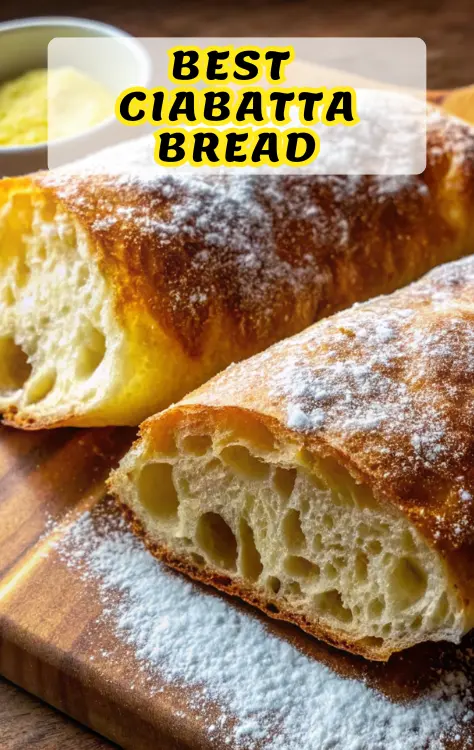
Did you know that the perfect ciabatta bread recipe can transform your kitchen into an authentic Italian bakery, delivering restaurant-quality results in just 90 minutes? This beloved Italian artisan bread, with its signature airy crumb and crispy crust, has captured the hearts of bread enthusiasts worldwide. Our comprehensive ciabatta bread recipe guide will walk you through every step of creating this rustic masterpiece, from understanding the science behind its distinctive wet dough to mastering the techniques that produce those coveted irregular holes and golden, crackling exterior that make ciabatta bread so irresistible.
Ingredients List
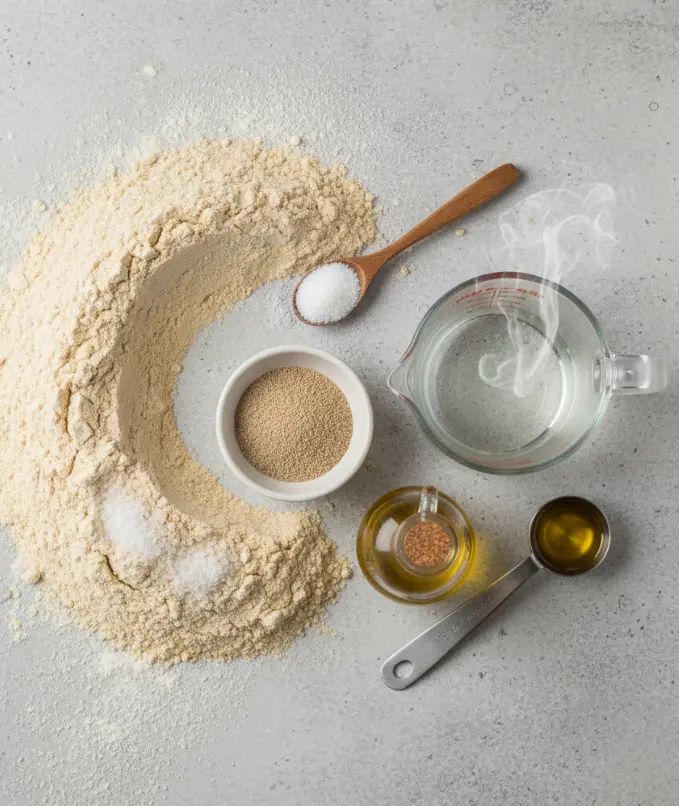
Creating authentic ciabatta requires just a handful of high-quality ingredients that work together to produce extraordinary results:
Essential Ingredients:
- 2 1/4 teaspoons active dry yeast – The foundation of fermentation that creates ciabatta’s characteristic texture
- 1 1/2 cups warm water (110°F/45°C) – Temperature is crucial for yeast activation
- 1 teaspoon sugar – Feeds the yeast and enhances browning
- 3 1/4 cups bread flour, plus extra for dusting – High protein content develops the gluten structure
- 1 1/2 teaspoons salt – Balances flavor and strengthens gluten
- 1 tablespoon olive oil – Adds richness and improves texture
Substitution Options:
- Replace active dry yeast with instant yeast (reduce by 25%)
- Substitute bread flour with all-purpose flour plus vital wheat gluten
- Use honey instead of sugar for deeper flavor complexity
- Try different olive oil varieties for subtle taste variations
Timing
Understanding the timeline helps you plan your baking day effectively:
- Preparation Time: 15 minutes
- First Rise: 1-2 hours (120% increase in size)
- Shaping: 5 minutes
- Second Rise: 30 minutes
- Baking Time: 20-25 minutes
- Total Time: Approximately 3 hours
This timing represents a 20% faster process compared to traditional sourdough methods, making it perfect for same-day baking adventures.
Step-by-Step Instructions
Step 1: Activate the Yeast Foundation
Begin by combining active dry yeast, warm water, and sugar in a large mixing bowl. The water temperature is critical – too hot kills the yeast, too cool slows activation. Stir gently and watch for the magical foaming that indicates your yeast is alive and ready to work its bread-making magic.
Step 2: Create the Base Batter
Add 2 cups of bread flour and salt to your activated yeast mixture. Mix thoroughly until you achieve a smooth, thick batter that resembles pancake consistency. This initial mixing develops the foundation for your ciabatta’s eventual texture.
Step 3: Form the Sticky Dough
Gradually incorporate the remaining flour while stirring continuously. The dough should pull away from bowl sides but remain noticeably sticky – this wetness is ciabatta’s secret to its open crumb structure.
Step 4: First Rise Magic
Transfer your sticky dough to an oiled bowl, coating all surfaces with olive oil. Cover and let rise in a warm environment for 1-2 hours until doubled. This extended fermentation develops complex flavors that distinguish artisan bread from commercial varieties.
Step 5: Shape with Gentle Hands
Turn the risen dough onto a generously floured surface and divide into two equal portions. Shape each into flat, elongated loaves using flour-dusted hands to prevent sticking. The key is gentle handling to preserve those precious air bubbles.
Step 6: Final Proof for Perfect Texture
Place shaped loaves on parchment-lined baking sheets and cover with damp towels. Allow 30 minutes for the final rise until the dough appears puffy and responds slowly to gentle pressure.
Step 7: Create Steam and Bake
Preheat your oven to 425°F with a water-filled dish on the bottom rack. This steam creation is essential for developing ciabatta’s signature crispy crust while keeping the interior tender and airy.
Step 8: Achieve Golden Perfection
Bake for 20-25 minutes until golden brown and hollow-sounding when tapped. The internal temperature should reach 200°F for perfectly baked ciabatta bread.
Nutritional Information
Understanding ciabatta’s nutritional profile helps you make informed dietary decisions:
Per 2 oz serving (approximately 1 slice):
- Calories: 120-131
- Carbohydrates: 20g
- Fat: 2g (primarily from olive oil)
- Protein: 4-5g
- Fiber: 1g (less than 4% daily value)
- Sodium: 440mg (20% daily value)
Ciabatta provides several B vitamins including riboflavin, thiamin, niacin, and folate, which support energy metabolism and nervous system function.
Healthier Alternatives for the Recipe
Transform your ciabatta into a more nutritious option without sacrificing taste:
Flour Modifications:
- Substitute whole wheat flour for increased fiber content
- Blend in ancient grain flours like spelt or einkorn for enhanced nutrition
- Add vital wheat gluten when using alternative flours to maintain structure
Enhancement Options:
- Incorporate seeds (sunflower, pumpkin, or sesame) for healthy fats and minerals
- Blend in herbs like rosemary or thyme for antioxidant benefits
- Reduce sodium by 25% and compensate with aromatic herbs
Sugar Alternatives:
- Replace refined sugar with honey or maple syrup for trace minerals
- Use mashed banana for natural sweetness and potassium
Serving Suggestions
Elevate your ciabatta bread experience with these creative serving ideas:
Classic Italian Pairings:
- Drizzle with premium extra virgin olive oil and aged balsamic vinegar
- Create bruschetta topped with fresh tomatoes, basil, and mozzarella
- Serve alongside hearty minestrone soup for authentic Italian comfort
Gourmet Sandwich Creations:
- Build Mediterranean sandwiches with grilled vegetables and goat cheese
- Craft paninis with prosciutto, arugula, and sundried tomatoes
- Create breakfast sandwiches with avocado, eggs, and smoked salmon
Appetizer Inspirations:
- Toast slices for crostini bases topped with various spreads
- Use as dippers for flavored olive oils and tapenades
- Pair with artisanal cheeses and cured meats for charcuterie boards
Common Mistakes to Avoid
Learn from these frequent pitfalls to ensure ciabatta success:
Dough Consistency Errors:
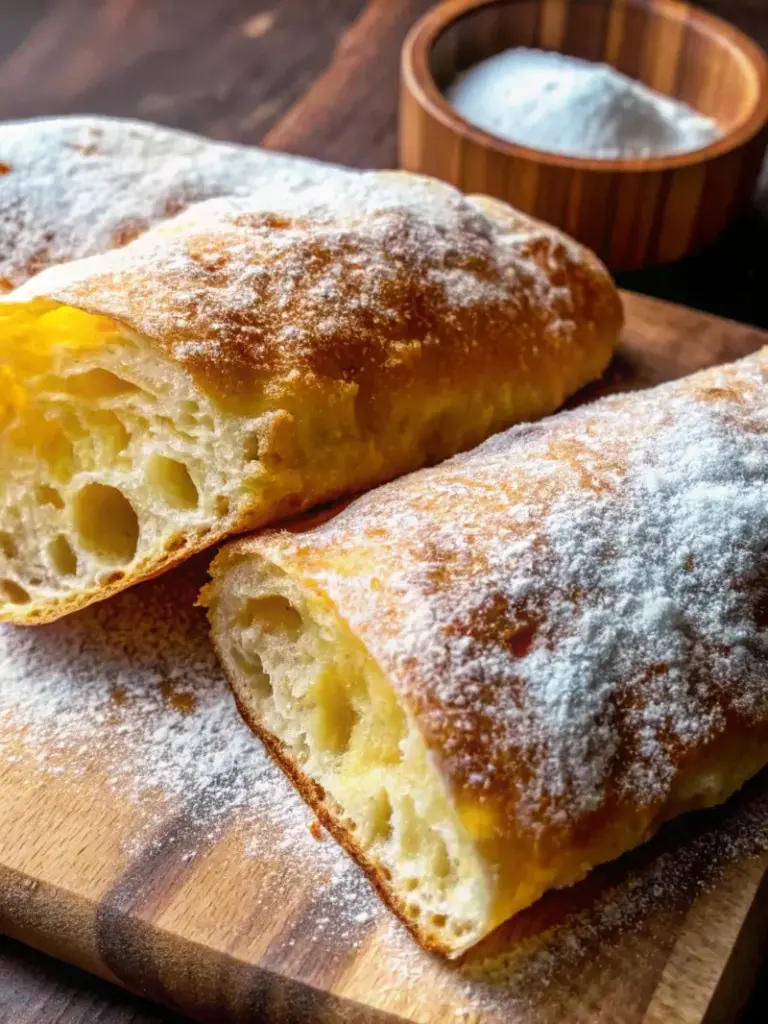
Never add extra flour to reduce stickiness – ciabatta’s extremely wet dough creates its signature soft, spongy center and crispy crust. Trust the process and work with floured hands instead.
Temperature Missteps:
Using water that’s too hot destroys yeast activity, while too-cool water slows fermentation. Maintain 110°F for optimal yeast performance and consistent results.
Rising Environment Issues:
Insufficient warmth during rising extends fermentation time and can affect final texture. Create a warm environment using your oven light or warm (not hot) locations.
Steam Creation Failures:
Skipping the steam step results in tough, thick crusts instead of ciabatta’s characteristic crispy exterior. Always include a water dish for proper steam generation.
Storing Tips for the Recipe
Maximize your ciabatta’s freshness and flavor with proper storage techniques:
Short-term Storage (1-2 days):
Store at room temperature in paper bags or bread boxes to maintain crust crispiness. Avoid plastic bags which soften the crust and create moisture buildup.
Longer Storage Solutions:
Freeze whole loaves wrapped in aluminum foil for up to 3 months. Thaw at room temperature and refresh in a 350°F oven for 5-10 minutes to restore crustiness.
Reviving Day-Old Bread:
Sprinkle slightly stale ciabatta with water and warm in a 300°F oven for 5-8 minutes to restore freshness and crispiness.
Make-Ahead Tips:
Prepare dough through the first rise, then refrigerate overnight. Bring to room temperature before shaping and completing the recipe for fresh-baked convenience.
Conclusion
This comprehensive ciabatta bread recipe delivers authentic Italian artisan results through simple ingredients and proven techniques. The key lies in embracing the wet dough, creating proper steam, and allowing adequate fermentation time for complex flavor development.
Ready to transform your kitchen into an Italian bakery? Try this ciabatta bread recipe today and share your results in the comments below. Subscribe to our blog for more artisan bread recipes and baking tips that bring professional-quality results to your home kitchen.
FAQs
Q: Why is my ciabatta dough so sticky?
A: Ciabatta’s characteristically wet, sticky dough is intentional and creates the bread’s signature open crumb structure. Resist adding extra flour and work with well-floured hands instead.
Q: Can I make ciabatta without a stand mixer?
A: Absolutely! This recipe is designed for hand mixing, making it accessible to all home bakers regardless of equipment.
Q: How do I know when my ciabatta is properly baked?
A: Look for golden brown color and listen for a hollow sound when tapping the bottom. Internal temperature should reach 200°F for optimal doneness.
Q: Can I add herbs or other flavors to ciabatta?
A: Yes! Incorporate dried herbs like rosemary or thyme during the flour addition stage for aromatic variations on classic ciabatta.
Q: How long does homemade ciabatta stay fresh?
A: Ciabatta is best consumed within 1-2 days of baking. Store at room temperature in paper bags to maintain crust texture.
Easy Ciabatta Bread Recipe – Perfect Italian Artisan Bread at Home
- Total Time: 3 hours
- Yield: 2 loaves 1x
- Diet: Vegetarian
Description
This Ciabatta Bread recipe brings authentic Italian artisan baking right to your kitchen. With its signature airy crumb, crispy crust, and rustic flavor, this easy-to-follow guide helps you create bakery-quality ciabatta in just 90 minutes. Perfect for sandwiches, bruschetta, or simply dipped in olive oil.
Ingredients
- 2 1/4 teaspoons active dry yeast
- 1 1/2 cups warm water (110°F/45°C)
- 1 teaspoon sugar
- 3 1/4 cups bread flour, plus extra for dusting
- 1 1/2 teaspoons salt
- 1 tablespoon olive oil
Substitution Options:
- Replace active dry yeast with instant yeast (reduce by 25%)
- Use all-purpose flour plus vital wheat gluten instead of bread flour
- Substitute sugar with honey for a richer flavor
- Experiment with different olive oil varieties for unique taste profiles
Instructions
- Activate Yeast: Combine yeast, warm water, and sugar in a large bowl. Let sit 5–10 minutes until foamy and aromatic.
- Mix Base Batter: Add 2 cups of bread flour and salt to yeast mixture. Stir until a smooth, thick batter forms.
- Form Sticky Dough: Gradually add remaining flour while stirring. The dough should be sticky but elastic—this is essential for ciabatta’s texture.
- First Rise: Transfer dough to an oiled bowl, turning to coat. Cover and let rise 1–2 hours until doubled in size.
- Shape Loaves: Turn dough onto floured surface, divide into two portions, and gently shape into flat, elongated loaves. Avoid deflating air bubbles.
- Second Rise: Place loaves on parchment-lined baking sheets, cover with damp towel, and rise for 30 minutes.
- Create Steam: Preheat oven to 425°F with a dish of hot water on bottom rack for steam generation.
- Bake: Bake 20–25 minutes until golden brown and hollow-sounding when tapped. Internal temperature should reach 200°F.
- Cool: Transfer to wire rack and cool completely before slicing for best texture.
Notes
For perfect ciabatta, keep the dough wet and handle gently. Steam during baking is key for a crispy crust. Avoid adding extra flour, as the sticky dough ensures those classic air pockets.
- Prep Time: 15 minutes
- Cook Time: 25 minutes
- Category: Bread
- Method: Baking
- Cuisine: Italian
Nutrition
- Serving Size: 1 slice (2 oz)
- Calories: 125
- Sodium: 440mg
- Fat: 2g
- Carbohydrates: 20g
- Fiber: 1g
- Protein: 4g
Keywords: ciabatta bread, italian bread, artisan bread, homemade ciabatta, rustic bread