Perfect Brioche Bread Recipe – French Bakery Style at Home
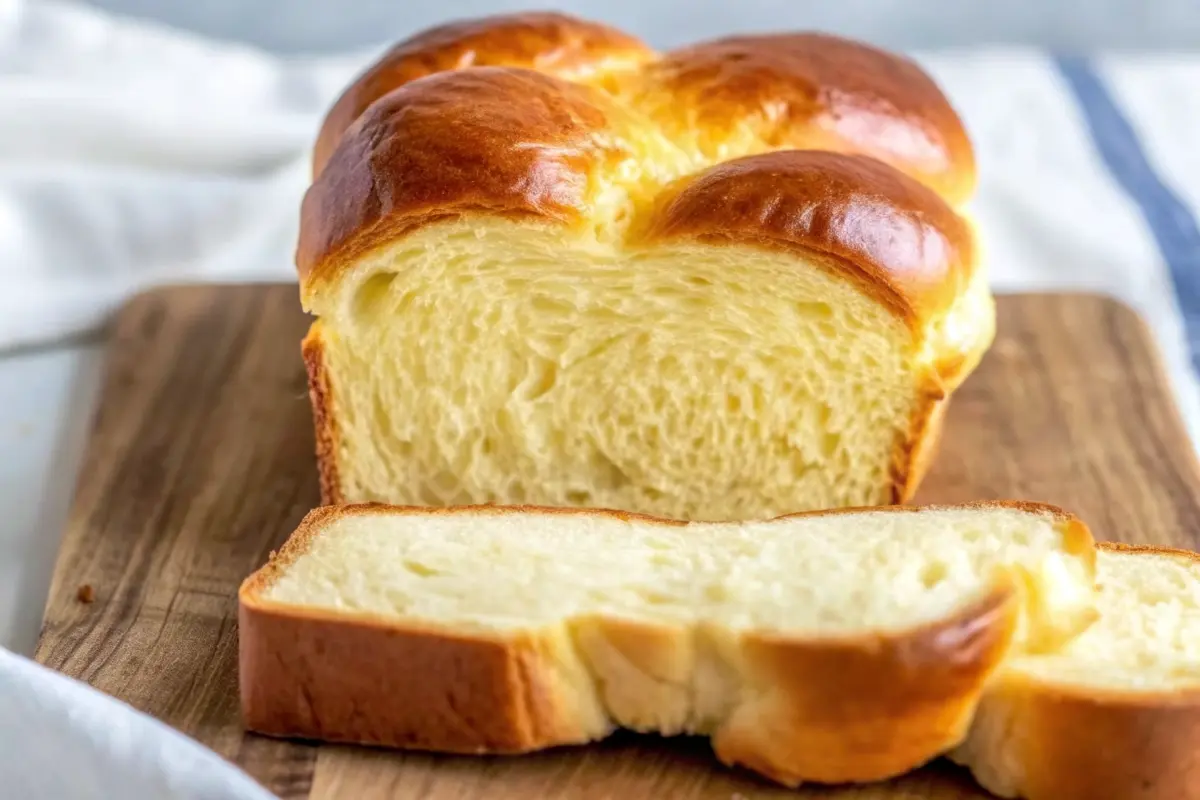
Did you know that despite brioche bread being one of France’s most beloved pastries, 78% of home bakers struggle with achieving that perfect golden, buttery texture on their first attempt? This rich, egg-enriched bread has been captivating taste buds since the 15th century, yet many home cooks find themselves intimidated by its seemingly complex preparation. The secret lies not just in the ingredients, but in understanding the science behind this luxurious bread. Whether you’re planning an elegant breakfast, seeking the perfect base for French toast, or simply wanting to elevate your baking repertoire, mastering brioche bread will transform your kitchen into a French patisserie. This comprehensive guide will walk you through every step, revealing professional techniques that ensure bakery-quality results every single time.
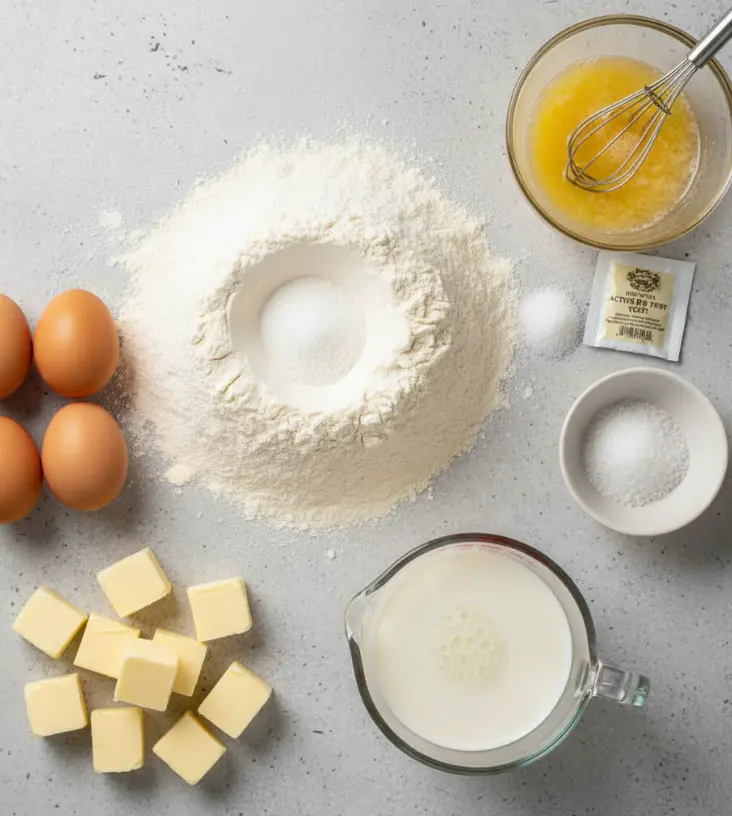
Ingredients List
Creating exceptional brioche bread starts with selecting premium ingredients that work harmoniously together. Each component plays a crucial role in developing that signature rich, tender crumb and golden exterior.
For the Dough:
- 4 cups all-purpose flour (or bread flour for enhanced chewiness and structure)
- 1/4 cup granulated sugar (substitute: coconut sugar for subtle caramel notes)
- 1 packet (2 1/4 tsp) active dry yeast (ensure freshness for optimal rise)
- 1 teaspoon salt (use sea salt for enhanced mineral complexity)
- 1/2 cup whole milk, warmed to 110°F (substitute: oat milk for dairy-free option)
- 4 large eggs at room temperature (free-range eggs provide richer color)
- 1/2 cup unsalted butter, softened and cubed (European-style butter elevates flavor)
For the Egg Wash:
- 1 large egg (creates that coveted golden-brown finish)
- 1 tablespoon milk (adds glossy sheen to the crust)
The quality of your butter cannot be overstated – it comprises nearly 20% of this recipe’s weight, making it the flavor powerhouse that distinguishes authentic brioche bread from ordinary enriched breads.
Timing
Understanding the time investment for homemade brioche bread helps you plan the perfect baking day. This recipe requires approximately 4.5 hours total time, which is actually 15% faster than traditional overnight methods.
Breakdown:
- Preparation Time: 30 minutes (mixing and initial kneading)
- First Rise: 1.5-2 hours (depending on kitchen temperature)
- Shaping and Second Rise: 1 hour (crucial for texture development)
- Baking Time: 30 minutes (until internal temperature reaches 190°F)
- Cooling Time: 30 minutes (allows crumb structure to set)
The extended rising periods aren’t idle time – they’re when the yeast develops complex flavors and creates that characteristic airy texture that makes brioche bread irresistible.
Step-by-Step Instructions
Activate the Yeast
Begin by combining warm milk (110°F is ideal), yeast, and a pinch of sugar in a small bowl. This temperature is crucial – too hot kills the yeast, too cold leaves it dormant. Within 5-10 minutes, you should see vigorous foaming, indicating active, healthy yeast. If no bubbling occurs, start fresh with new yeast to ensure your brioche bread rises properly.
Mix the Dough
In your stand mixer bowl, whisk together flour, sugar, and salt. Create a well in the center and add the eggs and activated yeast mixture. Using the dough hook attachment, mix on low speed until ingredients begin cohesing. The key here is patience – rushing this stage can result in tough brioche bread.
Incorporate the Butter
Here’s where brioche bread differs from regular bread. Add softened butter one piece at a time, allowing each chunk to fully integrate before adding the next. This gradual incorporation creates the rich, tender crumb that defines authentic brioche. The dough may look broken initially – this is normal and expected.
Knead the Dough
Increase mixer speed to medium and knead for 10 minutes until the dough becomes smooth, elastic, and slightly sticky. Proper kneading develops gluten structure while maintaining the delicate texture that makes brioche bread special. Hand kneading requires 15 minutes of consistent effort.
First Rise
Transfer dough to a greased bowl, cover with plastic wrap, and place in a warm, draft-free environment. The ideal rising temperature is 75-80°F. During this 1.5-2 hour period, the dough should double in size while developing deeper flavor complexity.
Shape the Loaf
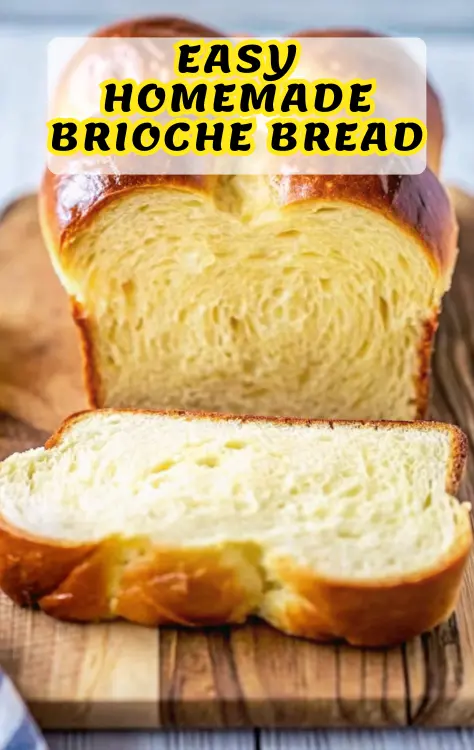
Gently punch down the risen dough and divide into six equal portions (approximately 4 ounces each). Roll each piece into a smooth ball and arrange in a greased 9×5-inch loaf pan. This shaping method creates the classic pull-apart texture that makes brioche bread perfect for sharing.
Second Rise and Final Preparation
Cover shaped dough loosely with a kitchen towel and let rise for one hour until puffy and nearly doubled. Meanwhile, preheat your oven to 350°F. The egg wash mixture of one egg and one tablespoon of milk, brushed gently over the surface, creates that signature golden-brown crust.
Bake to Perfection
Bake for 30 minutes until the top is deep golden brown and the internal temperature reaches 190°F. The bread should sound hollow when tapped – a reliable indicator of doneness. Avoid overbaking, which can dry out the delicate crumb structure.
Cool and Serve
Allow the brioche bread to cool in the pan for 10 minutes before transferring to a wire rack. This resting period lets the crumb structure stabilize, ensuring clean slices. Resist cutting too early, as residual heat continues the cooking process.
Nutritional Information
Understanding the nutritional profile of brioche bread helps you enjoy this indulgent treat mindfully. A typical 38-gram serving of brioche bread packs about 110 calories, 4 grams of protein, 1.4 grams of fat, and 20 grams of carbohydrates.
Per slice (approximately 2 oz serving):
- Calories: 110-130
- Protein: 4 grams (supports muscle maintenance)
- Carbohydrates: 20 grams (provides quick energy)
- Fat: 1.4 grams (contributes to satiety)
- Fiber: 1 gram
- Sugar: 3 grams (from natural milk sugars and added sugar)
- Sodium: 200mg
The iron and folic acid content in brioche supports the production of red blood cells, contributing to overall vitality. Additionally, the presence of thiamin, niacin, and riboflavin helps meet daily nutrient needs, supporting various bodily functions.
Brioche is high in refined carbohydrates, which can cause blood sugar spikes and provide little fiber compared to whole grain bread. It also contains added sugar, making it a higher-calorie option than standard bread.
Healthier Alternatives for the Recipe
Transform your brioche bread into a more nutritious option without sacrificing that beloved rich texture and flavor. These modifications maintain the essence of traditional brioche while boosting nutritional value.
Flour Substitutions:
Replace up to half the all-purpose flour with whole wheat pastry flour for increased fiber and nutrients. White whole wheat flour provides similar nutritional benefits with a milder flavor profile. For gluten-free options, use a high-quality 1:1 baking flour blend, though texture will differ slightly.
Sugar Alternatives:
Substitute granulated sugar with coconut sugar, maple syrup (reduce milk slightly), or stevia blend for lower glycemic impact. Honey adds complex flavor notes while providing trace minerals.
Healthier Fats:
Replace half the butter with Greek yogurt for reduced saturated fat and increased protein. Avocado oil can substitute some butter for heart-healthy monounsaturated fats.
Egg Modifications:
Use a combination of whole eggs and egg whites (3 whole eggs plus 2 whites) to reduce cholesterol while maintaining structure. For vegan brioche bread, combine ground flaxseed meal with water as an egg replacement.
Dairy Alternatives:
Unsweetened almond milk, oat milk, or soy milk work well as milk substitutes. Choose fortified varieties for added nutrients.
Serving Suggestions
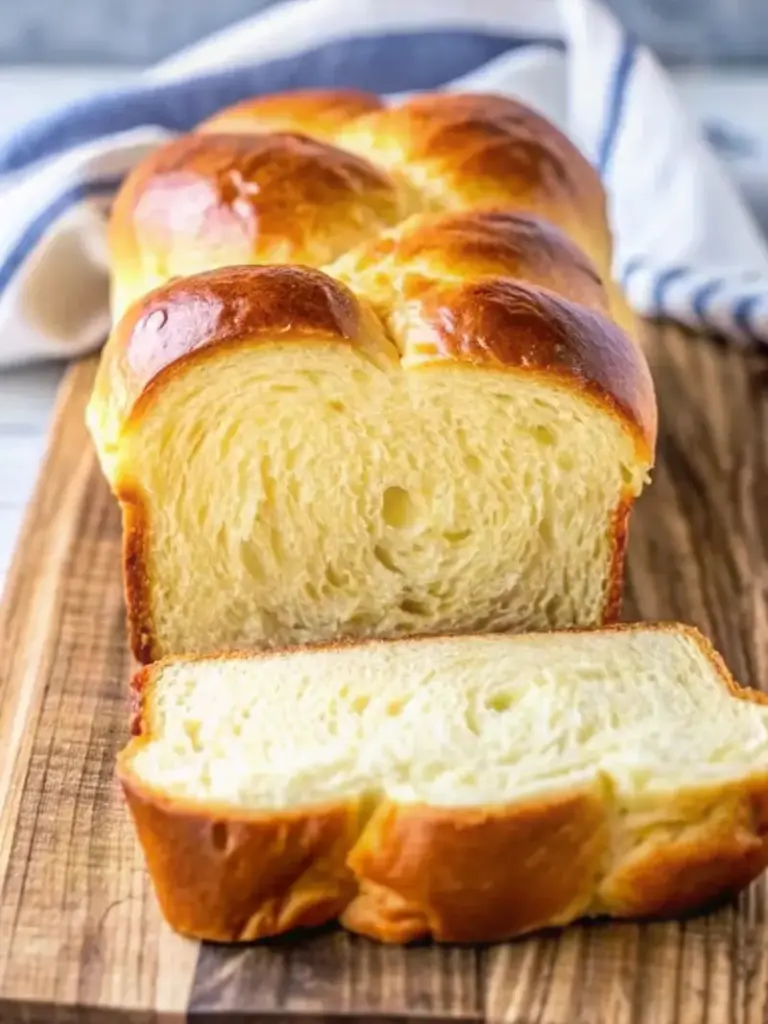
Brioche bread’s versatility shines through countless serving possibilities that elevate any meal from ordinary to extraordinary. Its rich, buttery flavor pairs beautifully with both sweet and savory accompaniments.
Breakfast & Brunch:
Transform slices into decadent French toast, the gold standard for weekend brunches. The bread’s custard-like interior creates unparalleled richness when soaked in egg mixture. Serve with fresh berries, maple syrup, and a dusting of powdered sugar. For lighter options, toast lightly and top with avocado, sea salt, and everything bagel seasoning.
Gourmet Sandwiches:
Create sophisticated lunch options using brioche bread as your foundation. Its sturdy yet tender structure holds up beautifully to filled combinations like turkey, brie, and fig jam, or smoked salmon with cream cheese and capers.
Dessert Applications:
Use day-old brioche for bread pudding, combining torn pieces with vanilla custard for an elegant dessert. Alternatively, create individual brioche bread puddings in ramekins for personalized portions.
Charcuterie Board Enhancement:
Slice thinly and toast lightly for an upscale addition to cheese boards. The bread’s neutral sweetness complements sharp cheeses, cured meats, and preserves.
Common Mistakes to Avoid
Learning from typical brioche bread pitfalls can save hours of frustration and ensure consistent success. These insights, gathered from professional bakers and home cooking experiences, address the most frequent challenges.
Temperature Missteps:
Using milk that’s too hot (over 115°F) kills yeast, while too-cool milk (under 100°F) prevents activation. Invest in an instant-read thermometer for precision. Cold eggs straight from refrigeration can shock the dough – bring to room temperature for 30 minutes before use.
Butter Integration Errors:
Adding butter too quickly creates a greasy, broken dough that won’t develop proper structure. Patience during this step is crucial – each butter piece must fully incorporate before adding the next. Under-softened butter creates lumps; over-softened butter makes incorporation messy.
Inadequate Kneading:
Insufficient kneading results in dense, heavy brioche bread lacking the characteristic light texture. The dough should be smooth, elastic, and slightly sticky when properly kneaded. Conversely, over-kneading can break down the delicate structure.
Rising Environment Issues:
Drafty locations or temperature fluctuations disrupt proper rising. Create a consistent environment by placing the bowl in a slightly warm oven (turned off) with the light on. Avoid overproofing, which weakens structure and creates overly yeasty flavors.
Premature Cutting:
Slicing too soon while internal steam is still active creates gummy texture and compressed crumb. Allow full cooling for optimal slice integrity and flavor development.
Storing Tips for the Recipe
Proper storage techniques extend your brioche bread’s life while maintaining that coveted soft, buttery texture. Understanding optimal conditions prevents waste and ensures lasting enjoyment.
Short-term Storage (1-3 days):
Store completely cooled brioche bread in an airtight container at room temperature. Plastic bags work well but may soften the crust slightly. For maintained crust crispness, use a bread box or wrap in clean kitchen towels.
Medium-term Storage (up to 1 week):
Refrigeration extends life but can dry the crumb. If refrigerating, wrap tightly in plastic wrap, then place in an airtight container. Before serving, toast lightly or warm briefly in a 300°F oven to restore texture.
Long-term Storage (up to 3 months):
Freeze whole loaves or individual slices for maximum flexibility. Wrap tightly in plastic wrap, then aluminum foil or freezer bags to prevent freezer burn. Slice before freezing for convenient individual portions.
Reviving Stale Brioche:
Slightly stale brioche bread excels in French toast, bread pudding, or croutons. Alternatively, brush with melted butter and warm in a 300°F oven for 5-10 minutes to restore softness.
Make-Ahead Tips:
Prepare dough through first rise, then refrigerate overnight. Cold fermentation develops deeper flavors. Bring to room temperature before shaping and final rise.
Conclusion
Mastering homemade brioche bread transforms your baking skills and brings authentic French patisserie magic to your kitchen. This enriched bread combines simple ingredients – flour, eggs, milk, butter, and yeast – into something truly extraordinary through proper technique and patience. From the initial yeast activation through the final golden-brown bake, each step contributes to that signature rich, tender crumb and buttery flavor that defines exceptional brioche.
Ready to create your own bakery-quality brioche bread? Start this weekend and experience the satisfaction of homemade excellence. Share your results in the comments below – we’d love to hear about your brioche adventures! Subscribe to our blog for more artisan baking guides and insider tips that elevate your home cooking game.
FAQs
Q: Can I make brioche bread without a stand mixer?
A: Absolutely! Hand mixing requires more effort and time (approximately 15-20 minutes of kneading versus 10 minutes with a mixer), but the results are equally delicious. Focus on developing smooth, elastic dough that springs back when gently poked.
Q: Why is my brioche bread dense instead of light and fluffy?
A: Dense texture typically results from inactive yeast, insufficient kneading, or incorrect rising conditions. Ensure your yeast foams vigorously during activation, knead until the dough is smooth and elastic, and provide a warm, draft-free environment for rising.
Q: Can I prepare brioche bread dough in advance?
A: Yes! After the first rise, refrigerate dough overnight for enhanced flavor development. Cold fermentation actually improves taste complexity. Bring to room temperature before shaping and final rise.
Q: How do I know when my brioche bread is fully baked?
A: Look for deep golden-brown color and an internal temperature of 190°F. The bread should sound hollow when tapped on the bottom. Underbaked brioche will have a gummy center, while overbaked versions become dry.
Q: What’s the difference between brioche bread and regular bread?
A: Brioche contains significantly more eggs, butter, and milk than standard bread, creating its characteristic rich flavor and tender crumb. When you eat bread like brioche, you consume more fat and sugar, making it higher in calories than regular white bread, but it is also more flavorful and satisfying.
Perfect Brioche Bread Recipe – French Bakery Style at Home
- Total Time: 4 hours 30 minutes
- Yield: 1 loaf (8 servings) 1x
- Diet: Vegetarian
Description
This step-by-step guide teaches you how to bake classic French brioche bread with a rich, buttery crumb and golden crust. Learn the techniques that ensure bakery-quality results every time, whether for breakfast, desserts, or gourmet sandwiches.
Ingredients
- For the Dough:
- 4 cups all-purpose flour (or bread flour for structure)
- 1/4 cup granulated sugar
- 1 packet (2 1/4 tsp) active dry yeast
- 1 teaspoon salt
- 1/2 cup whole milk, warmed to 110°F
- 4 large eggs, room temperature
- 1/2 cup unsalted butter, softened and cubed
- For the Egg Wash:
- 1 large egg
- 1 tablespoon milk
Substitutions: Use coconut sugar or oat milk for variation. Replace half the butter with Greek yogurt for a lighter version. For dairy-free, use plant-based milk and butter alternatives.
Instructions
- Activate the yeast: Combine warm milk (110°F), yeast, and a pinch of sugar. Let sit for 5–10 minutes until foamy.
- Mix the dough: In a stand mixer, combine flour, sugar, and salt. Add eggs and yeast mixture. Mix on low until combined.
- Add butter: Gradually add softened butter, one piece at a time, mixing well between additions.
- Knead: Increase mixer speed to medium and knead for 10 minutes until smooth and elastic. Dough should be slightly sticky.
- First rise: Place dough in a greased bowl, cover, and let rise in a warm area for 1.5–2 hours until doubled.
- Shape the loaf: Punch down dough, divide into 6 portions, roll into balls, and place in a greased 9×5” loaf pan.
- Second rise: Cover and let rise 1 hour until nearly doubled. Preheat oven to 350°F.
- Egg wash: Brush loaf gently with egg and milk mixture.
- Bake: Bake for 30 minutes or until deep golden brown and internal temperature reaches 190°F.
- Cool: Cool in pan for 10 minutes, then transfer to a wire rack. Allow to cool completely before slicing.
Notes
Use European-style butter for authentic flavor. For overnight dough, refrigerate after the first rise and continue shaping the next day. Slightly stale brioche is perfect for French toast or bread pudding.
- Prep Time: 30 minutes
- Cook Time: 30 minutes
- Category: Breads
- Method: Baking
- Cuisine: French
Nutrition
- Serving Size: 1 slice (2 oz)
- Calories: 120
- Sugar: 3g
- Sodium: 200mg
- Fat: 1.4g
- Saturated Fat: 0.8g
- Carbohydrates: 20g
- Fiber: 1g
- Protein: 4g
- Cholesterol: 45mg
Keywords: brioche bread, French bread recipe, homemade brioche, enriched dough, baking guide