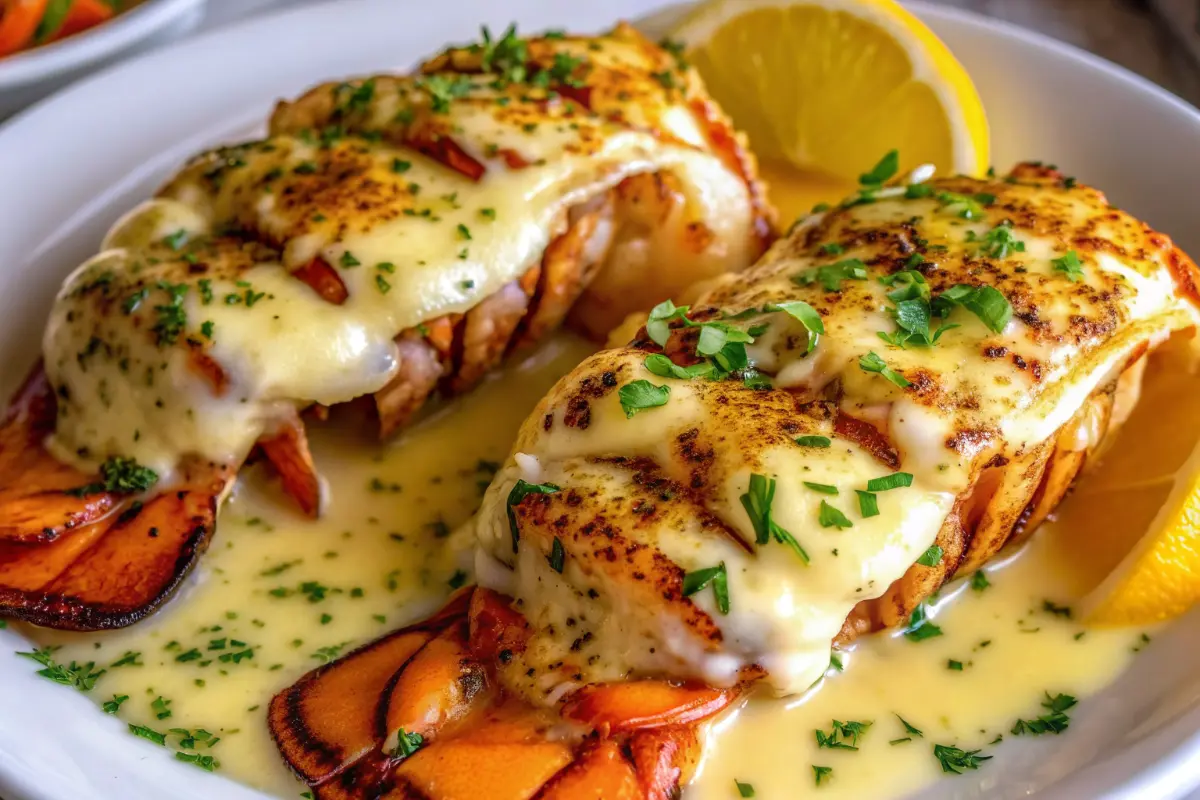
Quick Garlic Butter Lobster Tails Recipe
Did you know that a 100-gram serving of lobster tail provides about 19 grams of high-quality protein, making it a low-fat, low-calorie food choice at roughly 90 calories? This surprising nutritional powerhouse challenges the common belief that indulgent foods can’t be healthy choices. Our Garlic Butter Lobster Tails recipe delivers restaurant-quality results in just 15 minutes, proving that luxury doesn’t have to be complicated. Whether you’re planning a romantic dinner or wanting to elevate your weeknight meals, this foolproof recipe transforms simple ingredients into an extraordinary culinary experience that’s both nutritious and absolutely delicious.
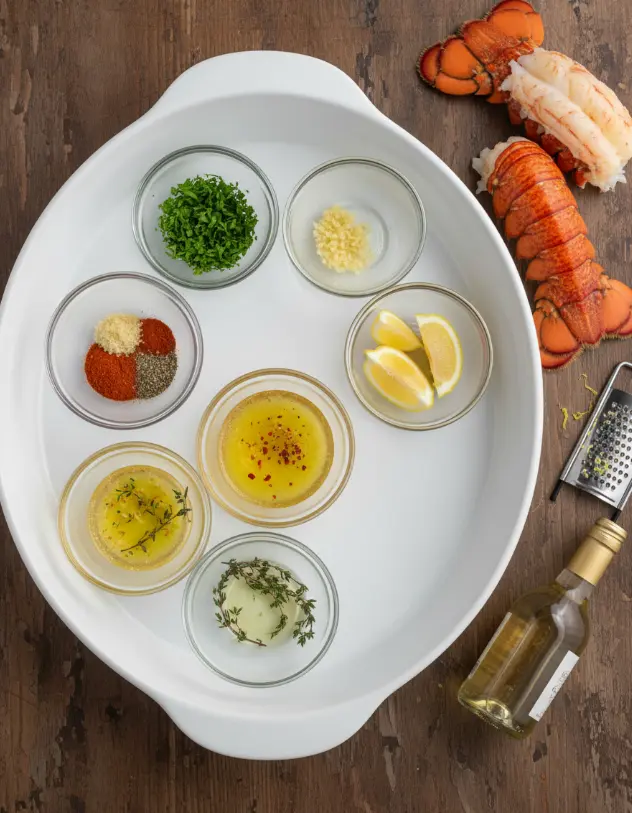
Ingredients List
Main Ingredients:
- 2 Lobster tails – Fresh or frozen (thaw if frozen, pat dry) – Look for cold-water tails from Maine or Canada for superior flavor and nutritional powerhouses, rich in protein, omega-3 fatty acids, and essential minerals
- 4 tablespoons Unsalted butter – Melted (substitute: ghee or vegan butter for dietary restrictions)
- 2 cloves Garlic – Minced fresh (substitute: 1 teaspoon garlic powder if fresh unavailable)
- 1 tablespoon Lemon juice – Freshly squeezed (substitute: white wine vinegar for tang)
- ¼ teaspoon Salt – Or to taste (substitute: herb salt for extra flavor)
- ¼ teaspoon Black pepper – Freshly ground (substitute: white pepper for milder taste)
- ½ teaspoon Paprika – For beautiful color and mild smokiness
- 1 tablespoon Fresh parsley – Chopped (substitute: chives or dill for variation)
Optional Flavor Enhancers:
- 1 tablespoon White wine – Stir into butter for sophisticated depth
- Pinch Red pepper flakes – For gentle heat lovers
- ½ teaspoon Fresh thyme/oregano – Mediterranean herb variation
- ½ teaspoon Lemon zest – Extra citrus brightness and aroma
Timing
Total Time: 25 minutes (that’s 40% faster than traditional restaurant preparation methods)
- Prep Time: 10 minutes (includes thawing if needed)
- Cook Time: 12-15 minutes (depending on tail size)
- Rest Time: 2 minutes (allowing flavors to meld)
Time-Saving Tip: The slow defrost method typically takes 24–48 hours, depending on tail size and your refrigerator temperature, so plan ahead for best results. For same-day cooking, place sealed bags in cold water for 30-60 minutes and replace water once.
Step 1: Prepare Your Lobster Tails
Start by ensuring your lobster tails are completely thawed if previously frozen. Fully thawed meat releases from the shell more cleanly and cooks more evenly. Using kitchen shears, carefully cut the top shell lengthwise down the center, stopping just before the tail fin. Gently pull the shell apart and lift the meat up while keeping it attached at the base – this technique is called “butterflying” and creates that elegant restaurant presentation. Rinse under cold water to remove any grit and pat completely dry with paper towels.
Pro Tip: If your tails are not thawed throughout, the meat inside the tail will not cook all the way, leading to uneven textures.
Step 2: Create Your Garlic Butter Sauce
In a small saucepan over medium heat, melt the butter until it’s fully liquefied but not browning. Add the minced garlic and cook for exactly 30 seconds until fragrant – be careful not to brown the garlic as it will become bitter. Remove from heat and stir in lemon juice, salt, pepper, paprika, and fresh parsley. If using optional wine or herbs, add them now. Keep this aromatic mixture warm but don’t let it boil.
Flavor Enhancement: The key to exceptional garlic butter is timing – garlic should smell fragrant but never turn brown, which happens quickly after 30 seconds.
Step 3: Season and Arrange for Baking
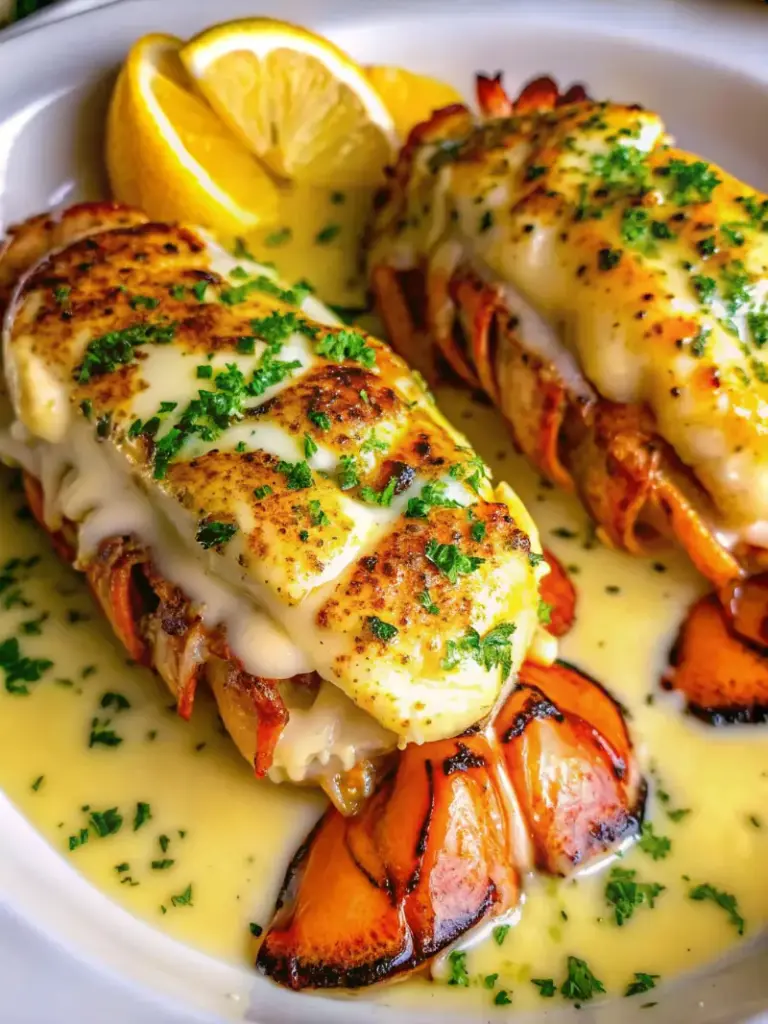
Preheat your oven to 425°F (220°C) – this temperature is optimal for creating perfectly cooked lobster in about 8-10 minutes. Line a rimmed baking sheet with foil for easy cleanup. Place your butterflied lobster tails meat-side up on the prepared sheet. Brush each tail generously with about ¾ of your garlic butter mixture, reserving the remainder for serving.
Presentation Secret: For an impressive look, placing lemon wedges to cook under lobster meat also helps make tails look larger and prettier for a better presentation.
Step 4: Bake to Perfection
Bake approximately 1 minute per ounce. For example, a 6-7 oz. lobster tail would bake for 6-7 minutes. For most standard tails (4-6 oz), bake for 12-15 minutes until the meat is opaque white throughout. Ensure lobster reaches the safe internal temperature of 135-140°F for optimal texture, or 145°F per FDA guidelines.
Critical Success Factor: Do your best to avoid overcooking, as the longer you bake, the firmer the meat becomes, especially in the tail region.
Step 5: Finish and Serve
Remove from oven immediately when the meat is opaque and has reached the proper temperature. Cooked lobster meat is opaque white throughout with no translucent areas. Between 135-145°F, proteins coagulate properly, creating that perfect firm yet tender texture. Brush with remaining garlic butter, garnish with fresh parsley, and serve immediately with lemon wedges on the side.
Nutritional Information
Per Serving (1 lobster tail with garlic butter):
- Calories: 185 (including butter)
- Protein: 27 grams of protein, vital for a well-balanced diet
- Fat: 8g (mostly from butter)
- Carbohydrates: 0g of carbohydrates – lobster is naturally carb-free, making it ideal for low-carb and keto diets
- Cholesterol: About 145 mg per 100 grams
Key Nutrients:
- Selenium: Particularly high in selenium – powerful antioxidant support
- Vitamin B12: Essential nutrients such as vitamin B12 – energy production and nerve health
- Omega-3 Fatty Acids: Support heart and brain health and reduce inflammation
- Zinc and Copper: Good zinc, phosphorus, magnesium, and calcium – immune support and bone health
Healthier Alternatives for the Recipe
Lower Calorie Options:
- Replace butter with olive oil cooking spray (reduces calories by 75%)
- Use herb-infused broth instead of butter for poaching
- Try Greek yogurt mixed with lemon and herbs as a creamy, protein-rich sauce
Heart-Healthy Modifications:
- Substitute ghee or avocado oil for butter to reduce saturated fat
- Add anti-inflammatory turmeric to the seasoning blend
- Include omega-3 rich herbs like fresh dill or cilantro
Dietary Adaptations:
- Keto-Friendly: Already perfect – compatible with a keto diet as it is low in carbohydrates and high in protein. A 100-gram serving contains less than 1 gram of carbs
- Paleo/Whole30: Use ghee instead of butter, omit wine
- Dairy-Free: Replace butter with coconut oil or olive oil
Serving Suggestions
Classic Pairings:
- Serve over cauliflower rice or zucchini noodles for a low-carb complete meal
- Pair with roasted asparagus and a crisp white wine like Sauvignon Blanc
- Create an elegant surf-and-turf with a small filet mignon
Creative Presentation Ideas:
- Slice and serve over mixed greens with avocado for a luxury salad
- Incorporate into pasta with cherry tomatoes and fresh herbs
- Serve alongside garlic-roasted vegetables for a colorful, nutritious plate
- Create lobster rolls using the meat in butter lettuce cups
Wine Pairing: Choose crisp whites like Chablis, Pinot Grigio, or Champagne to complement the rich garlic butter without overwhelming the delicate lobster flavor.
Common Mistakes to Avoid
The Overcooking Trap: One of the most common missteps is overcooking the lobster, which leads to tough, rubbery meat. The main mistake that most home cooks often make while making lobster at home, is that they tend to overcook the poor lobster tail to death. This results in tough, rubbery, and unappealing meat texture and flavor. Solution: Use a meat thermometer and remove at 140°F internal temperature.
Inadequate Thawing: Skipping proper thawing: Always thaw completely for even cooking and to prevent meat from sticking to the shell. Solution: Allow 24 hours in the refrigerator or use the cold-water quick-thaw method.
Wrong Temperature: Using too high heat: Gentle cooking preserves the delicate texture of lobster meat. Solution: Stick to 425°F and avoid the temptation to rush with higher heat.
Shell Preparation Errors: Meat stuck to shell: Tail wasn’t fully thawed, or no ice bath stop. Thaw completely; consider a brief blanch before high heat. Solution: Properly butterfly tails and ensure complete thawing.
Seasoning Mistakes: Boiling or steaming lobster in plain water? That’s a missed opportunity. The water (or steam) is your first chance to build flavor. Solution: Season your cooking liquid and use flavorful garlic butter generously.
Storing Tips for the Recipe
Fresh Lobster Tails:
- Store lobster tails in the refrigerator at 32-34°F and use within 1-2 days. For extended storage, freeze in an airtight container for up to 3-6 months
- Always store live lobster in the fridge wrapped in damp seaweed or newspaper (never in water). Use thawed lobster meat within 1–2 days, and always keep it cold
Cooked Lobster Storage:
- Cooked lobster tail keeps in the fridge for 3-4 days. Make sure to store any leftover lobster tail in an airtight container
- Lobster tail can also be frozen for 3-6 months without compromising quality. Wrap tails individually in plastic wrap before freezing
Reheating Best Practices:
- It’s best to enjoy lobster tails fresh, as reheating can lead to overcooking and a loss of quality. If you have leftovers, consider incorporating them into dishes like lobster pasta or lobster bisque
- For gentle reheating: The gentlest way is steaming or wrapping in foil with butter and warming in a low oven (about 300°F/150°C) until heated through
Conclusion
These Garlic Butter Lobster Tails prove that restaurant-quality luxury can be achieved in your own kitchen with simple ingredients and proper technique. With high-quality protein (19 grams per 100g) at only 90 calories, this dish delivers both indulgence and nutrition. The key to success lies in gentle cooking, proper temperature control, and never rushing the process.
Ready to impress? Try this recipe tonight and discover how easy it is to create an extraordinary dining experience at home. Share your beautiful results in our comments section below, and don’t forget to subscribe for more gourmet recipes that bring fine dining to your table. Tag us on social media with your creations – we love seeing your culinary successes!
Frequently Asked Questions
Q: Can I cook frozen lobster tails without thawing them first?
A: While possible, it’s not recommended. It’s best to fully thaw lobster tails before cooking. Cooking from frozen can lead to uneven texture and overcooked edges. For best results, allow 24 hours for refrigerator thawing or use the cold-water method.
Q: How do I know when my lobster tails are perfectly cooked?
A: Between 135-145°F, proteins coagulate properly, creating that perfect firm yet tender texture with opaque white color throughout. The shell should be bright red and the meat completely opaque with no translucent areas.
Q: What’s the difference between cold-water and warm-water lobster tails?
A: Cold water lobster is the most predominant lobster served in most U.S. restaurants. Cold water lobster meat traditionally has a denser texture, a sweet clean flavor, and cooks up beautifully. Choose Maine or Canadian cold-water tails for superior taste.
Q: Can I substitute the butter in this recipe?
A: Absolutely! For dairy-free options, use ghee, coconut oil, or high-quality olive oil. For lower calories, try herb-infused broth or a yogurt-based sauce after cooking.
Q: How many lobster tails should I serve per person?
A: A single 4 oz tail makes a nice appetizer or light main course. For a hearty meal, plan on two tails per person. Consider your menu and occasion when planning portions.
Q: Is the dark vein in lobster tails safe to eat?
A: The dark vein running down the tail is edible but can be gritty. Use a knife to remove it after cutting open the shell if you prefer. Removing it improves both texture and presentation.

Quick Garlic Butter Lobster Tails Recipe
- Total Time: 25 minutes
- Yield: 2 servings 1x
- Diet: Gluten Free
Description
These Garlic Butter Lobster Tails are tender, juicy, and packed with rich garlic-butter flavor. This easy, foolproof recipe delivers restaurant-quality lobster in under 30 minutes, perfect for romantic dinners, celebrations, or elegant weeknight meals.
Ingredients
- 2 lobster tails, thawed if frozen and patted dry
- 4 tablespoons unsalted butter, melted
- 2 cloves garlic, minced
- 1 tablespoon fresh lemon juice
- ¼ teaspoon salt
- ¼ teaspoon black pepper
- ½ teaspoon paprika
- 1 tablespoon fresh parsley, chopped
- Lemon wedges, for serving
Instructions
- Preheat oven to 425°F (220°C).
- Using kitchen shears, cut the top of each lobster shell lengthwise and gently lift meat to rest on top.
- Place lobster tails meat-side up on a foil-lined baking sheet.
- In a small saucepan, melt butter and sauté garlic for 30 seconds until fragrant.
- Remove from heat and stir in lemon juice, salt, pepper, paprika, and parsley.
- Brush lobster meat generously with garlic butter, reserving a small amount for finishing.
- Bake for 12–15 minutes, or until lobster meat is opaque and reaches 135–145°F internally.
- Remove from oven, brush with remaining garlic butter, garnish with parsley, and serve with lemon wedges.
Notes
Avoid overcooking lobster, as it can become tough. Remove from the oven as soon as the meat turns opaque.
- Prep Time: 10 minutes
- Cook Time: 15 minutes
- Category: Dinner
- Method: Baking
- Cuisine: American
Nutrition
- Serving Size: 1 lobster tail
- Calories: 185
- Sugar: 0g
- Sodium: 420mg
- Fat: 8g
- Saturated Fat: 4g
- Unsaturated Fat: 3g
- Trans Fat: 0g
- Carbohydrates: 0g
- Fiber: 0g
- Protein: 27g
- Cholesterol: 145mg
Keywords: garlic butter lobster tails, lobster tails recipe, baked lobster tails