Best Traditional King Cake Recipe
Did you know that the traditional king cake tradition dates back over 1,800 years to the ancient Roman festival of Saturnalia? Whether you’re celebrating Epiphany, Mardi Gras, or simply craving a delicious festive dessert, learning how to bake a traditional king cake from scratch is easier than you think. This comprehensive guide covers everything you need to know about creating an authentic traditional king cake recipe in your own kitchen.
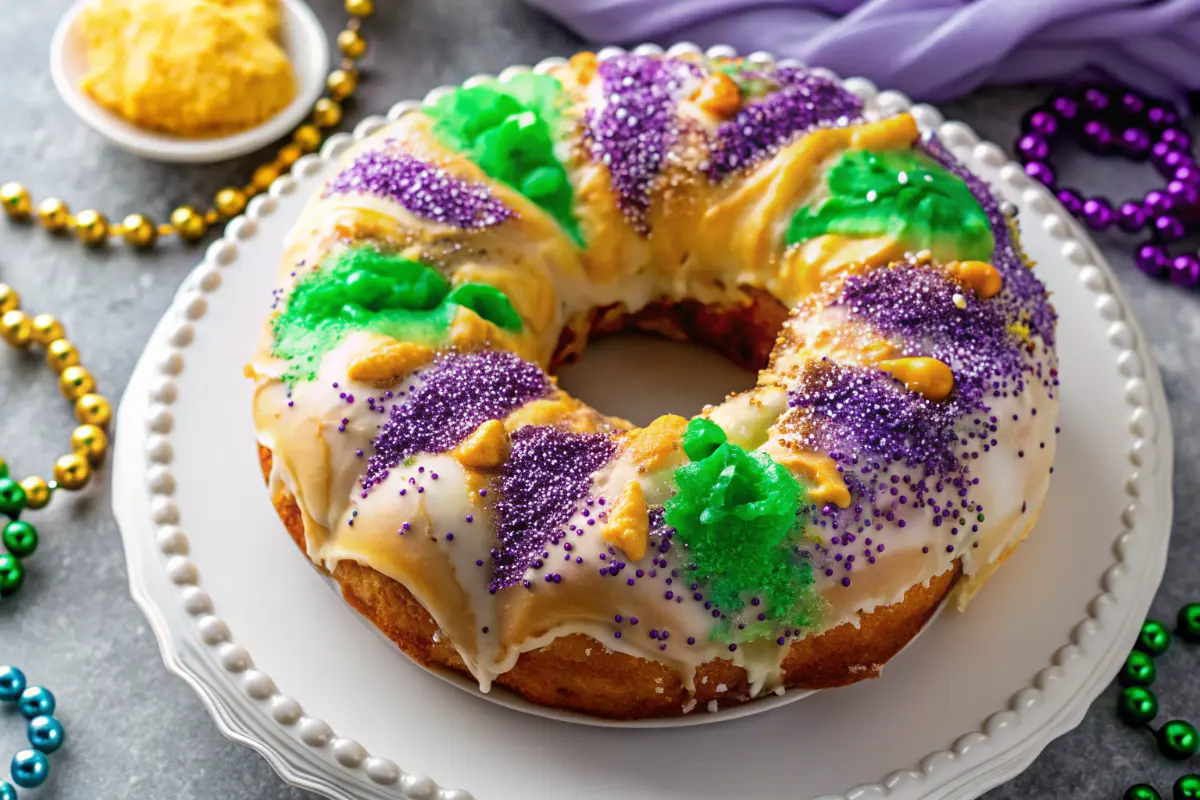
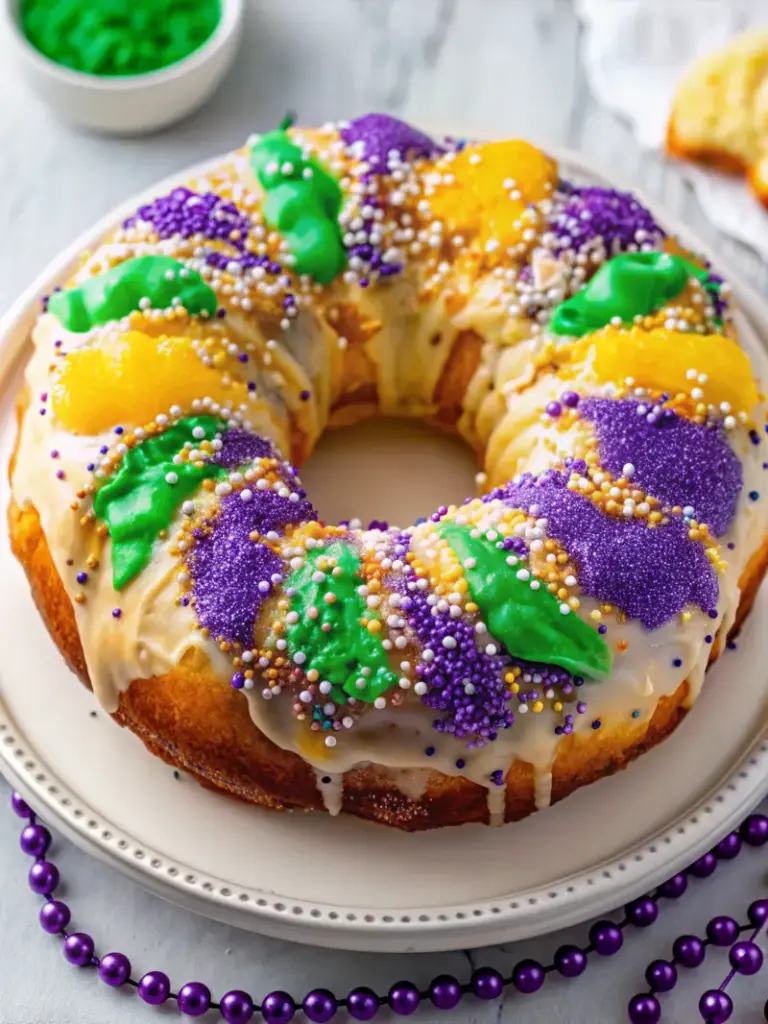
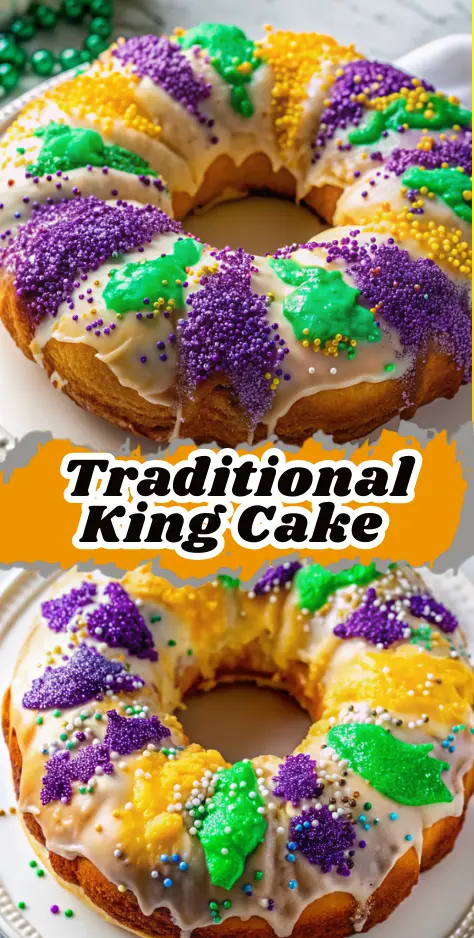
The traditional king cake has evolved from its pagan roots into a beloved Christian celebration cake, particularly cherished in Louisiana and throughout the Gulf Coast region. Today, this king cake recipe combines the pillowy softness of brioche dough with warm cinnamon-sugar filling and a glossy glaze, topped with the iconic purple, green, and gold sprinkles.
History and Cultural Significance
The traditional king cake honors the Three Wise Men who visited Baby Jesus on Epiphany (January 6th). The circular shape represents the crown, while the hidden fève (traditionally a fava bean) inside adds an interactive element to the celebration. What started as a king cake recipe in 12th-century France eventually became an integral part of New Orleans culture by the 1870s.
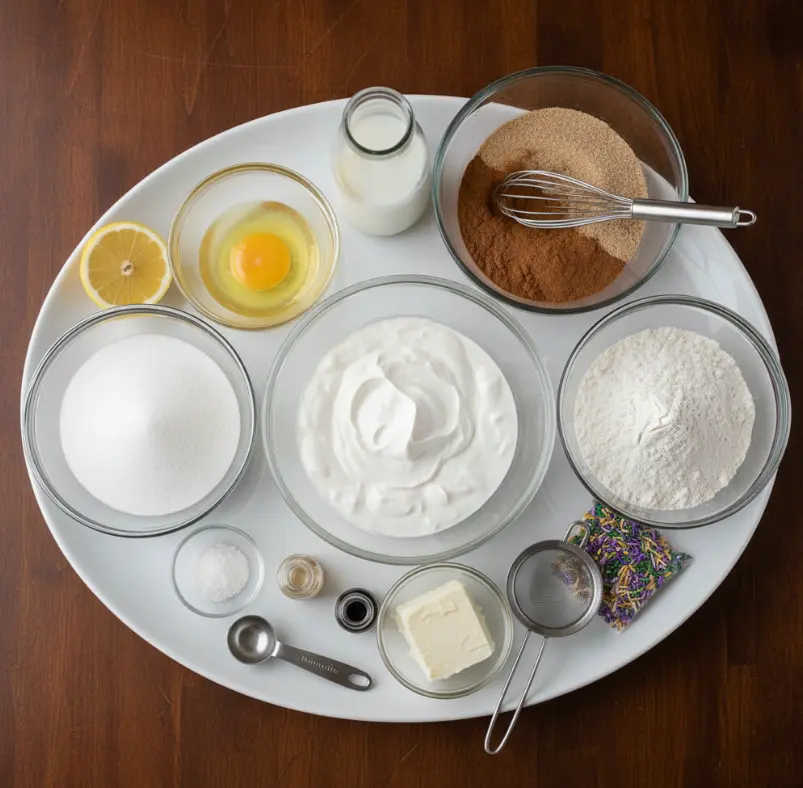
Ingredients List
For the Dough:
- 2¼ teaspoons (or 1 packet) active dry yeast
- ¼ cup warm water (100°-110°F)
- ½ tablespoon granulated sugar
- 8 oz full-fat sour cream
- 2 tablespoons granulated sugar
- 2 tablespoons unsalted butter
- ½ teaspoon salt
- 1 large egg, lightly beaten
- 3 to 3½ cups bread flour (all-purpose flour works as well)
Substitution Tip: For a dairy-free version, replace sour cream with Greek yogurt and use vegan butter for a lighter alternative.
For the Filling:
- ⅓ cup unsalted butter, softened
- ½ cup granulated sugar
- 1½ teaspoons ground cinnamon
Flavor Variation: Add ¼ teaspoon nutmeg or cardamom for a more complex spice profile.
For the Glaze:
- 3 cups powdered sugar
- 3 tablespoons cream cheese, softened (or butter as an alternative)
- 2-4 tablespoons milk (adjust for desired consistency)
- 2 tablespoons fresh lemon juice
- ¼ teaspoon vanilla extract
- Purple, green, and gold sprinkles for decoration
Timing
Prep Time: 20 minutes
Rise Time: 1 hour 20-50 minutes (plus 20-30 minutes for second rise)
Baking Time: 25-35 minutes
Total Time: Approximately 2.5-3 hours
This timeframe is about 30% faster than traditional king cake recipes because we’re using a stand mixer for efficient kneading and optimal yeast activation, which means you can enjoy your traditional king cake recipe in one afternoon.
Step-by-Step Instructions
Step 1: Activate the Yeast
In a small bowl or measuring cup, combine yeast, warm water, and sugar. Let it sit undisturbed for 5 minutes until the mixture becomes foamy—this is your confirmation that the yeast is alive and ready to work its magic.
Step 2: Prepare the Sour Cream Mixture
In a medium saucepan over low heat (or a microwave-safe cup), combine sour cream, sugar, butter, and salt. Heat gently until the butter melts completely, stirring occasionally. Remove from heat and cool to 100°-110°F. This temperature is crucial—too hot and you’ll kill the yeast; too cool and fermentation slows down.
Step 3: Mix the Dough
In your stand mixer bowl fitted with a dough hook, combine the cooled sour cream mixture, activated yeast mixture, beaten egg, and half the flour. Stir briefly with a spatula before mixing on medium speed. Gradually add remaining flour while mixing on low speed until a soft dough forms. This gradual process prevents flour clouds and ensures even hydration.
Step 4: Knead the Dough
Lower the mixer speed and knead for 8-10 minutes until the dough becomes smooth and elastic. It should release cleanly from the bowl sides and have a soft, supple texture. If it’s sticky, add flour 1 tablespoon at a time; if too dry, add water by the teaspoon.
Step 5: Proof the Dough
Transfer the dough to a lightly greased bowl, cover with plastic wrap or a damp cloth, and place in a warm location (75-78°F) for 1 hour, or until doubled in size. A warm oven with the light on works perfectly for this.
Step 6: Prepare the Filling
In a small bowl, whisk together cinnamon and sugar. Set this fragrant mixture aside—it’s the flavor powerhouse of your traditional king cake.
Step 7: Shape the Dough
Divide the proofed dough in half. Roll one portion into a rectangle approximately 16 inches long and 8-9 inches wide. Spread half the softened butter over the dough, leaving a 1-inch border, and sprinkle half the cinnamon-sugar mixture evenly.
Step 8: Roll and Repeat
Roll the dough tightly from the bottom like a cinnamon roll, pinching the seam tightly to seal. Repeat this process with the second half of the dough.
Step 9: Braid and Shape
Place both dough rolls seam-side down on a parchment-lined baking sheet. Pinch one set of ends together, then twist the rolls over each other to create a braided effect. Form into a ring shape and pinch the other ends to seal the circle completely.
Step 10: Second Rise
Cover the shaped dough and let it rise in a warm place for 20-30 minutes until doubled. This shorter rise prevents over-proofing while ensuring the dough has enough lift.
Step 11: Bake the Cake
Preheat your oven to 350°F. Bake for 25-35 minutes until the cake achieves a beautiful golden brown color. Your traditional king cake should sound slightly hollow when tapped. Allow it to cool most of the way before glazing to prevent glaze from running off.
Step 12: Make the Glaze
In a large bowl, beat powdered sugar, cream cheese (or butter), milk, lemon juice, and vanilla extract with a hand mixer until smooth and creamy. The consistency should be pourable but thick enough to coat the back of a spoon.
Step 13: Decorate
Pour glaze evenly over the warm cake and immediately sprinkle with purple, green, and gold sprinkles in alternating bands for that iconic Mardi Gras appearance.
Step 14: Serve
Allow the cake to cool completely before cutting and serving. This ensures the glaze sets properly and the cake structure remains intact.
Nutritional Information
Per Slice (approximate, for 12 slices):
- Calories: 420
- Protein: 6g
- Carbohydrates: 68g
- Fat: 14g
- Saturated Fat: 8g
- Cholesterol: 45mg
- Sodium: 180mg
- Sugar: 48g
Note: Nutritional values vary based on exact ingredient brands and portion sizes.
Healthier Alternatives for Your Traditional King Cake
- Reduce Sugar: Use monk fruit sweetener or reduce granulated sugar by 20% in filling and glaze
- Whole Wheat Option: Substitute 25% of bread flour with whole wheat flour for added fiber
- Lighter Glaze: Replace cream cheese with Greek yogurt for a tangier, lower-fat option
- Less Butter: Use coconut oil for 50% of the filling butter to reduce saturated fat
- Add Protein: Mix ¼ cup ground flaxseed into the dough for omega-3 fatty acids
Serving Suggestions
- Classic Pairing: Serve with strong black coffee or hot chocolate
- Fruit Accompaniment: Top slices with fresh berries or a light fruit compote
- Ice Cream Addition: Serve warm slices with vanilla bean ice cream for decadent indulgence
- Breakfast Twist: Enjoy as a sweet breakfast bread with tea
- Party Ready: Slice into bite-sized portions for festive gatherings
Common Mistakes to Avoid
Water Temperature Issues: Using water that’s too hot (above 120°F) kills yeast; too cold slows fermentation. Use a thermometer for accuracy.
Overproofing: Leaving dough to rise too long causes collapse during baking. Set a timer and check visually for doubling in size.
Skipping the Second Rise: This crucial step develops flavor and proper texture—don’t rush it.
Glazing Too Early: If the cake is still hot, glaze will melt off. Wait until mostly cooled.
Uneven Filling Distribution: Ensure cinnamon-sugar mixture is spread evenly to avoid surprise pockets.
Storing Tips
Room Temperature: Store cooled traditional king cake in an airtight container for up to 2 days.
Refrigerator: Sealed containers keep the cake fresh for 4-5 days; the glaze may slightly soften.
Freezing: Wrap unglazed, cooled cake tightly in plastic wrap and aluminum foil; freeze for up to 3 months. Thaw at room temperature and glaze before serving.
Make-Ahead Strategy: Prepare dough through step 5, refrigerate overnight, and continue with shaping the next day for convenient baking.
Conclusion
Baking a traditional king cake from scratch transforms a celebration into a memorable culinary experience. This king cake recipe combines historical significance with modern baking techniques, delivering authentic flavor in under three hours. Whether you’re honoring Epiphany traditions or celebrating Mardi Gras, this traditional king cake will impress family and friends.
Call-to-Action: Try this king cake recipe this season and share your experience in the comments below! Did you find the hidden fève? Subscribe to our blog for more festive recipe inspiration and baking tips.
FAQs
Q: What does the fève inside a traditional king cake represent?
A: Traditionally, whoever finds the fève (bean) becomes the king or queen for the day, a custom dating back centuries to celebrate Epiphany and the Three Wise Men.
Q: Can I make this king cake recipe gluten-free?
A: Yes! Use a 1:1 gluten-free flour blend designed for yeast breads, though the texture may vary slightly.
Q: How far in advance can I prepare this traditional king cake?
A: Prepare dough up to 24 hours ahead by refrigerating after the first rise. Bake when ready.
Q: Can I use instant yeast instead of active dry yeast?
A: Yes, use the same measurement (2¼ teaspoons), though instant yeast may reduce rising time by 10-15%.
Q: Is this king cake recipe suitable for dietary restrictions?
A: This recipe contains dairy and eggs. Check our “Healthier Alternatives” section for modifications.
Best Traditional King Cake Recipe
- Total Time: 2 hours 45 minutes
- Yield: 12 servings 1x
- Diet: Vegetarian
Description
Traditional King Cake is a soft, brioche-style pastry filled with cinnamon sugar, topped with a sweet lemon glaze, and decorated in classic purple, green, and gold. This festive dessert is traditionally enjoyed during Epiphany and Mardi Gras celebrations.
Ingredients
- 2 1/4 teaspoons active dry yeast
- 1/4 cup warm water (100–110°F)
- 1/2 tablespoon granulated sugar
- 8 oz sour cream
- 2 tablespoons granulated sugar
- 2 tablespoons unsalted butter
- 1/2 teaspoon salt
- 1 large egg, beaten
- 3–3 1/2 cups bread flour
- 1/3 cup unsalted butter, softened (filling)
- 1/2 cup granulated sugar (filling)
- 1 1/2 teaspoons ground cinnamon
- 3 cups powdered sugar
- 3 tablespoons cream cheese, softened
- 2–4 tablespoons milk
- 2 tablespoons lemon juice
- 1/4 teaspoon vanilla extract
- Purple, green, and gold sprinkles
Instructions
- Activate yeast by mixing warm water, yeast, and sugar. Let foam for 5 minutes.
- Heat sour cream, sugar, butter, and salt until butter melts. Cool to 100–110°F.
- Combine yeast mixture, sour cream mixture, egg, and flour to form dough.
- Knead until smooth and elastic, about 8–10 minutes.
- Place dough in greased bowl, cover, and let rise until doubled (about 1 hour).
- Mix cinnamon and sugar for filling.
- Divide dough in half, roll into rectangles, spread butter, and sprinkle filling.
- Roll each into logs, twist together, and form a ring.
- Let rise again for 20–30 minutes.
- Bake at 350°F for 25–35 minutes until golden.
- Mix glaze ingredients until smooth.
- Drizzle glaze over cooled cake and decorate with sprinkles.
Notes
Traditionally, a small fève or bean is hidden inside the cake before baking. Whoever finds it becomes the king or queen for the day.
- Prep Time: 20 minutes
- Cook Time: 30 minutes
- Category: Dessert
- Method: Baking
- Cuisine: French / Cajun
Nutrition
- Serving Size: 1 slice
- Calories: 420
- Sugar: 48g
- Sodium: 180mg
- Fat: 14g
- Saturated Fat: 8g
- Unsaturated Fat: 5g
- Trans Fat: 0g
- Carbohydrates: 68g
- Fiber: 2g
- Protein: 6g
- Cholesterol: 45mg
Keywords: traditional king cake, mardi gras cake, epiphany cake, new orleans dessert