Best Homemade Limoncello Recipe
Have you ever wondered why homemade limoncello tastes infinitely better than store-bought versions, yet remains surprisingly simple to make? The secret lies in fresh ingredients and a little patience—nothing more. Making homemade limoncello is one of the easiest infusion projects you can undertake, requiring just a handful of quality ingredients and minimal hands-on time. Whether you’re looking to impress guests, create thoughtful gifts, or simply enjoy a taste of Italy from your own kitchen, homemade limoncello is the answer.
This vibrant, citrus-forward liqueur has gained popularity worldwide, but creating your own version allows you to control the sweetness level, intensity, and alcohol content to match your preferences perfectly. In this comprehensive guide, we’ll walk you through everything you need to know about making authentic homemade limoncello, from selecting the right lemons to bottling your final masterpiece.
Ingredients List
Creating exceptional homemade limoncello requires quality ingredients and strategic choices. Here’s exactly what you’ll need:
Essential Ingredients:
- 8 large unwaxed lemons – The foundation of your limoncello. Organic, unwaxed lemons are crucial because you’ll be using the peel extensively, and you want to avoid any pesticide residue. The size matters; larger lemons yield more peel and juice, making them more efficient.
- 3 cups high-quality vodka – Use a good quality vodka with a clean taste. While some recipes recommend grain alcohol like Everclear (95% ABV), vodka works beautifully and is more accessible for most home cooks.
- 1 cup granulated white sugar – Pure, refined white sugar dissolves cleanly and allows the lemon flavor to shine through without competing flavors.
- 1 cup filtered water – Spring or filtered water produces the clearest, most refined final product compared to tap water.
Optional Equipment Considerations:
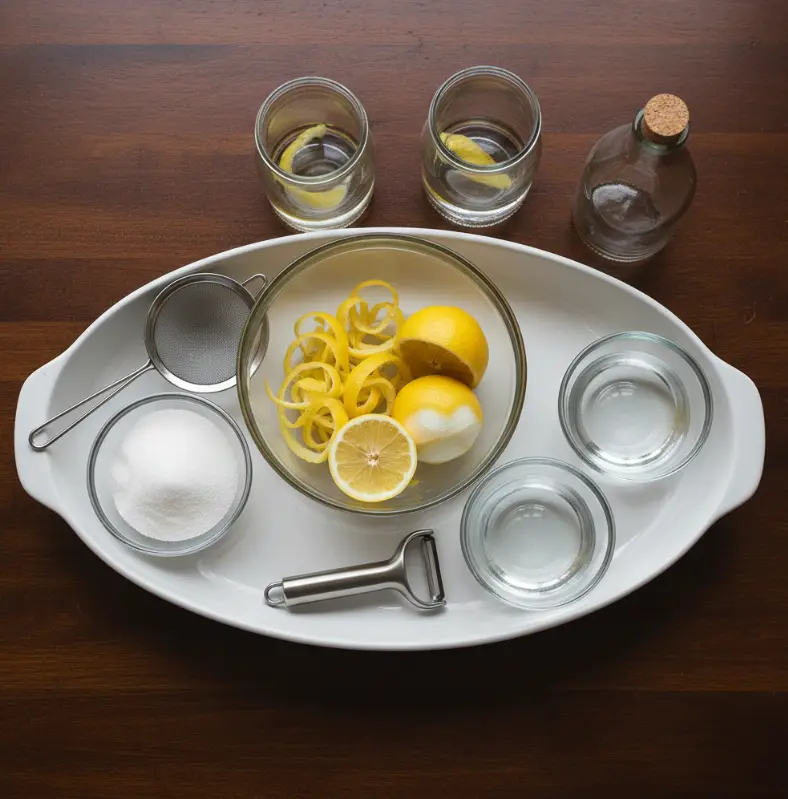
While the recipe itself requires just four ingredients, having these items on hand elevates the process: a vegetable peeler for precise lemon peeling, a fine mesh sieve for straining, a large glass jar with a tight-fitting lid, and attractive bottles for storage or gifting.
Ingredient Substitutions:
If unwaxed lemons aren’t available, thoroughly wash and dry regular lemons before peeling. For a less potent version, you can substitute vodka with lighter spirits, though this will affect the final flavor profile and shelf life.
Timing: Your Complete Time Breakdown
Understanding the time commitment helps you plan accordingly:
- Active Preparation Time: 15-20 minutes (peeling lemons, juicing, measuring ingredients)
- Infusion/Steeping Time: 14-30 days (the critical flavor development phase)
- Final Processing Time: 10-15 minutes (making syrup, straining, bottling)
- Total Project Timeline: 14-31 days
The infusion period is non-negotiable for developing bold, authentic flavor. While homemade limoncello is technically drinkable immediately, waiting at least two weeks produces dramatically superior results with deeper lemon complexity and smoothness. Most experts recommend the full month for maximum flavor intensity.
Step-by-Step Instructions
Step 1: Prepare Your Lemon Peels
Start by carefully peeling your lemons using a vegetable peeler, focusing on removing only the yellow zest while completely avoiding the bitter white pith beneath. This step requires patience—use light pressure and deliberate strokes. The pith contains compounds that create unwanted bitterness, so precision here directly impacts your final product’s quality. After peeling, you should have vibrant yellow strips ready for infusion.
Step 2: Juice Your Lemons
After peeling, juice all eight lemons through a fine mesh sieve to catch any pulp or seeds. You’ll need the lemon juice for this recipe variation, which adds brightness and authentic flavor depth. Fresh-squeezed juice is essential—never use bottled lemon juice, which lacks the complex flavor compounds of fresh citrus.
Step 3: Combine Lemon Peel and Vodka
In your large glass jar, combine the lemon peels with your 3 cups of vodka, stirring to ensure all peels are submerged. Seal the jar tightly with an airtight lid—this containment is crucial for preserving the infusion and preventing evaporation. The alcohol extracts the essential oils, flavor compounds, and beautiful yellow pigmentation from the lemon peel during the steeping process.
Step 4: Store in a Cool, Dark Place
Place your sealed jar in a cool, dark location—a pantry, cupboard, or dark shelf works perfectly. Avoid direct sunlight and temperature fluctuations, as these degrade the quality of your infusion. Temperature consistency ensures even extraction and optimal flavor development.
Step 5: Shake Occasionally During Infusion
Every few days, gently shake or swirl the jar to redistribute the peels and promote even infusion. This simple action accelerates flavor extraction and ensures consistent results throughout the steeping period.
Step 6: Prepare Your Simple Syrup
On day 14 (or whenever you’ve reached your desired infusion duration), prepare the simple syrup. Pour 1 cup of water into a saucepan and bring it to a gentle boil. Add your 1 cup of granulated sugar, stirring continuously with a wooden spoon until the sugar completely dissolves—approximately 2-3 minutes. Remove from heat and allow the syrup to cool to room temperature. Cool syrup is essential because combining it with the alcohol mixture while warm can create an undesirable haze.
Step 7: Strain the Lemon Peel
Using a fine mesh sieve or colander, carefully strain out the lemon peels from your vodka infusion, placing a large bowl underneath to catch the liquid. Press gently on the peels to extract every drop of the precious limoncello concentrate. Discard the spent peels—they’ve given their all to your creation.
Step 8: Combine and Blend
Pour the cooled simple syrup into your strained lemon-vodka mixture. Add your fresh lemon juice and stir thoroughly for several minutes to ensure complete integration. This blending step is critical for achieving a balanced, harmonious flavor profile where sweetness, citrus intensity, and alcohol warmth work together seamlessly.
Step 9: Bottle Your Limoncello
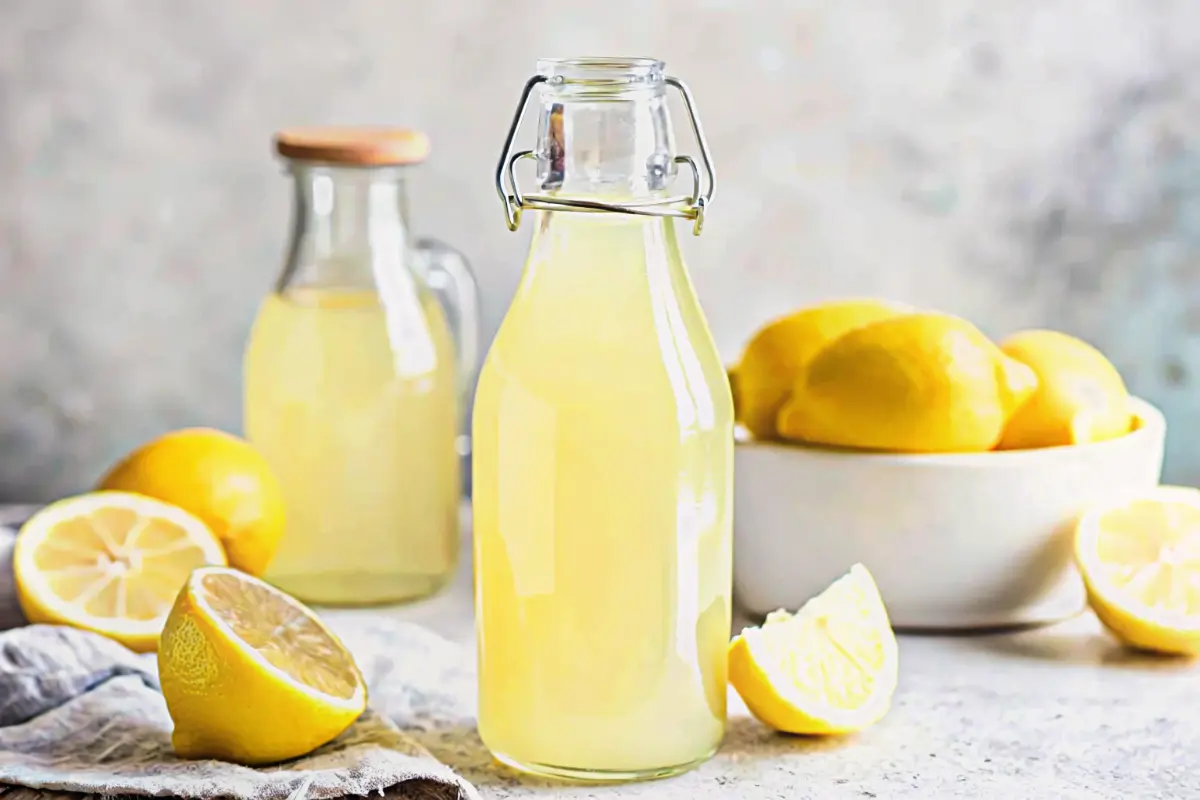
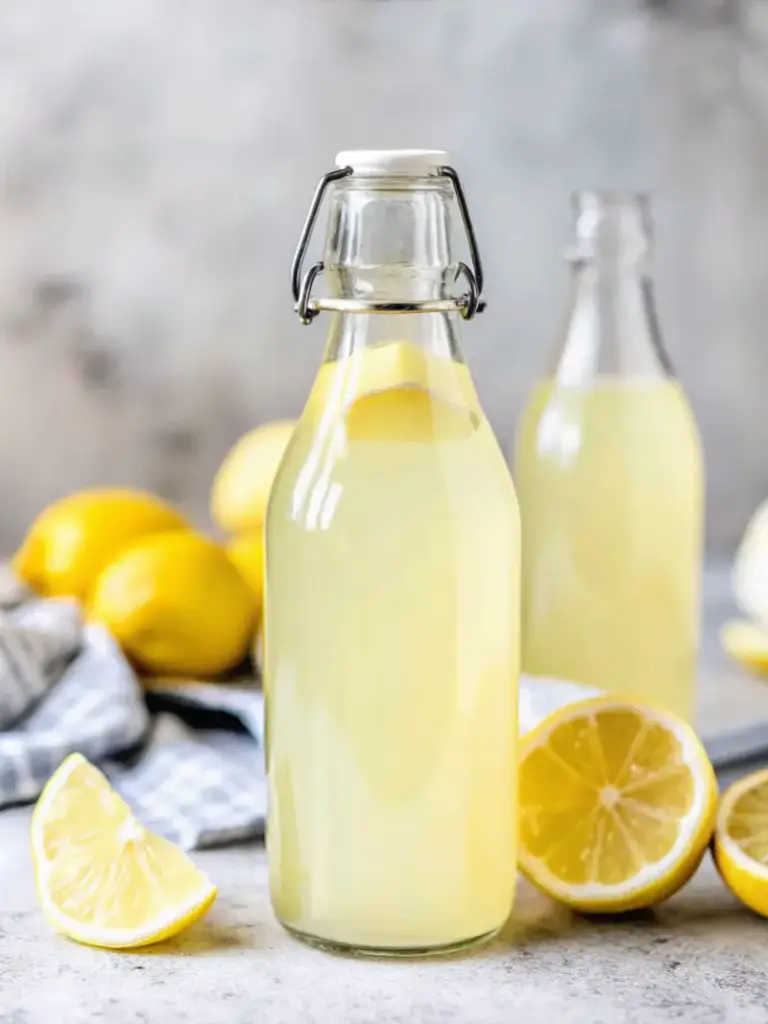
Using a funnel, carefully pour your finished limoncello into clean glass bottles. Store immediately in the refrigerator or freezer for a few hours before serving—the cold temperature enhances the drinking experience and brings out subtle flavor nuances.
Step 10: Age and Enjoy
Although your homemade limoncello is ready to enjoy immediately, it continues developing complexity for up to one month in the bottle. Store in a cool location or in the freezer, where it develops a luxurious, syrupy consistency that makes it perfect for sipping.
Nutritional Information
Understanding the nutritional profile helps you make informed consumption choices:
| Nutrient | Per 1.5 oz serving |
|---|---|
| Calories | 140-160 |
| Carbohydrates | 12-14g |
| Sugar | 10-12g |
| Alcohol | 15g |
| Protein | 0g |
| Fat | 0g |
| Sodium | 0mg |
Important Note: Homemade limoncello is primarily a spirits-based beverage. The nutritional value comes almost entirely from the vodka and added sugar. Each serving contains approximately 40% ABV (80 proof), making it a potent digestif intended for small portions.
Healthier Alternatives for the Recipe
While limoncello is traditionally indulgent, several modifications enhance nutritional profiles without sacrificing character:
Reduced Sugar Version: Decrease sugar to ¾ cup for a tarter, less syrupy result. This reduces calories by approximately 15-20% while intensifying lemon flavor.
Honey-Sweetened Limoncello: Replace half the granulated sugar with quality honey, creating a smoother mouthfeel with subtle floral notes. Honey’s natural antimicrobial properties also enhance shelf life.
Alcohol-Reduced Version: Mix finished limoncello 50/50 with sparkling water or prosecco when serving for a lighter, more refreshing take. This maintains flavor while reducing alcohol content and calories per serving.
Herbal Infusion Variation: Add fresh basil, thyme, or rosemary sprigs during the initial steeping phase for botanical complexity that elevates the drinking experience.
Serving Suggestions
Homemade limoncello’s versatility extends far beyond simple sipping:
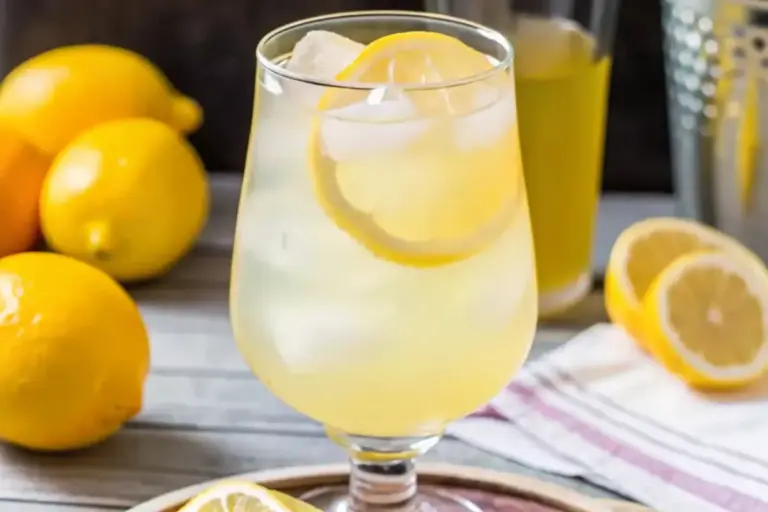
Classic Aperitivo: Serve straight from the freezer in small chilled glasses as a pre-dinner digestif. The cold temperature creates a silky, luxurious mouthfeel that cleanses the palate.
Limoncello Spritz: Combine 2 ounces of limoncello with 4 ounces of prosecco and 2 ounces of sparkling water. Garnish with a fresh lemon slice and enjoy as a refreshing summer cocktail.
Dessert Pairings: Pour limoncello over vanilla gelato for an instant, sophisticated dessert experience. The warm spoon melts the cold cream while the citrus cuts through richness beautifully.
Cocktail Mixer: Incorporate limoncello into creative cocktails with gin, Cointreau, or champagne. Its bright citrus character enhances any warm-weather beverage.
Dessert Component: Use limoncello as a soaking liquid for cakes, in frosting recipes, or drizzled over fresh berries and whipped cream for elegant dinner party presentations.
Common Mistakes to Avoid
Understanding potential pitfalls ensures your limoncello project succeeds:
Mistake 1: Using Waxed Lemons
Mistake: Peeling commercial waxed lemons introduces unwanted waxy flavors and chemical residue into your infusion.
Solution: Source organic, unwaxed lemons from farmers’ markets or specialty grocers specifically labeled as suitable for zesting.
Mistake 2: Including White Pith
Mistake: The bitter white layer beneath the yellow zest creates harsh, unpleasant flavors that dominate the final product.
Solution: Use a vegetable peeler with light, controlled pressure, removing only the thin yellow layer.
Mistake 3: Insufficient Steeping Time
Mistake: Rushing the infusion process (fewer than 7-10 days) results in pale color and weak lemon flavor.
Solution: Commit to at least 14 days, ideally a full month, for bold, authentic results.
Mistake 4: Combining Hot Syrup with Alcohol
Mistake: Adding warm syrup to the alcohol mixture can create cloudiness and affect the final clarity.
Solution: Always cool simple syrup to room temperature before combining with the alcohol mixture.
Mistake 5: Poor Jar Sealing
Mistake: Inadequate container sealing allows evaporation and oxidation, degrading quality and reducing final yield.
Solution: Use glass jars with tight-fitting lids, ensuring complete air-tight seals throughout the steeping period.
Mistake 6: Storing in Warm or Bright Locations
Mistake: Heat and light degrade color, flavor, and alcohol content over time.
Solution: Store exclusively in cool, dark cupboards or in the refrigerator/freezer.
Storing Tips for the Recipe
Proper storage maximizes longevity and maintains quality:
Short-Term Storage (1-3 months):
Keep bottles in a cool cupboard away from direct sunlight. Room temperature storage is acceptable, though refrigeration extends peak flavor.
Long-Term Storage (3-12 months):
Store in the freezer, where homemade limoncello develops an appealing syrupy texture and remains indefinitely stable. The high alcohol content prevents freezing at standard freezer temperatures.
Opened Bottles:
Once opened, limoncello maintains quality for 6-12 months in the refrigerator or freezer. The alcohol content prevents contamination, but cold storage preserves color and flavor intensity.
Pre-Infusion Preparation:
Prepare lemon peels ahead by zesting and storing in the freezer for up to one week. Fresh juice can be made and refrigerated for 2-3 days before combining with alcohol.
Gifting Considerations:
Bottles with decorative labels and personalized notes make memorable gifts. Wrap in tissue paper and present in attractive packaging to emphasize the homemade, artisanal quality.
Conclusion
Making homemade limoncello transforms simple ingredients—unwaxed lemons, vodka, sugar, and water—into an elegant Italian liqueur that rivals commercial versions. This straightforward infusion requires minimal active cooking time, yet delivers maximum flavor impact through patient steeping and precise technique. Whether served as a digestif, mixed into cocktails, or drizzled over desserts, your homemade creation impresses with its vibrant flavor and personal touch. We encourage you to try this recipe, experiment with variations, and share your results in the comments below. Subscribe to our blog for more authentic European recipes, homemade spirits guides, and creative serving ideas that elevate your entertaining.
FAQs
Q: Can I use regular waxed lemons for homemade limoncello?
A: While possible, waxed lemons aren’t ideal because the wax coating introduces unwanted flavors. Organic, unwaxed lemons produce superior results. If only waxed lemons are available, thoroughly wash with hot water and a vegetable brush before using.
Q: How long does homemade limoncello last?
A: Properly stored in the freezer, homemade limoncello remains fresh and flavorful for 12-18 months. The high alcohol content prevents spoilage, though color and flavor gradually diminish over extended periods.
Q: Can I substitute vodka with another spirit?
A: Yes, grain alcohol like Everclear (95% ABV) produces bolder flavor but is less accessible. Brandy, rum, or even good quality gin work as alternatives, though they’ll impart their own character.
Q: Is my limoncello supposed to be cloudy?
A: Slight cloudiness occurs when hot syrup combines with cold alcohol. This clears within 24-48 hours in the freezer. Persistent cloudiness suggests temperature shock or inadequate cooling before combining ingredients.
Q: How much limoncello will this recipe yield?
A: This recipe produces approximately 5-6 cups of finished limoncello, enough to fill five 8-ounce bottles or create multiple gifts.
Q: Can I make alcohol-free limoncello?
A: You can create a lemon syrup by doubling the sugar and water, then infusing lemon peels for 3-4 weeks. This yields a delicious non-alcoholic concentrate suitable for mixing into beverages and desserts.
Q: Should I refrigerate or freeze my finished limoncello?
A: Both work beautifully. Freezing creates a luxurious, syrupy consistency perfect for sipping straight. Refrigeration is suitable for cocktail applications where you want more pourable consistency.
Q: What’s the alcohol content of homemade limoncello?
A: This recipe yields approximately 30-35% ABV (60-70 proof) limoncello. The final alcohol percentage depends on your specific vodka choice and any dilution from the simple syrup.
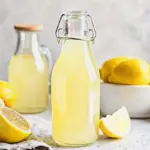
Best Homemade Limoncello Recipe
- Total Time: 14–30 days
- Yield: 5–6 cups 1x
- Diet: Vegan
Description
Homemade Limoncello is a classic Italian lemon liqueur made with fresh lemon peels, vodka, sugar, and water. Bright, citrusy, and perfectly balanced, this easy infusion recipe delivers authentic flavor that’s ideal for sipping, cocktails, desserts, or gifting.
Ingredients
- 8 large unwaxed lemons (zest only)
- 3 cups high-quality vodka
- 1 cup granulated white sugar
- 1 cup filtered water
Instructions
- Wash and dry the lemons thoroughly, then peel only the yellow zest, avoiding the white pith.
- Juice the lemons and strain to remove pulp and seeds.
- Place lemon peels into a large glass jar and pour vodka over them until fully submerged.
- Seal the jar tightly and store in a cool, dark place for 14–30 days, shaking gently every few days.
- When infusion is complete, strain out and discard the lemon peels.
- In a saucepan, bring water to a gentle boil and add sugar, stirring until fully dissolved.
- Remove syrup from heat and allow it to cool completely to room temperature.
- Combine the cooled syrup with the infused vodka and fresh lemon juice, stirring well.
- Funnel the limoncello into clean glass bottles and refrigerate or freeze before serving.
Notes
Store in the freezer for best texture and flavor. Shake gently before serving if separation occurs.
- Prep Time: 20 minutes
- Cook Time: 10 minutes
- Category: Beverage
- Method: Infusion
- Cuisine: Italian
Nutrition
- Serving Size: 1.5 oz
- Calories: 150
- Sugar: 11g
- Sodium: 0mg
- Fat: 0g
- Saturated Fat: 0g
- Unsaturated Fat: 0g
- Trans Fat: 0g
- Carbohydrates: 13g
- Fiber: 0g
- Protein: 0g
- Cholesterol: 0mg
Keywords: homemade limoncello, italian limoncello, lemon liqueur, limoncello recipe, homemade liqueur