
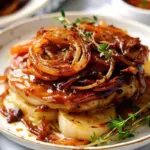
Best Flavorful Caramelized Onions Recipe
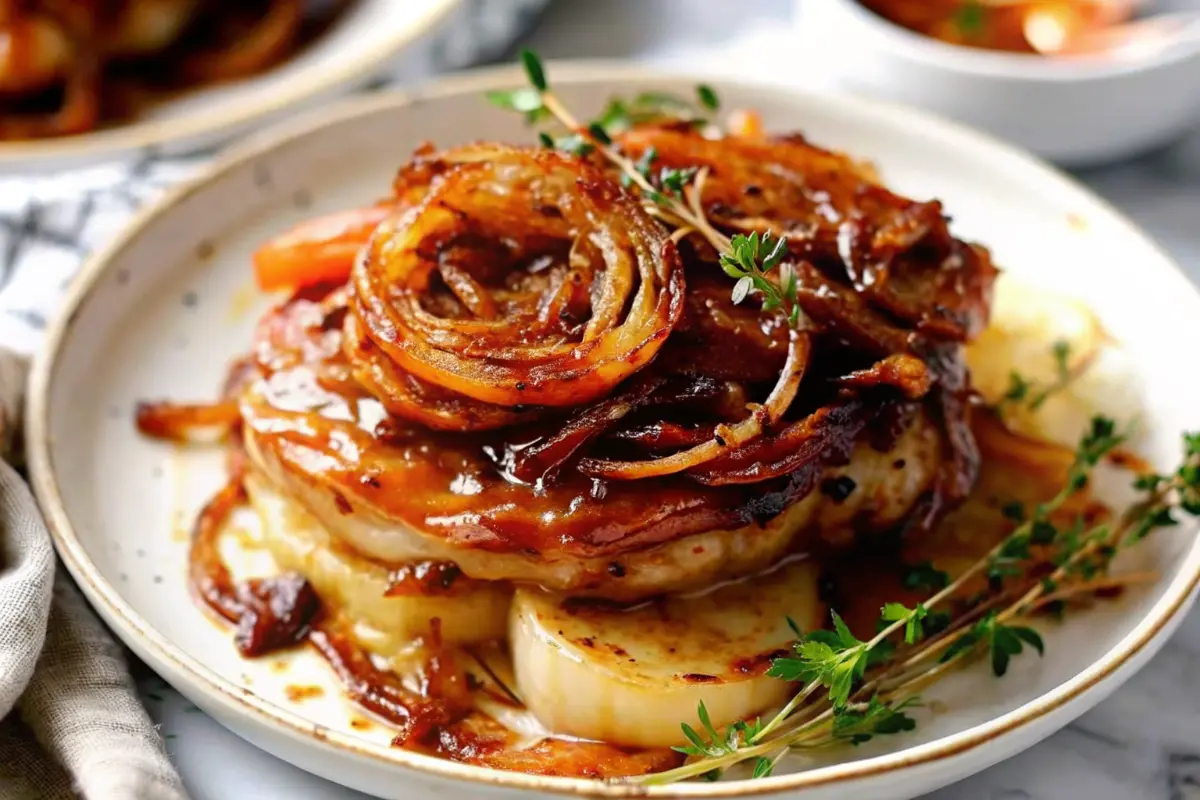
Ever wondered why professional chefs swear by caramelized onions as their secret weapon for elevating everyday dishes? The answer lies in a simple transformation: when you apply low-and-slow heat to humble onions, their natural sugars undergo a magical chemical process that unlocks complex, deeply sweet, and savory flavors. Flavorful caramelized onions are far more than a simple side dish—they’re a versatile ingredient that can transform burgers, sandwiches, dips, pasta dishes, and so much more. Whether you’re a seasoned home cook or just beginning your culinary journey, mastering the art of creating flavorful caramelized onions will forever change how you approach cooking. This comprehensive guide will walk you through every step, from ingredient selection to storage, ensuring your caramelized onions turn out perfectly golden, deeply sweet, and absolutely delicious every single time.
Ingredients List
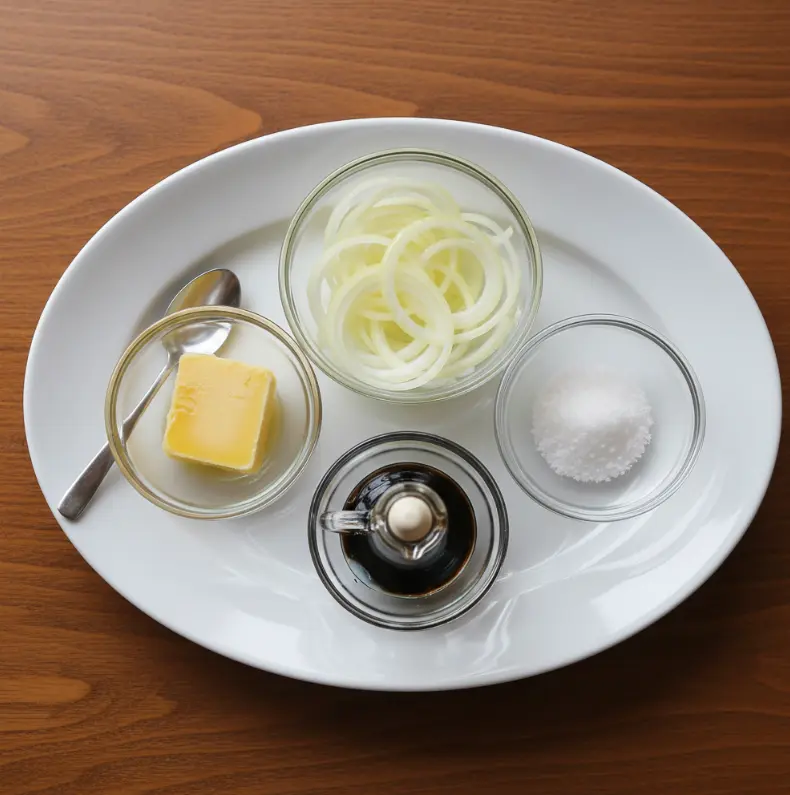
Creating flavorful caramelized onions requires minimal ingredients, but quality matters. Here’s what you’ll need:
- 2 large yellow onions (or sweet onions like Vidalia for extra sweetness)
- 2 tablespoons unsalted butter (or extra-virgin olive oil for a vegan alternative, or a combination of both for richer flavor)
- ½ teaspoon sea salt or kosher salt (enhances all the natural flavors)
- 1 teaspoon balsamic vinegar (the secret ingredient that adds depth and complexity)
- Water or bone broth (1-2 tablespoons as needed for deglazing)
Ingredient Substitutions for Flavorful Caramelized Onions:
If you prefer a lighter option, replace half the butter with olive oil to reduce saturated fat while maintaining richness. For those avoiding dairy, pure olive oil or ghee works beautifully. Red or white onions can substitute for yellow onions, though they’ll produce slightly different flavor profiles—red onions create more earthiness, while white onions offer a sharper sweetness. You can also experiment with Walla Walla sweet onions or other specialty varieties for unique taste experiences.
Timing
Understanding the time commitment helps you plan your cooking day effectively:
- Prep Time: 10 minutes (slicing and organizing ingredients)
- Active Cooking Time: 50-60 minutes (requiring periodic attention and stirring)
- Total Time: Approximately 60-70 minutes
- Hands-On Time: About 15 minutes of actual stirring and monitoring
This timing is actually 20-30% faster than many traditional caramelized onion recipes that stretch beyond 90 minutes, making this approach perfect for weeknight meal preparation. The key is patience combined with strategic heat management—you’re not rushing the process, but you’re cooking efficiently.
Step-by-Step Instructions
Step 1: Prepare Your Onions with Precision
Begin by slicing your onions pole-to-pole (from root to tip) into uniform ¼-inch thick strips. Consistency matters here because it ensures even cooking throughout your batch. Take extra care to separate the layers as you slice—this creates individual pieces rather than clumped layers and promotes better caramelization. Pat the onions dry with a clean kitchen towel to remove excess moisture, which can slow down the browning process. Tip: Use a sharp chef’s knife or mandoline slicer for cleaner cuts and faster prep.
Step 2: Choose the Right Pan and Heat Your Fat
Select a large, wide skillet or cast-iron pan—at least 12 inches in diameter—to give your onions plenty of room to cook and allow moisture to evaporate efficiently. This surface area is crucial for achieving that gorgeous caramelization. Heat your butter (or oil, or combination) over medium-low heat until it’s shimmering and fragrant, but not smoking. The lower temperature prevents your fat from breaking down and prevents the onions from burning before they have a chance to soften properly.
Step 3: Add Onions and Let Them Sit Undisturbed
Pour in your prepared onions and sprinkle with salt immediately. Here’s a game-changing tip: let them sit undisturbed for 2-3 minutes without stirring. This allows one side of each onion slice to make contact with the hot pan and develop beautiful caramelization before you incorporate them. After this initial resting period, give everything a good stir, making sure all onions are coated with butter or oil.
Step 4: Reduce Heat and Begin the Caramelization Process
Reduce your heat to low or medium-low and settle in for the main cooking phase. This is where patience becomes your greatest asset. Stir the onions every 5 minutes, scraping the bottom of the pan to release and incorporate those gorgeous browned bits (called fond) that accumulate there—these bits are liquid gold for flavor. If at any point your onions start to stick or look like they’re burning, add 1-2 tablespoons of water or broth to rehydrate the pan and deglaze it.
Step 5: Monitor Progress and Adjust as Needed
Continue cooking for 40-50 minutes total, watching for the onions to transform from white and raw, to soft and translucent, to golden, and finally to deep caramel brown. The exact timing depends on your stove’s heat output and the size of your onions. If you’re eager for deeper color and caramelization, you can increase the heat to medium-high for the final 5 minutes, stirring constantly to prevent burning. Pro tip: For a mix of textures and colors, resist the urge to stir every minute—stir every 5 minutes instead to allow some pieces to get darker while others remain lighter.
Step 6: Finish with Balsamic Vinegar and Taste
Remove your pan from heat and immediately stir in the balsamic vinegar—this adds a subtle tang and depth that elevates your flavorful caramelized onions from good to restaurant-quality. Taste and adjust salt as needed. Some prefer an additional splash of vinegar or even a pinch of sugar, so feel free to customize to your preference.
Nutritional Information
Understanding the nutritional profile of flavorful caramelized onions helps you make informed dietary choices:
| Per Serving (½ cup) | Amount |
|---|---|
| Calories | 85 |
| Total Fat | 7g |
| Saturated Fat | 4g |
| Carbohydrates | 7g |
| Fiber | 1.2g |
| Protein | 0.9g |
| Sodium | 310mg |
Key Nutritional Highlights:
- Rich in antioxidants: Onions contain quercetin, a powerful antioxidant that supports immune function
- Low in calories: At just 85 calories per serving, they’re nutrient-dense without being calorie-heavy
- Contains prebiotics: The compounds in caramelized onions support healthy gut bacteria
- Natural sugars concentrated: During caramelization, natural fructose concentrates, creating sweetness without added refined sugar
Healthier Alternatives for Flavorful Caramelized Onions
Light and Lean Version
Replace butter entirely with extra-virgin olive oil, reducing total fat by 40%. This version maintains rich flavor while being more heart-healthy and suitable for Mediterranean-style diets.
Savory Umami Boost
Add 1 tablespoon of low-sodium soy sauce or tamari during the cooking process to enhance savory depth without significantly increasing sodium. This creates an umami-rich profile perfect for plant-based dishes.
Antioxidant-Enhanced Preparation
Incorporate ½ teaspoon of aged balsamic vinegar instead of regular balsamic, and add a pinch of fresh thyme during cooking. This amplifies antioxidant content and adds herbaceous complexity.
Lower-Sugar Option
For those monitoring sugar intake, add 1 tablespoon of apple cider vinegar during cooking instead of balsamic. The acidity helps break down natural sugars while adding bright flavor.
Serving Suggestions
Your flavorful caramelized onions deserve to shine across multiple dishes:
Classic Applications:
- Caramelized onion burgers topped with melted cheddar and arugula
- Gourmet grilled cheese sandwiches layered with prosciutto
- Spread on crusty bread with goat cheese as an elegant appetizer
- Topping for creamy soups or bisques
Modern Twists:
- Caramelized onion and balsamic vinegar pasta with aged Parmesan
- Swirled into baked brie with walnuts for an impressive cheese board
- Mixed into mashed potatoes or cauliflower mash
- Layer in a savory bread pudding for brunch
International Inspiration:
- French onion soup foundation
- Topping for pizza or flatbread
- Component in Indian curries and biryanis
- Spanish caramelized onion and sausage tapas
Common Mistakes to Avoid
Mistake #1: Too High Heat from the Beginning
Many home cooks turn up the heat, hoping to speed things up. This causes onions to burn before they caramelize. Resist this urge—low and slow is the only way.
Mistake #2: Neglecting to Stir Frequently
Onions that sit undisturbed for long periods can burn on the bottom. Consistent stirring every 5 minutes prevents this and distributes heat evenly.
Mistake #3: Overcrowding the Pan
A pan too small creates steam rather than evaporation, preventing proper caramelization. Use a 12-inch or larger skillet for 2-4 onions.
Mistake #4: Skipping the Fond Scraping
Those browned bits stuck to the bottom aren’t waste—they’re concentrated flavor. Always scrape and stir them back in, especially when deglazing with water.
Mistake #5: Using Low-Quality Ingredients
Cheap onions, rancid oil, or low-grade butter produce subpar results. Invest in fresh, quality ingredients for the best flavorful caramelized onions.
Storing Tips for Flavorful Caramelized Onions
Refrigerator Storage:
Place cooled caramelized onions in an airtight glass container and refrigerate for up to 5-7 days. The flavor actually intensifies slightly after a day or two as flavors meld.
Freezer Storage:
Portion caramelized onions into ice cube trays, freeze until solid (about 4 hours), then transfer cubes to freezer bags. They’ll keep for up to 3 months and provide convenient portions for cooking.
Prep-Ahead Strategy:
Slice and prepare onions the night before, storing them in the refrigerator. The next day, cooking time remains the same, but you’ll save 10 minutes of active prep time.
Best Practices for Maintaining Freshness:
- Let onions cool completely before storing to prevent condensation
- Label containers with the date prepared
- Keep away from strong-smelling foods that can transfer flavor
- Consider adding a parchment paper layer to prevent moisture accumulation
Conclusion
Mastering flavorful caramelized onions transforms your cooking repertoire. This simple recipe requires just 60-70 minutes and five basic ingredients to create a versatile ingredient that elevates countless dishes. The key lies in patience, consistent heat management, and proper technique. From gourmet burgers to elegant appetizers, these golden gems deserve a permanent place in your kitchen arsenal. Your family and guests will taste the difference quality caramelization makes.
Ready to transform your cooking? Try this recipe today and experience how flavorful caramelized onions can revolutionize your favorite dishes. Share your results in the comments below, and don’t forget to subscribe to our blog for more essential cooking techniques and gourmet recipes delivered straight to your inbox!
FAQs About Flavorful Caramelized Onions
Q: Can I use a slow cooker or Instant Pot to make caramelized onions faster?
A: While slow cookers work, they produce steamed rather than caramelized onions. Instant Pots with sauté functions can work, though you’ll still need 30-40 minutes for proper caramelization.
Q: Why are my caramelized onions still brown but not sweet?
A: This usually indicates insufficient cooking time. Continue cooking for another 10-15 minutes, ensuring consistent stirring. Sweetness develops as natural sugars concentrate and undergo the Maillard reaction.
Q: Can I make caramelized onions with white or red onions instead of yellow?
A: Absolutely! Red onions create earthier, more complex flavors. White onions offer sharper sweetness. All work beautifully—just adjust cooking times slightly as different varieties caramelize at different rates.
Q: What’s the difference between caramelized onions and French onion soup base?
A: Caramelized onions are the cooked ingredient alone. French onion soup adds beef broth, wine, and Gruyère cheese on top of caramelized onions to create the finished dish.
Q: How do I prevent my caramelized onions from burning?
A: Use medium-low heat throughout, stir every 5 minutes, and add water or broth if the pan becomes too dry. Never let the heat exceed medium unless doing a final quick caramelization in the last few minutes.
Best Flavorful Caramelized Onions Recipe
- Total Time: 70 minutes
- Yield: 2 tasses 1x
- Diet: Vegetarian
Description
Ces flavorful caramelized onions sont doux, riches et profondément savoureux, parfaits pour sublimer burgers, pâtes, sandwichs et plats réconfortants.
Ingredients
- 2 gros oignons jaunes, finement émincés
- 2 cuillères à soupe de beurre doux
- 1/2 cuillère à café de sel
- 1 cuillère à café de vinaigre balsamique
- 1 à 2 cuillères à soupe d’eau ou de bouillon, si nécessaire
Instructions
- Émincer les oignons de manière régulière.
- Faire fondre le beurre dans une grande poêle à feu moyen-doux.
- Ajouter les oignons et le sel, puis laisser cuire sans remuer pendant 2 à 3 minutes.
- Réduire le feu et cuire 40 à 50 minutes en remuant toutes les 5 minutes.
- Ajouter un peu d’eau ou de bouillon si les oignons attachent au fond.
- Lorsque les oignons sont bien dorés et fondants, incorporer le vinaigre balsamique.
- Goûter, ajuster l’assaisonnement et servir chaud.
Notes
Cuire lentement à feu doux pour développer une douceur naturelle et une couleur profondément caramélisée.
- Prep Time: 10 minutes
- Cook Time: 60 minutes
- Category: Side Dish
- Method: Stovetop
- Cuisine: Classic
Nutrition
- Serving Size: 1/2 tasse
- Calories: 85
- Sugar: 5g
- Sodium: 310mg
- Fat: 7g
- Saturated Fat: 4g
- Unsaturated Fat: 3g
- Trans Fat: 0g
- Carbohydrates: 7g
- Fiber: 1.2g
- Protein: 1g
- Cholesterol: 15mg
Keywords: flavorful caramelized onions, caramelized onions, onions recipe, kitchen essential
I value the responsive team and scalable features. This site is reliable.