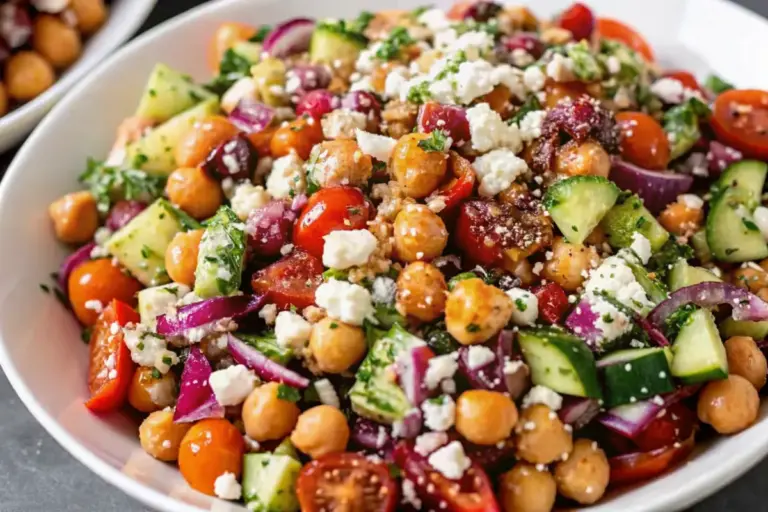
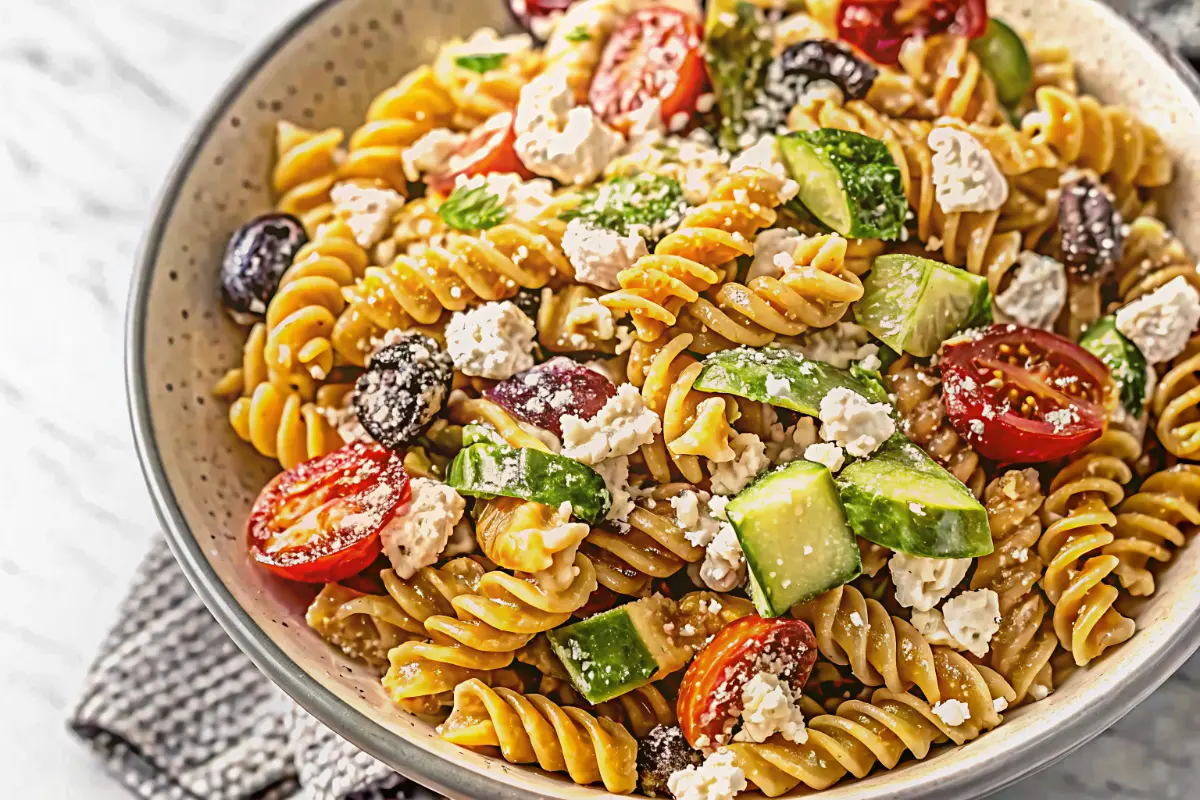
Healthy High-Protein Greek Pasta Salad Recipe
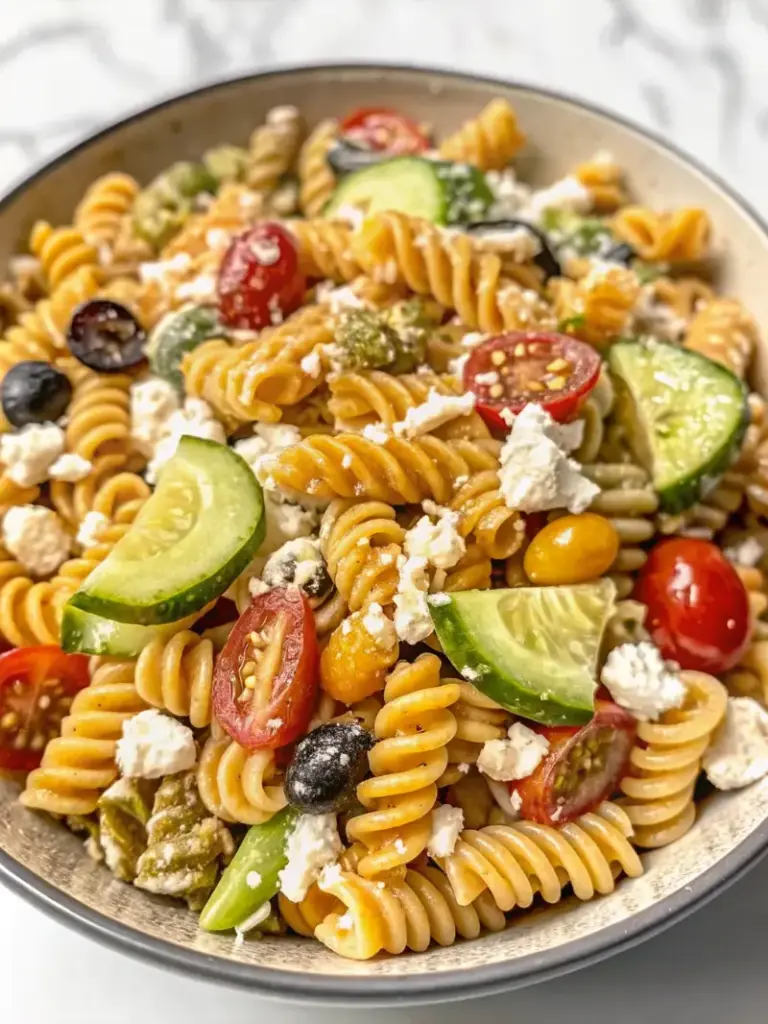
What if you could enjoy a restaurant-quality salad that keeps you satisfied for hours while delivering nearly 33 grams of protein per serving? This isn’t a fantasy—it’s the reality of a well-crafted high protein Greek pasta salad, a dish that’s revolutionizing the way people approach lunch and dinner planning.
The high protein Greek pasta salad has become increasingly popular as health-conscious consumers seek meals that balance nutrition with convenience. Unlike traditional pasta salads laden with mayonnaise and empty calories, this Mediterranean-inspired creation combines protein-rich ingredients with fresh vegetables and a light vinaigrette, making it a powerhouse meal for fitness enthusiasts, busy professionals, and anyone seeking a sustainable eating pattern. Whether you’re meal prepping for the week or looking for an easy weeknight dinner, this recipe delivers remarkable nutritional value in approximately 30 minutes or less.
Ingredients List
Dressing Components
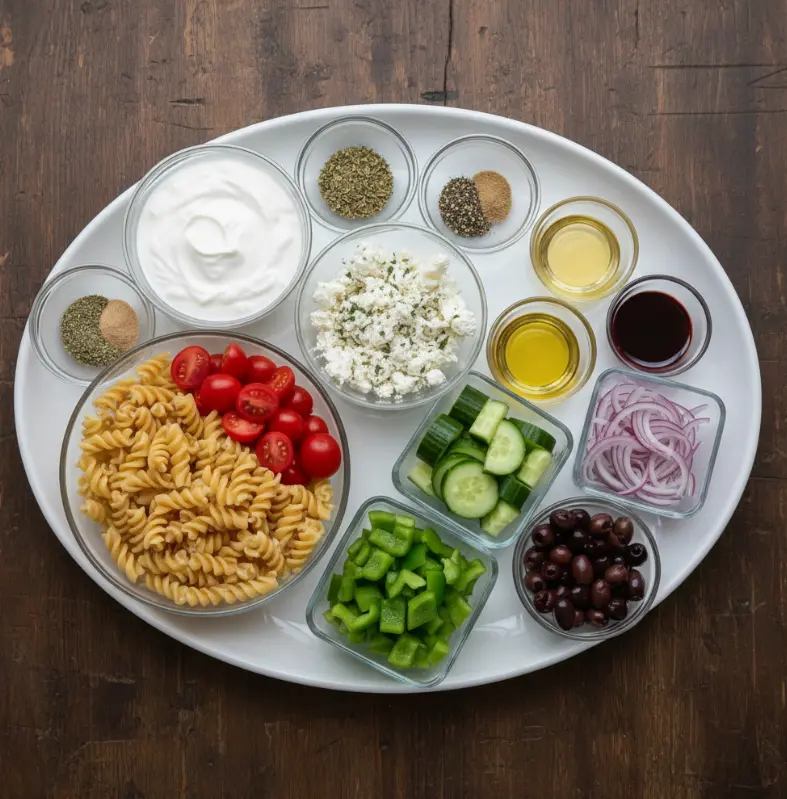
The dressing forms the flavor foundation of your high protein Greek pasta salad. Here’s what you’ll need:
- 1 cup Plain Fat-Free Greek Yogurt – Adds luxurious creaminess while introducing beneficial probiotics. The tanginess complements Mediterranean flavors beautifully.
- 1/4 cup Feta Cheese – Delivers that signature salty, tangy punch; substitute with vegan feta for a dairy-free version.
- 2 tbsp Water – Helps achieve the perfect dressing consistency; use olive oil instead for a richer, more indulgent coating.
- 2 tbsp Olive Oil – Infuses healthy monounsaturated fats; avocado oil provides an excellent substitution.
- 2 tbsp Red Wine Vinegar or Lemon Juice – Provides brightness and acidity; fresh lemon juice adds vibrancy to every bite.
- 1 tsp Dried Oregano – The hallmark of Mediterranean seasoning that brings authentic flavor depth.
- 1 tsp Dill – Adds an unexpected herbaceous note that elevates the overall profile.
- 1 tsp Garlic Powder – Delivers concentrated garlic flavor without the bite of fresh cloves.
- 1 tsp Black Pepper – Completes the seasoning profile with subtle heat.
Salad Components
- 8 oz Chickpea Pasta – The star ingredient delivering 15+ grams of protein per serving while maintaining a gluten-free profile. Banza fusilli and Barilla chickpea rotini are excellent choices. Regular pasta works if gluten tolerance isn’t a concern.
- 1 cup Cherry Tomatoes – Halved for bite-sized pieces; contributes natural sweetness and juiciness.
- 1 cup Diced Cucumber – Adds refreshing crunch; English cucumbers are preferable as they have fewer seeds.
- 1 cup Green Bell Pepper – Provides crisp texture and mild sweetness; swap with red or yellow varieties for enhanced sweetness.
- 1/2 cup Diced Red Onion – Offers a sharp, peppery bite; marinate in the dressing beforehand to mellow the flavor.
- 1/2 cup Pitted Kalamata Olives – Adds briny, complex depth; green olives offer a milder alternative.
- 1/4 cup Extra Feta Cheese – Optional for garnish; use additional amounts if you prefer bolder flavor.
- 2-3 cups Fresh Arugula – Adds peppery notes and additional nutritional density.
Timing
Prep Time: 15 minutes
Cook Time: 8 minutes
Total Time: 23 minutes (or under 30 minutes with marinating)
This high protein Greek pasta salad takes approximately 20% less time than average pasta salad recipes, making it ideal for busy weekdays. If you choose to refrigerate for 30 minutes to 1 hour, flavors deepen and meld beautifully—but immediate consumption is perfectly satisfying.
Step-by-Step Instructions
Step 1: Prepare Your Ingredients
Begin by washing all vegetables under cool running water and patting them dry. Use a sharp knife to chop vegetables into uniform, bite-sized pieces—consistency ensures even flavor distribution and an aesthetically pleasing presentation. Set prepared vegetables in separate small bowls or on a cutting board. This mise en place approach streamlines the assembly process and prevents any ingredient from being forgotten.
Step 2: Cook the Chickpea Pasta
Fill a large pot with salted water (about 1 tablespoon salt per quart) and bring to a rolling boil. Add your 8 oz of chickpea pasta and cook according to package instructions, typically 6-8 minutes. The water should taste like the sea—proper salting at this stage seasons the pasta throughout, not just on the surface. Once al dente, drain the pasta into a colander and rinse thoroughly under cold running water. This stops the cooking process and prevents the pasta from becoming mushy. Allow it to drain completely before transferring to your mixing bowl.
Step 3: Craft Your Dressing
In a food processor, combine the Greek yogurt, crumbled feta cheese, water, olive oil, red wine vinegar (or fresh lemon juice), dried oregano, dill, garlic powder, and black pepper. Blend until completely smooth and creamy, approximately 30-45 seconds. The dressing should have a pourable consistency—if too thick, add additional water one tablespoon at a time. Taste and adjust seasonings; this is your opportunity to perfect the flavor profile before combining with other ingredients.
Step 4: Combine Components
Transfer your cooled chickpea pasta to a large mixing bowl. Add all prepared vegetables—red onion, cherry tomatoes, diced cucumber, bell peppers, kalamata olives, and arugula. Pour the prepared Greek dressing over the pasta and vegetable mixture. Using a large spoon or salad utensils, gently toss to ensure every component is evenly coated with dressing. Take care not to crush the vegetables or break the pasta during this process.
Step 5: Refrigerate and Marry Flavors
Cover the bowl with plastic wrap or a secure lid and refrigerate for at least 30 minutes. This resting period allows flavors to meld and intensify, creating a cohesive, restaurant-quality dish. If time permits, marinating for 1-2 hours produces even more developed flavor complexity.
Step 6: Final Garnish and Serve
Remove from refrigeration, give the salad a final gentle toss, and taste for seasoning adjustments. Add additional salt, pepper, lemon juice, or olive oil as desired. Garnish with extra crumbled feta cheese and fresh herbs if available. Serve chilled or at room temperature, depending on preference.
Nutritional Information
The high protein Greek pasta salad delivers impressive nutritional metrics per serving (based on 6 servings):
| Nutrient | Amount |
|---|---|
| Calories | 271-383 kcal |
| Protein | 15-33 g |
| Carbohydrates | 30-31 g |
| Dietary Fiber | 5-8 g |
| Total Fat | 13-17 g |
| Saturated Fat | 2-4 g |
| Sodium | 642 mg |
| Calcium | 163 mg |
| Iron | 5 mg |
| Vitamin A | 1,757 IU |
| Vitamin C | 85 mg |
The protein content can increase dramatically when adding grilled chicken, shrimp, or salmon—bringing some variations to approximately 33 grams per serving. The fiber content (5-8 grams) promotes digestive health and sustained satiety, while the low sodium levels make this suitable for health-conscious individuals monitoring salt intake.
Healthier Alternatives for the Recipe
Protein Enhancements
- Add Grilled Chicken Breast: Incorporate 1 pound of pre-cooked, chopped chicken to boost protein to 33 grams per serving.
- Include Shrimp or Salmon: For omega-3 fatty acids and additional protein variety, add 1 pound of cooked shrimp or salmon bites.
- Use Cottage Cheese: Mix in 1/2 cup cottage cheese for extra protein with a creamy texture.
Vegetable Substitutions
- Swap Bell Peppers: Use roasted red peppers for deeper flavor or substitute green peppers with red, yellow, or orange varieties for increased sweetness.
- Try Different Greens: Replace arugula with baby spinach, kale, or mixed greens for varied nutritional profiles.
- Add More Vegetables: Include diced zucchini, artichoke hearts, or roasted Brussels sprouts for additional fiber and nutrients.
Dressing Modifications
- Dairy-Free Version: Replace Greek yogurt with cashew cream (soaked cashews blended with water) and use vegan feta for a completely plant-based dressing.
- Lower Calorie Option: Use more water and less oil; Greek yogurt already provides richness, so you don’t need excessive fat.
- Fresh Herb Enhancement: Swap dried oregano and dill for fresh versions—use 1 tablespoon fresh herbs to 1 teaspoon dried equivalents.
Pasta Alternatives
- Regular Pasta: Traditional pasta works if gluten isn’t a concern; note that protein content will decrease slightly.
- Lentil Pasta: Offers comparable protein to chickpea pasta with slightly different texture.
- Yellow Pea Pasta: Another high-protein legume-based alternative with mild flavor.
Serving Suggestions
This versatile high protein Greek pasta salad works beautifully in multiple contexts:
As a Complete Lunch: Serve chilled as a standalone meal in meal prep containers. Pack with a side of whole grain bread or pita for additional carbohydrates and satisfaction.
As a Side Dish: Present alongside grilled fish, chicken, or plant-based proteins at dinner gatherings. The light vinaigrette complements nearly any protein without overwhelming flavors.
At Picnics and Potlucks: Transport in covered containers; the salad actually improves during travel as flavors continue melding. Bring additional dressing to refresh if needed before serving.
For Meal Prep: Portion into individual glass containers for grab-and-go convenience throughout the week. It maintains freshness for 4-5 days, making it perfect for Sunday meal preparation.
As a Mediterranean Platter: Build a spread featuring this pasta salad alongside hummus, whole grain crackers, sliced vegetables, and additional feta cheese for entertaining.
Common Mistakes to Avoid
Overcooking the Pasta: Chickpea pasta cooks quickly—don’t exceed recommended package time. Overcooked pasta becomes mushy and fails to provide the pleasant textural contrast essential to this dish.
Warm Pasta and Hot Vegetables: Always cool pasta and use room-temperature vegetables. Warm components will wilt fresh vegetables and cause dressing to separate.
Insufficient Marinating: While you can eat immediately, at least 30 minutes refrigeration allows flavors to meld properly. Skipping this step results in disjointed, one-dimensional flavor.
Over-salting: The feta cheese and olives provide significant sodium already. Taste before aggressively seasoning to avoid an overwhelmingly salty final dish.
Using Poor-Quality Feta: Subpar feta cheese tastes chalky and unpleasant. Invest in quality varieties—the difference is immediately noticeable.
Neglecting Vegetable Prep: Uniform chopping ensures consistent flavor distribution and professional presentation. Haphazardly chopped vegetables create an unfinished appearance.
Skipping the Cold Rinse: Rinsing pasta under cold water stops the cooking process and removes excess starch, preventing a gluey consistency.
Storing Tips for the Recipe
Refrigeration
Store your high protein Greek pasta salad in an airtight glass container in the refrigerator for up to 5 days. The salad actually improves over the first 1-2 days as flavors continue developing. If liquid accumulates at the bottom, simply drain and refresh with additional olive oil and lemon juice before serving.
Make-Ahead Strategy
Prepare Components Separately: Chop vegetables the evening before and store in separate containers. Cook pasta and prepare dressing ahead, then combine on serving day for maximum freshness and flavor control.
Partial Assembly: Combine pasta with vegetables but hold the dressing separately until 30 minutes before serving. This prevents the salad from becoming soggy while maintaining ultimate flavor.
Freezing Considerations
While this salad doesn’t freeze well due to vegetable texture degradation, you can freeze components individually: cooked pasta (up to 3 months) and dressing (up to 2 months in separate containers). Assemble after thawing for best results.
Meal Prep Excellence
Portion into individual containers immediately after preparation. This prevents repeated opening of the large container and maintains consistent freshness across all portions. Label containers with preparation dates for easy tracking.
Conclusion
The high protein Greek pasta salad represents the perfect intersection of nutrition, flavor, and convenience. With approximately 15-33 grams of protein per serving, minimal preparation time, and adaptability to various dietary preferences, this Mediterranean-inspired creation satisfies both your nutritional goals and your taste buds. Whether you’re building a meal prep routine or seeking a crowd-pleasing dish for entertaining, this recipe delivers remarkable results every single time.
Try this high protein Greek pasta salad this week and experience the difference quality ingredients and proper technique make. Share your results in the comments below—we’d love to hear about your customizations and flavor discoveries! Subscribe to our blog for more nutritious, easy-to-prepare recipes delivered directly to your inbox.
Frequently Asked Questions
Can I make this salad without chickpea pasta?
Absolutely! Regular whole wheat pasta, lentil pasta, or yellow pea pasta all work well. Chickpea pasta simply offers superior protein content and a gluten-free option. Adjust your expectations regarding protein totals if using alternatives.
How long does this salad last in the refrigerator?
Properly stored in an airtight container, this salad maintains excellent quality for 4-5 days. The flavors actually intensify during the first 1-2 days of storage, making it ideal for meal preparation.
Can I add chicken to increase protein content?
Definitely! Adding 1 pound of pre-cooked, chopped chicken breast boosts protein to approximately 33 grams per serving. Other excellent additions include shrimp, salmon, or tofu for vegetarian protein.
Is this salad suitable for people with gluten sensitivity?
Yes, when using chickpea pasta. Always verify that other components (dressing seasonings, olives) don’t contain hidden gluten. Most basic ingredients are naturally gluten-free, but cross-contamination can occur during processing.
What’s the best way to transport this salad?
Use sturdy glass or BPA-free plastic containers with secure lids. Pack dressing separately if traveling extended distances to prevent sogginess, then combine shortly before eating.
Can I prepare this salad without feta cheese?
Absolutely. For dairy-free versions, use vegan feta or simply omit cheese entirely. The salad remains flavorful thanks to the olives, vegetables, and seasoned dressing.
How can I make this more budget-friendly?
Use regular pasta instead of specialty legume-based varieties, substitute kalamata olives with more affordable green olives, and buy feta in bulk when on sale. Seasonal vegetables also reduce costs.
Does this recipe work for people with nut allergies?
Yes, this recipe contains no nuts. Verify that pre-made dressing components don’t contain tree nut derivatives, as some commercial products may have cross-contamination warnings.
Print
Healthy High-Protein Greek Pasta Salad Recipe
- Total Time: 23 minutes
- Yield: 6 portions 1x
Description
Une salade de pâtes grecque riche en protéines, fraîche, nourrissante et parfaite pour le meal prep, le déjeuner ou un dîner rapide et équilibré.
Ingredients
- 8 oz de pâtes de pois chiches
- 1 tasse de tomates cerises coupées en deux
- 1 tasse de concombre coupé en dés
- 1 tasse de poivron vert coupé en dés
- 1/2 tasse d’oignon rouge coupé en dés
- 1/2 tasse d’olives kalamata dénoyautées
- 2 à 3 tasses de roquette fraîche
- 1 tasse de yaourt grec nature 0 %
- 1/4 tasse de feta émiettée
- 2 cuillères à soupe d’eau
- 2 cuillères à soupe d’huile d’olive
- 2 cuillères à soupe de vinaigre de vin rouge ou jus de citron
- 1 cuillère à café d’origan séché
- 1 cuillère à café d’aneth
- 1 cuillère à café d’ail en poudre
- 1 cuillère à café de poivre noir
Instructions
- Cuire les pâtes de pois chiches selon les instructions du paquet puis égoutter et rincer à l’eau froide.
- Laver et couper tous les légumes en morceaux de taille uniforme.
- Dans un robot culinaire, mélanger le yaourt grec, la feta, l’eau, l’huile d’olive, le vinaigre, l’origan, l’aneth, l’ail en poudre et le poivre jusqu’à obtenir une sauce lisse.
- Dans un grand saladier, ajouter les pâtes refroidies, les légumes, les olives et la roquette.
- Verser la sauce sur la salade et mélanger délicatement.
- Couvrir et réfrigérer au moins 30 minutes pour que les saveurs se développent.
- Goûter, ajuster l’assaisonnement et servir frais.
Notes
Cette salade se conserve jusqu’à 5 jours au réfrigérateur dans un contenant hermétique et est idéale pour le meal prep.
- Prep Time: 15 minutes
- Cook Time: 8 minutes
- Category: Salade
- Method: Sans cuisson
- Cuisine: Grecque
Nutrition
- Serving Size: 1 portion
- Calories: 330
- Sugar: 6g
- Sodium: 640mg
- Fat: 15g
- Saturated Fat: 3g
- Unsaturated Fat: 10g
- Trans Fat: 0g
- Carbohydrates: 31g
- Fiber: 7g
- Protein: 22g
- Cholesterol: 10mg
Keywords: high-protein greek pasta salad, salade de pâtes protéinée, salade grecque healthy, meal prep protéiné