Best Greek Yogurt Cookie Dough Recipe
What if we told you that you could indulge in cookie dough without a single raw egg, while simultaneously boosting your protein intake and staying within your daily macronutrient goals? This is exactly what Greek yogurt cookie dough delivers—a revolutionary, protein-packed treat that’s transforming how health-conscious dessert lovers satisfy their sweet cravings.
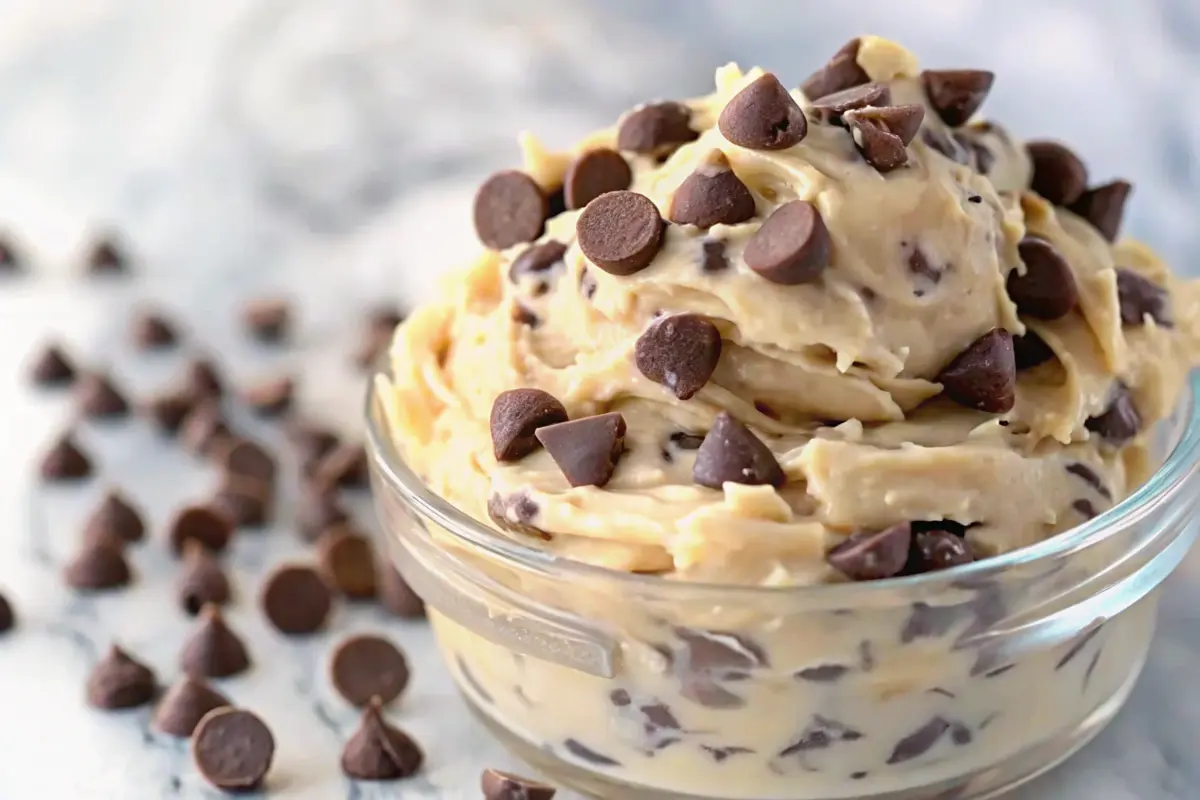
Greek yogurt cookie dough has exploded in popularity across social media platforms, with health enthusiasts and fitness professionals championing it as the perfect solution for those seeking nutritious yet indulgent alternatives to traditional cookie dough. Unlike conventional recipes that rely on butter and refined sugar, Greek yogurt cookie dough leverages the creamy texture of Greek yogurt, the nutritional punch of protein powder, and wholesome ingredients to create a dessert that’s both satisfying and nutritionally balanced.
This comprehensive guide will walk you through everything you need to know about making, serving, and enjoying Greek yogurt cookie dough, while exploring creative variations and advanced tips that’ll make you a pro in your kitchen.
Ingredients List
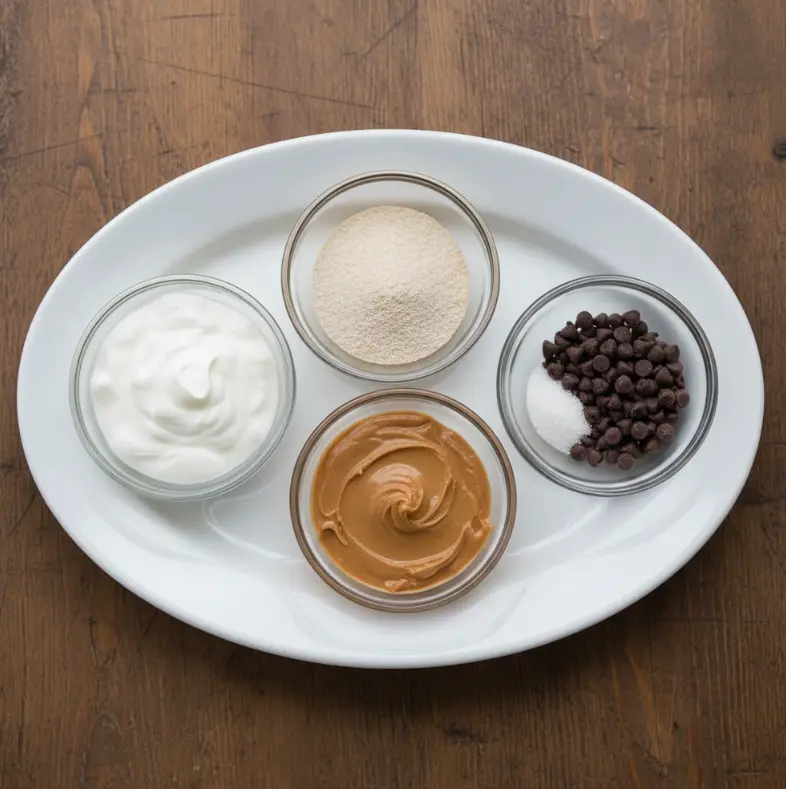
Creating the perfect batch of Greek yogurt cookie dough starts with understanding each ingredient’s role in the final product. Here’s what you’ll need, along with smart substitution options to customize your treat:
The Base Ingredients:
- 180 grams (approximately 3/4 cup) Plain Greek Yogurt — The foundation of this recipe, Greek yogurt provides a creamy, thick texture and significant protein content. Full-fat varieties deliver the most authentic cookie dough consistency, though 2% Greek yogurt works beautifully as a lighter alternative. For a dairy-free option, consider Greek-style alternatives like Cocojune.
- 15 grams Whey Protein Powder — Choose vanilla, cookie dough-flavored, or unflavored varieties depending on your taste preferences. Plant-based protein powders work equally well for vegan versions.
- 20 grams Creamy Peanut Butter — Natural peanut butter provides authentic cookie dough flavor and healthy fats. Alternatives include almond butter, cashew butter, sunflower butter (for nut-free preferences), or PB2 for lower-calorie versions.
- Sweetener of Choice (to taste) — Options range from honey and maple syrup to agave, erythritol, or brown sugar. Choose based on your dietary preferences and desired sweetness level.
- 1 teaspoon Chocolate Chips — Mini chocolate chips integrate seamlessly throughout, though any size or variety works. Consider dark chocolate for antioxidant benefits or sugar-free alternatives for lower-carb versions.
Optional Flavor & Texture Enhancers:
- Vanilla extract for added sweetness (½ to 1 teaspoon)
- Sea salt for a sophisticated flavor profile
- Almond flour (½ to 1¾ cups) for additional texture and structure
- Cocoa powder (up to 2 tablespoons) for a double chocolate twist
- Milk (dairy or non-dairy) for consistency adjustments
Creative Add-Ins: Nuts, shredded coconut, dried fruit, crushed cookies, or even a pinch of espresso powder can elevate your Greek yogurt cookie dough beyond the basics.
Timing
One of the most appealing aspects of Greek yogurt cookie dough is its incredible time efficiency. Here’s the breakdown:
- Preparation Time: 3-5 minutes (mixing and combining ingredients)
- Chilling Time (optional): 10-15 minutes for a firmer texture
- Total Time: 3-5 minutes for immediate enjoyment; 13-20 minutes if you prefer chilled
- Servings: 2-3 servings per batch (easily doubled for meal prepping)
This represents roughly 90% less time than baking traditional cookies, making Greek yogurt cookie dough an ideal solution for spontaneous dessert cravings or busy weeknights.
Step-by-Step Instructions
Step 1: Combine Your Wet Ingredients
Begin by adding your 180 grams of plain Greek yogurt, 15 grams of protein powder, 20 grams of peanut butter, and your chosen sweetener into a medium mixing bowl. The peanut butter will likely be dense, so this initial step requires some vigorous mixing.
Pro Tip: Allow your peanut butter to soften slightly at room temperature for 2-3 minutes before mixing. This significantly reduces the effort required to achieve a smooth consistency and prevents lumps in your final product.
Using a sturdy whisk or fork, blend these ingredients until the mixture becomes smooth and creamy with no visible protein powder streaks. This typically requires 30-45 seconds of active mixing.
Step 2: Adjust Your Consistency
The texture of your Greek yogurt cookie dough depends entirely on personal preference and the specific yogurt brand you’ve selected. Yogurt thickness varies considerably between manufacturers.
If your mixture appears too thick or stiff, gradually introduce 1-2 teaspoons of your chosen milk (dairy or non-dairy) while stirring continuously. Add milk in small increments—you can always add more, but removing excess is impossible.
Conversely, if your mixture seems runny, incorporate additional almond flour (if using) or even an extra few grams of protein powder to achieve your desired texture. The ideal consistency falls somewhere between traditional cookie dough and pudding.
Actionable Insight: The optimal texture should hold its shape when scooped but remain creamy when eaten. Test by rolling a small amount between your fingers—it should feel slightly firm but not crumbly.
Step 3: Fold in Chocolate Chips
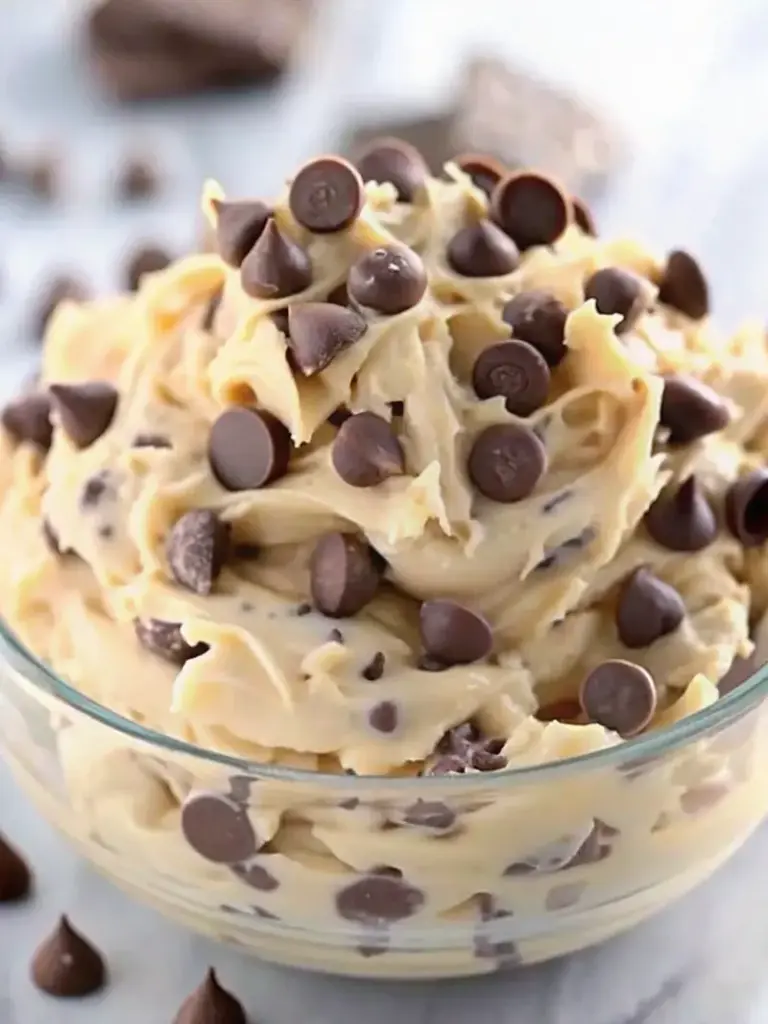
Once your base mixture reaches the perfect consistency, gently fold in your chocolate chips using a spatula. Rather than stirring vigorously, use a folding motion to distribute the chips evenly while maintaining the smooth texture of your Greek yogurt cookie dough.
If using larger chocolate chips, consider roughly chopping them to enhance distribution throughout the mixture.
Creative Variation: For a marbled effect, reserve a small portion of chocolate chips and press them into the top of your cookie dough just before serving for added visual appeal.
Step 4: Serve or Chill
Your Greek yogurt cookie dough is now ready to enjoy immediately straight from the mixing bowl. The cold base creates a naturally refreshing dessert that’s perfect for warm afternoons or post-workout recovery.
For a firmer, more traditional cookie dough consistency, transfer your mixture to an airtight container and refrigerate for 10-15 minutes. This brief chilling period allows the mixture to set while maintaining its creamy interior.
Nutritional Information
Greek yogurt cookie dough stands out in the dessert world for its impressive nutritional profile. Here’s what a typical serving (approximately one-third of the recipe) provides:
| Nutrient | Amount per Serving |
|---|---|
| Calories | 150-180 |
| Protein | 12-15 grams |
| Total Fat | 5-7 grams |
| Saturated Fat | 1.5-2.5 grams |
| Carbohydrates | 10-15 grams |
| Fiber | 1-2 grams |
| Sugar | 6-8 grams |
| Calcium | 100-150 mg |
| Sodium | 50-100 mg |
Key Nutritional Advantages:
The combination of Greek yogurt and whey protein delivers approximately 12-15 grams of protein per serving—essentially matching the protein content of a small chicken breast while delivering a dessert experience. This high protein content supports muscle recovery, enhances satiety, and helps stabilize blood sugar levels compared to traditional cookie dough.
Greek yogurt provides probiotics and beneficial bacteria that support digestive health, a benefit completely absent from conventional desserts. The healthy fats from peanut butter contribute to sustained energy and nutrient absorption while providing satisfaction that discourages overeating.
Healthier Alternatives for the Recipe
Greek yogurt cookie dough is inherently nutritious, but several modifications can optimize it further for specific dietary goals:
For Lower-Calorie Versions:
Replace traditional peanut butter with PB2 (powdered peanut butter), reducing calories by approximately 50% while maintaining flavor. Alternatively, use almond butter in smaller quantities (15 grams instead of 20) to decrease caloric density without compromising taste.
For Lower-Carbohydrate Approaches:
Substitute honey or traditional sweeteners with erythritol, stevia, or monk fruit sweetener, which provide sweetness without impacting blood sugar levels. These zero-calorie sweeteners work particularly well in this recipe and don’t create texture problems.
For Plant-Based Options:
Use plant-based protein powders instead of whey varieties, and opt for non-dairy Greek yogurt alternatives like Cocojune or coconut-based options. This maintains nutritional integrity while accommodating vegan dietary preferences.
For Gluten-Free Versions:
Almond flour is naturally gluten-free and adds desirable texture when incorporated. If using additional flour for consistency, ensure your protein powder is certified gluten-free, as some varieties may contain trace gluten.
For Enhanced Micronutrient Content:
Add chia seeds or ground flaxseed (1 tablespoon) for omega-3 fatty acids and additional fiber. These additions create a more nutrient-dense treat without significantly altering the flavor profile.
Serving Suggestions
The versatility of Greek yogurt cookie dough extends far beyond eating it directly from a bowl. Here are creative serving ideas that elevate this simple recipe:
Parfait Layers: Layer Greek yogurt cookie dough with granola, fresh berries, and whipped cream for an Instagram-worthy breakfast or dessert parfait that feels indulgent while remaining nutritious.
Smoothie Bowl Base: Use your cookie dough as the base of a smoothie bowl, topped with coconut flakes, granola, and fresh fruit for added texture and visual appeal.
Energy Ball Coating: Roll chilled cookie dough into balls, coat with cocoa powder or crushed nuts, and refrigerate for portable snacks that satisfy sweet cravings on the go.
Dessert Dip: Serve Greek yogurt cookie dough as a crowd-pleasing dip alongside fresh fruit (apple slices, strawberries, banana rounds) for a party-friendly dessert option that accommodates various dietary preferences.
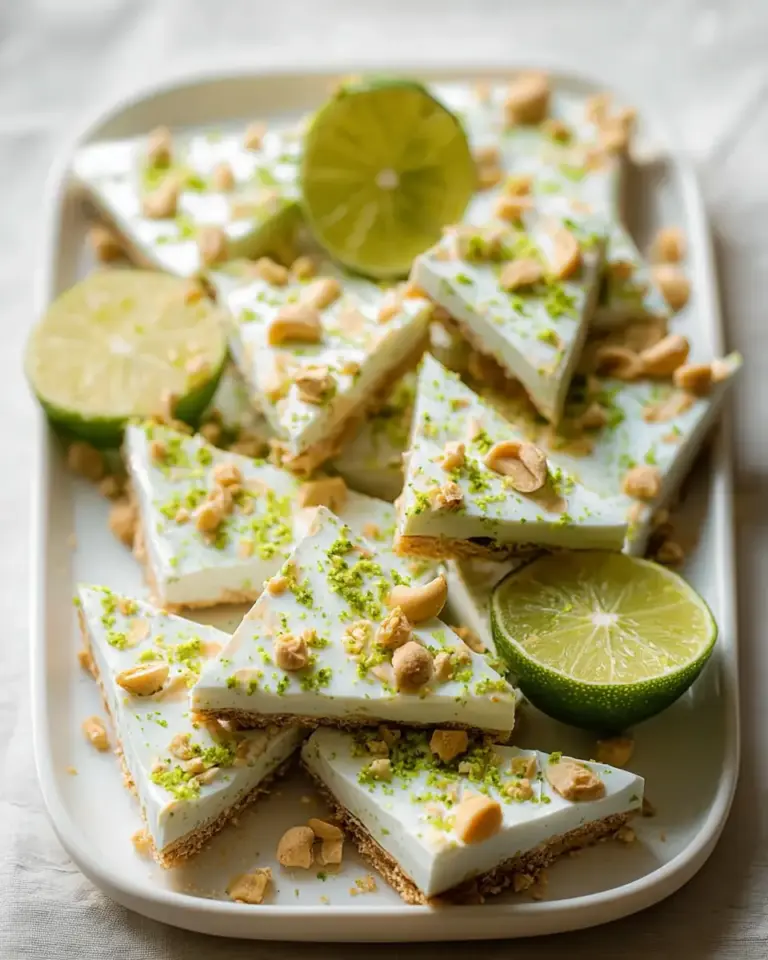
Frozen Yogurt Alternative: Spread cookie dough into parchment-lined baking trays and freeze for 2-3 hours, then break into bite-sized pieces for a frozen treat reminiscent of frozen yogurt bark.
Protein Shake Mix-In: Blend a portion of your cookie dough into protein shakes for added flavor, creaminess, and nutritional boost without extra ingredients.
Dessert Nachos: Layer tortilla chips with melted dark chocolate and dollops of Greek yogurt cookie dough for an unexpected but delightful flavor combination.
Common Mistakes to Avoid
Understanding potential pitfalls ensures your Greek yogurt cookie dough experience remains consistently excellent:
Mistake #1: Using Low-Fat or Non-Fat Greek Yogurt
Low-fat varieties create a thin, pudding-like consistency rather than the thick, doughy texture that defines this treat. Full-fat or 2% Greek yogurt delivers the optimal balance of creaminess and structure. If using lower-fat options, incorporate additional almond flour to compensate.
Mistake #2: Overmixing After Adding Chocolate Chips
Excessive stirring breaks down the chocolate chips and creates an uneven distribution with an unappealing appearance. Use gentle folding motions instead to maintain chip integrity.
Mistake #3: Adding Too Much Milk at Once
Yogurt’s water content varies significantly between brands. Adding milk incrementally (a teaspoon at a time) prevents accidentally creating a runny mixture that can’t be salvaged.
Mistake #4: Skipping Sweetener Taste Tests
Different sweeteners have varying intensities and flavor profiles. Add sweetener gradually and taste as you go rather than combining everything at once and discovering it’s either too sweet or not sweet enough.
Mistake #5: Using Unflavored Protein Powder Without Tasting First
Some unflavored protein powders carry strong, unpleasant aftertastes. If unfamiliar with your protein powder’s flavor, test it in a small batch before committing to a full recipe.
Mistake #6: Not Accounting for Protein Powder Volume
Protein powder is highly concentrated—adding it without adjusting other ingredients can create an overly thick, chalky consistency. The measurements provided in this guide account for proper ratios.
Storing Tips for the Recipe
Proper storage ensures your Greek yogurt cookie dough remains fresh, delicious, and ready whenever cravings strike:
Refrigerator Storage:
Transfer your Greek yogurt cookie dough to an airtight container and refrigerate for up to 4-5 days. The yogurt’s natural preservation properties extend shelf life beyond many other desserts. Always use a clean spoon to remove portions to prevent bacterial contamination.
Freezer Storage:
Form cookie dough into individual portions using an ice cream scoop, place on parchment-lined trays, and freeze for 1-2 hours until solid. Transfer frozen portions to freezer bags for up to 3 weeks. Remove from the freezer 5-10 minutes before consuming to reach optimal texture.
Meal Prep Advantages:
Greek yogurt cookie dough excels as a meal prep item. Prepare 2-3 batches on Sunday and portion into individual containers for grab-and-go snacking throughout the week. This strategy ensures you always have a nutritious, satisfying option available without requiring last-minute preparation.
Ingredient Pre-Prep:
Pre-portion protein powder, peanut butter, and sweetener into separate containers. When cravings strike, you only need to add yogurt and mix—reducing preparation time to under two minutes.
Preventing Separation:
Occasionally, yogurt may separate slightly during storage. Simply stir well before consuming to recombine any liquid that accumulated on the surface.
Conclusion
Greek yogurt cookie dough represents a paradigm shift in dessert preparation, delivering indulgence alongside nutritional benefits. This high-protein, low-carb treat satisfies sweet cravings in just 3-5 minutes while providing 12-15 grams of protein per serving. Whether you’re a fitness enthusiast, busy professional, or anyone seeking guilt-free dessert options, Greek yogurt cookie dough deserves a permanent place in your kitchen rotation. With endless customization possibilities and minimal preparation requirements, this recipe adapts perfectly to your unique dietary needs and taste preferences.
Call-to-Action: Try making your own batch of Greek yogurt cookie dough this week! Share your experience, creative variations, and feedback in the comments section below—we’d love to hear your thoughts. Subscribe to our blog for more high-protein, nutritious recipes that prove healthy eating doesn’t mean sacrificing flavor or satisfaction.
FAQs
Q1: Can I eat Greek yogurt cookie dough immediately, or does it need to chill?
A: Absolutely! Greek yogurt cookie dough is ready to enjoy straight from the mixing bowl. However, a 10-15 minute refrigeration creates a firmer, more traditional cookie dough texture for those preferring that consistency.
Q2: Is Greek yogurt cookie dough safe to eat since it contains no baking?
A: Yes, completely. Unlike traditional cookie dough containing raw eggs and flour, Greek yogurt cookie dough uses shelf-stable, food-safe ingredients. Greek yogurt is pasteurized, eliminating bacterial concerns.
Q3: Can I adjust the sweetness level?
A: Definitely. Add sweetener gradually and taste-test as you progress. Different sweeteners have varying intensities, so adjusting to your preference is crucial. You can increase or decrease sweetness without affecting the recipe’s structural integrity.
Q4: What’s the best protein powder for this recipe?
A: Vanilla, cookie dough-flavored, or unflavored whey protein powders work excellently. Plant-based alternatives like pea or hemp protein also work well for vegan versions. Avoid anything with artificial sweeteners you dislike, as their flavor will come through prominently.
Q5: How do I make a dairy-free version?
A: Use thick Greek-style non-dairy yogurt (like Cocojune) as your base, and ensure your protein powder is plant-based. All other ingredients remain consistent, making this modification incredibly simple.
Q6: Can I batch-make Greek yogurt cookie dough for meal prep?
A: Yes! Greek yogurt cookie dough is a meal prep dream. Prepare multiple batches and portion into individual containers for refrigeration (4-5 days) or freezing (3 weeks). This ensures you always have a nutritious snack readily available.
Q7: What’s the difference between using almond flour and oat flour?
A: Both work beautifully in Greek yogurt cookie dough. Oat flour creates a slightly thicker, more cake-like consistency, while almond flour provides a nuttier flavor and more authentic cookie dough texture. Choose based on your flavor preference and texture goals.
Q8: Can I use Greek yogurt cookie dough as a dip?
A: Absolutely. Serve it alongside fresh fruit, pretzels, or graham crackers as a crowd-pleasing dessert dip. The creamy texture makes it ideal for dipping applications.
Q9: How do I fix cookie dough that’s too thick?
A: Add milk (dairy or non-dairy) one teaspoon at a time while stirring, until reaching your desired consistency. The amount needed varies based on yogurt thickness and protein powder absorption.
Q10: What macronutrient ratio does Greek yogurt cookie dough provide?
A: A typical serving delivers approximately 12-15 grams of protein, 5-7 grams of fat, and 10-15 grams of carbohydrates, making it an excellent macro-balanced treat for fitness goals.

Best Greek Yogurt Cookie Dough Recipe
- Total Time: 5 minutes
- Yield: 2 servings 1x
- Diet: Vegetarian
Description
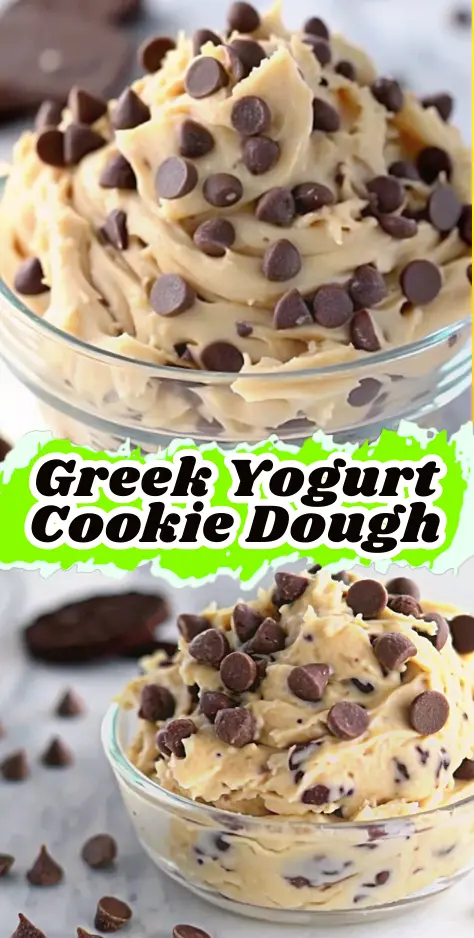
Greek yogurt cookie dough is a high-protein, egg-free dessert made with creamy yogurt, protein powder, and chocolate chips for a quick, guilt-free sweet treat.
Ingredients
- 180 grams plain Greek yogurt
- 15 grams whey or plant-based protein powder
- 20 grams creamy peanut butter
- Sweetener of choice, to taste
- 1 teaspoon chocolate chips
- ½ teaspoon vanilla extract (optional)
- Pinch of sea salt (optional)
Instructions
- Add Greek yogurt, protein powder, peanut butter, sweetener, and vanilla extract to a bowl.
- Mix until smooth and creamy with no lumps.
- Adjust consistency with a small splash of milk if too thick.
- Fold in chocolate chips gently.
- Taste and adjust sweetness if needed.
- Serve immediately or chill for 10–15 minutes for firmer texture.
Notes
Use full-fat or 2% Greek yogurt for best texture. Add milk gradually to avoid thinning the dough too much.
- Prep Time: 5 minutes
- Cook Time: 0 minutes
- Category: Dessert
- Method: No-Bake
- Cuisine: American
Nutrition
- Serving Size: ½ recipe
- Calories: 165
- Sugar: 7g
- Sodium: 75mg
- Fat: 6g
- Saturated Fat: 2g
- Unsaturated Fat: 4g
- Trans Fat: 0g
- Carbohydrates: 12g
- Fiber: 1g
- Protein: 14g
- Cholesterol: 5mg
Keywords: greek yogurt cookie dough, protein cookie dough, healthy cookie dough