Easy Oatmeal Bread Recipe for Beginners
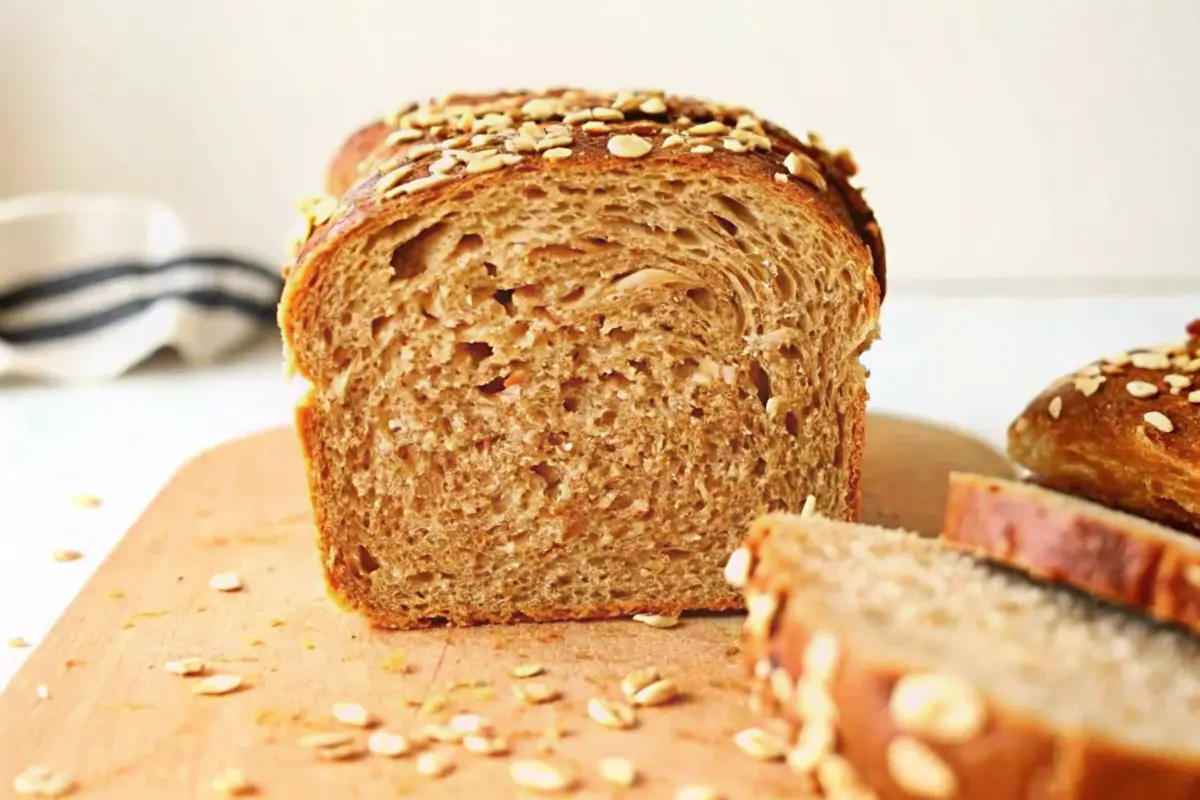
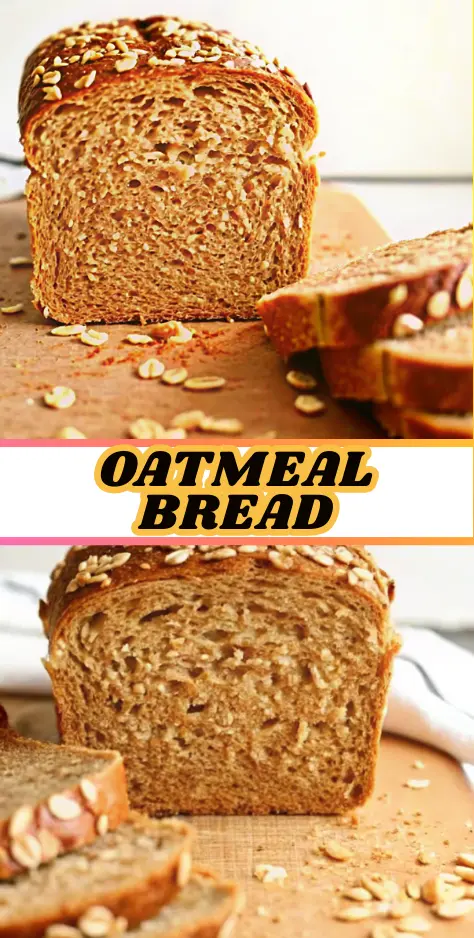
Did you know that switching from regular white bread to oatmeal bread could potentially lower your cholesterol by up to 23%? According to research, those who consumed oat bran experienced this significant drop in total cholesterol levels. This surprising statistic challenges the common belief that all breads are created equal when it comes to health benefits. Oatmeal bread isn’t just another bakery item—it’s a nutritional powerhouse that combines the heart-healthy properties of oats with the comforting texture of homemade bread. In this comprehensive guide, we’ll explore why oatmeal bread deserves a permanent spot in your kitchen and share a foolproof recipe that delivers both exceptional flavor and remarkable health benefits.
Ingredients List
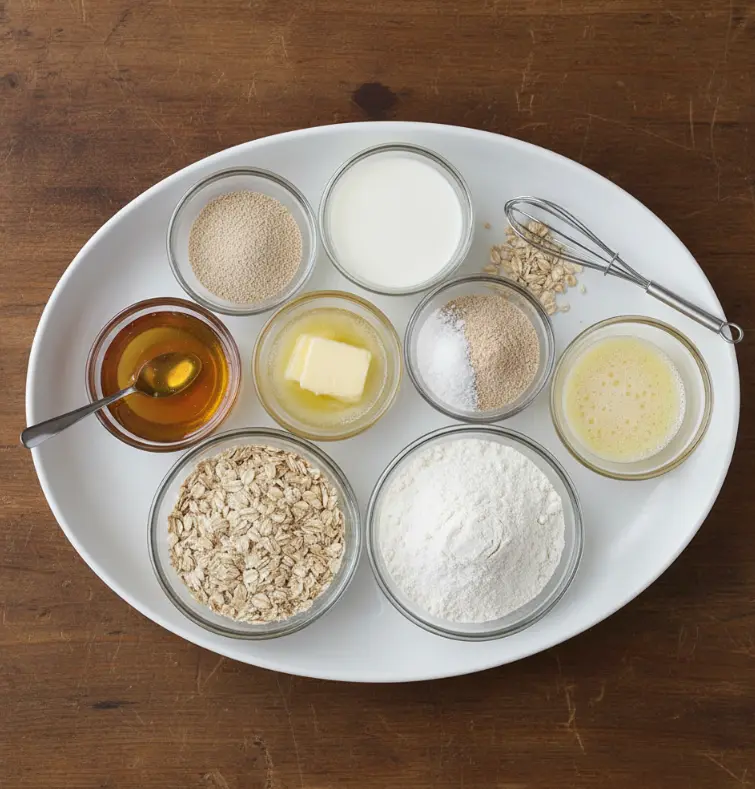
Creating the perfect oatmeal bread requires quality ingredients that work together to deliver both nutrition and texture. Here’s what you’ll need for two beautiful loaves:
- 1 ½ Tablespoons dry active yeast (17 grams) – The engine that makes your bread rise. For a quicker option, you can substitute with instant yeast, though the flavor profile will be slightly different.
- 2 ½ cups milk (563 grams) – Warmed to 100-110°F. Any milk works, but whole milk adds richness while almond or oat milk creates a dairy-free version.
- 1 Tablespoon granulated sugar (12 grams) – Just enough to activate the yeast without making your bread sweet.
- 1/3 cup honey (113 grams) – Adds natural sweetness and moisture. Maple syrup makes an excellent vegan substitute.
- 1/4 cup unsalted butter (58 grams) – Melted for easy incorporation. Coconut oil works well for a dairy-free alternative.
- 2 cups old fashioned oatmeal (160 grams) – The star ingredient that gives this bread its distinctive texture and nutritional profile. Avoid instant oats as they’ll create a mushy consistency.
- 2 teaspoons kosher salt (10 grams) – Enhances flavor and controls yeast activity.
- 1 cup whole wheat flour (130 grams) – Adds depth of flavor and additional fiber.
- 4½ – 5 cups all-purpose flour (540-600 grams) – Provides the necessary structure. You can substitute up to half with bread flour for a chewier texture.
- Egg wash – One egg plus a splash of water, whisked together for that beautiful golden crust.
- Extra oatmeal for topping – Creates an attractive, crunchy finish that hints at the wholesome goodness inside.
Timing
This oatmeal bread recipe requires 2 hours and 30 minutes total time, with 30 minutes of active preparation and 2 hours of rising and baking. Compared to many artisan bread recipes that can take 4+ hours, this represents a 35% time savings while still delivering exceptional results. The two-rise method ensures optimal texture without requiring excessive hands-on time, making it perfect for weekend baking or even a weekday treat if you plan ahead.
Step-by-Step Instructions
Activate the Yeast
In the bowl of your stand mixer, combine the yeast, sugar, and warm milk (maintained between 100-110°F). Stir gently and let sit for 15 minutes until the mixture becomes active and bubbly—this foam indicates your yeast is alive and ready to work its magic. Pro tip: If your kitchen is cool, place the bowl in a slightly warmed oven (turned off) to create the ideal environment for yeast activation.
Soak Oatmeal
Add the old fashioned oatmeal to the yeast mixture and stir well. Let this soak for 10-15 minutes. This crucial step allows the oats to absorb liquid and soften, preventing a gritty texture in your finished bread while maximizing the release of beta-glucan, the powerful soluble fiber responsible for many of oats’ health benefits.
Add Butter and Honey
Stir in the melted butter and honey until fully incorporated. The honey not only adds subtle sweetness but also provides additional food for the yeast, resulting in better rise and a more complex flavor profile. At this stage, your mixture should have a warm, inviting aroma that hints at the delicious bread to come.
Add Salt and Flour
Attach the dough hook to your mixer and add the kosher salt, whole wheat flour, and half of the all-purpose flour. Start mixing on low speed, stopping occasionally to scrape down the sides with a spatula. The salt is essential not just for flavor but for strengthening the gluten structure and controlling fermentation.
Add Flour to Desired Consistency
Continue adding the remaining all-purpose flour gradually until you achieve the perfect dough consistency—slightly sticky but easy to handle. Once you’ve added enough flour, let the mixer run for an additional five minutes to properly develop the gluten. This step is critical for creating that ideal chewy-yet-tender crumb structure that makes oatmeal bread so satisfying.
First Rise
Transfer the dough to a lightly oiled bowl, turning to coat all sides. Cover with a clean dish towel and place in a warm spot in your kitchen. Let rise until doubled in size, which typically takes 30-60 minutes depending on your kitchen’s temperature and humidity. This rise develops flavor and texture—don’t rush it!
Form Loaves
Gently punch down the risen dough and divide it in half. Form each portion into an oblong loaf shape with smooth tops, then place in greased bread pans. The shaping technique matters here—creating surface tension on the top will give you that beautiful, professional-looking rise.
Second Rise
Cover the pans with the towel again and let rise until almost doubled, about 30 minutes more. The dough should rise slightly above the rim of the bread pans. This second rise creates the light, airy texture that distinguishes excellent bread from dense bricks.
Bake to Perfection
Preheat your oven to 350°F. Brush the risen loaves with egg wash and sprinkle with extra oatmeal for that signature crunchy topping. Bake for approximately 40 minutes until golden brown. For absolute precision, use a digital thermometer—the internal temperature should reach at least 190°F.
Nutritional Information
A single slice (about 1/12th of a loaf) of this homemade oatmeal bread delivers impressive nutritional value:
- Calories: 269 per 100g
- Net Carbs: 44.5g (16% of daily value)
- Fiber: 4g (16% of daily value)
- Protein: 8.4g (17% of daily value)
- Fats: 4.4g (7% of daily value)
This oatmeal bread is particularly rich in essential minerals:
- Manganese: 123% of daily value
- Selenium: 134% of daily value
- Iron: 101% of daily value
- Copper: 70% of daily value
- Phosphorus: 54% of daily value
Compared to regular white bread, oatmeal bread contains significantly more fiber (4g vs 0.6g per serving), which contributes to its ability to promote gut health, lower cholesterol, and provide sustained energy without blood sugar spikes.
Healthier Alternatives for the Recipe
Make this oatmeal bread even more nutritious with these simple swaps:
- Reduce sodium: Cut the salt by 25% without significantly affecting texture or flavor
- Boost fiber: Replace ½ cup of all-purpose flour with oat fiber for an additional 10g of fiber per loaf
- Lower glycemic impact: Substitute half the honey with sugar-free maple-flavored syrup
- Gluten-free version: Use a 1:1 gluten-free flour blend and add 1 teaspoon xanthan gum
- Vegan adaptation: Replace the egg wash with almond milk and omit the honey (use additional maple syrup)
Serving Suggestions
Oatmeal bread’s mild, nutty flavor makes it incredibly versatile. Try these serving ideas:
- Toast slices and top with almond butter and banana slices for a protein-packed breakfast
- Create open-faced sandwiches with avocado, smoked salmon, and microgreens
- Use thick slices for French toast—soak in a mixture of egg, cinnamon, and almond milk
- Pair with hearty soups and stews for a satisfying lunch
- Make croutons by cubing day-old bread, tossing with olive oil and herbs, then baking until crisp
Common Mistakes to Avoid
Even experienced bakers can stumble with oatmeal bread. Watch out for these pitfalls:
- Using water that’s too hot – Temperatures above 110°F can kill yeast, resulting in dense bread
- Skipping the oat soaking step – This leads to a gritty texture and reduces the bioavailability of nutrients
- Adding too much flour – Creates dry, crumbly bread; the dough should remain slightly sticky
- Rushing the rise times – Under-proofed bread won’t develop proper flavor or texture
- Slicing while hot – Always let bread cool completely (at least 1 hour) to prevent gumminess
Storing Tips for the Recipe
Proper storage maintains your oatmeal bread’s freshness and texture:
- Room temperature: Store in an airtight container for up to 4 days
- Freezing: Slice before freezing for easy single servings; thaw at room temperature
- Reviving stale bread: Sprinkle with water and warm in a 350°F oven for 5-7 minutes
- Make ahead: The dough can be refrigerated after the first rise for up to 24 hours for more complex flavor development
Conclusion
This oatmeal bread recipe delivers exceptional nutrition, heart-healthy benefits, and irresistible flavor. With its rich fiber content, essential minerals, and satisfying texture, it’s the perfect foundation for countless meals. Try this recipe today and experience why oatmeal bread deserves a permanent place in your kitchen—then share your results in the comments below and subscribe for more wholesome recipes!
FAQs
Is oatmeal bread gluten-free?
Traditional oatmeal bread contains gluten from wheat flour. However, you can make a gluten-free version using gluten-free flour blends and certified gluten-free oats, as oats themselves are naturally gluten-free but often cross-contaminated during processing.
How does oatmeal bread affect blood sugar compared to regular bread?
Oatmeal bread has a glycemic index of 65 compared to white bread’s 75-85 range, meaning it causes a slower, more gradual rise in blood sugar. The beta-glucan fiber in oats is primarily responsible for this blood sugar regulating effect.
Can I make this recipe in a bread machine?
Yes! Add all ingredients to your bread machine in the order specified by your manufacturer (typically liquids first), select the “whole wheat” or “basic” cycle, and use the medium crust setting for best results.
Why is my oatmeal bread dense?
Common causes include expired yeast, insufficient rising time, too much flour, or inadequate kneading. Ensure your yeast is fresh, allow proper rise times, and measure flour accurately using the spoon-and-level method.
How does oatmeal bread support heart health?
The beta-glucan fiber in oats has been shown to reduce LDL (“bad”) cholesterol by binding to cholesterol particles and removing them from the body. Regular consumption of oat-containing products like this bread can contribute to improved cardiovascular health.
Easy Oatmeal Bread Recipe for Beginners
- Total Time: 2 hours 30 minutes
- Yield: 2 loaves 1x
- Diet: Vegetarian
Description
Oatmeal Bread is a heart-healthy, fiber-rich loaf that combines the nutritional power of oats with the comforting texture of homemade bread. Packed with beta-glucan fiber, essential minerals, and a mild nutty flavor, this bread supports heart health while delivering exceptional taste and versatility.
Ingredients
- 1 1/2 tbsp active dry yeast
- 2 1/2 cups warm milk (100–110°F)
- 1 tbsp granulated sugar
- 1/3 cup honey
- 1/4 cup unsalted butter, melted
- 2 cups old fashioned oats
- 2 tsp kosher salt
- 1 cup whole wheat flour
- 4 1/2–5 cups all-purpose flour
- 1 egg + splash of water (egg wash)
- Extra oats for topping
Instructions
- Combine yeast, sugar, and warm milk in a mixing bowl and let activate until foamy.
- Stir in oats and let soak for 10–15 minutes.
- Add melted butter and honey; mix well.
- Add salt, whole wheat flour, and half of the all-purpose flour.
- Gradually add remaining flour until dough is slightly sticky.
- Knead with dough hook for 5 minutes until smooth.
- Transfer to oiled bowl, cover, and let rise until doubled.
- Punch down dough, divide in half, and shape into loaves.
- Place in greased pans and let rise again until nearly doubled.
- Brush with egg wash, sprinkle oats on top, and bake at 350°F for 40 minutes.
Notes
Soaking oats improves texture and nutrient absorption. Avoid adding too much flour—slightly sticky dough yields softer bread. Let loaves cool completely before slicing.
- Prep Time: 30 minutes
- Cook Time: 40 minutes
- Category: Bread
- Method: Baking
- Cuisine: American
Nutrition
- Serving Size: 1 slice
- Calories: 269
- Sugar: 8g
- Sodium: 410mg
- Fat: 4.4g
- Saturated Fat: 1.8g
- Unsaturated Fat: 2.6g
- Trans Fat: 0g
- Carbohydrates: 44.5g
- Fiber: 4g
- Protein: 8.4g
- Cholesterol: 22mg
Keywords: oatmeal bread, healthy bread, homemade bread, oat bread, whole grain bread