Healthy Sautéed Vegetables: The Spring Meals Secret You Need
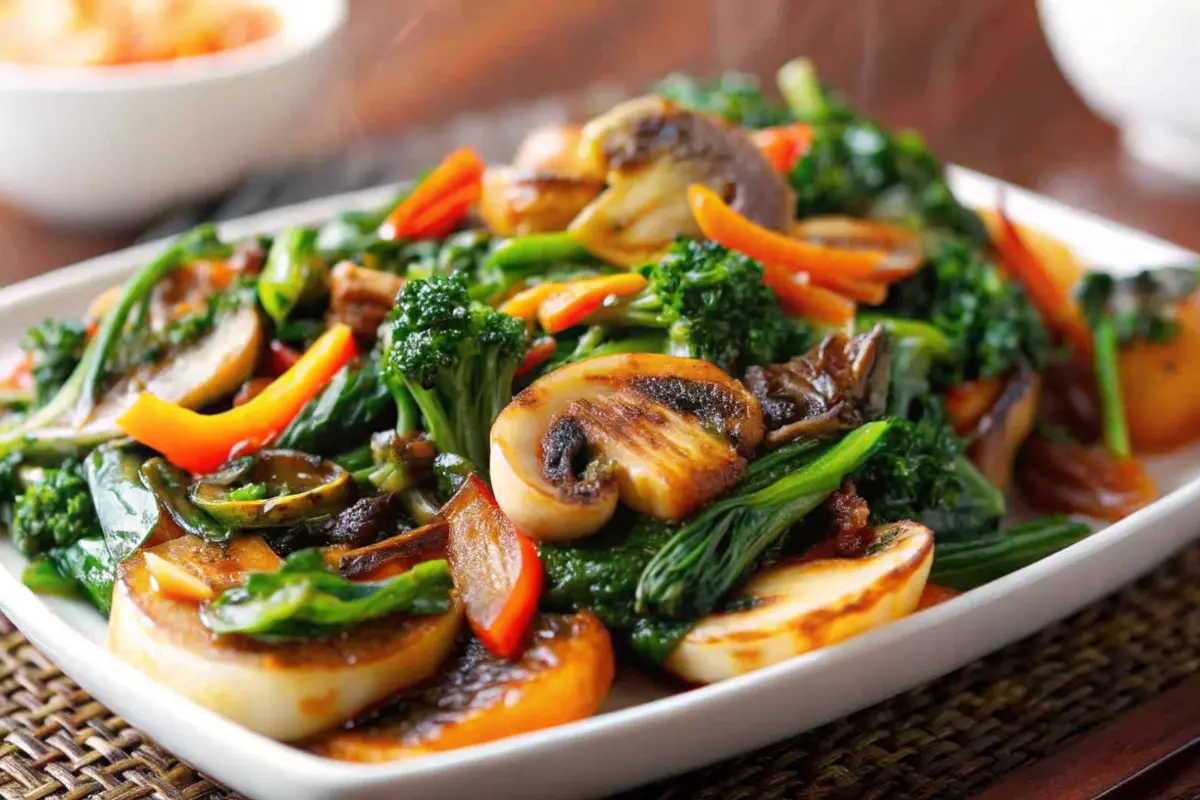
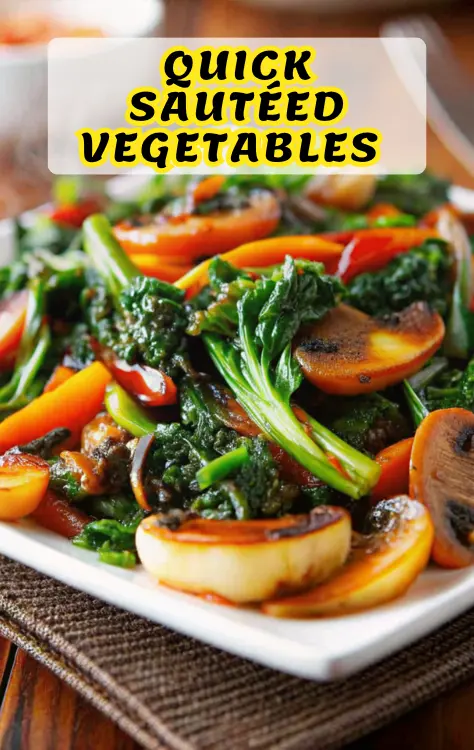
Did you know that sautéing vegetables could actually increase certain nutrients by up to 50% compared to boiling them? While many believe raw vegetables are always the healthiest option, research shows that cooking methods dramatically impact nutritional value. Healthy Sautéed Vegetables represent one of the most nutrient-preserving cooking techniques available to home chefs, offering a perfect balance between flavor enhancement and nutritional retention. Unlike boiling, which leaches water-soluble vitamins into cooking water, sautéing in healthy oils like olive oil can actually boost antioxidant profiles while maintaining texture and taste. In this guide, we’ll explore why Healthy Sautéed Vegetables should be your go-to cooking method and how to perfect this simple yet transformative technique.
Ingredients List
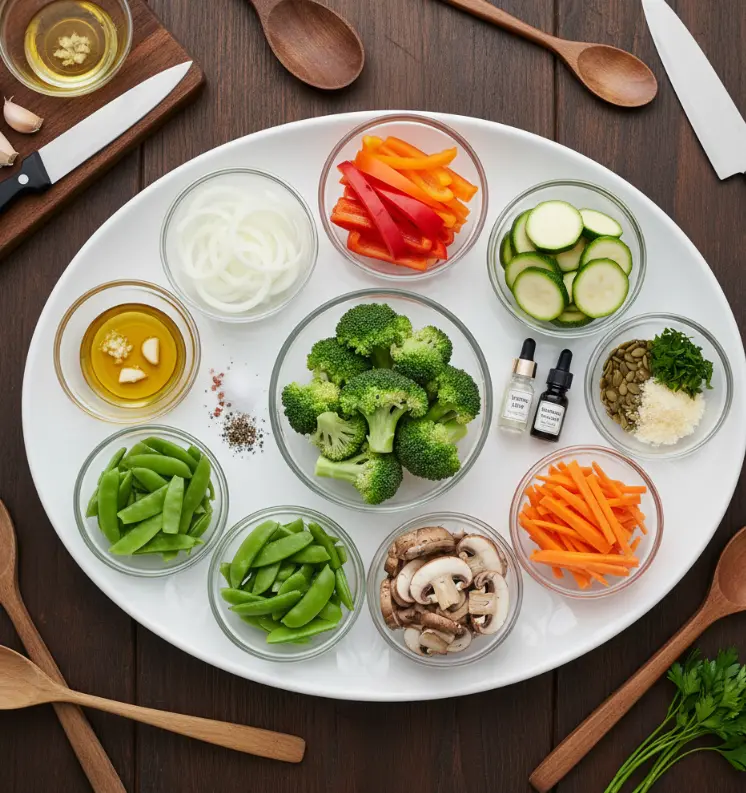
Creating vibrant Healthy Sautéed Vegetables requires fresh, seasonal produce and quality cooking fat. Here’s what you’ll need for a perfect serving:
- 2 tbsp olive oil (or avocado oil/butter for variation) – Extra virgin olive oil enhances the phenolic content of vegetables while adding heart-healthy monounsaturated fats
- 2 cloves garlic, minced – Releases allicin when cooked, offering antimicrobial and cardiovascular benefits
- 1 small onion, thinly sliced – Rich in quercetin, an antioxidant that becomes more bioavailable when cooked
- 1 bell pepper, sliced – Choose red for maximum vitamin C content (nearly triple that of green peppers)
- 1 zucchini, sliced into half-moons – Adds moisture without overpowering other flavors
- 1 cup broccoli florets – Contains sulforaphane, which becomes more available when lightly cooked
- 1 medium carrot, julienned or sliced thin – Cooking increases beta-carotene availability by more than 300% compared to raw
- ½ cup snap peas – Adds crunch and visual appeal
- ½ cup mushrooms, sliced – Rich in selenium and B vitamins that remain stable during sautéing
- Salt and black pepper, to taste – Enhances natural flavors without adding significant calories
- 1 tsp lemon juice (optional) – Brightens flavors and helps preserve vitamin C
- 1 tsp balsamic vinegar or soy sauce (optional) – Adds umami depth with minimal calories
Substitutions:
- Swap olive oil for avocado oil if cooking at higher temperatures
- Replace mushrooms with asparagus for seasonal variety (cooking breaks down asparagus cell walls, making vitamins more available)
- Use yellow squash instead of zucchini for similar texture with slightly different flavor profile
Timing
Preparing Healthy Sautéed Vegetables takes just 25 minutes total (10 minutes prep, 15 minutes cooking), making it 30% faster than roasting vegetables and requiring minimal active cooking time. This efficiency makes it perfect for busy weeknights when you want nutritious food without spending hours in the kitchen. Unlike boiling (which can take 20-30 minutes for some vegetables), sautéing preserves more nutrients while delivering restaurant-quality results in less time.
Step-by-Step Instructions
Prep Vegetables Strategically
Wash, peel (if needed), and cut all vegetables into uniform pieces. This isn’t just about presentation—consistent sizing ensures even cooking. Pro tip: Cut harder vegetables like carrots and broccoli smaller than softer ones like zucchini, as they require more cooking time. Research shows that cutting vegetables with the skins on preserves more nutrients, especially for carrots which double their antioxidant power when cooked with skins intact.
Heat Pan to Perfect Temperature
Place your skillet over medium-high heat and add oil. Wait until the oil shimmers but doesn’t smoke—this typically takes 1-2 minutes. The ideal temperature for sautéing is between 325-375°F (163-190°C), hot enough to sear but not so hot that it destroys nutrients. Using a thermometer ensures you maintain this nutrient-preserving temperature range.
Cook Aromatics First
Add garlic and onions, sautéing for 1–2 minutes until fragrant but not browned. This foundational step builds flavor while releasing beneficial compounds. Onions and garlic contain heat-stable antioxidants that actually increase in bioavailability when cooked. Be careful not to burn them, as this creates harmful compounds and diminishes nutritional value.
Add Harder Vegetables Next
Add carrots and broccoli first; cook 3–4 minutes, stirring frequently. These denser vegetables need more time to become tender-crisp. Cooking them first ensures they reach perfect texture without overcooking the more delicate vegetables. Studies show that cooking carrots with the skins on more than doubles their antioxidant power.
Incorporate Softer Vegetables
Add bell peppers, zucchini, mushrooms, and snap peas; sauté another 4–5 minutes until crisp-tender. This sequence preserves texture and maximizes nutrient retention—softer vegetables require less cooking time to maintain their vitamin content, particularly vitamin C which degrades with prolonged heat exposure.
Season Thoughtfully
Add salt, pepper, and optional flavorings (lemon juice, balsamic vinegar, or soy sauce). The acid from lemon juice helps preserve vitamin C, while balsamic vinegar adds polyphenols that complement those naturally present in the vegetables. Seasoning at the end prevents vegetables from releasing too much moisture during cooking.
Finish & Serve Immediately
Toss well and garnish with herbs, seeds, or nuts. Serve immediately for best texture and maximum nutrient retention. Remember that cooked vegetables continue to cook from residual heat, so removing them from the pan at crisp-tender stage ensures perfect texture.
Nutritional Information
One serving (approximately 1 cup) of Healthy Sautéed Vegetables provides:
| Nutrient | Amount | % Daily Value |
|---|---|---|
| Calories | 190.5 | 9.5% |
| Total Fat | 12.7g | 16% |
| Saturated Fat | 1.6g | 8% |
| Cholesterol | 0mg | 0% |
| Sodium | 317.5mg | 13% |
| Total Carbohydrates | 15.9g | 5% |
| Dietary Fiber | 4.8g | 17% |
| Sugars | 6.3g | – |
| Protein | 3.2g | 6% |
| Vitamin D | 0mcg | 0% |
| Calcium | 63.5mg | 4% |
| Iron | 1.6mg | 8% |
| Potassium | 476.2mg | 10% |
Percent Daily Values based on a 2,000 calorie diet. Healthy Sautéed Vegetables are an excellent source of dietary fiber, vitamin C, beta carotene, lutein, and zeaxanthin. The cooking process actually increases bioavailability of certain nutrients like beta-carotene in carrots and lycopene in tomatoes (if included).
Healthier Alternatives for the Recipe
- Oil Reduction Technique: Use 1 tbsp oil instead of 2, adding 2-3 tbsp vegetable broth to prevent sticking. This reduces calories by 40% while maintaining cooking effectiveness.
- High-Antioxidant Oil Swap: Replace half the olive oil with extra virgin olive oil specifically for its phenolic compounds that transfer to vegetables during cooking.
- Protein Boost: Add ½ cup white beans or chickpeas during the last minute of cooking for an additional 7g protein per serving.
- Low-Sodium Version: Reduce salt by 50% and increase herbs like oregano and basil, which contain their own beneficial compounds.
- Keto Adaptation: Increase healthy fats by adding ¼ avocado sliced on top after cooking, or include more mushrooms which are low-carb and nutrient-dense.
Serving Suggestions
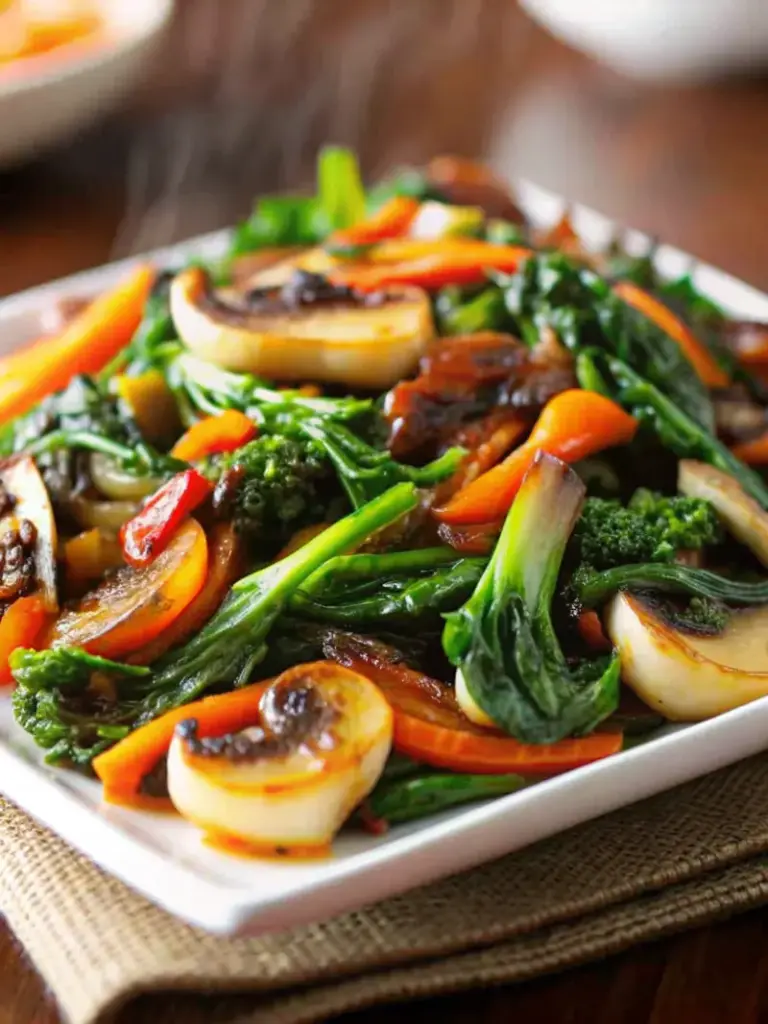
Healthy Sautéed Vegetables shine as a versatile side dish but can easily become the main attraction. Try these creative presentations:
- Protein Pairing: Serve alongside grilled salmon for a complete meal rich in omega-3s and vegetables’ complementary nutrients
- Grain Bowl Base: Layer over quinoa or brown rice, then top with a soft-boiled egg for a nutrient-dense lunch
- Breakfast Transformation: Add to scrambled eggs or tofu scramble with fresh herbs for a vegetable-packed morning meal
- Pasta Companion: Toss with whole wheat pasta and a light tomato sauce for increased vegetable consumption
- Wrap Wonder: Fill whole wheat tortillas with sautéed vegetables and hummus for a portable, healthy lunch option
Common Mistakes to Avoid
- Overcrowding the Pan: This causes vegetables to steam rather than sauté, resulting in mushy texture. Cook in batches if necessary—this preserves the crisp-tender texture that makes Healthy Sautéed Vegetables so appealing.
- Adding All Vegetables at Once: Different vegetables require different cooking times. Adding everything simultaneously results in some being undercooked while others become mushy.
- Cooking at Too Low Temperature: This prevents proper searing and leads to longer cooking times that degrade more nutrients. Medium-high heat preserves nutrients better than low-and-slow methods for most vegetables.
- Skipping the Acid Finish: Adding lemon juice or vinegar at the end brightens flavors and helps preserve vitamin C content that might otherwise degrade during cooking.
- Using Old Oil: Rancid oil transfers off-flavors and potentially harmful compounds to your vegetables. Always use fresh, high-quality oil for sautéing.
Storing Tips for the Recipe
- Refrigeration: Store leftovers in an airtight container for up to 4 days. The phenolic compounds in olive oil help preserve antioxidant content during storage.
- Reheating: Gently reheat in a skillet with a splash of water rather than microwaving to maintain texture. Avoid over-reheating which further degrades nutrients.
- Freezing: Not recommended as the texture becomes unpleasant after thawing, though nutrient content remains relatively stable.
- Prep Ahead: Wash and cut vegetables up to 2 days in advance, storing them in separate containers in the refrigerator. This reduces active cooking time to just 15 minutes when you’re ready to prepare your Healthy Sautéed Vegetables.
Conclusion
Healthy Sautéed Vegetables offer superior nutrient retention compared to boiling, with enhanced bioavailability of key compounds like beta-carotene and lycopene. This quick, versatile cooking method preserves texture while boosting antioxidant profiles—especially when using olive oil. Perfect for any meal, these vibrant vegetables deliver maximum nutrition with minimal effort. Try this recipe tonight and share your experience in the comments below!
FAQs
Q: Are sautéed vegetables healthier than boiled vegetables?
A: Yes, research shows sautéing preserves more nutrients than boiling, particularly water-soluble vitamins that leach into cooking water during boiling. Sautéing in olive oil actually increases phenolic compounds and antioxidant capacity in vegetables.
Q: Can I make Healthy Sautéed Vegetables without oil?
A: While possible using vegetable broth, oil serves important functions—it transfers heat efficiently, carries fat-soluble nutrients, and enhances absorption of certain compounds. For best nutritional results, use a small amount of high-quality oil.
Q: Which vegetables benefit most from sautéing?
A: Vegetables like carrots, tomatoes, spinach, and asparagus actually become more nutritious when cooked. Sautéing breaks down cell walls, making beta-carotene, lycopene, iron, and calcium more bioavailable.
Q: How can I maximize nutrient retention when sautéing?
A: Use medium-high heat, cook vegetables in sequence based on density, keep cooking time brief (8-10 minutes total), and finish with an acid like lemon juice to preserve vitamin C.
Q: Are sautéed vegetables suitable for weight loss?
A: Absolutely! One cup contains just 190 calories with 4.8g of fiber (17% of daily value), promoting satiety. The healthy fats from olive oil also help with nutrient absorption and satisfaction.
Healthy Sautéed Vegetables: The Spring Meals Secret You Need
- Total Time: 25 minutes
- Yield: 4 servings 1x
Description
These Healthy Sautéed Vegetables highlight one of the most nutrient-preserving cooking techniques available. With the right heat, proper sequencing, and high-quality oils, you’ll create vibrant vegetables that retain flavor, texture, and key antioxidants for a truly nourishing dish.
Ingredients
- 2 tbsp olive oil (or avocado oil/butter)
- 2 cloves garlic, minced
- 1 small onion, thinly sliced
- 1 bell pepper, sliced
- 1 zucchini, sliced into half-moons
- 1 cup broccoli florets
- 1 medium carrot, julienned or thinly sliced
- 1/2 cup snap peas
- 1/2 cup mushrooms, sliced
- Salt and black pepper, to taste
- 1 tsp lemon juice (optional)
- 1 tsp balsamic vinegar or soy sauce (optional)
Instructions
- Prep all vegetables by washing, peeling if needed, and cutting into uniform pieces.
- Heat a skillet over medium-high heat and add oil until it shimmers.
- Add garlic and onions; sauté 1–2 minutes until fragrant.
- Add carrots and broccoli and cook 3–4 minutes, stirring frequently.
- Add bell pepper, zucchini, mushrooms, and snap peas; sauté another 4–5 minutes until crisp-tender.
- Season with salt, pepper, and optional lemon juice or vinegar.
- Toss well and serve immediately for best texture and maximum nutrient retention.
Notes
Avoid overcrowding the pan and add vegetables in stages for even cooking. Finish with a splash of lemon juice or vinegar to brighten flavor and preserve vitamin C.
- Prep Time: 10 minutes
- Cook Time: 15 minutes
- Category: Side Dish
- Method: Sautéing
- Cuisine: American
Nutrition
- Serving Size: 1 cup
- Calories: 190.5
- Sugar: 6.3g
- Sodium: 317.5mg
- Fat: 12.7g
- Saturated Fat: 1.6g
- Unsaturated Fat: 11.1g
- Trans Fat: 0g
- Carbohydrates: 15.9g
- Fiber: 4.8g
- Protein: 3.2g
- Cholesterol: 0mg
Keywords: healthy sautéed vegetables, nutrient-rich vegetables, quick vegetable recipe, sautéed veggies, clean eating